

- The median lot size in the Seattle metro area reached 5,200 sq. ft. in 2020, down 30% over the past two decades.
- Meanwhile, home sizes in the metro area are 25% larger than they were 20 years ago.
- Seattle and Tacoma are home to the three ZIP Codes with the smallest yard spaces in the metropolitan area.
- ZIP Code 98580 in Roy is home to the biggest yards in the Seattle metro area.
- Overall, the median lot size in Seattle-Tacoma-Bellevue, WA, sits at 8,400 square feet.
Home prices are now at historic highs. The median price of an existing home reached $341,600, with all major regions in the US posting double-digit increases. Rising demand for housing combined with the high cost of land and building materials has pushed lot sizes to new lows across the country. The median size of a lot for a new home was 7,900 square feet in 2020, down 11% compared to 2000. Meanwhile, homes are getting bigger – the median size of a single family home built in 2020 was 2,260 square feet, up 12% from two decades before.
As one of the cities which drive these trends, Seattle’s red-hot real estate market is only getting hotter. With roughly 70% of residential plots dedicated to single family living and an ever-growing population, available land is practically non-existent, adding a new level of competitiveness to the residential landscape. The median price of a home in the Seattle-Tacoma-Bellevue metro area has jumped 17.9% y-o-y to $653,400.
Those who can still find room to build in Seattle are delivering larger homes, often at the expense of yard space. But unlike many of the nation’s hotspots, and luckily for those who favor outdoor space, the area is geographically rich and spread-out enough to cater to all tastes and budgets. Seattle developers have been targeting suburban locations with good connections to the urban core where land is still available and affordable, allowing places like Black Diamond, Enumclaw, or Puyallup to visibly flourish with new development.
Let’s see how things evolved in Seattle in terms of lot sizes in the last 20 years and where we can still find homes with sizable yards.
Seattle metro sees median lot size decreasing by over 30% over the past two decades
Driven by changes in Seattle and Tacoma, lot sizes in the Seattle-Tacoma-Bellevue metropolitan area experienced a significant drop, from roughly 7,600 square feet in 2000 to 5,200 square feet currently. During the same period, the median size of a new home increased by about 25%, from a median size of a little under 2,200 square feet two decades ago to 2,700 square feet last year. The overall median lot size in the Seattle metropolitan area currently sits at 8,400 square feet.
 The median lot size for the city of Seattle stands at almost 1,180 square feet, down almost 70% from 20 years ago. A surge in townhouse construction is one of the reasons for the sharp drop in the median lot size in the city – about 40% of the homes built in 2000 in Seattle were townhouses, compared to 70% last year.
Tacoma has also seen lot sizes drop, from 7,700 sq. ft. in 2000 to 5,750 square feet last year. On the other hand, the median lot size for homes built in 2020 in Bellevue was over 10,000 square feet, approximately the same as two decades previously.
Shrinking Lot Sizes Make Yard Space a Hot Commodity in Seattle
Bigger homes on smaller lots means new homes in Seattle benefit from a lot less outdoor space than they used to. To see where Seattleites on the move would find small outdoor spaces, or on the other hand, where they can still enjoy plenty of yard space while being close to the urban action, we’ve looked at ZIP Codes in the entire metropolitan area and ranked them by land plot size.
We calculated median available outdoor space by subtracting the ‘footprint’ home size — averaging the space over all the stories of a property — from the lot size area to identify the Seattle ZIP Codes with the largest and smallest yards.

Westlake and Cascade are Metro Seattle’s areas with the smallest yard space available
The metropolitan area’s zip codes with the smallest yards are, naturally, located in Seattle’s bustling Downtown and adjacent neighborhoods, where residents are trading backyard space for easy access to entertainment, culture and a more intense lifestyle.
Top 10 Seattle Metro Neighborhoods With The Smallest Yards
| Rank | ZIP | City | Neighborhood | Median Yard size (sq. ft) |
|---|---|---|---|---|
| 1 | 98109 | Seattle | Westlake, Cascade, Queen Anne | 2444 |
| 2 | 98107 | Seattle | Adams, Ballard | 2452 |
| 3 | 98402 | Tacoma | North End | 2508 |
| 4 | 98102 | Seattle | Eastlake, Cascade | 2518 |
| 5 | 98122 | Seattle | Minor, Central District | 2552 |
| 6 | 98119 | Seattle | West Quenn Anne, Queen Anne | 2648 |
| 7 | 98103 | Seattle | Woodland Park, Green Lake | 2661 |
| 8 | 98144 | Seattle | Atlantic, Central District | 2796 |
| 9 | 98424 | Tacoma | Fife | 3081 |
| 10 | 98105 | Seattle | University District | 3172 |
Want Outdoor Space? Head to Roy and Ravensdale
Last year was a red-letter moment for the housing market. The pandemic has effectively fueled a trend that had been a long time in the making, with many people rearranging housing priorities, either out of necessity or by sheer will. After years of seeking proximity to bustling downtowns, many are now going for greener, more spacious neighborhoods. This is where Seattleites find the silver lining as suburban Seattle is packed with homes that sit on extensive green acreage – if they’re willing to commute, that is – or adopt the work-from-home setup long-term, which is now more common than it has ever been. The tech-oriented Seattle Metro workforce in particular is more likely to be working remotely than employees in other areas of the country, with Microsoft alone having almost 54,000 employees still working from home.
Here are the top 10 ZIP Codes with the biggest yard space in the Seattle metro area:
1. ZIP code 98580 – Roy, Spanaway, North Yelm
Homes in the 98580 ZIP Code boast yards with a median square footage of 97,800 – that’s almost two full-sized football stadiums. The area, located close to Tacoma and about an hour away from Seattle, features mostly ranch-style properties, and a laidback vibe. Spanaway Lake provides swimming beaches, and a beautiful golf course is located nearby – even more opportunities for outdoor fun.
2. ZIP code 98051 – Ravensdale, Hobart and Maple Valley
With sprawling backyards of over 95,000 square feet, the approx. 3,300 people calling 98051 home get to enjoy both room to breathe and easy access to the city, as both Tacoma and Seattle are a mere 30 minutes’ drive away. The Kanaskat-Palmer State Park and the Cedar River Trail are nearby and are excellent spots for active family fun.
3. ZIP code 98050 – Preston, King County
The median size of a backyard in the 98050 ZIP code, which is located mostly in the unincorporated community of Preston, stands at over 81,000 square feet. Preston is within easy driving distance (14 miles) of Bellevue and is 22 miles east of Seattle.
4. ZIP code 98330 – Elbe, Pierce County
This small community of less than 200 residents, adjacent to Elbe Hills State Forest, is definitely close to nature, with the median amount of green space per single family home at almost 77,000 square feet. The Mount Rainier Scenic Railroad starts here, and the Mineral Lake, touted as one of the best spots for trout fishing in western Washington, is only three miles south from the town.
5. ZIP code 98394 – Vaughn, Pierce County
Homes in ZIP code 98394 – which contains the unincorporated community of Vaughn – have a median yard size of just a little under 70,000 square feet. The area is a 30 minutes’ drive away from Tacoma and an hour away from Seattle.
6. ZIP code 98024 – Fall City, King County
Homes in ZIP code 98024, which incorporates Fall City, benefit from lot sizes with over 60,000 square feet of outdoor space. There are around 6,000 residents here, and the community lies along the Snoqualmie River. The area is about 25 miles away from Seattle.
7. ZIP code 98328 – Eatonville, Pierce County
The approx. 10,000 residents of ZIP code 98328, consisting of Eatonville and some surrounding areas, enjoy homes with yards of over 55,000 square feet. Tacoma is about 34 miles away, while Seattle is 60 miles away.
8. ZIP code 98351 – Longbranch, Pierce County
Located on the very tip of the Key Peninsula, this small ZIP code with a population of 1,200 residents features homes with a median backyard size of almost 50,000 square feet. Seattle is about 65 miles away, while Tacoma is only 34 miles distant.
9. ZIP code 98333 – Fox Island, Pierce County
The median size of backyards in this island community is a little over 42,000 square feet. Commuting is quite accessible also: Tacoma is a mere 18 miles away, while Seattle is about 50 miles away.
10. ZIP code 98070 – Vashon Island, King County
Another island closes out the top 10 of the greenest ZIP codes in Seattle metropolitan area. The more than 10,000 residents of Vashon Island enjoy homes with a median backyard size of 40,000 square feet. The island is well connected via the Washington State Ferries System – you’ll reach both Seattle and Tacoma in about an hour. Also, you can use the King County Water Taxi system to access downtown Seattle.
Need more room to roam around at home? The self storage market in Seattle fills in the need for extra space
Self storage has become a hot necessity in today’s residential landscape. Whether living in a small city apartment with less space than stuff or enjoying a nice home with a large backyard that requires plenty of gardening equipment but no place for it, people need extra space. Seattle generally responds well to this need for storage space away from home, with price and inventory variations across the metropolitan area.
Seattle Metro Area Self Storage Street Rates and Availability
| City | Average Street Rate | Self Storage Per Capita |
|---|---|---|
| Seattle | 202 | 4.8 |
| Tacoma | 142 | 10.9 |
| Bellevue | 172 | 7.5 |
| Kent | 142 | 10.2 |
| Everett | 160 | 10.6 |
| Renton | 160 | 8.4 |
| Federal Way | 138 | 9.6 |
| Kirkland | 162 | 7.6 |
| Auburn | 139 | 9.3 |
| Marysville | 165 | 6.5 |
| Redmond | 149 | 7.4 |
| Sammamish | 161 | 1.8 |
| Lakewood | 138 | 7.4 |
| Shoreline | 174 | 12.6 |
| Olympia | 142 | 18.4 |
| Burien | 170 | 8.2 |
| Lacey | 157 | 12.1 |
| Bothell | 167 | 13.3 |
| Edmonds | 171 | 5.8 |
| Puyallup | 120 | 42 |
Among the three major cities, residents of Tacoma are the luckiest in terms of self storage costs and availability, as they enjoy almost 11 square feet of self storage per capita and an average street rate of $142 per month for a 10×10 storage unit.
Bellevue, with about 8 square feet of storage space per capita, comes in with an average street rate of $172 per month. Seattle is the most expensive of the three major cities in the metropolitan area, with a monthly street rate of $202 for a 10×10 unit. Local inventory includes only 5 square feet of self storage space per capita.
Seattle Metro ZIP Codes By Yard Space
| Zip | Median House Size (sq.ft) | Median Lot Size (sq.ft) | Median Yard Size (sq. ft) |
|---|---|---|---|
| 98580 | 1946 | 99317 | 97819 |
| 98051 | 2140 | 96856 | 95269 |
| 98050 | 2130 | 82895 | 81465 |
| 98330 | 1176 | 77537 | 76646 |
| 98394 | 1716 | 71874 | 69859 |
| 98024 | 2180 | 62291 | 60250 |
| 98328 | 1756 | 57064 | 55671 |
| 98351 | 1506 | 51057 | 49257 |
| 98333 | 2184 | 43560 | 42187 |
| 98070 | 1730 | 42427 | 40943 |
| 98329 | 1620 | 41796 | 40265 |
| 98349 | 1394 | 40999 | 39554 |
| 98338 | 1992 | 40071 | 38564 |
| 98077 | 2840 | 40032 | 38327 |
| 98446 | 1782 | 33310 | 31604 |
| 98014 | 2060 | 31712 | 29996 |
| 98290 | 2258 | 30928 | 29474 |
| 98072 | 2480 | 27377 | 25306 |
| 98443 | 1728 | 22647 | 21226 |
| 98304 | 880 | 21837 | 20864 |
| 98292 | 2037 | 19166 | 17974 |
| 98335 | 2096 | 18548 | 17080 |
| 98332 | 2217 | 17598 | 15921 |
| 98022 | 1820 | 16291 | 14664 |
| 98039 | 3490 | 16923 | 14574 |
| 98321 | 1915 | 15274 | 14076 |
| 98223 | 1838 | 14353 | 13009 |
| 98019 | 2160 | 14026 | 12831 |
| 98251 | 1355 | 13939 | 12628 |
| 98241 | 1220 | 13939 | 12593 |
| 98224 | 980 | 13264 | 12457 |
| 98296 | 2514 | 13504 | 12349 |
| 98288 | 1080 | 12632 | 11820 |
| 98372 | 1834 | 13068 | 11657 |
| 98256 | 890 | 12611 | 11423 |
| 98068 | 2280 | 12654 | 11400 |
| 98027 | 2470 | 13068 | 11343 |
| 98045 | 1900 | 12284 | 10945 |
| 98206 | 1208 | 11979 | 10937 |
| 98053 | 2490 | 12502 | 10921 |
| 98303 | 1353 | 12094 | 10884 |
| 98391 | 1985 | 11996 | 10744 |
| 98373 | 1896 | 11996 | 10624 |
| 98005 | 2620 | 12589 | 10527 |
| 98354 | 1597 | 11500 | 10335 |
| 98252 | 1650 | 11435 | 10286 |
| 98558 | 1476 | 10890 | 10137 |
| 98004 | 3100 | 12153 | 9945 |
| 98040 | 3040 | 11979 | 9828 |
| 98010 | 2120 | 11064 | 9708 |
| 98323 | 1370 | 10629 | 9514 |
| 98271 | 1723 | 10454 | 9354 |
| 98371 | 1801 | 10637 | 9349 |
| 98166 | 2000 | 11064 | 9244 |
| 98075 | 3080 | 10803 | 9077 |
| 98499 | 1517 | 10265 | 8958 |
| 98498 | 1672 | 10298 | 8949 |
| 98374 | 1991 | 10123 | 8940 |
| 98026 | 2060 | 10019 | 8909 |
| 98020 | 2396 | 10019 | 8895 |
| 98445 | 1617 | 10019 | 8823 |
| 98396 | 1544 | 9897 | 8753 |
| 98466 | 1698 | 9988 | 8567 |
| 98006 | 2630 | 10411 | 8528 |
| 98385 | 1362 | 9993 | 8467 |
| 98074 | 2660 | 10019 | 8389 |
| 98467 | 2144 | 9596 | 8362 |
| 98275 | 2445 | 9583 | 8359 |
| 98028 | 2220 | 10019 | 8283 |
| 98388 | 1817 | 9666 | 8231 |
| 98059 | 2260 | 9627 | 8093 |
| 98188 | 1640 | 9583 | 8093 |
| 98042 | 2010 | 9540 | 8028 |
| 98387 | 1716 | 9100 | 7983 |
| 98036 | 2004 | 9148 | 7804 |
| 98001 | 1890 | 9365 | 7750 |
| 98422 | 1872 | 8999 | 7747 |
| 98168 | 1500 | 9148 | 7720 |
| 98148 | 1610 | 8930 | 7557 |
| 98011 | 2220 | 9409 | 7554 |
| 98037 | 2072 | 8712 | 7523 |
| 98155 | 1780 | 8973 | 7427 |
| 98047 | 1550 | 8429 | 7310 |
| 98003 | 1770 | 8712 | 7298 |
| 98272 | 1964 | 8712 | 7258 |
| 98203 | 1800 | 8276 | 7226 |
| 98390 | 1660 | 8560 | 7224 |
| 98052 | 2300 | 8886 | 7210 |
| 98007 | 2040 | 8886 | 7176 |
| 98360 | 1975 | 8377 | 7163 |
| 98092 | 2210 | 8494 | 7150 |
| 98033 | 2350 | 8799 | 7130 |
| 98204 | 1452 | 8276 | 7078 |
| 98008 | 2060 | 8843 | 7046 |
| 98023 | 1943 | 8451 | 7017 |
| 98198 | 1680 | 8451 | 6953 |
| 98043 | 1460 | 8276 | 6929 |
| 98032 | 1729 | 8407 | 6911 |
| 98058 | 1990 | 8407 | 6906 |
| 98087 | 2022 | 8276 | 6894 |
| 98208 | 1924 | 8276 | 6814 |
| 98177 | 2200 | 8364 | 6800 |
| 98465 | 1512 | 7919 | 6759 |
| 98444 | 1340 | 7802 | 6752 |
| 98146 | 1610 | 8102 | 6744 |
| 98038 | 2070 | 7971 | 6722 |
| 98031 | 1910 | 8015 | 6610 |
| 98258 | 1987 | 7841 | 6571 |
| 98021 | 2551 | 7841 | 6451 |
| 98055 | 1900 | 8015 | 6443 |
| 98034 | 1880 | 8015 | 6420 |
| 98294 | 1560 | 7405 | 6382 |
| 98030 | 1890 | 7579 | 6287 |
| 98002 | 1460 | 7536 | 6255 |
| 98270 | 1782 | 7405 | 6236 |
| 98056 | 1990 | 7710 | 6228 |
| 98125 | 1670 | 7667 | 6181 |
| 98133 | 1600 | 7579 | 6107 |
| 98178 | 1720 | 7362 | 5872 |
| 98375 | 2034 | 6599 | 5412 |
| 98408 | 1213 | 6347 | 5356 |
| 98404 | 1264 | 6382 | 5326 |
| 98407 | 1469 | 6247 | 5276 |
| 98406 | 1476 | 6429 | 5263 |
| 98409 | 1144 | 5998 | 5126 |
| 98418 | 1098 | 6046 | 5116 |
| 98065 | 2490 | 6490 | 5052 |
| 98012 | 2314 | 6098 | 4964 |
| 98405 | 1212 | 5998 | 4824 |
| 98057 | 1550 | 6011 | 4717 |
| 98403 | 1820 | 5998 | 4600 |
| 98327 | 2120 | 5754 | 4590 |
| 98201 | 1622 | 6098 | 4587 |
| 98136 | 1740 | 6011 | 4511 |
| 98106 | 1420 | 5401 | 4293 |
| 98029 | 2240 | 5532 | 4252 |
| 98118 | 1690 | 5663 | 4220 |
| 98115 | 1820 | 5619 | 4073 |
| 98126 | 1500 | 5097 | 3996 |
| 98199 | 2040 | 5750 | 3963 |
| 98108 | 1580 | 5271 | 3912 |
| 98116 | 1700 | 5401 | 3901 |
| 98117 | 1590 | 4879 | 3402 |
| 98112 | 2250 | 4748 | 3347 |
| 98105 | 2020 | 4487 | 3172 |
| 98424 | 1901 | 4151 | 3081 |
| 98144 | 1640 | 4008 | 2796 |
| 98103 | 1560 | 3964 | 2661 |
| 98119 | 1900 | 3790 | 2648 |
| 98122 | 1650 | 3746 | 2552 |
| 98102 | 1985 | 4008 | 2518 |
| 98402 | 1573 | 3250 | 2508 |
| 98107 | 1505 | 3746 | 2452 |
| 98109 | 1970 | 3833 | 2444 |
Methodology:
- The data analyzed for this article comes from Property Shark, Yardi Matrix, US Census and United States Zip Codes.
-
Available yard space was calculated by subtracting the home size (the average of all its floors) from the lot size area.


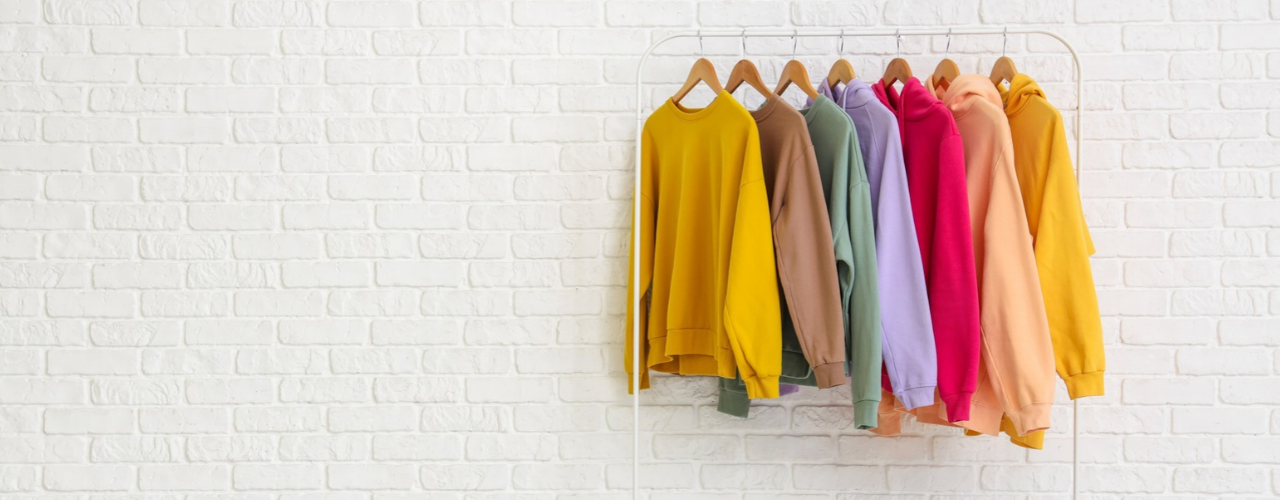
Sweatshirt Storage Ideas Worth Keeping Up Your Sleeve
Sweatshirts are great until you realize how much room they take up. A few thick hoodies can fill a drawer fast, with lighter crewnecks getting squashed underneath or pushed somewhere you forget about. Good sweatshirt storage can make that pile much easier to manage without requiring a bigger closet.
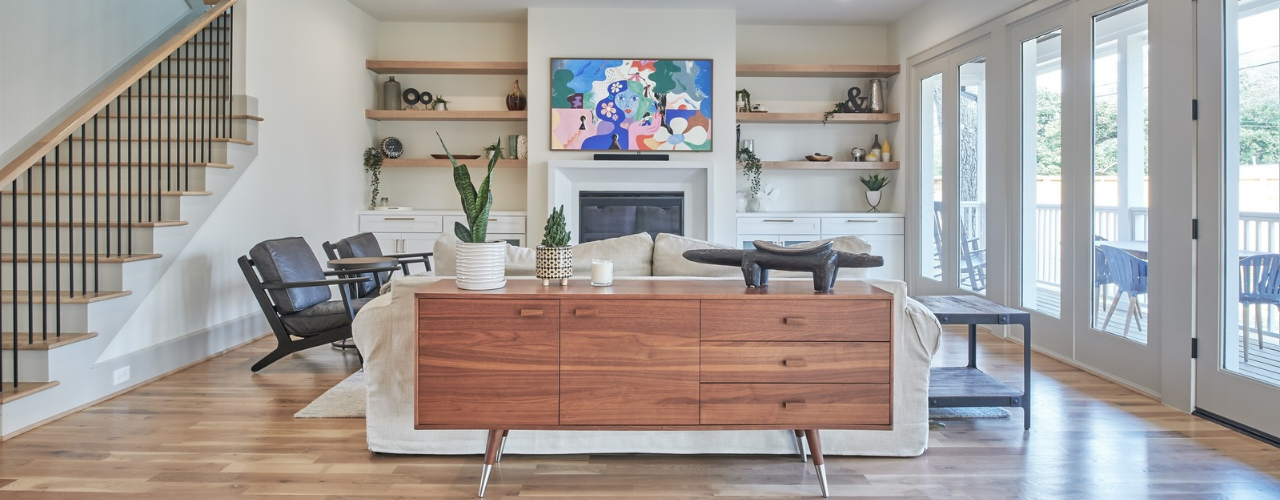
Living Room Storage Ideas: 28 Ways to Reclaim Your Hosting Space
If a living room is where most of a household’s living happens, good storage should be the top priority for setting up or revamping the place. After all, think of how easier it would be to have people over when tidying up the place is just a matter of putting things in their right place (in a time when fewer and fewer people are entertaining friends at home(opens in new tab)). The trick is making room for all those wayward clothes, blankets, chargers and other small things that end up on (or, inexplicably, in) the sofa. Here are 28 living room storage ideas to get you started and make tidying up a quick affair.
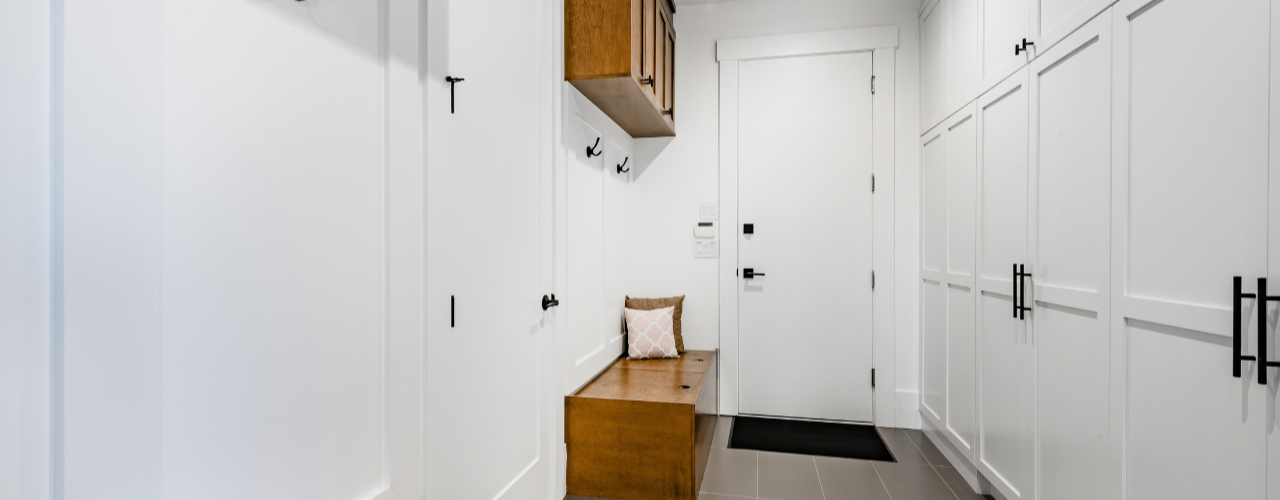
25 Mudroom Storage Ideas (And Mistakes to Avoid)
When you come home with muddy boots, an armful of bags and a coat you can’t wait to take off, it’s nice to have somewhere to put it all. With a mudroom, you can leave the outdoor mess at the door instead of carrying it through the house. Traditionally, you’d set aside a separate room, but you can just as easily use a hallway, an entryway closet, a laundry-room corner or a stretch of wall near the entrance.
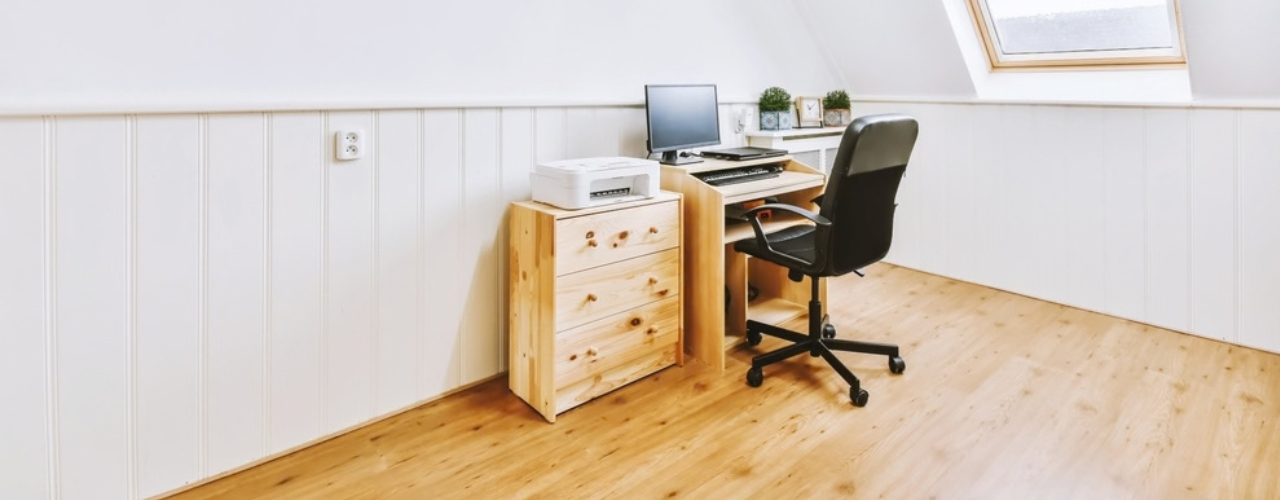
Is Your Home Office Worth the Rent? What Coworking and Self Storage Could Save You
Every square foot of your apartment comes with a price tag, and a home office claims more of them than most renters expect. It starts with a desk. Then come the second monitor, the printer, the filing cabinet and the overflow boxes. Before long, the corner you set aside for work has turned into a small room you are paying for every month.
Best U.S. Cities to Live Uncluttered: Plano, TX, Offers the Most Room to Breathe
Clutter is in our homes as much as in our heads. Both are shaped by where we live.
America’s Top Snowbird Destinations for 2026–2027: Florida Leads in Numbers, Texas Wins on Value
For Americans living in colder states, the approach of winter is reason enough to start looking south. Cold weather carries costs that go beyond the heating bill and shoveling snow. Seasonal affective disorder(opens in new tab) is far more prevalent in northern states, so a temporary move south isn’t simply an escape from the cold, but a chance to spend the hardest stretch of winter outdoors and in the sun.
How Much Does Halloween Really Cost in 2026? Plan Wisely to Avoid the Scare of Hidden Costs
Americans’ love for Halloween is almost frightening — this year alone, we are on our way to spending $13.5 billion, according to data from the National Retail Federation(opens in new tab). That breaks down to about $115 Halloween costs per person, a whopping 49% more than 10 years ago.
How to Store LEGOs: All the Fun, None of the Clutter
How to store LEGOs largely comes down to how your household uses them. If the bricks are part of everyday play, you need a setup that keeps them within easy reach and makes cleanup quick (for your feet’s sake, at least). Toy storage(opens in new tab) such as simple bins, playmats or containers that children can put away themselves may be enough. Larger or more serious collections usually need more organization, such as labelled drawers for loose pieces, trays for unfinished builds, shelves for completed models and separate storage for retired sets.
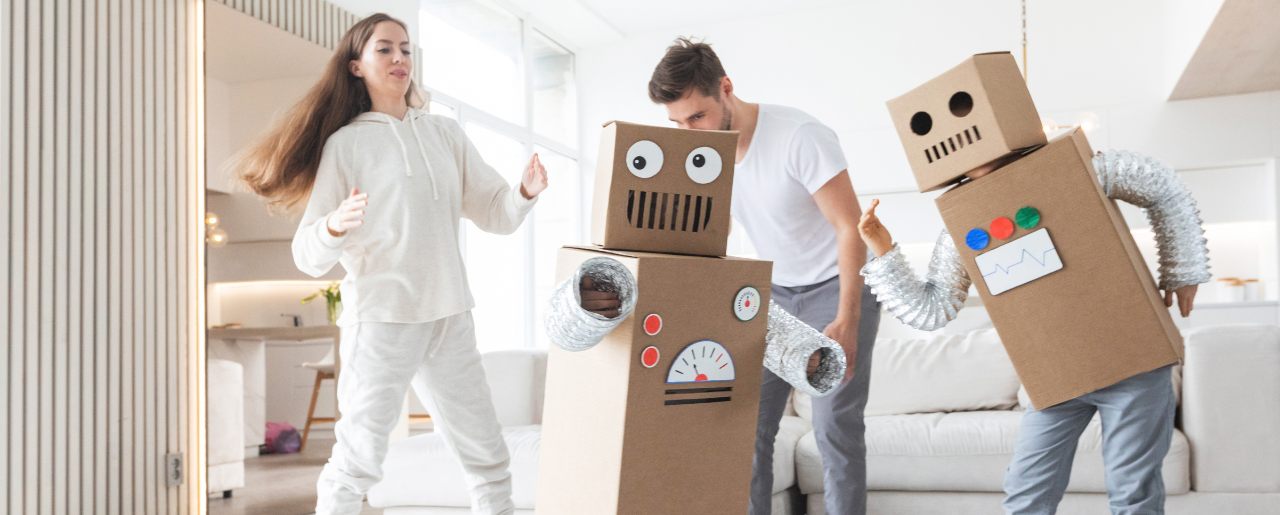
Cardboard Costume Guide: Tips and Ideas for a DIY Halloween
Whether for kids or adults, cardboard costume ideas often make the biggest splash once materialized, and that’s for a simple reason: doing a lot with a little is a universally impressive feat (especially in this economy). If you don’t have enough boxes you could temporarily repurpose, don’t worry! There are many places where you can find free moving boxes(opens in new tab), from stores and supermarkets to online groups and recycling drop-off spots. On the run? Try your luck at a self storage(opens in new tab) facility that sells moving supplies, often for cheap. This way, you can choose moving boxes of different shapes and sizes(opens in new tab), so you can make your costumes as complex as you want.