

The self storage industry is in a better spot than other sectors such as brick and mortar retail or tourism, which have been severely hit by the coronavirus pandemic.
As college students were forced to pack up their stuff and leave campuses at short notice, and many young people decided to return to their parents’ homes for the quarantine, a self storage unit became the best place to deposit their belongings. Moreover, millions of employees needed to create space for a home office, which also resulted in an increased demand for self storage.
Under such circumstances, it’s essential for self storage businesses to ensure safe, high-quality services and to demonstrate that they are dedicated to the community they serve. Here are some of the things self storage operators can do to help their customers during the coronavirus pandemic.
1. Ensuring that the facilities are safe and healthy for customers and staff
Self storage is an important service for millions of customers throughout the United States, but in order for operators to be able to keep facilities open under pandemic conditions, they need to ensure a safe and healthy environment for everyone. Measures such as disinfecting all the surfaces and the equipment, plus training employees on how to reduce the risks of transmitting the virus, are mandatory.
Colin Treat, a representative of Doorage.com, an operator providing self storage units in the Chicago, Milwaukee and Madison areas, details how they are managing the current situation: “Given the evolving situation around the Coronavirus (COVID-19), we are taking active measures to ensure client and team safety. All facilities have been given specific instructions on reducing the transfer of the virus from surfaces.”
“All trucks and equipment are being sanitized multiple times every day. All warehouse and field team members have been given proper supplies such as sanitizing sprays, hand sanitizer, and gloves. All field employees have been given specific instructions to avoid transmission of COVID-19 including distancing, avoiding all physical contact, and self-reporting any health concerns,” added Doorage.com representative Colin Treat.
2. Supporting customers through discounts, waivers, and more
For many Americans, this situation is sensitive not only in terms of health, but also from a financial perspective. Tens of millions of people lost their jobs, and many others are worried about the future. Under these circumstances, gestures such as leniency about payments or postponing auctions go a long way to helping people out, and you might gain your customers’ loyalty in the long term.
Extra Space Storage, a nationwide operator providing self storage units in Washington, DC, Puerto Rico and 40 US states, announced on their website that they will be delaying any auctions and are encouraging stores to be lenient about late fees during this time.
College students needed self storage this spring more than ever. Due to safety measures being taken by most universities, many families have found themselves in difficult situations. Many students have been instructed to leave campus within a week, leaving them with a short and unexpected window in which to deal with all their stuff.
Making sure they had enough time to store their belongings but also offering discounts was how many self storage operators decided to help this category of customers. “We have expanded hours to 7:30 am until 8:30 pm CST. We have added an additional delivery and pickup window of 7 pm to 10 pm on top of our standard service windows. All student orders are going to be 10% off,” added Colin Treat from Doorage.

3. Promoting social distancing measures
Social distancing measures recommended by authorities are our main weapon against the coronavirus pandemic, and the public and all businesses, self storage included, need to follow them as closely as possible. Self storage operators must instruct their employees to report any health-related concerns and to stay home if they show any symptoms of respiratory disease. It’s equally important to let customers know they have to postpone any visits to a self storage facility if they have been exposed to COVID-19 or if they have any symptoms typical of it.
Other measures that can be taken during this period include installing kiosks that limit the need for customers and employees to interact, and providing face masks, gloves and disinfectants for both staff and visitors. In case direct communication with a customer at the facility is necessary, it should be done from a distance of at least 6 feet and from behind some type of acrylic sneeze guard.
4. Going online as much as possible
Facilitating online operations is another way that self storage operators can help their customers during the coronavirus pandemic. The vast majority of facilities already allow renting a self storage unit online and paying the monthly rate the same way. Self storage operators that don’t yet have a strong online presence could also dedicate some time and resources to improving this side of their business.
Being connected to customers’ and communities’ needs and taking steps to provide safe and uninterrupted services will help the self storage sector navigate the uncertain waters we’re dealing with successfully and emerge stronger from this crisis.



How to Store a Boat in Self Storage: Types, Costs & What to Look For
Storing a boat in self storage comes down to four decisions: how far the facility is from your launch point, what type of storage suits your climate (outdoor, covered, or indoor), how to prepare the boat before storing it, and whether the facility’s security and access hours fit how you use your boat. First-time owners who think through these factors before signing a lease tend to get significantly more use out of their boat.

Best RV Destinations in the U.S. (2026): Oceanfront Drives Beat America’s Usual RV Favorites
A new kind of traveler is reshaping the RV campground: younger, plugged in and rarely fully off the clock.
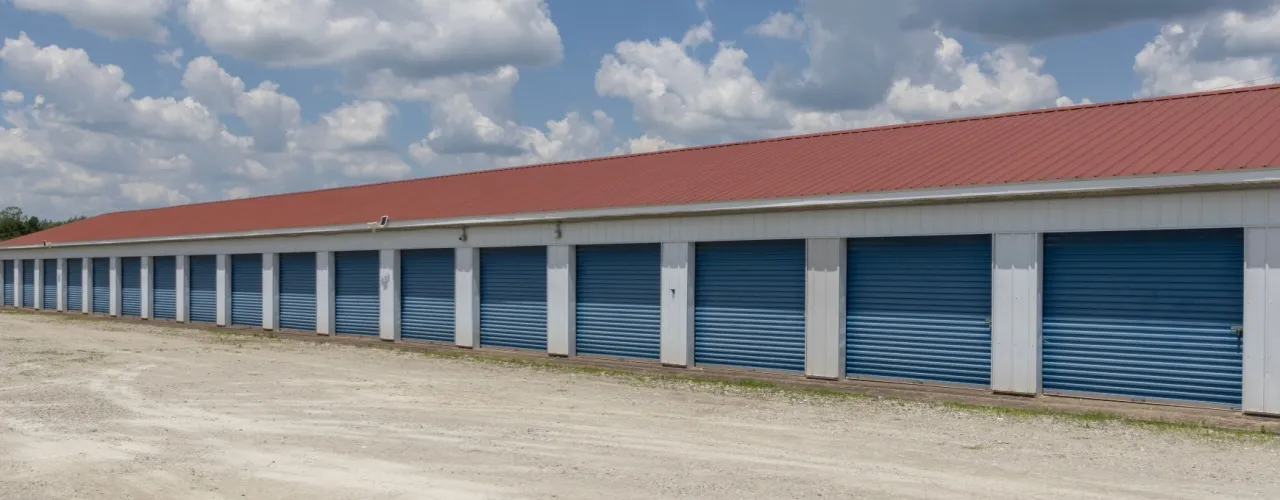
Temporary Storage During Emergencies: What to Know Before You Need It
When a hurricane’s bearing down, a wildfire is closing in, or floodwater has already reached your front door, the last thing you want to be doing is figuring out where to put your stuff – but that’s exactly when people find themselves scrambling for temporary storage.

Where to Donate Furniture in NYC (With Free Pick-Up Options)
Finding somewhere to donate furniture in NYC is more complicated than it should be. Not every organization accepts large items, pick-up availability is inconsistent, and the options that do exist aren’t always easy to find in one place. If you’re specifically hoping to donate furniture with free pick-up, the list of options gets even shorter.

Clean Out, Give Back: Where to Donate Clothes in Los Angeles
Few cities reinvent themselves like Los Angeles, and wardrobes tend to follow suit. Between changing seasons, evolving trends and an endless calendar of occasions worth dressing for, closets fill up fast, making the question of where to donate clothes in Los Angeles one that most Angelenos eventually find themselves asking.

How to Store Shoes Based on Your Personality
Your shoe closet is lying — not about how many pairs you own (that number is likely higher than you’d admit), but about who you are. The way you approach shoe storage, or avoid it, is one of the more honest reflections of your personality that exists in a home.
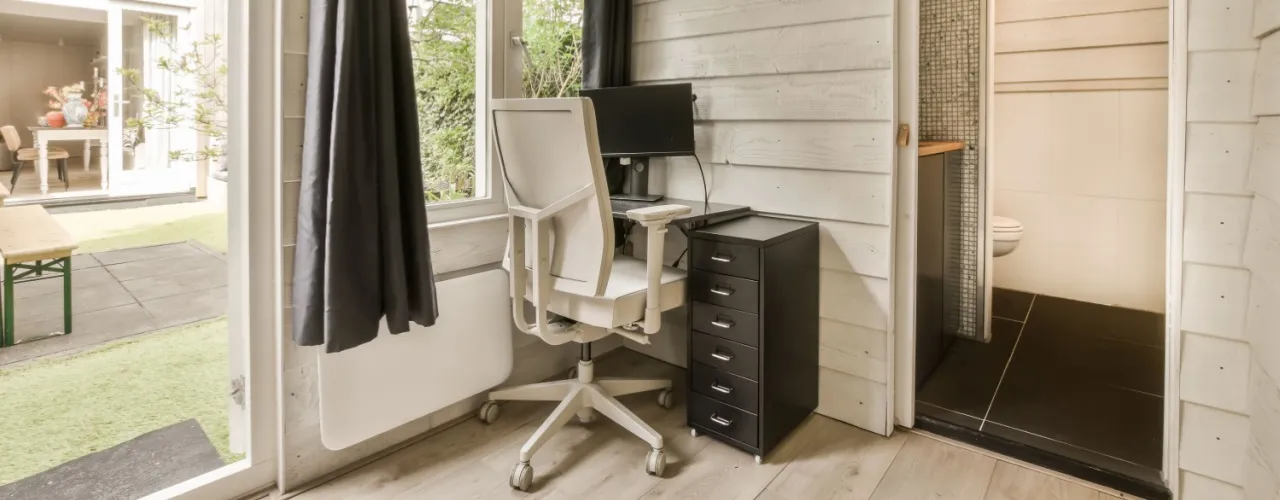
Tiny Home Storage Ideas for Every Nook and Cranny
Tiny home storage is one of those challenges that sounds straightforward until you’re standing in 200 square feet wondering where the winter coats are supposed to go. You didn’t downsize for the storage anxiety — you did it for the coziest place you’ve ever called home, a wallet that finally feels lighter, and a minimalist lifestyle that suits you just fine.

Best States for Electric Vehicles (2026): The West Leads EV Adoption, Oklahoma Speeds Up
Last updated: June 22, 2026.
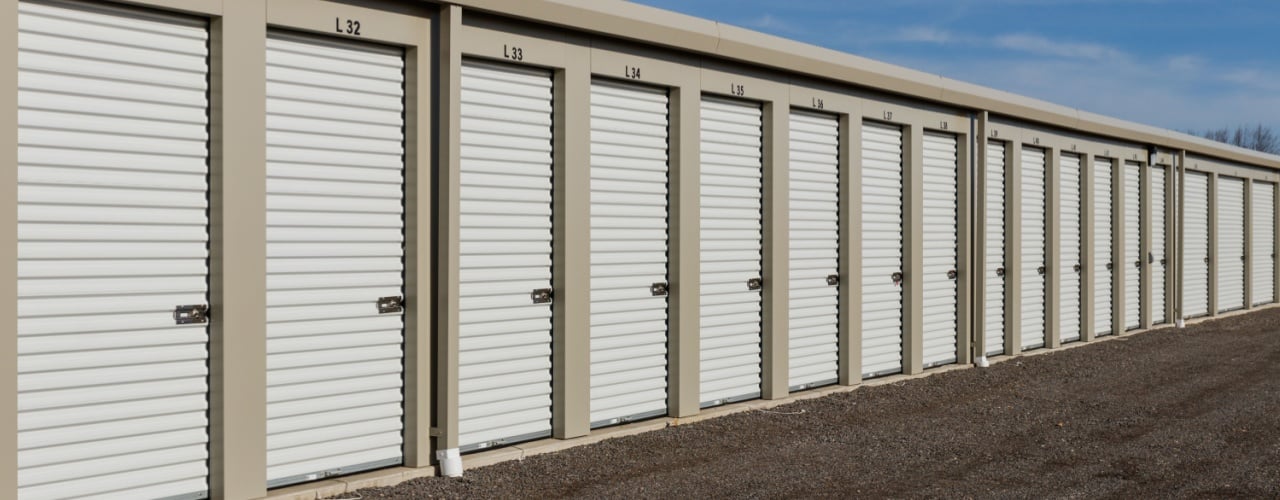
Self Storage Discounts: Types, Tips and How to Get the Best Deals for Your Needs
When you start looking for a self storage unit to rent, one thing becomes clear very quickly: self storage discounts are a standard part of the industry. From introductory specials to military savings and online-only rates, operators frequently offer promotions designed to make renting a unit more affordable and flexible.