
The Billion-Dollar Self Storage Markets: America’s Top 10 Metro Heavyweights In 2025

Self storage has cemented its place as one of the most resilient corners of commercial real estate, serving everyone from city dwellers in compact apartments to suburban families on the move and businesses seeking flexible, cost-effective space. But some markets stand out far more than others.
Across the U.S., a handful of metro areas hold self storage inventories worth billions of dollars, driven by their huge populations, relentless demand, and elevated rental rates. In these urban hotspots, self storage isn’t just a convenience — it’s a lifeline. Tight living spaces, soaring housing costs, frequent relocations, and a thriving small-business sector all combine to keep facilities full and values climbing.
Here’s a look at the top 10 U.S. metro areas by self storage market value in 2025, based on the average sale price per square foot and the total local inventory in each market.
1. New York-Newark-Jersey City, NY-NJ-PA
- Market Value: $22.5 Billion
- Sale Price per Square Foot: $303
New York stands as the undisputed leader in self storage market value, with its total inventory — more than 74 million square feet — collectively worth over $22 billion. This figure reflects not only the sheer scale of facilities across the metro but also the exceptionally high sale prices properties command in one of the world’s most competitive real estate markets. The sale price per square foot in the New York metro area stands at $303, one of the highest nationally, second only to Urban Honolulu.
Space of any kind comes at a premium in New York. Compact apartments, limited closets, and some of the highest housing costs in the nation fuel a steady, reliable need for storage. For many residents, paying for extra square footage isn’t a luxury: It’s a necessity, whether to stash seasonal wardrobes, sports gear, or simply the overflow of urban life.
Facilities reflect the region’s density, with towering, multi-story buildings squeezed into Manhattan and the outer boroughs, complemented by sprawling complexes in suburban New Jersey and Long Island, where land is more accessible. Yet adding new supply remains a major challenge. Developers face restrictive zoning, lengthy approval processes, and some of the steepest land and construction costs in the country, all of which slow the pipeline even as demand pushes property values higher.
2. Los Angeles-Long Beach-Anaheim, CA
- Market Value: $12.5 Billion
- Sale Price per Square Foot: $193
Greater Los Angeles boasts a $12.5 billion self storage market, a reflection of both its massive population and its famously tight housing supply. This sheer market value shows how important self storage has become in a region where real estate is at a premium and space, whether living or storage space, is scarce.
Demand spans the metro’s densely packed urban neighborhoods, like Koreatown and Echo Park, where older housing stock and compact apartments leave little room for storage, to the sprawling suburbs of the Inland Empire, where even newer homes tend to offer less space than in past decades.
And self storage isn’t just serving households. Small businesses, creative professionals, and online sellers increasingly rely on self storage for flexible, affordable space, a practical alternative in a market where traditional commercial real estate carries steep costs. All of these factors contribute to Los Angeles standing as one of the country’s most valuable and attractive self storage markets, with strong fundamentals supporting that multibillion-dollar figure.
3. Miami-Fort Lauderdale-Pompano Beach, FL
- Market Value: $11.1 Billion
- Sale Price per Square Foot: $256
South Florida’s self storage market is now valued at over $11 billion, making it the third most valuable in the nation. This figure reflects both the large concentration of facilities across Miami, Fort Lauderdale, and Pompano Beach and the premium sale prices these properties command in a region where storage demand remains consistently strong. The Miami metro area recorded $166 million in self storage property sales in 2024 alone, with the sale price per square foot, at $256, being the fourth highest among the country’s major metro areas.
That appeal stems from South Florida’s unique housing landscape. Miami’s condo-heavy, high-rise environment leaves residents with little storage space at home, creating a constant need for off-site options. The region also draws a steady influx of newcomers, from retirees downsizing to remote workers and international buyers establishing second homes. With storage units in use year-round, these dynamics help drive rising property values and investor confidence, even as new facilities continue to open.
4. Dallas-Fort Worth-Arlington, TX
- Market Value: $9.6 Billion
- Sale Price per Square Foot: $121
The Dallas–Fort Worth metroplex’s self storage market carries a valuation of nearly $10 billion. Investors are willing to pay for properties here thanks to a combination of steady demand, strong rental performance, and a rapidly expanding customer base.
DFW’s growth is anchored by fast-developing suburbs like Frisco, McKinney, and Mansfield, where new housing, shopping centers, and corporate campuses continue to spring up. Families and newcomers frequently turn to storage during moves, renovations, or while adjusting to new homes, a dynamic that helps keep demand high.
To meet this demand, developers have delivered a steady pipeline of multi-story, climate-controlled facilities, catering to the metro’s increasingly affluent population. Even as new supply enters the market, occupancy rates remain solid, supporting both rental income and the elevated property values that make DFW one of the most attractive self storage markets for investors nationwide.
5. Houston-The Woodlands-Sugar Land, TX
- Market Value: $7.9 Billion
- Sale Price per Square Foot: $102
Houston’s self storage market, priced at $7.9 billion, is driven by the premium prices facilities fetch in sales thanks to the metro’s steady demand and investor-friendly fundamentals. The city’s sprawling growth and diverse economy continue to attract both new residents and businesses, sustaining strong rental performance across the market.
The permissive zoning regulations in the Houston metro area give developers more flexibility in where and how they build, allowing facilities to serve growing residential corridors like Katy, Cypress, and Pearland as well as industrial and commercial hubs.
Houston’s large population of entrepreneurs and small businesses also drives demand, as many use storage as a cost-effective alternative to traditional commercial space. These overlapping demand drivers, spanning from households to businesses, help keep occupancy rates healthy and support the high sale prices that underpin Houston’s multi-billion-dollar self storage market value.
6. Phoenix-Mesa-Chandler, AZ
- Market Value: $7.1 Billion
- Sale Price per Square Foot: $182
Greater Phoenix’s self storage market is worth $7.1 billion. This multibillion-dollar valuation reflects not only the volume of facilities, with development in the area going strong for decades now, but also the strong investor appetite for assets in a metro where demand for storage shows no sign of slowing.
Phoenix has become a magnet for newcomers, drawing waves of residents from higher-cost states such as California and Washington. This influx fuels suburban growth in areas like Gilbert, Peoria, and Queen Creek, where new housing developments continue to rise and relocating families and professionals often rely on storage as they transition and settle.
Most facilities here feature climate-controlled units, essential for safeguarding belongings against Arizona’s extreme heat, a feature that further supports their elevated sale prices and enduring value within this rapidly expanding market.
7. Atlanta-Sandy Springs-Alpharetta, GA
- Market Value: $7.0 Billion
- Sale Price per Square Foot: $137
Metro Atlanta’s self storage market, estimated at $7 billion, reflects not just population growth, but also the market’s broad, diversified demand base that appeals strongly to investors. Atlanta’s position as a logistics, corporate, and cultural center attracts businesses, entrepreneurs, and contractors who increasingly rely on self storage as a flexible, lower-cost alternative to traditional commercial real estate.
This demand is layered atop the steady flow of households moving into redeveloping urban areas like Midtown and expanding suburbs in Gwinnett and Cherokee counties, where storage helps bridge moves and manage tighter living spaces. It’s this mix of users, from families to small businesses, and the region’s role as a regional powerhouse that underpins the strong investor appetite and elevated sale prices making Atlanta’s self storage market a heavyweight.
8. Washington-Arlington-Alexandria, DC-VA-MD-WV
- Market Value: $6.3 Billion
- Sale Price per Square Foot: $187
The Washington, D.C., metro’s self storage market, hovering around at $6.3 billion in terms of valuation, is defined by its high-income, highly mobile population. The prices that self storage facilities fetch in the area reflect investor confidence in a market where demand is sustained by an unique economic and professional landscape.
Government agency relocations, military transfers, and the constant movement of public employees, contractors, and private-sector professionals create a steady churn of households needing storage, both in the urban core and across suburban markets. High-density areas such as Arlington and Alexandria favor multi-story, climate-controlled facilities, designed to maximize space where land is scarce and costly.
Despite elevated development costs, developers continue to bring new projects online, knowing the D.C. metro’s mix of affluent households, transient professionals, and small businesses provides reliable, long-term demand, the foundation for the elevated property values that make this one of the nation’s most attractive storage markets.
9. San Francisco-Oakland-Berkeley, CA
- Market Value: $5.9 Billion
- Sale Price per Square Foot: $252
The Bay Area’s self storage market, assessed at nearly $6 billion, reflects one of the most challenging real estate environments in the country. This valuation reflects a market where demand is resilient, land is scarce, and investors are willing to pay a premium for properties that can operate profitably despite high barriers to entry. The sale price per square foot, at $252, is the fifth-highest nationally.
With sky-high housing costs, compact living spaces, and frequent job turnover among tech professionals, storage has become a key part of the housing equation for Bay Area residents. Yet developing new facilities is no easy feat. Strict zoning rules, soaring land prices, and community opposition make new projects difficult to bring online, creating a scarcity that helps drive self storage property values even higher.
10. Chicago-Naperville-Elgin, IL-IN-WI
- Market Value: $5.3 Billion
- Sale Price per Square Foot: $105
Greater Chicago’s self storage market amounts to over $5 billion, making it the only Midwestern city to rank among the nation’s top 10 by market value. Unlike the rapidly expanding Sunbelt metros, Chicago’s strength comes from its large renter population and consistent housing turnover, all of which create steady demand and support the premium sale prices facilities command.
Key suburban hubs like Naperville and Elgin continue to anchor demand, serving relocating families and residents downsizing within the metro. Although Chicago’s market expansion is more measured than in faster-growing regions, the metro area is steadily adding modern facilities across both the city and suburbs, ensuring the market keeps pace with evolving needs. This combination of scale, activity, and ongoing development helps maintain Chicago’s standing as a multi-billion-dollar, investor-friendly market.
Check out below the country’s top 100 most valuable self storage markets:


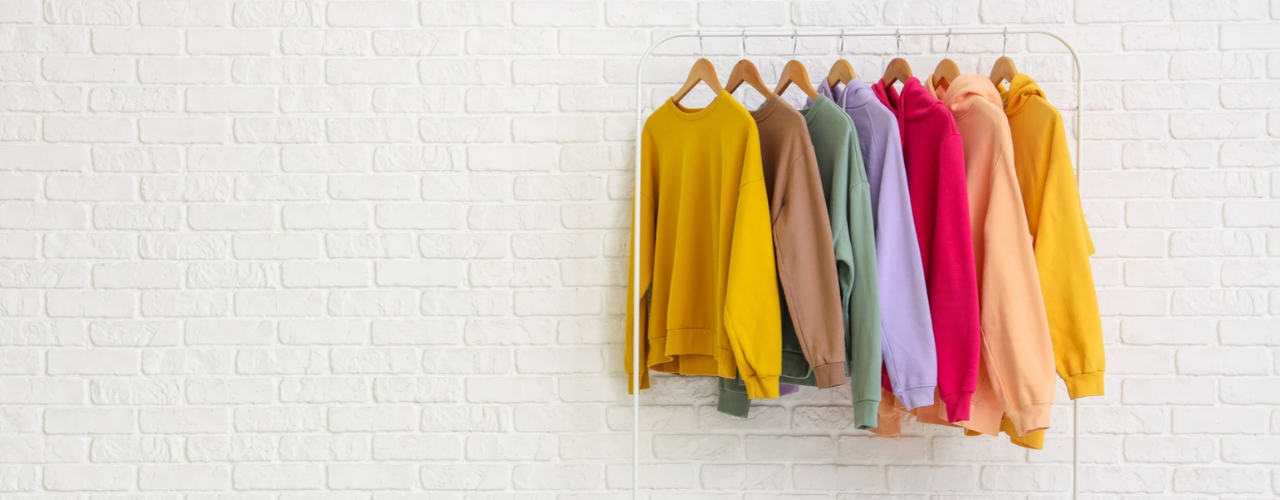
Sweatshirt Storage Ideas Worth Keeping Up Your Sleeve
Sweatshirts are great until you realize how much room they take up. A few thick hoodies can fill a drawer fast, with lighter crewnecks getting squashed underneath or pushed somewhere you forget about. Good sweatshirt storage can make that pile much easier to manage without requiring a bigger closet.
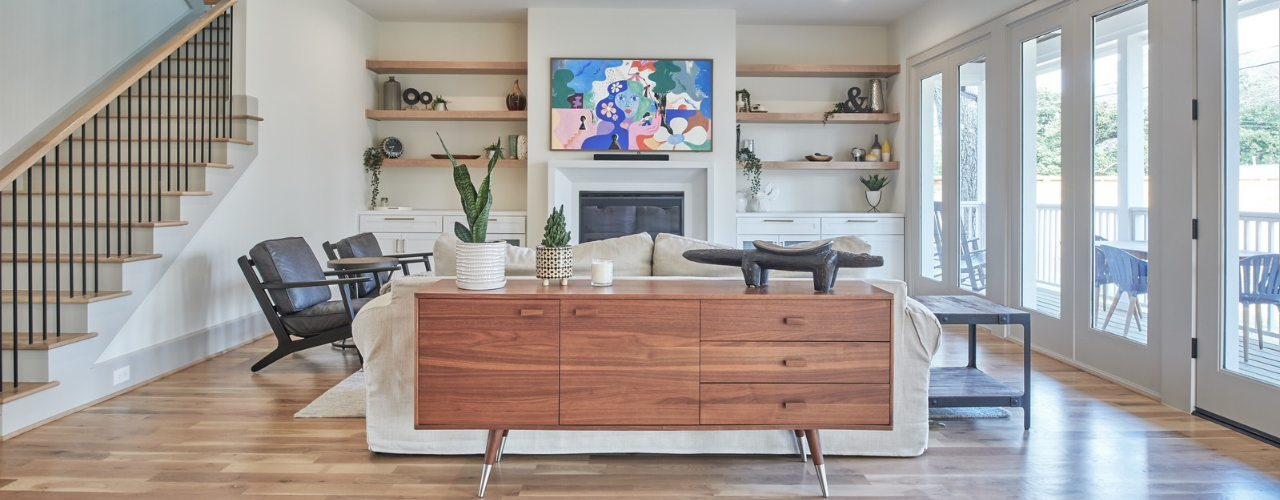
Living Room Storage Ideas: 28 Ways to Reclaim Your Hosting Space
If a living room is where most of a household’s living happens, good storage should be the top priority for setting up or revamping the place. After all, think of how easier it would be to have people over when tidying up the place is just a matter of putting things in their right place (in a time when fewer and fewer people are entertaining friends at home(opens in new tab)). The trick is making room for all those wayward clothes, blankets, chargers and other small things that end up on (or, inexplicably, in) the sofa. Here are 28 living room storage ideas to get you started and make tidying up a quick affair.
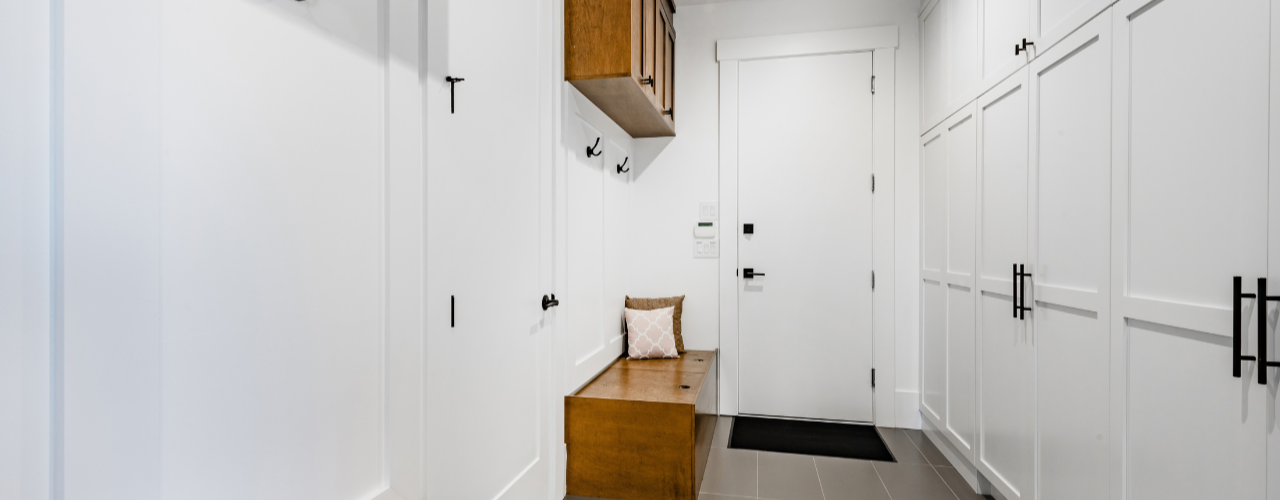
25 Mudroom Storage Ideas (And Mistakes to Avoid)
When you come home with muddy boots, an armful of bags and a coat you can’t wait to take off, it’s nice to have somewhere to put it all. With a mudroom, you can leave the outdoor mess at the door instead of carrying it through the house. Traditionally, you’d set aside a separate room, but you can just as easily use a hallway, an entryway closet, a laundry-room corner or a stretch of wall near the entrance.
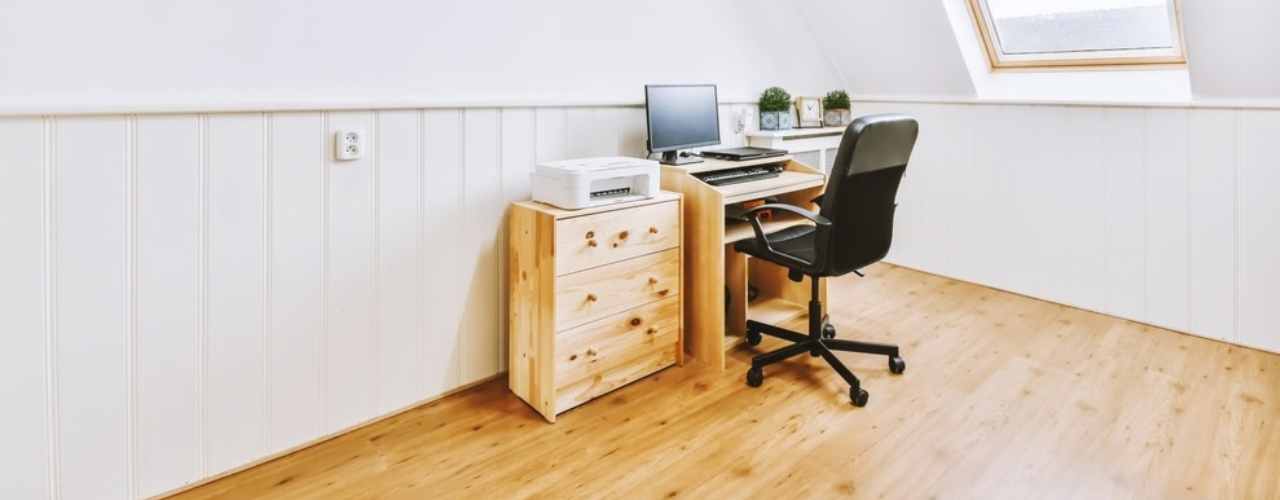
Is Your Home Office Worth the Rent? What Coworking and Self Storage Could Save You
Every square foot of your apartment comes with a price tag, and a home office claims more of them than most renters expect. It starts with a desk. Then come the second monitor, the printer, the filing cabinet and the overflow boxes. Before long, the corner you set aside for work has turned into a small room you are paying for every month.

Best U.S. Cities to Live Uncluttered: Plano, TX, Offers the Most Room to Breathe
Clutter is in our homes as much as in our heads. Both are shaped by where we live.

America’s Top Snowbird Destinations for 2026–2027: Florida Leads in Numbers, Texas Wins on Value
For Americans living in colder states, the approach of winter is reason enough to start looking south. Cold weather carries costs that go beyond the heating bill and shoveling snow. Seasonal affective disorder(opens in new tab) is far more prevalent in northern states, so a temporary move south isn’t simply an escape from the cold, but a chance to spend the hardest stretch of winter outdoors and in the sun.

How Much Does Halloween Really Cost in 2026? Plan Wisely to Avoid the Scare of Hidden Costs
Americans’ love for Halloween is almost frightening — this year alone, we are on our way to spending $13.5 billion, according to data from the National Retail Federation(opens in new tab). That breaks down to about $115 Halloween costs per person, a whopping 49% more than 10 years ago.

How to Store LEGOs: All the Fun, None of the Clutter
How to store LEGOs largely comes down to how your household uses them. If the bricks are part of everyday play, you need a setup that keeps them within easy reach and makes cleanup quick (for your feet’s sake, at least). Toy storage(opens in new tab) such as simple bins, playmats or containers that children can put away themselves may be enough. Larger or more serious collections usually need more organization, such as labelled drawers for loose pieces, trays for unfinished builds, shelves for completed models and separate storage for retired sets.

Cardboard Costume Guide: Tips and Ideas for a DIY Halloween
Whether for kids or adults, cardboard costume ideas often make the biggest splash once materialized, and that’s for a simple reason: doing a lot with a little is a universally impressive feat (especially in this economy). If you don’t have enough boxes you could temporarily repurpose, don’t worry! There are many places where you can find free moving boxes(opens in new tab), from stores and supermarkets to online groups and recycling drop-off spots. On the run? Try your luck at a self storage(opens in new tab) facility that sells moving supplies, often for cheap. This way, you can choose moving boxes of different shapes and sizes(opens in new tab), so you can make your costumes as complex as you want.