

You’re moving, so you already packed everything, rented a storage unit, and hired a truck. However, there’s still one important thing you must do – the USPS change of address– and that task should be completed by the time you actually start living in your new house.
Changing your USPS address in a timely manner protects you from missing important bills, deliveries, notifications, and so on. Once you have updated your address with the United States Postal Service, all the correspondence sent to your former address will be forwarded to the current one. Changing your USPS address is a pretty straightforward and simple process that can be done in a matter of minutes, so there are really no reasons to postpone it.
The USPS change of address can be done online
The simplest way to change your USPS address is by doing it online. Go to the dedicated page on the official USPS website and follow the instructions. First, you must choose between the different types of moving – individual, family or business. You also need to list your contact information – full name, phone number, and email address.
Then, you must tick the appropriate box for either a permanent or a temporary move and fill in your preferred mail forwarding date. The USPS mail forwarding date can’t be more than 30 days prior to the day when you are applying for the address change, or more that 3 months in advance of that day.
Pay extra attention and fill in your old address and the new one correctly – otherwise, you will be facing an entirely different set of problems. At one point, you’ll have to confirm your identity by making a $1 credit or debit card payment, so have your card information to hand.
You can also change your USPS address by phone. Call 1-800-ASK-USPS and complete the steps indicated by the phone operator. You’ll still have to pay the identity verification $1 fee. Before making the call, it’s a good idea to have all the necessary information – old address, new address, card details – written down, to avoid any mistakes.
You can complete the USPS address change at the post office as well
Another way of changing the USPS address is by visiting your local post office. Request a Mover’s Guide packet at the post office. The packet contains the PS Form 3575, instructions to help you fill it in, and different flyers and discounts to moving-related services.
The 3575 form is very similar to the online documents detailed above. Check the appropriate boxes for your situation – whether it’s an individual, family or business move, and a temporary or a permanent one. Write down the mail forwarding start date, and the date for discontinuing the service in case of a temporary move.
You also need to type in your full name, the old mailing address and the new one. Don’t forget to sign the form. Once you have filled in all that information, give the form to the postal worker helping you at the counter or simply put it into the letter mail slot. You will receive a letter to confirm the USPS address change at your new place after about a week. If you don’t get the letter, contact the post office and let them know about your situation.
Beware of scammers
The address change and the USPS mail forwarding service has a $1 identity verification fee if done online or by phone, and it’s completely free of charge if you go to the postal office. Beware of websites that offer to do it for you at a cost – there is absolutely no reason to pay $20 or $30 to change your USPS address.
Make sure that you fill in the USPS change address forms only on the official USPS website – there are unscrupulous sites that mimic how it looks in order to trick unsuspecting customers. If you’ve already done it and something feels amiss, monitor your bank statements closely during the following weeks. If your credit card is charged by more than $1 for the address change, it means you were the victim of a scam and you should contact the Better Business Bureau.
The USPS change of address is an important part of the moving process and shouldn’t be neglected. You can do it online or in person, and you can even complete the task in advance of the move, to avoid the hassle of important mail arriving late or even being lost.



Where to Get Moving Boxes in Philadelphia
Philadelphia’s historic charm can put your patience to the test on moving day. Between cobblestone streets, narrow rowhouse entrances and the occasional pothole, you don’t want to worry about not having enough boxes on top of it all. Start gathering your moving boxes early and you’ll have one less box to check off on packing day. Luckily, you have plenty of places to get your boxes from.

Art Supply Storage from A to Easel
Paint tubes, brushes, sketchbooks, scraps of paper, beads, half-used rolls of tape and that one very specific pen you swear you just had in your hand. Building up an art supply collection is rarely a neat process, and each new material brings its own storage needs.

Scary Good DIY Halloween Decorations That Won’t Haunt Your Wallet
A few floating candles in the hallway, a family of ghosts by the front door and a suspicious number of bats climbing up the bedroom wall can make October feel a whole lot spookier. While Halloween stores are full of tempting finds, some of the best DIY Halloween decorations can come from things you already have tucked away in drawers, closets or the recycling bin.
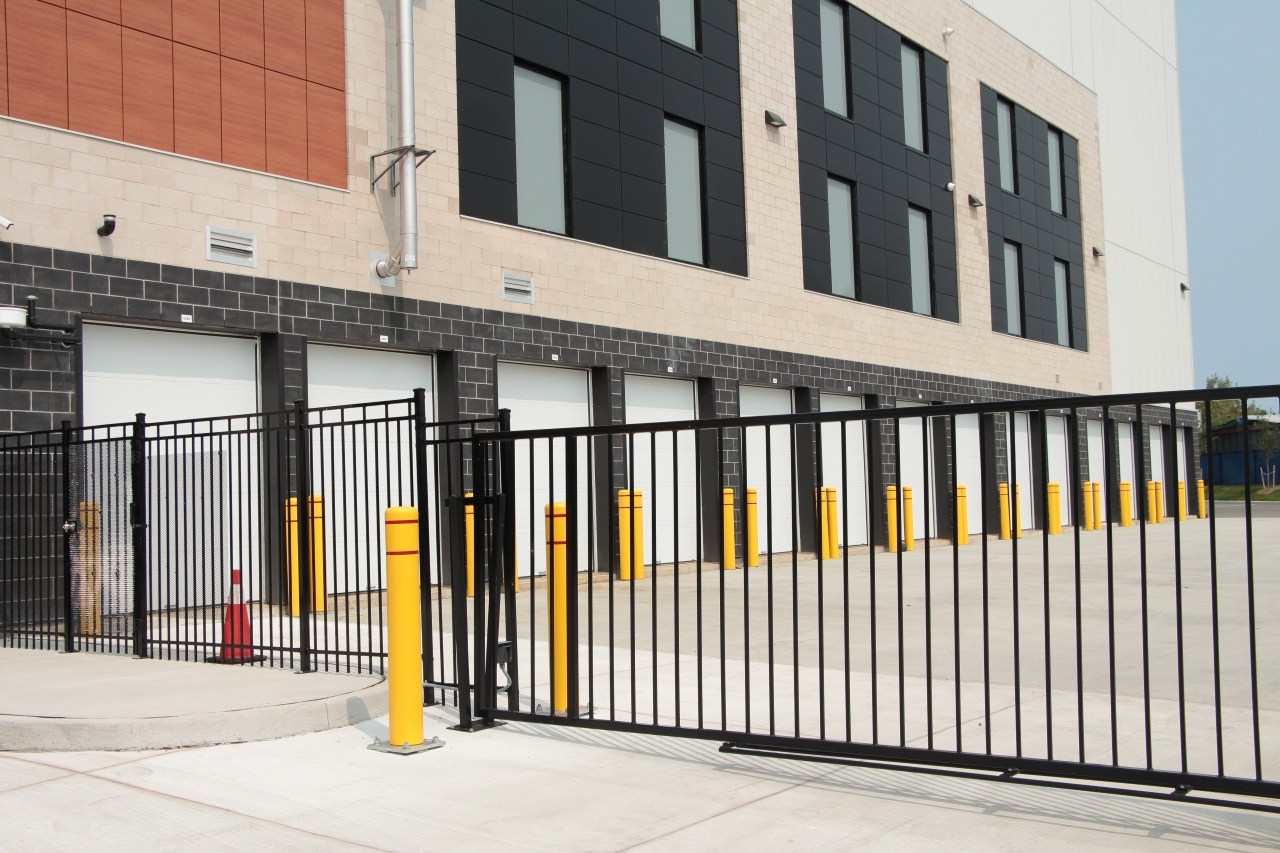
Suburban Giants and Urban Risers: Where America’s 100 Largest Metros Fall on the Self Storage Map
Self storage has long been a suburban story. Across America largest 100 metros, 59% of the inventory built over the past decade sits outside city cores, largely preserving the ratio of the total existing inventory.
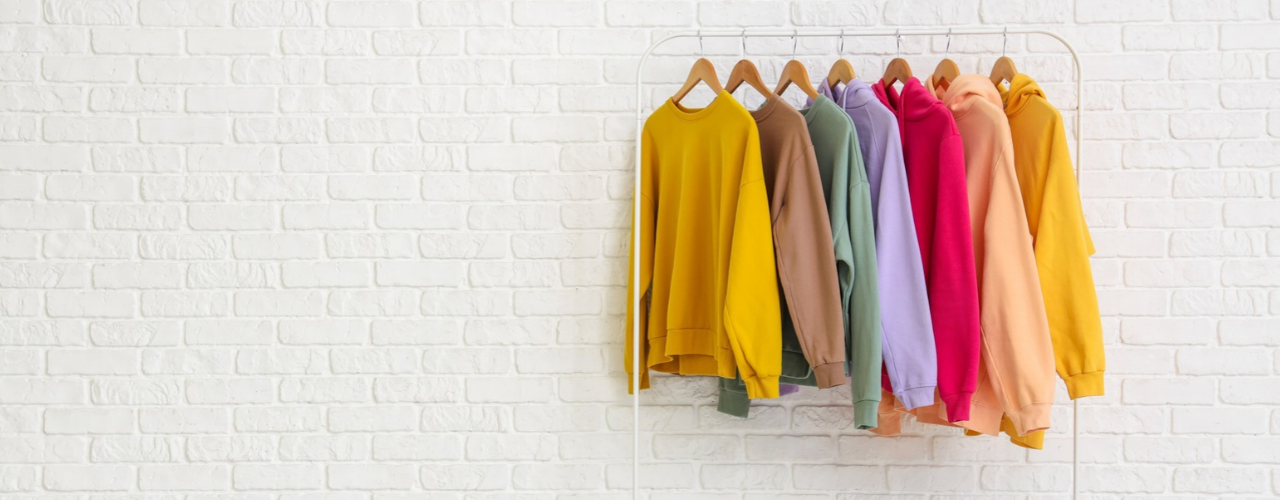
Sweatshirt Storage Ideas Worth Keeping Up Your Sleeve
Sweatshirts are great until you realize how much room they take up. A few thick hoodies can fill a drawer fast, with lighter crewnecks getting squashed underneath or pushed somewhere you forget about. Good sweatshirt storage can make that pile much easier to manage without requiring a bigger closet.

Living Room Storage Ideas: 28 Ways to Reclaim Your Hosting Space
If a living room is where most of a household’s living happens, good storage should be the top priority for setting up or revamping the place. After all, think of how easier it would be to have people over when tidying up the place is just a matter of putting things in their right place (in a time when fewer and fewer people are entertaining friends at home(opens in new tab)). The trick is making room for all those wayward clothes, blankets, chargers and other small things that end up on (or, inexplicably, in) the sofa. Here are 28 living room storage ideas to get you started and make tidying up a quick affair.
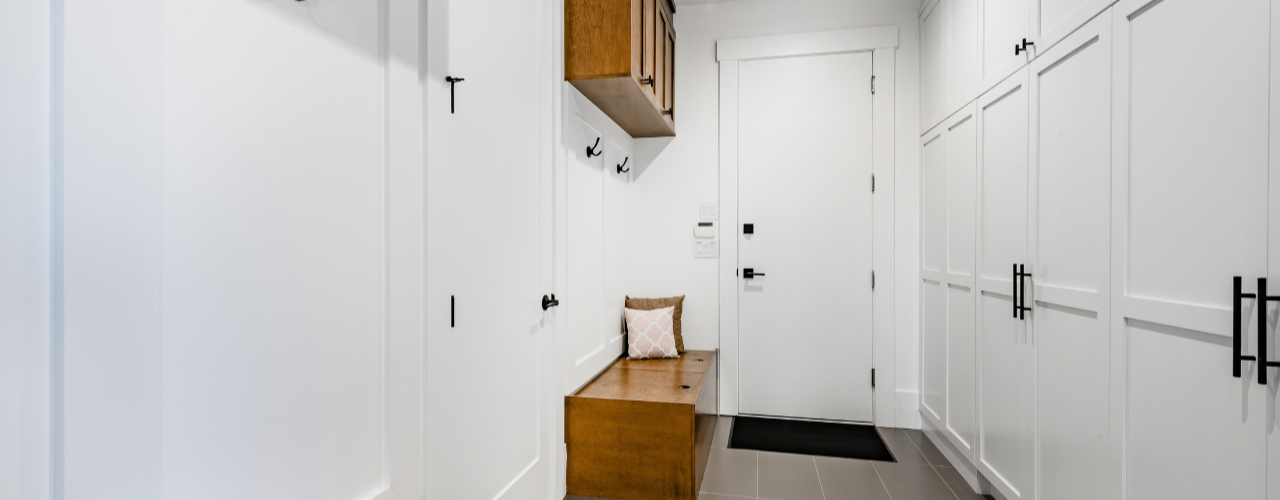
25 Mudroom Storage Ideas (And Mistakes to Avoid)
When you come home with muddy boots, an armful of bags and a coat you can’t wait to take off, it’s nice to have somewhere to put it all. With a mudroom, you can leave the outdoor mess at the door instead of carrying it through the house. Traditionally, you’d set aside a separate room, but you can just as easily use a hallway, an entryway closet, a laundry-room corner or a stretch of wall near the entrance.

Is Your Home Office Worth the Rent? What Coworking and Self Storage Could Save You
Every square foot of your apartment comes with a price tag, and a home office claims more of them than most renters expect. It starts with a desk. Then come the second monitor, the printer, the filing cabinet and the overflow boxes. Before long, the corner you set aside for work has turned into a small room you are paying for every month.

Best U.S. Cities to Live Uncluttered: Plano, TX, Offers the Most Room to Breathe
Clutter is in our homes as much as in our heads. Both are shaped by where we live.