

How to store wine properly depends on what you’re storing and how long you plan to keep it. A few bottles you’ll open soon don’t require the same conditions as wine meant to age for a year or more. The good news is that proper wine storage isn’t complicated. With a few simple adjustments, you can protect flavor, balance and aging potential. Whether you’re keeping a modest collection at home or exploring specialized self storage options, understanding the basics ensures your bottles remain in good condition until you’re ready to open them.
Storage matters more than you think
Wine is not a static product. Even after bottling, it continues to evolve. Temperature, light and movement all influence that evolution. Good storage allows a bottle of wine to age properly and reach its full potential. Poor storage speeds up the process and throws things off balance.
When people ask how to store wine, they often expect a long list of technical rules. In reality, it comes down to creating the kind of environment wine would choose for itself: cool, dark and stable.
“There are two major mistakes I see, one is from the newbies and the other from people with impressive wine cellars”, explains Keith Wallace, Sommelier Program Developer at National Wine School. “For newbies, it’s keeping wine in the kitchen or other high-traffic place. These are the worst possible spots, as the variation in temperature and light will harm the wines. People rightfully want to show off their wines, but it’s just not great for the long-term quality of the wines. Seasoned wine collectors do the same thing, though, and it’s shocking. So many collectors I know host dinners and tastings in their cellars, and again that behavior is also counter-productive for the wines.”, he added.
Stability is more important than hitting a very specific temperature
You’ll often hear that wine should be stored at around 55°F. That’s a useful reference point, but it’s not a magic number. “What matters most is that you treat your wine collection like you are growing mushrooms: keep them in the coolest, darkest place in your home and don’t keep touching them. As long as your wines don’t get overheated (i.e., over 76F), your wines will be fine for at least five years,” Wallace continues.
That said, keeping the temperature steady, even if it’s above the ideal 55°F threshold, is genuinely important. When a bottle warms up during the day and cools down at night, the liquid inside expands and contracts. Over time, that repeated movement can put stress on the cork and influence how the wine evolves.
That’s why kitchens aren’t great long-term storage choices. They’re convenient, but they’re exposed to daily temperature shifts and seasonal changes. If you have a pantry that stays fairly cool throughout the year, that can work well for a small collection. A basement can be excellent too, provided it doesn’t heat up in summer or get too cold in winter. A wine fridge offers even more control because it’s designed specifically to hold a steady temperature.
Can your kitchen fridge double as wine storage?
Many people naturally wonder whether the kitchen refrigerator can double as a wine storage solution. After all, it’s cold, it’s enclosed and already part of your home setup. It feels like it should work.
For short-term needs, it absolutely does. If you’re chilling a bottle before dinner or storing it for a few days, or even a few weeks, the refrigerator is perfectly practical. It keeps wine fresh enough for near-term enjoyment and protects it from light and heat.
Where the fridge falls short is long-term aging. Standard refrigerators are designed for food preservation, not wine development. They typically run colder than ideal for aging and create a much drier environment than cork-sealed bottles prefer.
So, if you’re planning to drink a bottle within days or even a few weeks, the fridge is convenient and completely reasonable. If you’re holding onto something special for years, it’s worth finding a more stable, wine-friendly environment.
From bottle position to humidity, other details also count
When people think about how to store wine, they usually focus on temperature and light. But bottle position and Ambiental humidity also play a role, especially if you’re storing wine for more than just a few weeks.
For bottles sealed with natural cork, storing them on their side is still the standard recommendation. The reason is simple: keeping the cork lightly in contact with the wine helps prevent it from drying out over time. A dried cork can shrink, which increases the risk of air slowly seeping into the bottle.
With screw-cap bottles, this concern is much less significant. The seal doesn’t rely on moisture in the same way, so whether the bottle is upright or horizontal isn’t nearly as important. If your collection includes a mix of closures, it’s generally safest to store cork-sealed bottles on their sides and not worry too much about the rest.
Humidity is another factor that tends to stay in the background but still matters. Extremely dry air, especially over long periods, can gradually compromise cork integrity. On the other hand, overly damp environments may affect labels but rarely harm the wine itself. Most homes fall somewhere in a moderate range, which works reasonably well for short- to medium-term storage.
If you’re building a collection intended for long-term aging, humidity control becomes more relevant. This is one reason wine-specific storage solutions — whether a high-quality wine fridge or a professional wine storage facility — focus not only on temperature stability but also on maintaining balanced air conditions. When bottles are stored for years rather than months, these small details start to carry more weight.
How to store champagne: What’s different
If you’re wondering how to store champagne, you should know that the fundamentals are similar to still wine, but champagne being a bit more sensitive, you need to pay extra attention to details.
Light is one of the biggest concerns, and prolonged exposure to bright light, especially sunlight, can gradually alter champagne’s quality. This is why so many good quality sparkling wine bottles come in darker glass or are packaged in boxes.
The simplest solution is to keep champagne in darker spaces. Inside a cabinet, in its original box, or in an enclosed wine fridge works well. The goal is to reduce consistent light exposure, especially if you’re holding the bottle for more than a short period.
Champagne is generally best stored slightly cooler than many red wines, but consistency remains more important than hitting a specific number. A steady, cool environment allows the wine to mature gradually and preserve its freshness. Frequent temperature changes, even if mild, are far more damaging over time than being a few degrees off from “ideal.”
Bottle position is another point that often causes confusion. A common belief is that Champagne must always be stored upright. In reality, upright storage is perfectly fine if you plan to drink the bottle soon. For longer-term aging, storing it on its side helps keep the cork in good condition, just as with cork-sealed still wines.
It’s also helpful to understand the difference between non-vintage and vintage Champagne. Most non-vintage bottles are crafted for earlier enjoyment and don’t necessarily require long-term aging. Vintage Champagne, on the other hand, can evolve beautifully over years if stored properly. If you’re not sure how long you’ll keep a bottle, it’s safer to store it under aging-friendly conditions from the start.
When your home setup isn’t enough
As your collection grows, storage stops being a small detail and starts becoming a real consideration.
At first, a shelf in a closet or a compact wine fridge may be more than enough. But over time, you begin buying with aging potential in mind rather than just immediate enjoyment, and what once felt manageable can start to feel cramped. “I have a friend whose entire basement is littered with wine boxes, stacked over the gym equipment and every imaginable space. Don’t do that”, further explains Wallace. “As a rule, if you find that you have six cases of wine just sitting around, it’s probably time to think about getting some wine storage. If you have more than 12 cases of wine, it’s time to consider off-site storage.”
Wine storage as a specialized self storage service
If you reach the point where your home setup simply isn’t enough, it’s helpful to know that wine storage has become much more accessible than many people assume.
Across the country, more than 500 self storage facilities now list wine storage as an amenity. That number reflects a simple reality: more people are collecting wine, and not everyone has the room or the right conditions at home to store it long term. If you’re exploring what’s available in your area, StorageCafe’s search filters makeit easy to find climate-controlled and wine-specific facilities near you.
That said, it’s important to understand what different types of storage actually offer. Many standard climate-controlled units are designed to keep everyday household items safe and stable. For short- to medium-term wine storage, that level of climate control can work reasonably well.
Where the distinction becomes more relevant is with long-term aging. Fine wine benefits from narrower, cellar-like temperature and humidity ranges over extended periods. If you’re storing valuable bottles for years rather than months, or building a collection specifically intended to mature, a wine-focused self storage facility that maintains tighter environmental controls may provide greater long-term consistency.
Wine-specific storage facilities are built with those needs in mind. They aim to maintain steady, cellar-style temperatures and balanced humidity levels, while limiting light exposure and minimizing vibration. Some also accept direct shipments from wineries or retailers, reducing the risk of temperature fluctuations during transport. In many ways, they function as an off-site extension of a personal cellar.
For someone holding a collection that has outgrown a standard wine fridge, specialized wine storage can offer flexibility without requiring structural changes at home. Rather than building a custom cellar, you’re renting a controlled environment designed to support aging.
And, when you finally open that bottle you’ve been saving, whether it’s next month or a decade from now, proper storage ensures that the experience matches your expectations. And that’s what makes the effort worthwhile.


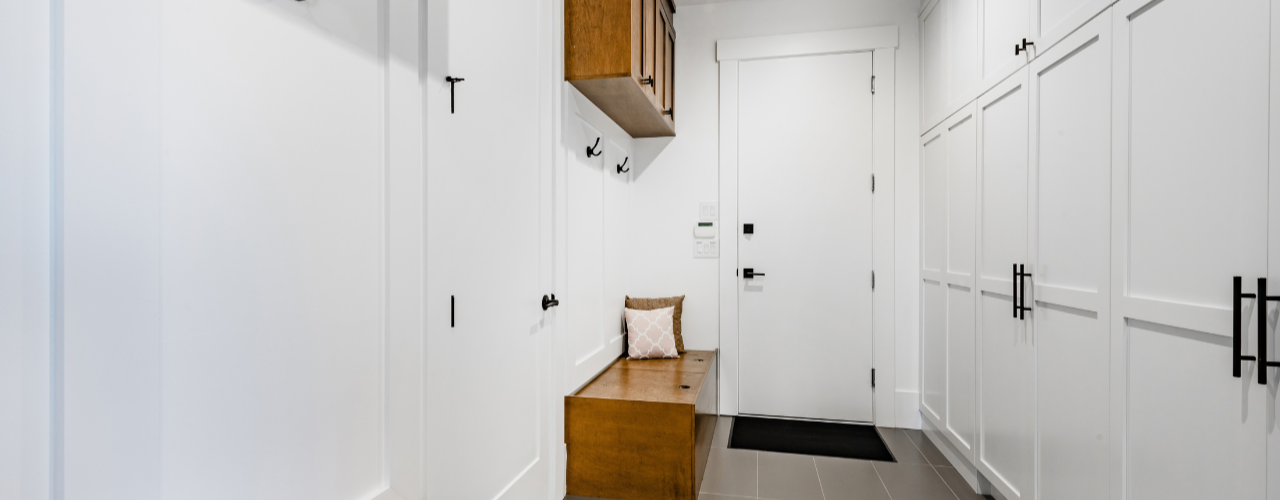
25 Mudroom Storage Ideas (And Mistakes to Avoid)
When you come home with muddy boots, an armful of bags and a coat you can’t wait to take off, it’s nice to have somewhere to put it all. With a mudroom, you can leave the outdoor mess at the door instead of carrying it through the house. Traditionally, you’d set aside a separate room, but you can just as easily use a hallway, an entryway closet, a laundry-room corner or a stretch of wall near the entrance.
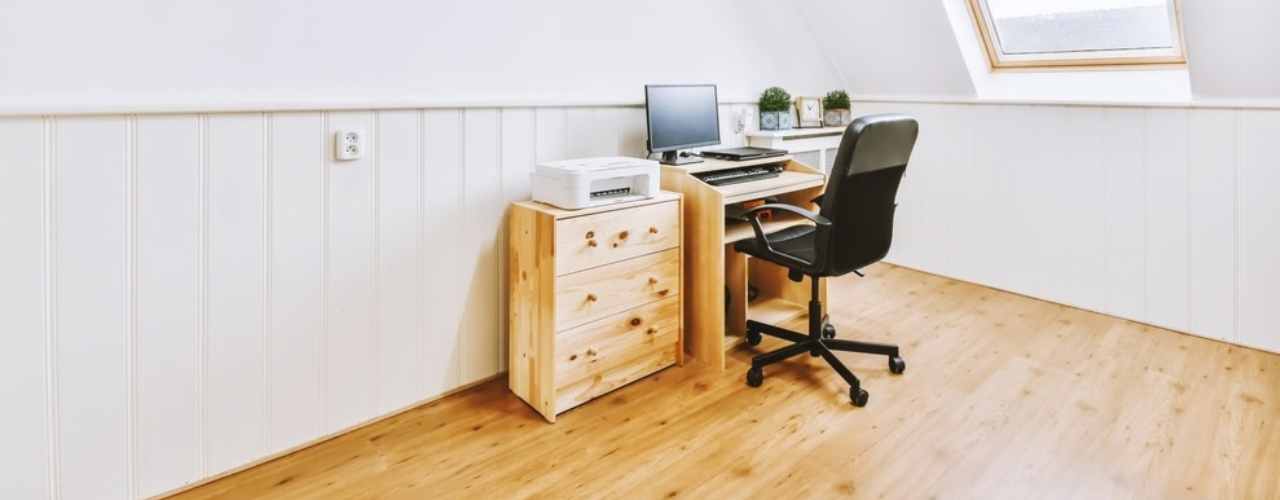
Is Your Home Office Worth the Rent? What Coworking and Self Storage Could Save You
Every square foot of your apartment comes with a price tag, and a home office claims more of them than most renters expect. It starts with a desk. Then come the second monitor, the printer, the filing cabinet and the overflow boxes. Before long, the corner you set aside for work has turned into a small room you are paying for every month.

America’s Top Snowbird Destinations for 2026–2027: Florida Leads in Numbers, Texas Wins on Value
For Americans living in colder states, the approach of winter is reason enough to start looking south. Cold weather carries costs that go beyond the heating bill and shoveling snow. Seasonal affective disorder(opens in new tab) is far more prevalent in northern states, so a temporary move south isn’t simply an escape from the cold, but a chance to spend the hardest stretch of winter outdoors and in the sun.
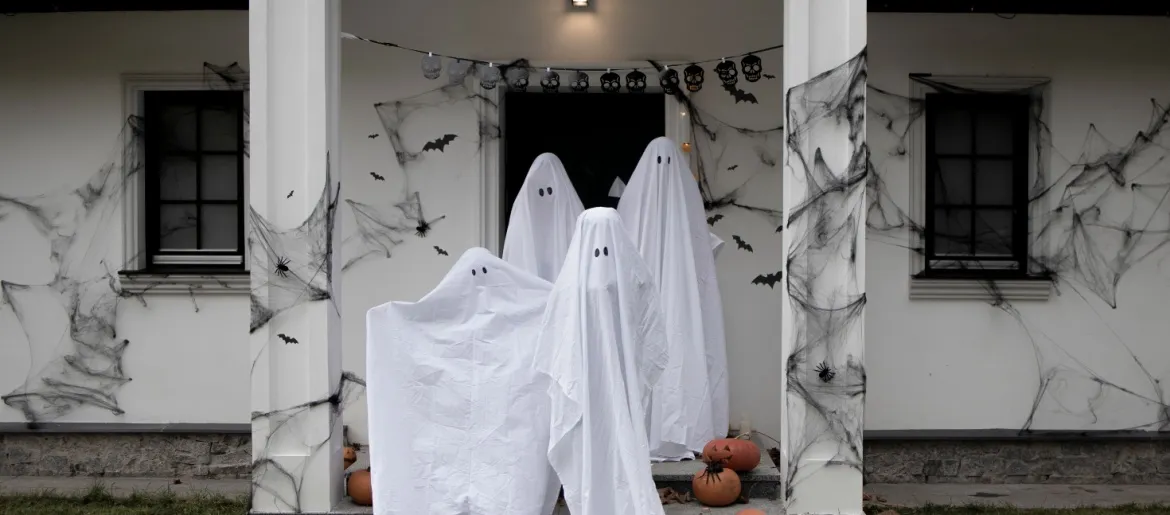
How Much Does Halloween Really Cost in 2026? Plan Wisely to Avoid the Scare of Hidden Costs
Americans’ love for Halloween is almost frightening — this year alone, we are on our way to spending $13.5 billion, according to data from the National Retail Federation(opens in new tab). That breaks down to about $115 Halloween costs per person, a whopping 49% more than 10 years ago.
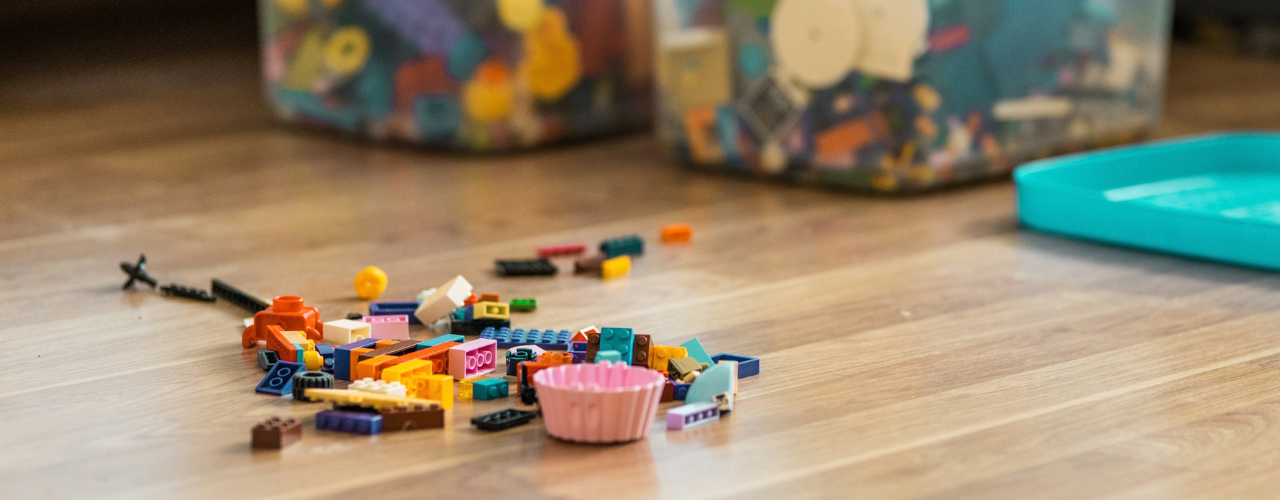
How to Store LEGOs: All the Fun, None of the Clutter
How to store LEGOs largely comes down to how your household uses them. If the bricks are part of everyday play, you need a setup that keeps them within easy reach and makes cleanup quick (for your feet’s sake, at least). Toy storage(opens in new tab) such as simple bins, playmats or containers that children can put away themselves may be enough. Larger or more serious collections usually need more organization, such as labelled drawers for loose pieces, trays for unfinished builds, shelves for completed models and separate storage for retired sets.

Cardboard Costume Guide: Tips and Ideas for a DIY Halloween
Whether for kids or adults, cardboard costume ideas often make the biggest splash once materialized, and that’s for a simple reason: doing a lot with a little is a universally impressive feat (especially in this economy). If you don’t have enough boxes you could temporarily repurpose, don’t worry! There are many places where you can find free moving boxes(opens in new tab), from stores and supermarkets to online groups and recycling drop-off spots. On the run? Try your luck at a self storage(opens in new tab) facility that sells moving supplies, often for cheap. This way, you can choose moving boxes of different shapes and sizes(opens in new tab), so you can make your costumes as complex as you want.

How to Celebrate Halloween: 9 Non-Spooky Ways To Enjoy It
As soon as October starts, it’s the official Halloween month. And while for many people it means it’s open season to get the scare of a lifetime, others, especially families with small children, might prefer to celebrate in a tamer way that’s both kid- and adult-friendly. While you’re likely to find more events where the spook factor is high, here’s how to celebrate Halloween in a not-so-scary way:

Motorcycle Storage Guide: How to Store Your Bike Safely
Motorcycles may be born to be wild, but eventually even the wild ones need somewhere to park. Whether riding season is winding down or your current living situation comes with plenty of square footage for you and less for your bike, motorcycle storage is one of those parts of ownership that doesn’t get as much airtime as the open road.

Halloween Decorating on a Budget (And Cheap Ideas for Everything Elsee)
Halloween has crept a long way from its eerie origins. While All Hallows’ Eve has transformed through the centuries, it wasn’t until the 1930s that trick-or-treating became a tradition in the U.S. and businesses began conjuring up mass-produced Halloween costumes. Now, Halloween is a monster-sized, billion-dollar industry, with a cauldron full of costumes and decorations ranging from the mainstream to the macabre. But is it all really worth your wallet? Maybe, but we’ll let you in on a little secret: You can keep your Halloween decorating on a budget and save on everything else, too. Take this plan and see it through!