

Smart technologies became an integral part of all aspects of our lives, helping us with everything, from working and entertainment to the more mundane tasks of cleaning and cooking. Smart kitchen appliances save us a lot of time and effort – your food cooks itself while you’re working, relaxing or even away from home, and your fridge makes shopping lists and places orders online.
If you’re tempted to smarten up your kitchen, make sure you have a good, stable Internet connection first to be able to access your smart kitchen appliances and all those unique recipes from all over the world. Then decide which ones are a good fit for you, your family and your lifestyle. Here are some of the most popular smart gadgets and devices for the kitchen, plus some practical advice that will help you “restart” your kitchen and make cooking a breeze:
Smart kitchen appliances – which ones do you really need?
Setting up a smart kitchen doesn’t mean you need to buy every gadget out there – they can be quite expensive. You need to determine which ones you should get, depending on how you’re using your kitchen, how much and how often you cook. Here are some of the most popular smart kitchen accessories – so pick the ones that your kitchen really needs:
- Smart fridge
Smart refrigerators do all sorts of cool things like allowing you to check what’s inside the fridge on your smartphone, keep track of expiration dates and send you reminders to eat your food before it goes bad, and send grocery lists to other devices. Most models have touchscreens and popular grocery apps installed – you can order the groceries and have them delivered in a couple of hours. Or you could look up recipes and have your fridge read the instructions to you – that really comes in handy when cooking.
 Some models will help you coordinate your family’s schedule, create individual profiles for each family member and send them to do lists or other notes.
Smart fridges have become more affordable in the past few years – but they’ll still a lot more expensive than a regular fridge. However, if you have a busy schedule and want to be able to easily coordinate shopping lists and dinner plans with all your family, this type of appliance could be a good idea.
- Smart coffee maker
It can be an espresso machine or even a coffee filter – what makes them smart is that they are wi-fi or Bluetooth enabled. You can access them through Alexa, Google Home Assistant, another virtual assistant or their own app. They have a lot of options – you can program them to make coffee at a certain time of the day so that you can wake up each morning to freshly brewed coffee. Most smart coffee makers allow you to select parameters such as water temperature or pressure, enabling you to experiment until you create the perfect cup. After using one for a few days, the virtual assistant learns your preferences, and you’ll always get your coffee just as you like it. You can also choose between preset coffee-based drinks recipes or create your own signature recipe. There are even models featuring geolocation capabilities – your smart coffee maker knows that you’re heading home so it will start preparing your coffee.

- Smart instant pot
Instant pots are already great in terms of time and effort saved while cooking – so what can a wi-fi enabled instant pot do? Well, you can control it via its app or through voice assistants, check the progress of your food as it cooks and receive alerts. It also gives you access to hundreds of pre-programed recipes. It’s not much more expensive than the non-smart one, so it could be a great investment if you love home-cooked meals but hate wasting hours in the kitchen.
- Smart air fryer
Air fryers are all the rage right now, and for good reasons – you can enjoy the crispiness and the amazing taste of fried foods without the hassle of frying them in hot oil and without all those calories. You can take things one step further and get a smart air fryer: you can control it from a distance via apps of voice assistants, you can check how your meal progresses, and you can program it to start cooking at a certain time. Most models also have a library of recipes to choose from.
- Smart indoor planter
Fresh herbs will take your dishes to the next level – but tending to the plants takes time, and if you’re not the green fingered type of person, you risk killing them before having the chance to garnish your food. Smart indoor gardens are devices that ensure your plants have everything they need to grow – the right amount of water, sufficient light, and nutrients. You simply plug it in al let it do its job – then, you can start harvesting herbs and other greens for your kitchen.

- Smart faucet
Most smart faucets come with voice activated software that helps you adjust water temperature, measure a precise amount of water or turn it on and off through voice commands. Such features are very useful when cooking, as your hands are usually busy or caked in food ingredients. Some models have more sophisticated features like freeze protection – if you leave home during the winter, you can activate the function, and the water will flow just enough to keep it from freezing.
Other ways to smarten up your kitchen
Don’t rely exclusively on high tech for a smart kitchen. Here are some smart tips and tricks that will turn your kitchen into a space that makes cooking and the subsequent cleaning up faster and easier.
- Comb through your cabinets to reduce clutter
You can’t really cook efficiently – and enjoy your smart kitchen appliances – if your cabinets, drawers and counter are cluttered with a variety of utensils you rarely, if ever, use. Go through all your possessions and decide which ones should stay and which should go. If you have large utensils and other items that you use only a few times per year – like a large roasting tray for the Thanksgiving dinner, or a set of fancy China plates you save for Christmas – you could put that in self storage. A 5×5 storage unit is just the right size to hold a few appliances and some boxes with extra kitchen items.

- Focus on your kitchen layout
Ideally, the areas destined for food preparation (your stove), food storage (fridge) and cleaning (the sink) should be arranged in a triangle, at approximately equal distances one from the other, and without any obstacles on the way (table, chairs, other furniture). This is the most efficient – and safest – kitchen layout. Try to replicate it in your home, by rearranging the furniture. If it’s not possible, at least make sure that you have enough space to move easily between these three areas of your kitchen.
- Go minimalistic with décor and accessories
Clutter-free counters, plenty of storage options behind closed doors (in your cabinets and pantry), easy to clean surfaces, décor and accessories should be kept to a minimum – these are some of the qualities of a kitchen where it’s easy to cook and clean up. It pays off to be a bit minimalistic in the kitchen, even if it’s not in your nature – extra space to move around is essential.


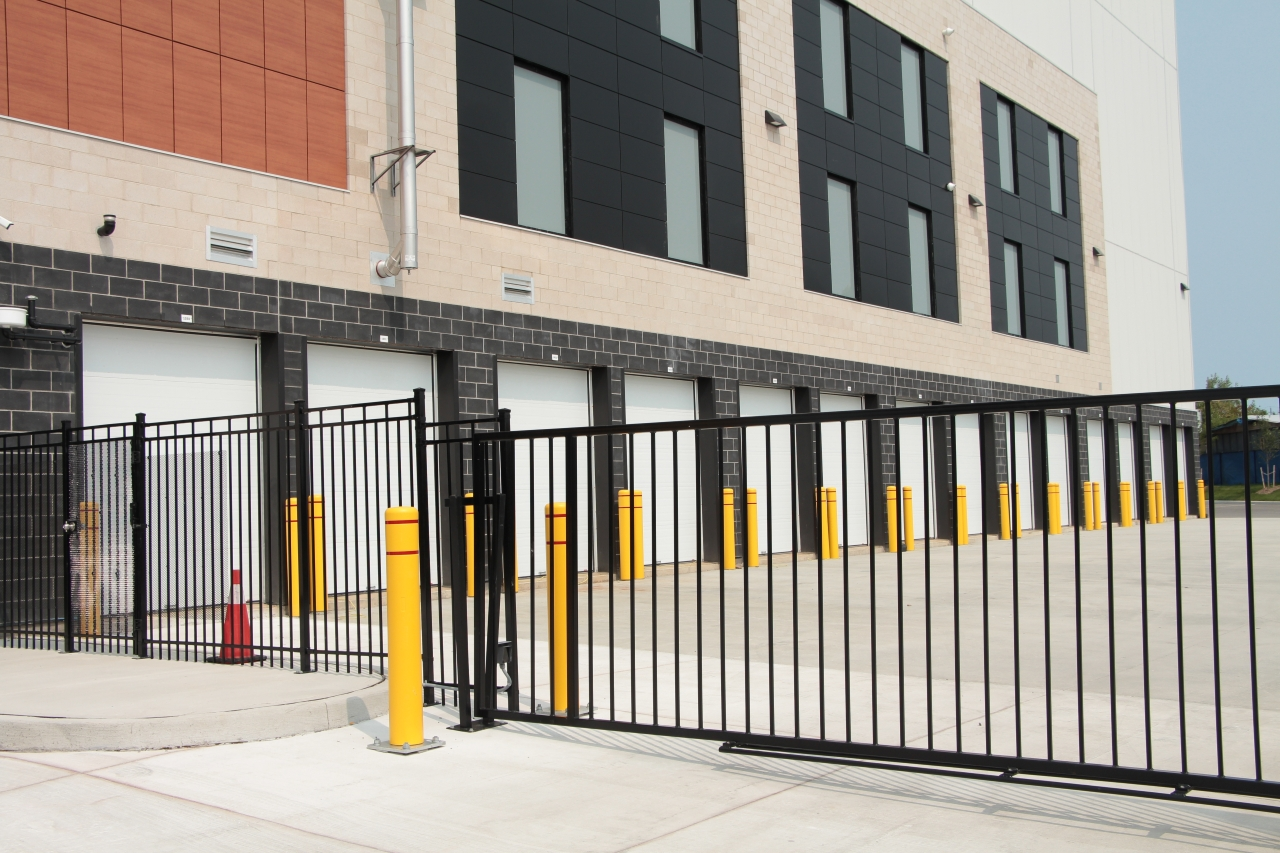
Suburban Giants and Urban Risers: Where America’s 100 Largest Metros Fall on the Self Storage Map
Self storage has long been a suburban story. Across America largest 100 metros, 59% of the inventory built over the past decade sits outside city cores, largely preserving the ratio of the total existing inventory.

Sweatshirt Storage Ideas Worth Keeping Up Your Sleeve
Sweatshirts are great until you realize how much room they take up. A few thick hoodies can fill a drawer fast, with lighter crewnecks getting squashed underneath or pushed somewhere you forget about. Good sweatshirt storage can make that pile much easier to manage without requiring a bigger closet.

Living Room Storage Ideas: 28 Ways to Reclaim Your Hosting Space
If a living room is where most of a household’s living happens, good storage should be the top priority for setting up or revamping the place. After all, think of how easier it would be to have people over when tidying up the place is just a matter of putting things in their right place (in a time when fewer and fewer people are entertaining friends at home(opens in new tab)). The trick is making room for all those wayward clothes, blankets, chargers and other small things that end up on (or, inexplicably, in) the sofa. Here are 28 living room storage ideas to get you started and make tidying up a quick affair.
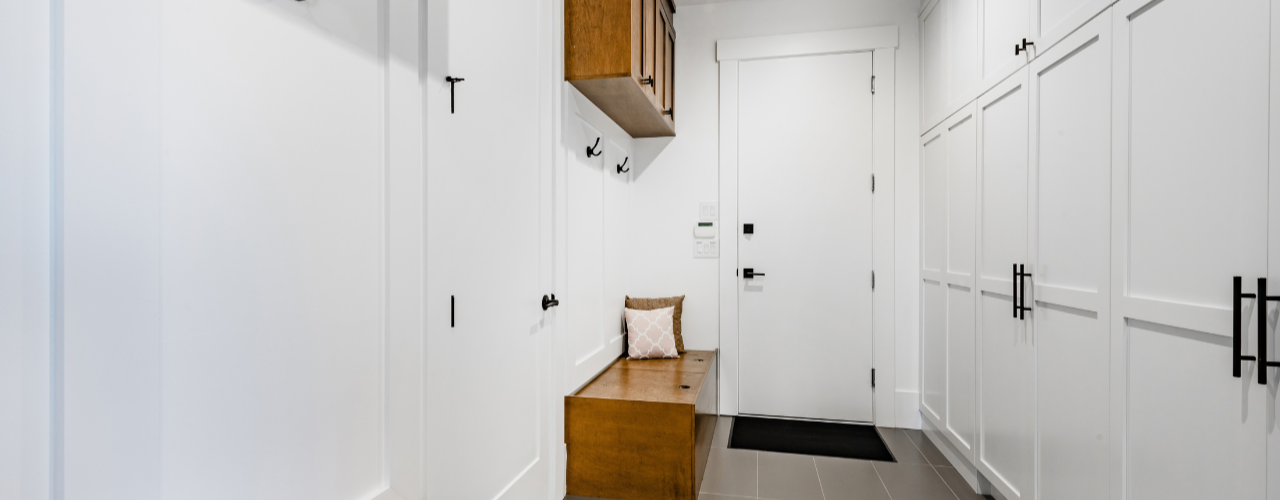
25 Mudroom Storage Ideas (And Mistakes to Avoid)
When you come home with muddy boots, an armful of bags and a coat you can’t wait to take off, it’s nice to have somewhere to put it all. With a mudroom, you can leave the outdoor mess at the door instead of carrying it through the house. Traditionally, you’d set aside a separate room, but you can just as easily use a hallway, an entryway closet, a laundry-room corner or a stretch of wall near the entrance.

Is Your Home Office Worth the Rent? What Coworking and Self Storage Could Save You
Every square foot of your apartment comes with a price tag, and a home office claims more of them than most renters expect. It starts with a desk. Then come the second monitor, the printer, the filing cabinet and the overflow boxes. Before long, the corner you set aside for work has turned into a small room you are paying for every month.

Best U.S. Cities to Live Uncluttered: Plano, TX, Offers the Most Room to Breathe
Clutter is in our homes as much as in our heads. Both are shaped by where we live.

America’s Top Snowbird Destinations for 2026–2027: Florida Leads in Numbers, Texas Wins on Value
For Americans living in colder states, the approach of winter is reason enough to start looking south. Cold weather carries costs that go beyond the heating bill and shoveling snow. Seasonal affective disorder(opens in new tab) is far more prevalent in northern states, so a temporary move south isn’t simply an escape from the cold, but a chance to spend the hardest stretch of winter outdoors and in the sun.

How Much Does Halloween Really Cost in 2026? Plan Wisely to Avoid the Scare of Hidden Costs
Americans’ love for Halloween is almost frightening — this year alone, we are on our way to spending $13.5 billion, according to data from the National Retail Federation(opens in new tab). That breaks down to about $115 Halloween costs per person, a whopping 49% more than 10 years ago.
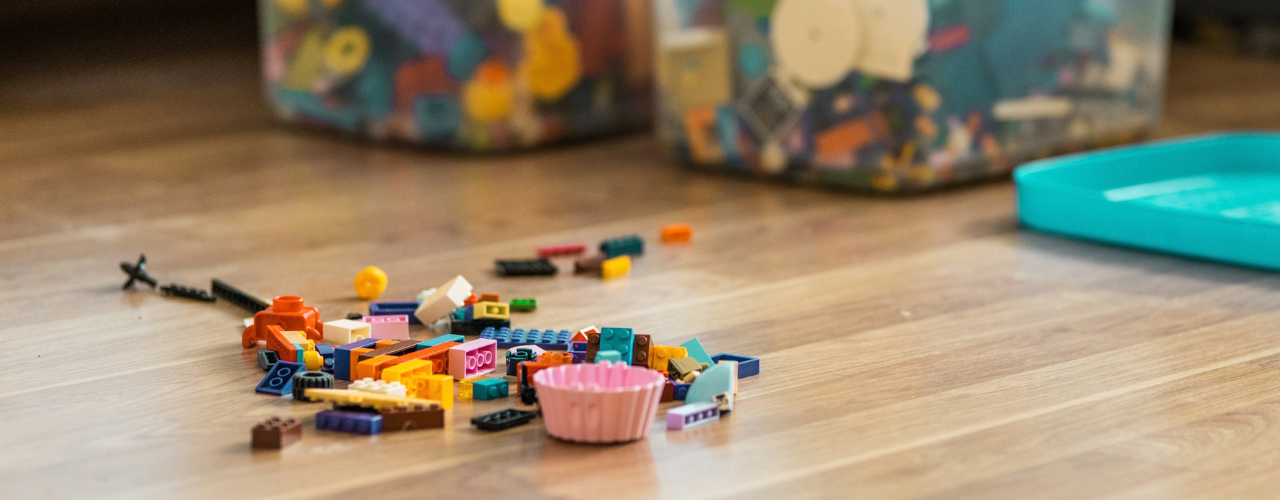
How to Store LEGOs: All the Fun, None of the Clutter
How to store LEGOs largely comes down to how your household uses them. If the bricks are part of everyday play, you need a setup that keeps them within easy reach and makes cleanup quick (for your feet’s sake, at least). Toy storage(opens in new tab) such as simple bins, playmats or containers that children can put away themselves may be enough. Larger or more serious collections usually need more organization, such as labelled drawers for loose pieces, trays for unfinished builds, shelves for completed models and separate storage for retired sets.