

Professional organizer Marie Kondo took the world by storm with her tidying-up philosophy. More than a simple decluttering method, Marie Kondo’s technique, known as the KonMari method, teaches a different approach toward curating your belongings and, by extension, toward improving your life.
Her method is inspired by the Japanese philosophy of wabi-sabi, which centers around simplicity, serenity and seeing beauty in everyday objects. According to Marie Kondo, we should only hold on to the things that “spark joy.” However, that joy mainly refers to the utility of the object in your life – so, no, you shouldn’t get rid of your vacuum cleaner even if you don’t feel a whole lot of happiness when you see it!
By combining elements of ancient Japanese wisdom with very practical advice on home organizing, folding and tidying up, Marie Kondo provides a comprehensive, easy-to-follow guide to having a better home and a simpler life. Check out the main takeaways from the KonMari method:
Tidy your entire home at once
Reorganize your entire home all at once, not room by room. It sounds like a daunting endeavor and a huge one at that. However, it’s essential for the success of the decluttering. You’ll be working on categories of items (clothes, books and so on) and you can do that only by tackling the entire home.
Reserve a whole weekend to complete the task – yes, it’s a lot of work! However, by the end of it, every item in your house should have a clear purpose and its own designated spot. Maintaining order from that point forward will be so much easier.
Start the process only if you’re ready for it and have the time and the energy to complete it. The KonMari method gets you through decluttering, but you must be able and willing to let things go. Visualize your goal – how you want to live and how you want your house to feel, look and function.
Find out what sparks joy
Sparking joy can signify many different things, according to the KonMari method. An object that’s particularly useful to you, one that brings good memories and a fuzzy feeling inside, or one that is aesthetically pleasing – all of them fit the “sparking joy” definition.
To decide what stays and what goes, you have to pick up each object, hold it for a little while and decide whether it sparks joy for you or not. If it doesn’t, it means that it’s time to let it go, but not before thanking it for the service it provided.
It might sound peculiar and even a little bit pretentious, but it does makes it easier to let things go. It’s an interesting approach, one that emphasizes the intrinsic worth of an item and its significance in your life, not only its material value or the condition it’s in. For example, if you have an old T-shirt that’s all run down, but you associate it with good memories and you love wearing it to sleep or while working out, it means that it sparks joy and you should keep it.
Tidy up by category
When reorganizing their homes, most people tend to go from small to big: drawers, shelves and closets, then focus on the entire room. Marie Kondo says that it’s inefficient and it doesn’t bring real change. Going drawer by drawer and closet by closet means you never truly grasp how many items you actually own.
Instead, go by category (clothes, books and so on). Take out all your clothes from all the closets and drawers in your home. Put them on the floor, in one large pile. Pick up every item and hold it for a few seconds to see what it inspires: does it make your heart flutter, in which case you should put it in the keep pile? Or does it spark no joy for you, and so it must go? Repeat the process with all the categories of items in your house.
Tidy up in a specific order
The categories must be tackled in a specific order, adds Marie Kondo. You should start with your clothing, continue with books, papers, miscellaneous items and finish with sentimental items. Your main goal is to keep only things you are actually using, and not “maybe” objects: “Maybe I’ll wear that sweater again someday,” or “maybe I’ll still need that charger in the future.”
Once you have discarded all the ballast, you must decide on a place for everything that stays. Each item needs to have its own, designated spot in your house, whether it’s a jacket, the remote control, or your blender. A main rule is to store all items of the same type in one place – all your towels go in the same closet, not in several closets throughout the house.
Marie Kondo also has some interesting advice on how to manage sentimental items. For example, instead of keeping your family photos in a box somewhere, put them in a nice album and place the album in an easily accessible spot, like your coffee table or a shelf in the living room.
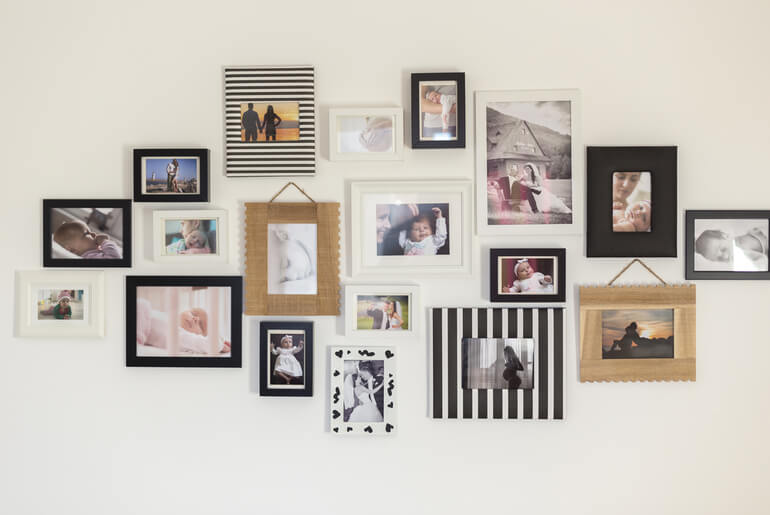
Another way to make the most of your sentimental items (pictures, postcards, even pieces of clothing) is by framing and displaying them on the walls.
Adjust the KonMari method to your lifestyle
We all dream about a house so well-organized that everything goes smoothly all the time, everyone finds their socks and favorite books, and cleaning is a breeze. As with all ideals, this one is rather unattainable too, but the KonMari method certainly gets us closer. The technique is very inspiring due to the new perspective it gives on belongings and their role in our lives, and also because of its practical tips and tricks for home organizing.
However, if you can’t follow through with all of Marie Kondo’s advice, it’s perfectly fine to pick only what works for you. The KonMari method emphasizes surrounding yourself with things that “spark joy,” but in reality, some possessions hold practical or sentimental value that makes them difficult to part with entirely. It’s lovely to imagine a home where every item has its place and nothing feels out of order, but life often doesn’t fit into that ideal.
When you’re not quite ready to say goodbye to certain belongings, self storage offers a balanced solution. By moving excess items out of your immediate living space, you can create a clean, uncluttered environment without the emotional burden of letting go. Seasonal decorations, family heirlooms, hobby gear, or extra furniture can all be safely stored until you’re ready to use them again — or until you’re sure you’re ready to part ways.
This approach allows you to maintain the peace and clarity of a minimalist home while still keeping what matters most. In a way, self storage becomes an extension of your home — a thoughtfully organized space that supports your lifestyle goals. Whether you’re gradually decluttering, downsizing, or simply craving more breathing room, a storage unit can be the bridge between the life you have now and the more simplified, intentional one you’re working toward.


Sweatshirt Storage Ideas Worth Keeping Up Your Sleeve
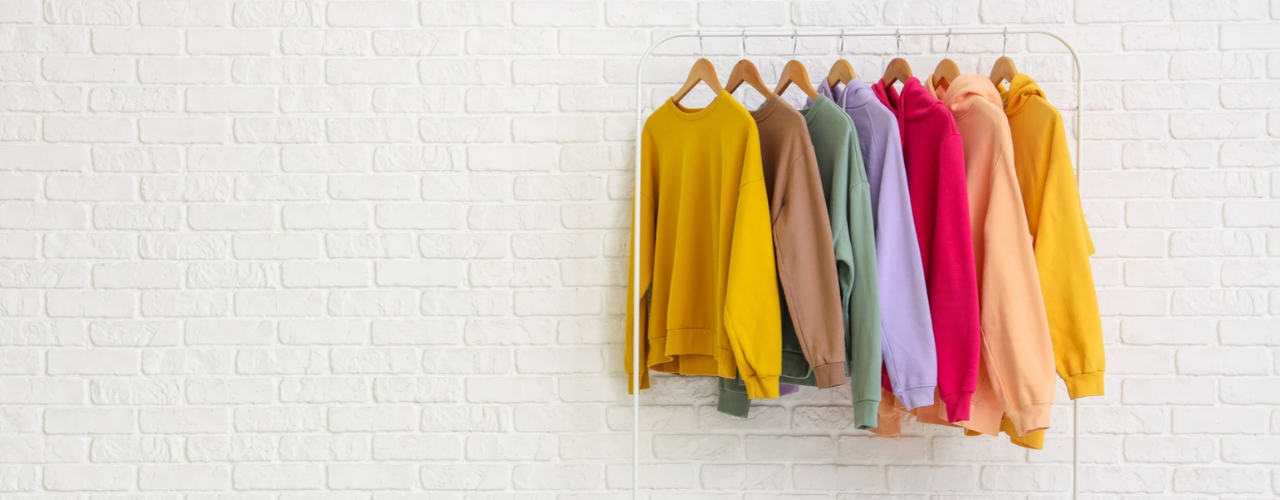
Sweatshirts are great until you realize how much room they take up. A few thick hoodies can fill a drawer fast, with lighter crewnecks getting squashed underneath or pushed somewhere you forget about. Good sweatshirt storage can make that pile much easier to manage without requiring a bigger closet.
Living Room Storage Ideas: 28 Ways to Reclaim Your Hosting Space
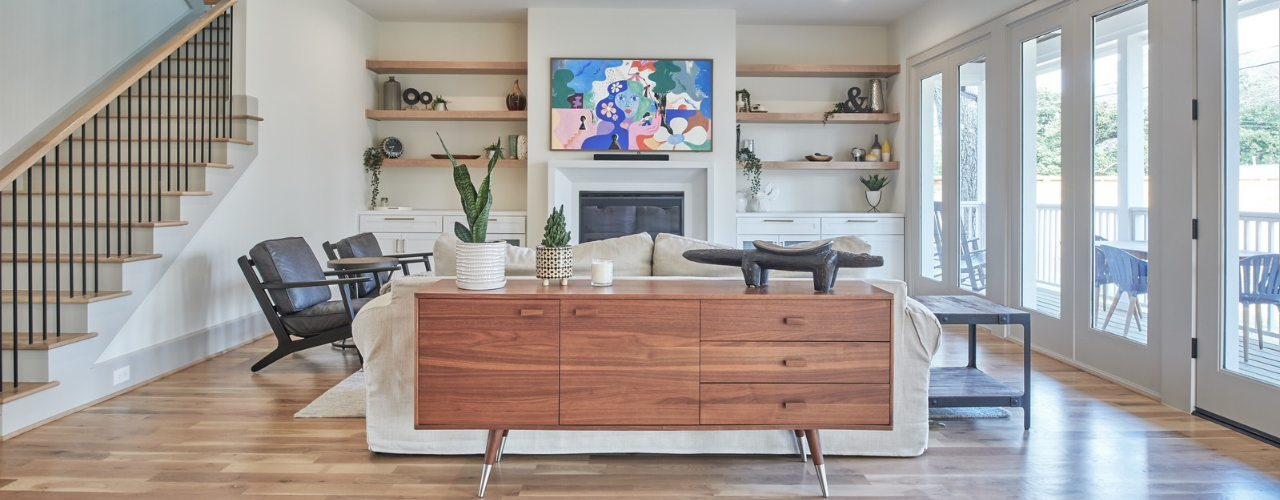
If a living room is where most of a household’s living happens, good storage should be the top priority for setting up or revamping the place. After all, think of how easier it would be to have people over when tidying up the place is just a matter of putting things in their right place (in a time when fewer and fewer people are entertaining friends at home(opens in new tab)). The trick is making room for all those wayward clothes, blankets, chargers and other small things that end up on (or, inexplicably, in) the sofa. Here are 28 living room storage ideas to get you started and make tidying up a quick affair.
25 Mudroom Storage Ideas (And Mistakes to Avoid)
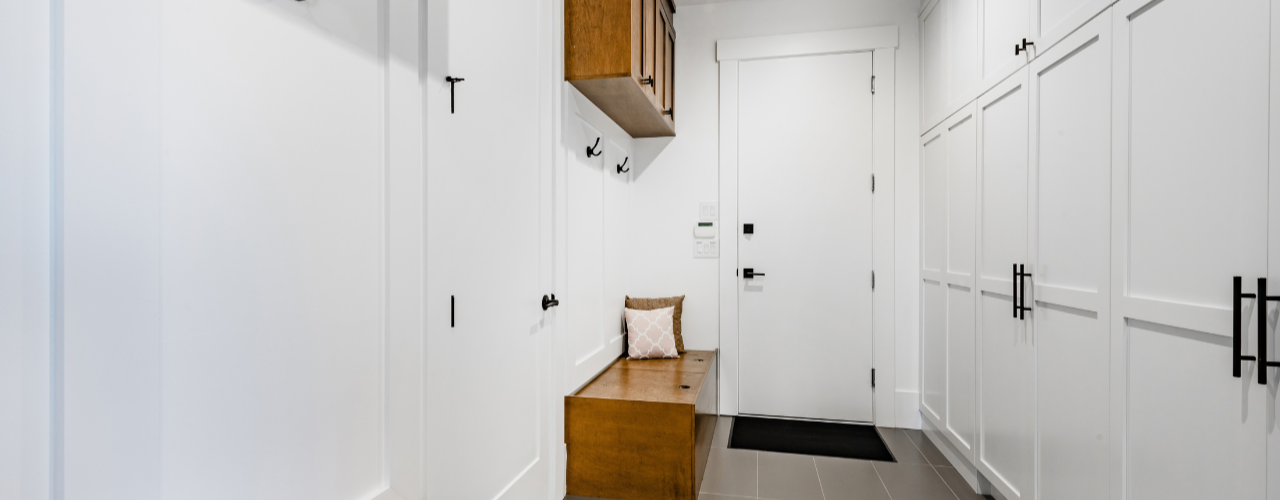
When you come home with muddy boots, an armful of bags and a coat you can’t wait to take off, it’s nice to have somewhere to put it all. With a mudroom, you can leave the outdoor mess at the door instead of carrying it through the house. Traditionally, you’d set aside a separate room, but you can just as easily use a hallway, an entryway closet, a laundry-room corner or a stretch of wall near the entrance.
Is Your Home Office Worth the Rent? What Coworking and Self Storage Could Save You
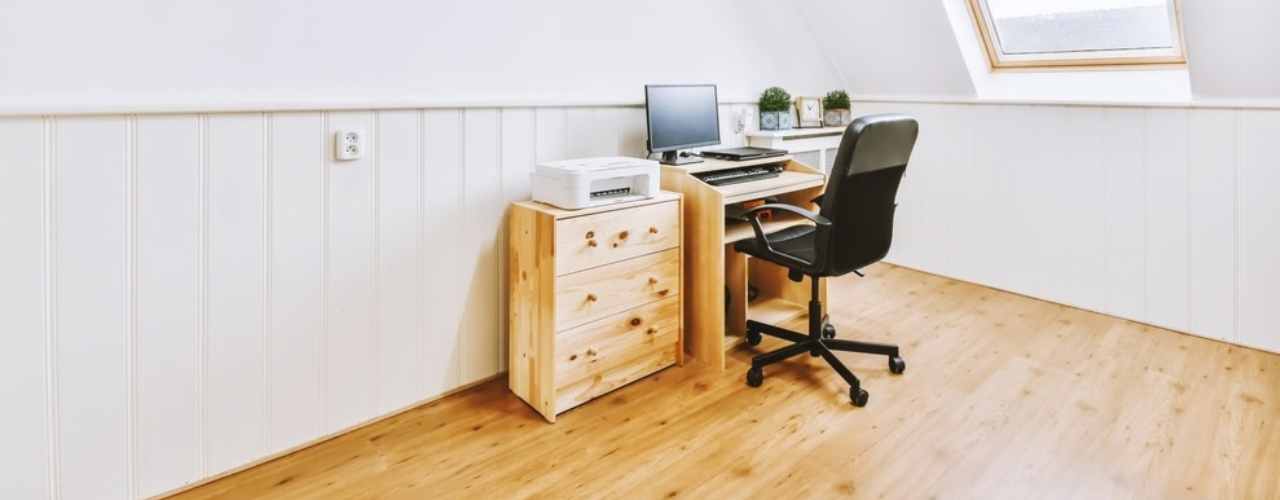
Every square foot of your apartment comes with a price tag, and a home office claims more of them than most renters expect. It starts with a desk. Then come the second monitor, the printer, the filing cabinet and the overflow boxes. Before long, the corner you set aside for work has turned into a small room you are paying for every month.

Best U.S. Cities to Live Uncluttered: Plano, TX, Offers the Most Room to Breathe
Clutter is in our homes as much as in our heads. Both are shaped by where we live.

America’s Top Snowbird Destinations for 2026–2027: Florida Leads in Numbers, Texas Wins on Value
For Americans living in colder states, the approach of winter is reason enough to start looking south. Cold weather carries costs that go beyond the heating bill and shoveling snow. Seasonal affective disorder(opens in new tab) is far more prevalent in northern states, so a temporary move south isn’t simply an escape from the cold, but a chance to spend the hardest stretch of winter outdoors and in the sun.
How Much Does Halloween Really Cost in 2026? Plan Wisely to Avoid the Scare of Hidden Costs
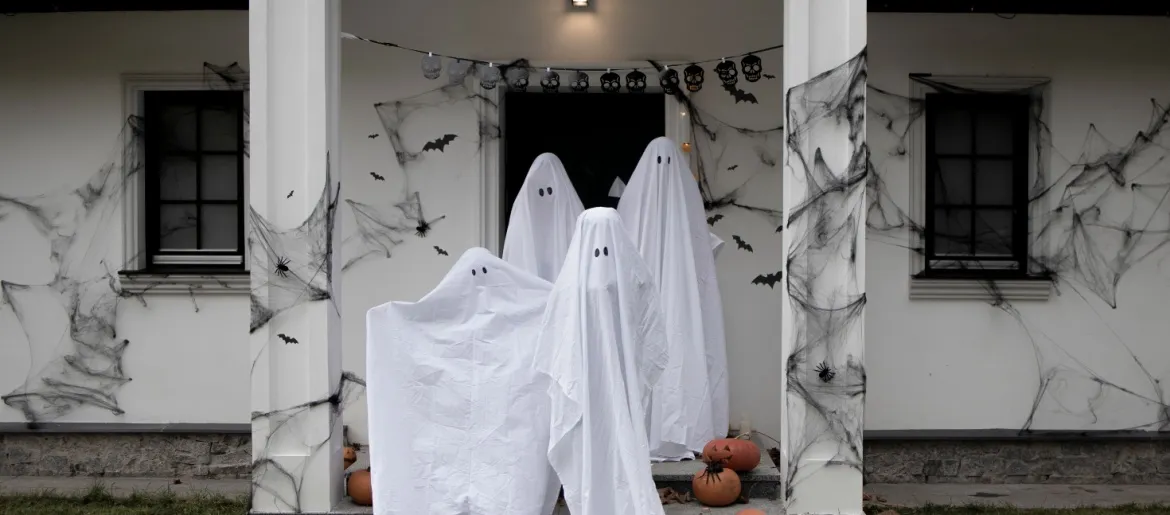
Americans’ love for Halloween is almost frightening — this year alone, we are on our way to spending $13.5 billion, according to data from the National Retail Federation(opens in new tab). That breaks down to about $115 Halloween costs per person, a whopping 49% more than 10 years ago.
How to Store LEGOs: All the Fun, None of the Clutter
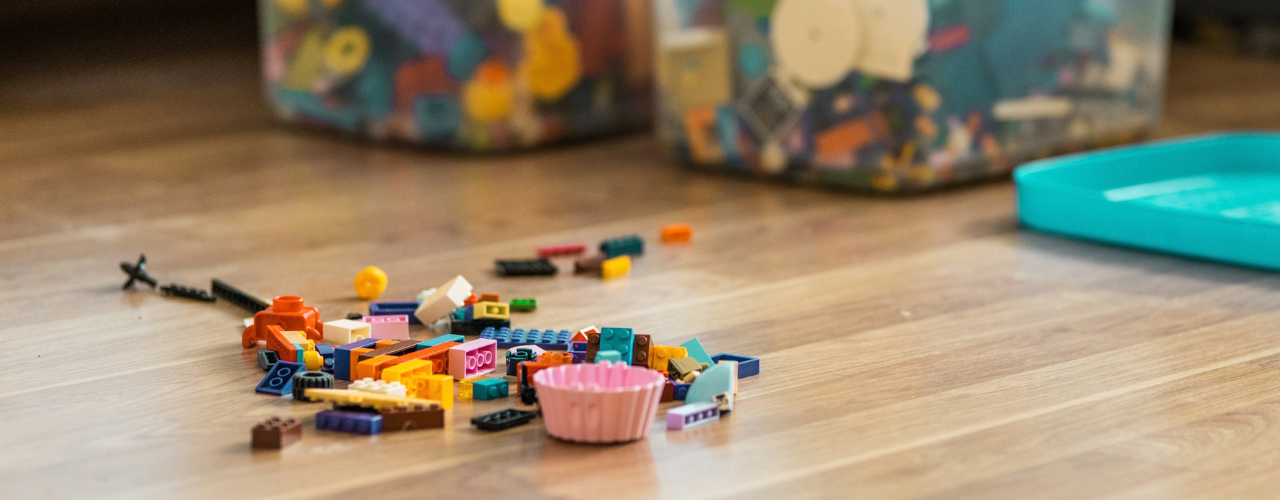
How to store LEGOs largely comes down to how your household uses them. If the bricks are part of everyday play, you need a setup that keeps them within easy reach and makes cleanup quick (for your feet’s sake, at least). Toy storage(opens in new tab) such as simple bins, playmats or containers that children can put away themselves may be enough. Larger or more serious collections usually need more organization, such as labelled drawers for loose pieces, trays for unfinished builds, shelves for completed models and separate storage for retired sets.

Cardboard Costume Guide: Tips and Ideas for a DIY Halloween
Whether for kids or adults, cardboard costume ideas often make the biggest splash once materialized, and that’s for a simple reason: doing a lot with a little is a universally impressive feat (especially in this economy). If you don’t have enough boxes you could temporarily repurpose, don’t worry! There are many places where you can find free moving boxes(opens in new tab), from stores and supermarkets to online groups and recycling drop-off spots. On the run? Try your luck at a self storage(opens in new tab) facility that sells moving supplies, often for cheap. This way, you can choose moving boxes of different shapes and sizes(opens in new tab), so you can make your costumes as complex as you want.