

If you live in Boston, then you’re most likely familiar with its vibrant culture, prestigious educational institutions and historic architecture. You are also probably familiar with its compact living spaces and rising home prices that are double the national average. As space has become not just a mere preference but a necessity, making every square foot count is now on everyone’s to-do list.
Whether you’re an excited newcomer or a long-time resident, these space-saving tips will aid you in navigating the unique experience of Boston living, making your home not just functional, but also comfortable and inviting.
Figure out your space-related needs

One of the key elements in maximizing your space is the preparation you should undertake before getting down to the nitty-gritty. By first evaluating and prioritizing the items you just can’t live without, you can better understand what needs to stay, what can be donated or what might need to be temporarily stored.
When it comes to assessing your possessions, whether you are more of a Marie Kondo minimalist type or lean towards a maximalist lifestyle, this process will help you identify the most important items to keep nearby.
If you’re going through some life changes – be it moving, downsizing or welcoming a new family member – managing your space and belongings and deciding what your actual needs are is crucial.
Keep your space clutter free
While we understand the sentimental value some items hold, it’s important to remember that decluttering can bring a sense of freedom and peace to your living space. Some benefits you can get by decluttering include:
- By removing all unnecessary items, you can find and access your essentials with more efficiency, as there’s less clutter standing in your way.
- Say goodbye to cleaning for hours on end – decluttering allows you to clean your living space with much more ease, as there are fewer items to worry about.
- When you clear out an area, you can fully use the space to its maximum potential. Instead of stacks of boxes you haven’t interacted with in months taking up valuable space, you can make room for something more useful.
- They say a clean space means a clear mind and an organized space can really set the tone in your home. The cleaner, the better! Clutter can be overwhelming and stressful, so by reducing it, you can help lower your stress levels.
- Decluttering can encourage better habits, as maintaining an organized home can help you structure a positive routine. You can turn it into a fun weekly activity where you listen to your favorite tunes while clearing your space!
Use all available space
We often overlook potential storage or living spaces in our homes. Here are some fun ideas you can incorporate when thinking about maximizing space:
- The area underneath the staircase, can be transformed into a cozy nook with a few lights and well-placed pillows. If you’re feeling creative, this could be a perfect DIY project for you.
- Older Boston houses often have unique architectural features like alcoves or corners that can be utilized for built-in shelves or hanging plants, adding a touch of personality to your home.
- Dual-purpose furniture can also play an important role —beds with storage drawers, ottomans that open to reveal hidden compartments or fold-out desks. Opting for multifunctional pieces allows you to optimize your utility without sacrificing comfort.
Integrate self storage in your home organizing system
Items that aren’t used daily, like duplicates or seasonal decorations, can be stored away, freeing up valuable space in your home. Specialized storage facilities offer a practical and efficient alternative to using valuable driveway or garage space. These facilities also provide climate-controlled units, ideal for items sensitive to Boston’s fluctuating weather conditions, ensuring your equipment is in good hands.
For those who are part of Boston’s vibrant outdoor scene and have likely amassed a collection of equipment needing a home, as well as for snowbirds and digital nomads alike, finding a secure and reliable place to store RVs or equipment can be a challenge. Self storage units offer a convenient solution, transforming them into necessities when it comes to decluttering and making space for other items.
Renting a self storage unit in Boston costs, on average, $97 per month for a 5×5 unit and $363 per month for larger units of 10×20, ensuring there’s a size and price point to suit every need and necessity.
Include vertical storage solutions in your interior planning

Particularly useful in small apartments where space is limited, vertical storage solutions can turn a cramped aesthetic into a creative one with just a few changes. A few ideas that can work for you include:
- Hanging plants are the new rave, so if you’re looking for a safe space from your curious pet, as well as a place that would maximize your space, then incorporating them into your interior design might be the best solution.
- Wall-mounted shelves, hanging organizers, and tall bookcases are your friends, so don’t neglect to use them! By incorporating wall-mounted shelves, you can free up precious floor area. Hanging organizers can help you store items out of sight, while tall bookcases maximize vertical storage and keep your belongings neatly arranged and accessible.
- Pegboards are also versatile allies in small spaces – use them accordingly. If you need to hang, hook or store something, a pegboard is a perfect solution. Perfect for keeping your tools, office supplies or gadgets in one place, a pegboard can turn clutter into an eye-catching display. You can customize them to fit your aesthetic, so have fun with it!
- Given the urban lifestyle of many Bostonians, entryways can quickly become cluttered with shoes, bags or coats. Slim shoe racks and narrow consoles come in handy when it comes to keeping these items organized while simultaneously creating a welcoming first impression.
- Shelves, hooks, magnetic strips and racks are excellent for keeping items off the floor and clearing the space in your living area. This way, you can store kitchen utensils, bicycles or even clothing, adding a fun and functional touch to your home.
In Boston’s compact living spaces, the walls are not just boundaries, but practical and creative tools for organizing belongings and reducing clutter. Turning to this often-overlooked space can provide you with new methods of making your small apartment feel more spacious and organized.
Consider an ergonomic design and thoughtful furniture placement
Ergonomics is a key factor in optimizing living spaces. This concept bridges the relationship between an individual and the objects that surround him, in order to enhance his overall well-being. Think of it as a process that aims to boost your productivity, through the way you interact with your furniture and other objects around you.
Proper and thoughtful furniture placement can enhance functionality, comfort and well-being, making it a lifesaver for smaller places. Here’s how you can include ergonomics into your design:
- The use of adjustable furniture, such as standing desks, offers the flexibility to adapt the space to changing needs throughout the day. Choosing chairs and desks that align with ergonomic standards can aid you in reducing physical strain while simultaneously boosting your efficiency levels, ensuring you feel productive in your living space.
- In living areas, arranging seating to encourage natural conversation flow can enhance social interactions, fostering a more welcoming and connected atmosphere.
By prioritizing ergonomics, every square foot of your home not only contributes to a pleasing aesthetic but also supports a variety of daily activities, with your well-being always at the forefront.
Light, color, action – make full use of color and light

Boston’s classic homes come with their quintessential historic charm, but the downside is that it can also make rooms appear cramped. However, you can strategically make the room feel bigger by playing with light and color.
- Effective use of light colors such as soft whites, pale blues and light grays, which reflect more light, can create an airy and spacious atmosphere, as opposed to darker shades, which absorb light and can make the place seem smaller.
- Good lighting not only improves the functionality of a space but can also elevate its aesthetic appeal. Make sure you incorporate ambient and accent lighting and strategically positioned floor lamps to ensure a well-illuminated space with a touch of coziness on the side.
- Light-reflective surfaces like glass or polished metals can further brighten and expand the space. A well-placed glossy finish on a piece of furniture can add a pop of light and accentuate it nicely.
- Light fixtures with reflective finishes can help bounce light around, adding an extra layer of spaciousness to the mix.
- Natural light is your best ally in this situation, so maximize it by using minimal window treatments and instead opting for sheer fabrics or light-colored blinds that diffuse sunlight.
In a vibrant city like Boston, where space is often limited, thoughtful organization and clever storage solutions are key. You can make the most of your living space with a few smart strategies – such as choosing furniture that fits your space and needs, decluttering or opting for self storage units. Embracing these approaches will not only enhance the functionality of your home, but also help you in maximizing your space to its fullest potential.


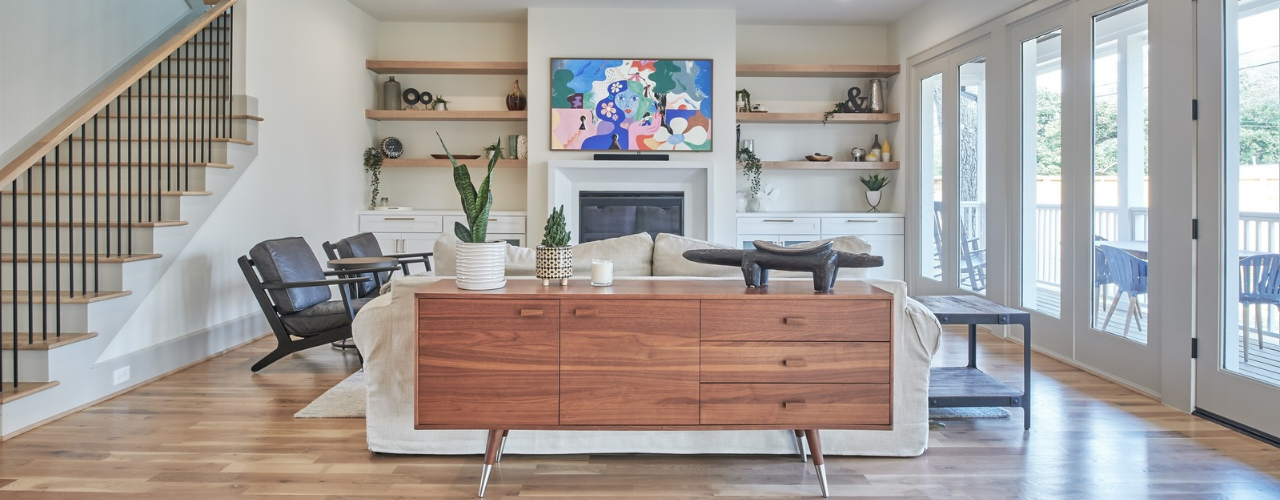
Living Room Storage Ideas: 28 Ways to Reclaim Your Hosting Space
If a living room is where most of a household’s living happens, good storage should be the top priority for setting up or revamping the place. After all, think of how easier it would be to have people over when tidying up the place is just a matter of putting things in their right place (in a time when fewer and fewer people are entertaining friends at home(opens in new tab)). The trick is making room for all those wayward clothes, blankets, chargers and other small things that end up on (or, inexplicably, in) the sofa. Here are 28 living room storage ideas to get you started and make tidying up a quick affair.
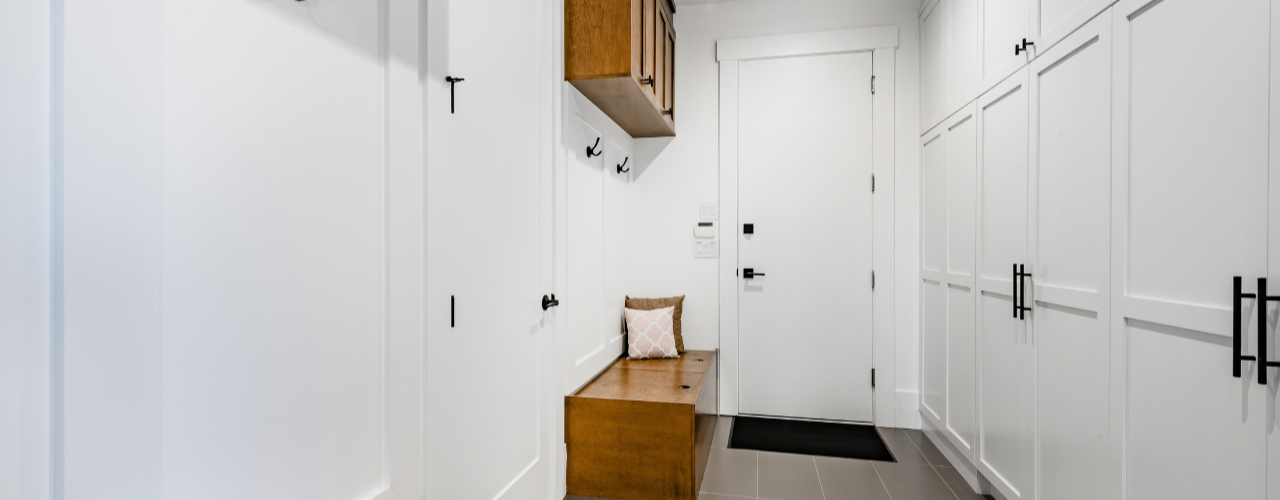
25 Mudroom Storage Ideas (And Mistakes to Avoid)
When you come home with muddy boots, an armful of bags and a coat you can’t wait to take off, it’s nice to have somewhere to put it all. With a mudroom, you can leave the outdoor mess at the door instead of carrying it through the house. Traditionally, you’d set aside a separate room, but you can just as easily use a hallway, an entryway closet, a laundry-room corner or a stretch of wall near the entrance.
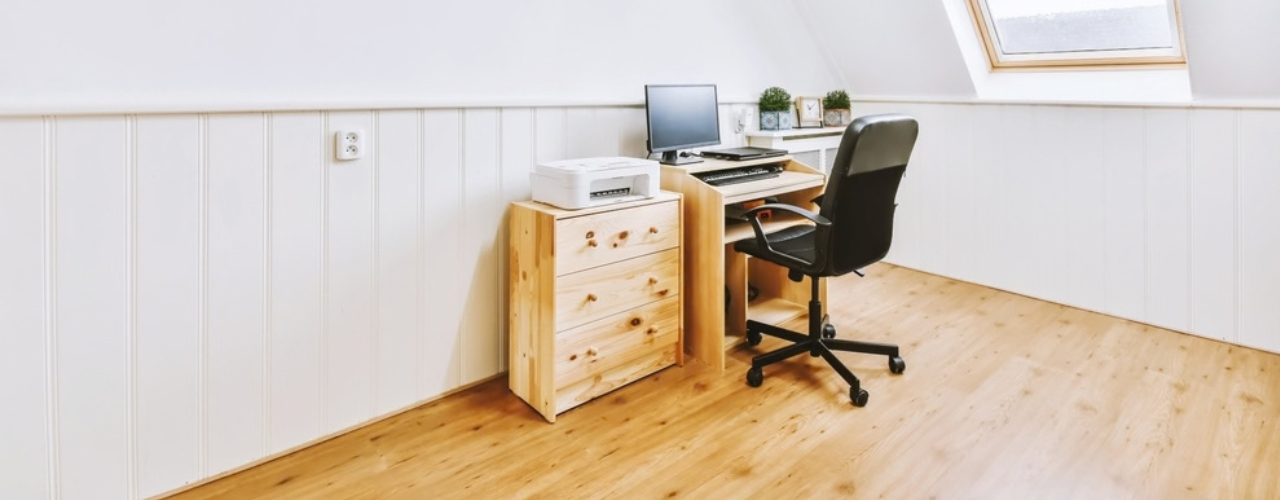
Is Your Home Office Worth the Rent? What Coworking and Self Storage Could Save You
Every square foot of your apartment comes with a price tag, and a home office claims more of them than most renters expect. It starts with a desk. Then come the second monitor, the printer, the filing cabinet and the overflow boxes. Before long, the corner you set aside for work has turned into a small room you are paying for every month.
Best U.S. Cities to Live Uncluttered: Plano, TX, Offers the Most Room to Breathe
Clutter is in our homes as much as in our heads. Both are shaped by where we live.

America’s Top Snowbird Destinations for 2026–2027: Florida Leads in Numbers, Texas Wins on Value
For Americans living in colder states, the approach of winter is reason enough to start looking south. Cold weather carries costs that go beyond the heating bill and shoveling snow. Seasonal affective disorder(opens in new tab) is far more prevalent in northern states, so a temporary move south isn’t simply an escape from the cold, but a chance to spend the hardest stretch of winter outdoors and in the sun.
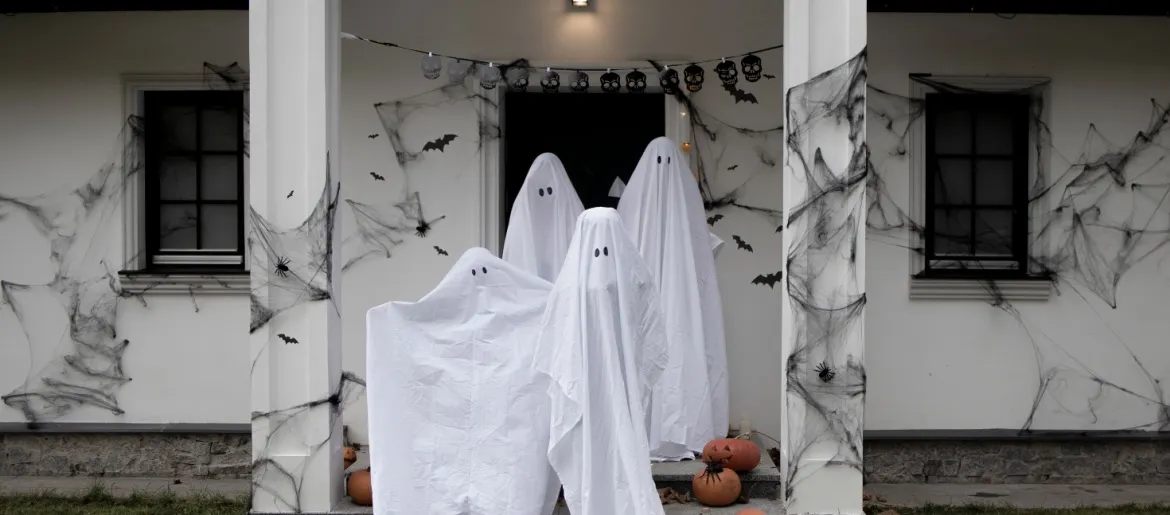
How Much Does Halloween Really Cost in 2026? Plan Wisely to Avoid the Scare of Hidden Costs
Americans’ love for Halloween is almost frightening — this year alone, we are on our way to spending $13.5 billion, according to data from the National Retail Federation(opens in new tab). That breaks down to about $115 Halloween costs per person, a whopping 49% more than 10 years ago.
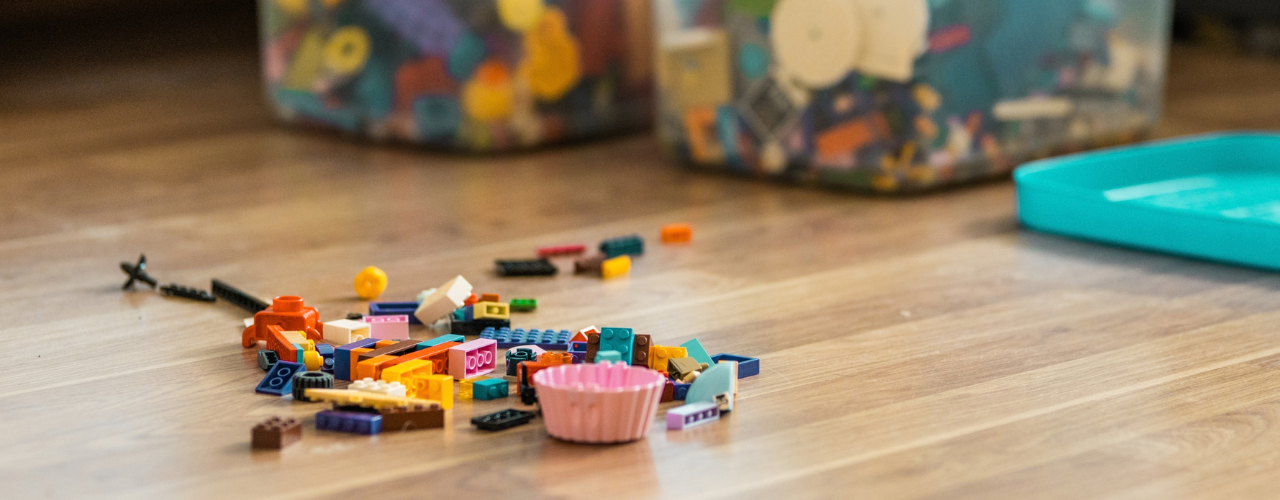
How to Store LEGOs: All the Fun, None of the Clutter
How to store LEGOs largely comes down to how your household uses them. If the bricks are part of everyday play, you need a setup that keeps them within easy reach and makes cleanup quick (for your feet’s sake, at least). Toy storage(opens in new tab) such as simple bins, playmats or containers that children can put away themselves may be enough. Larger or more serious collections usually need more organization, such as labelled drawers for loose pieces, trays for unfinished builds, shelves for completed models and separate storage for retired sets.
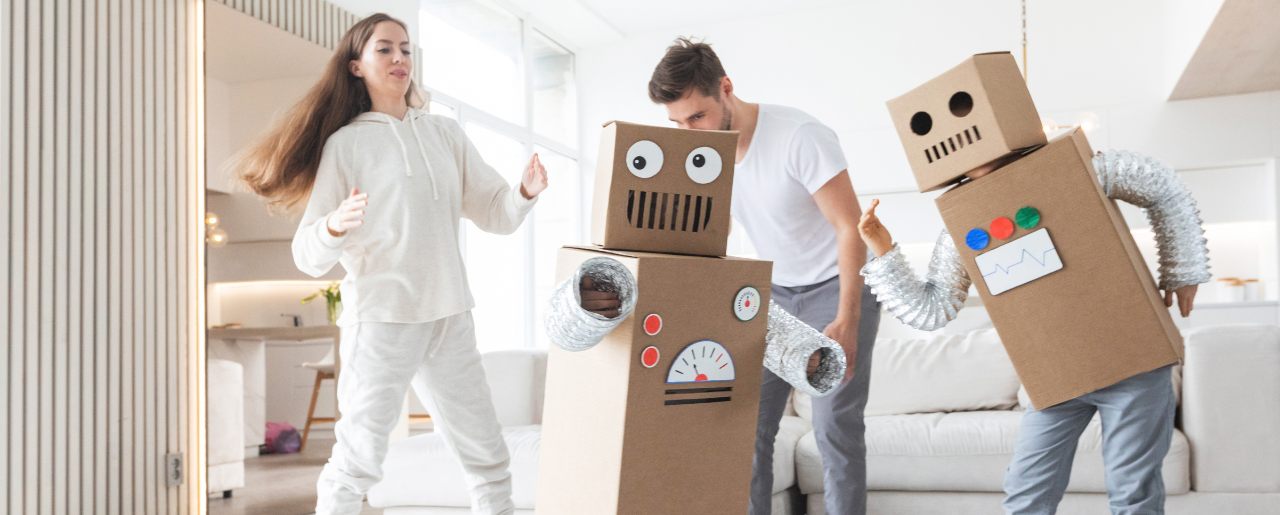
Cardboard Costume Guide: Tips and Ideas for a DIY Halloween
Whether for kids or adults, cardboard costume ideas often make the biggest splash once materialized, and that’s for a simple reason: doing a lot with a little is a universally impressive feat (especially in this economy). If you don’t have enough boxes you could temporarily repurpose, don’t worry! There are many places where you can find free moving boxes(opens in new tab), from stores and supermarkets to online groups and recycling drop-off spots. On the run? Try your luck at a self storage(opens in new tab) facility that sells moving supplies, often for cheap. This way, you can choose moving boxes of different shapes and sizes(opens in new tab), so you can make your costumes as complex as you want.

How to Celebrate Halloween: 9 Non-Spooky Ways To Enjoy It
As soon as October starts, it’s the official Halloween month. And while for many people it means it’s open season to get the scare of a lifetime, others, especially families with small children, might prefer to celebrate in a tamer way that’s both kid- and adult-friendly. While you’re likely to find more events where the spook factor is high, here’s how to celebrate Halloween in a not-so-scary way: