

It’s always a good idea to declutter your home and going through your personal library might also help you on your way to a cleaner and more organized home. That’s especially helpful if your shelves are bursting with titles you’ve already read or you simply don’t need anymore. To make the most of your library cleanout, you can consider donating your books in Pittsburgh. Let us help you on the way to repurpose your books as they reach libraries, nonprofits and other organizations that could redirect your books to those who can use them.
Here’s a list of places where you can donate your books in Pittsburgh:
1. The Carnegie Library
The local public library accepts donations of books as long as they’re in good condition. Donations of 10 or fewer books can be done during open hours at any library location. If donating more books – for instance, fitting in 4-10 boxes – use their contact form to inquire about your donation to help them schedule a drop-off time to make it easier for them to manage the incoming books. Be aware, boxes should not exceed 18” x 16” x 12” and weigh a maximum of 50 pounds.
There are 19 local branches throughout the city where you can donate books. You can contact the closest library to check their opening hours. The Carnegie Library organizes book sales, with proceeds used to support the library. If a rare book ends up being donated, the library might add it to its inventory.
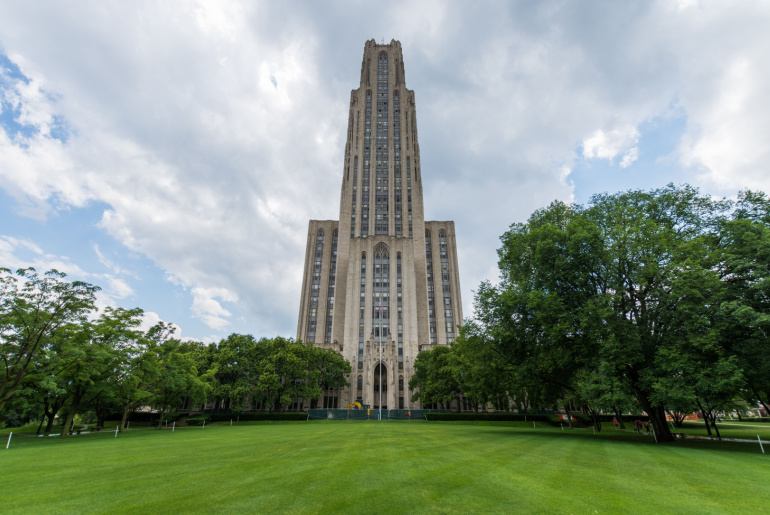
2. The University of Pittsburgh
The University of Pittsburgh is also open to book donations, but they already own an extensive collection. Therefore, they’re more selective with the books they accept, which include titles they currently don’t own. Textbooks and unusual titles are always welcome. Make sure to fill out this form to register for a dropoff.
3. Livy’s Library
Livy’s Library is a Pittsburgh organization that provides children’s books in the area for free in an effort to spread literacy and foster imagination among the city’s children. You can support them by donating children’s books of every genre. You can use their online form if you wish to arrange a pickup from your home – it’s a great way to donate to improve children’s lives.
4. National Council of Jewish Women
The National Council of Jewish Women runs a year-round project meant to collect and distribute new and gently used children’s books in their effort to support early literacy. You can drop off your book donations at their Squirrel Hill office. Thanks to increased donations during the pandemic – as people were probably decluttering their homes – NCJW has amassed a larger number of books than they can store. As such, donations for 2023 are paused, but they might resume in 2024.
5. The Pittsburgh Center for Creative Reuse
A volunteer-based center, the Pittsburgh Center for Creative Reuse focuses on arts and crafts and it’s also open to book donations. Given their specific profile, accepted donations include books about arts and crafts, DIY and also vintage books. Feel free to drop off these types of books to help support learning through creativity.
6. The Pittsburgh Prison Book Project
This is a non-profit organization that aims to ship books and other educational materials to inmates across the state of Pennsylvania. They’re open to books from various genres, from atlases to trade manuals, but you can check out their Amazon wishlist for books they need the most. The Pittsburgh Prison Book Project believes that education is part of the rehabilitation process of those incarcerated, and providing them access to books can help them on the path to improving society.

7. Angel’s Place
Angel’s Place is a childcare service provider that’s open to accepting book donations as well. They’re looking for books targeting children from birth to age five. Books must be in good condition, with no missing pages. They offer a support program for parents and families, including offering them educational resources such as children’s books.
8. The Children’s Home of Pittsburgh & Lemieux Family Center
The Children’s Home of Pittsburgh & Lemieux Family Center has several programs helping families and their children. They accept donations of various items, including books. Since they will reach infants and young children, books should be new or gently used and from a smoke-free/pet-free home. They accept board books for babies and toddlers, books that play music and books on CD.
9. Goodwill or other thrift stores
Pittsburgh has plenty of thrift stores, whether it’s a Goodwill store, Salvation Army or a local one. Call in advance to check what their drop-off policy is if you’re planning on donating books at any of the locations.
10. Better World Books
You can also donate your books to “Better World Books,” a bookseller that collects and sells books online. Proceeds benefit literacy organizations that aim to change lives by educating children, helping families, building schools and donating books to libraries. You can donate at the local drop box. They have a capacity of about 800 books, but they do tend to fill up quickly. If you have a lot of books, make sure to plan accordingly.

When book storage is a good idea
Purging your library and donating the books that no longer fit your home is a good idea most of the time. But there are other instances when you’re not ready to permanently let go of your books, even if there’s not much room for them at home anymore. If you have books that bear personal or sentimental value, or perhaps they are rare editions, storing them makes more sense. Additionally, you may own book collections that you’re planning to gift to the next generation. That’s another case when turning to storage away from home might be worthwhile. A storage unit is a great place to hold your prized books until you’re ready to gift them to your children. Lastly, some books might see their value increase in time, so turning to storage may well be worth the investment.
The good news is that the service is relatively inexpensive, with a Pittsburgh storage unit renting for $134/month. You might also want to consider getting a climate-controlled unit in Pittsburgh, which is ideal for ensuring that books don’t get damaged while they are in storage.



Moving From a House to an Apartment: What to Expect, How to Downsize & How Self Storage Helps
For some, moving from a house to an apartment is a financial decision. For others, it’s about simplifying life. Maybe the kids have moved out and half the house sits empty, or you’re approaching retirement and no longer want to spend weekends on repairs. Or perhaps you’ve been weighing the cost of buying a home and wondering whether renting simply makes more sense right now.
Family Heirlooms Overload: How to Handle Family Inheritance Without Regret
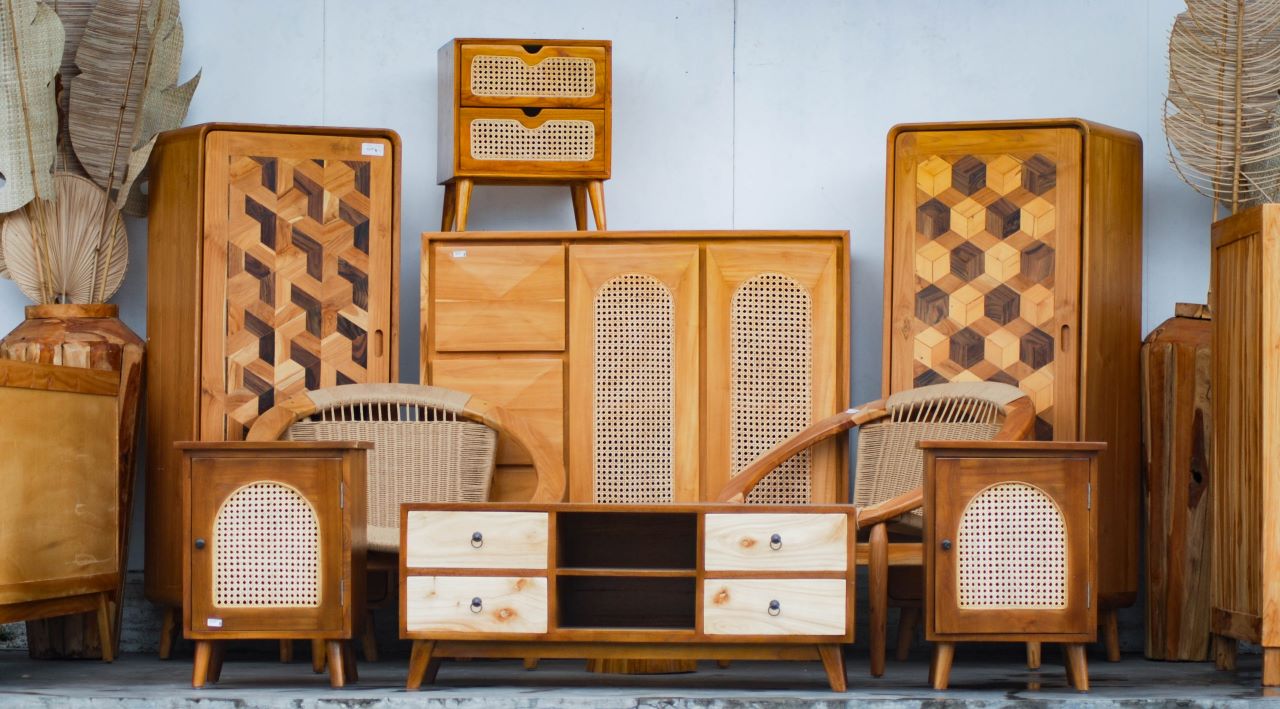
Handling family heirlooms after a loss requires managing legal authority, emotional pressure and practical logistics at the same time, and the order you take them on matters more than most people expect.
Blanket Storage: The Right Method for Every Space and Season
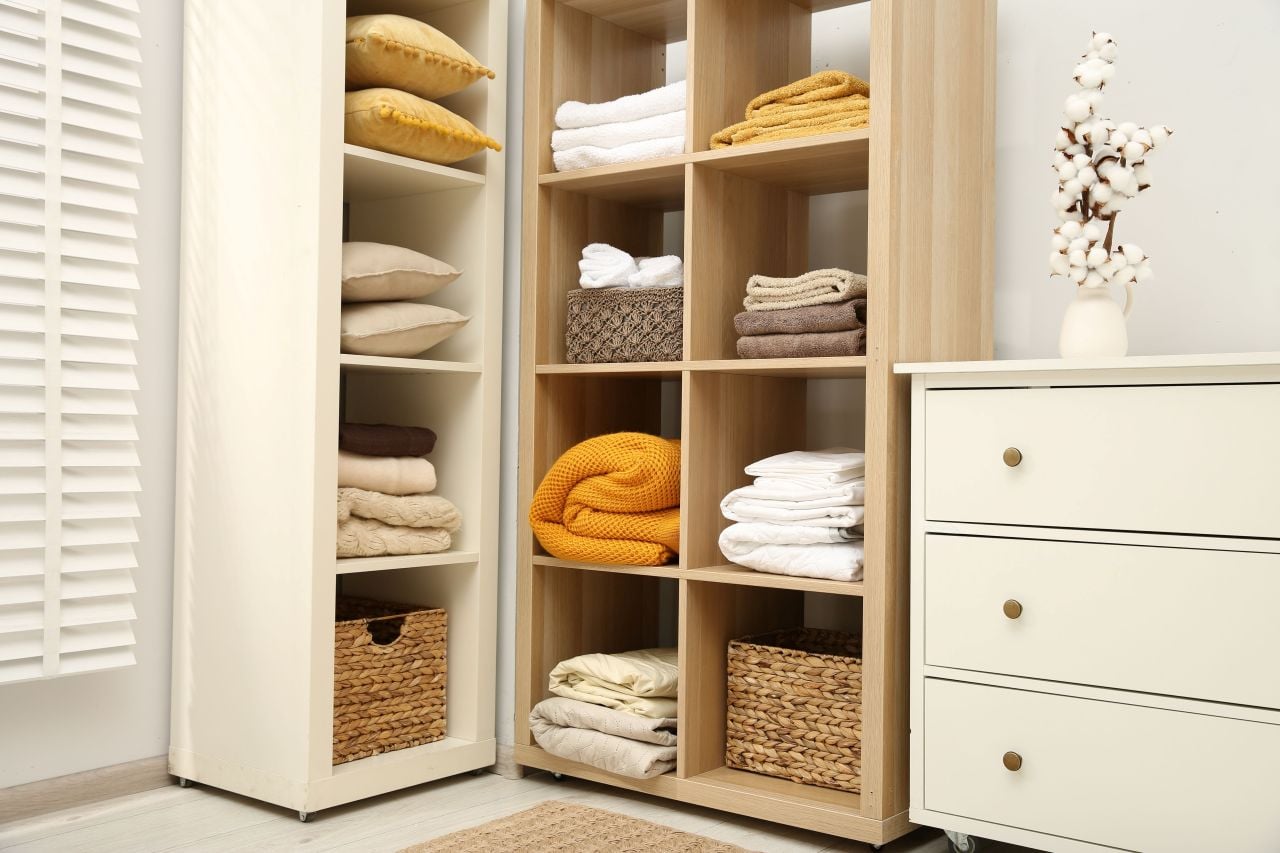
Blankets make our lives cozier, and storing them well is what keeps them soft and comfortable in the long run. Knowing how to store a blanket properly means your favorites come out of storage smelling fresh, feeling the same as when they went in, and lasting years longer than they otherwise would.

Board Game Storage Ideas That Keep Your Collection in Fighting Shape
Nobody warns you that getting into board games usually unlocks a second hobby, the much dreaded one that includes figuring out where on earth to put them. One game becomes a few, expansions start spawning beside their base boxes and before long, board game storage requires as much strategy as whatever is waiting on the other side of those lids.
Storage Locker vs. Storage Unit: What’s the Difference?
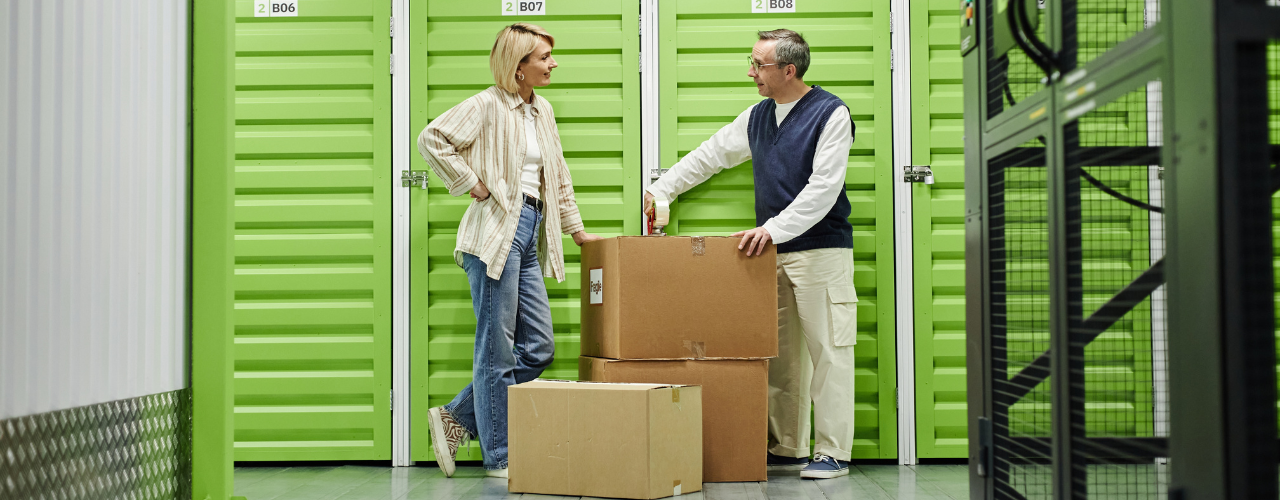
A locker and a unit may sound like two names for the same four walls and a lock, and depending on the storage facility, you may even see the terms used that way. However, once you start comparing available spaces, storage lockers tend to occupy the smaller end of the spectrum, while storage units(opens in new tab) give you considerably more room to work with.

Storage Ideas for Small Spaces: 9 Ways to Max Out Your Home
A messy home contains the seeds of its organization. Those seeds are everywhere: the space above doors, under beds, behind sofas and inside furniture can all become storage. Here are the best storage ideas for small spaces, so you can make the most of your cozy home.

Best U.S. Cities to Live Uncluttered: Plano, TX, Offers the Most Room to Breathe
Clutter is in our homes as much as in our heads. Both are shaped by where we live.
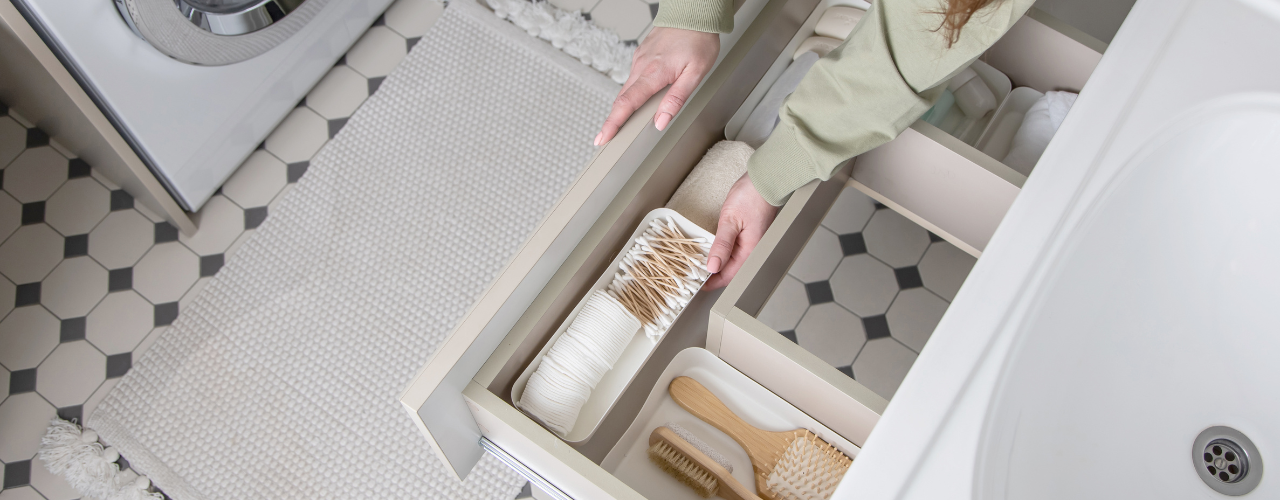
How to Organize Your Bathroom: 8 Ways to Stay Tidy
You already know why an organized bathroom is worth the effort, but let us remind you: it makes rushed mornings easier, keeps counters cleaner and just helps get you in the mood to go through your skincare routine like you should. Plus, in bigger households, it helps everyone find what they need. And you know how much a tidy bathroom counts for your self-esteem when a guest or a partner shows up. Luckily, you don’t need a degree to know how to organize your bathroom. The secret is keeping less, giving every item a home and making that home simple to use. Let’s go through some practical steps can help you create a bathroom that stays functional and nice to look at.

How to Use Silica Gel Packets for Storage
Moisture can cause significant damage to items in storage, leading to rust on tools, mold on clothing and warping in documents. Silica gel uses science to fix that. Often found in small packets inside product packaging, silica gel is a desiccant that absorbs moisture from the air, keeping your stored items dry and protected. This guide explains what silica gel is, how it works and how you can use it to preserve your belongings in self storage.