

Living in a small apartment doesn’t mean settling for cramped or chaotic. With the right systems in place, even limited square footage can feel organized, functional and surprisingly comfortable.
The key is understanding how to organize a small apartment properly, choosing the best furniture for a small apartment and applying smart small apartment storage ideas that make every inch count.
Below is a practical, step-by-step approach to maximizing space while keeping your home stylish and livable.
How to organize a small apartment
Before you install new shelving or shop for organizers, start by going through what’s already in your apartment. Small spaces usually feel crowded not because they’re poorly designed, but because closets are holding clothes that don’t fit, cabinets are full of rarely used appliances and drawers are storing items that don’t need to be there.
Declutter storage areas completely

Start with closets, cabinets and drawers. Empty them fully rather than rearranging around what’s already there. This gives you a clear view of how much storage you truly have.
Clothing is usually the biggest space consumer. Take everything out and sort realistically. If you haven’t worn something in a year and it doesn’t serve a specific purpose, it’s likely occupying valuable real estate.
Move next to:
- Kitchen cabinets (rarely used appliances, duplicate cookware)
- Junk drawers (old chargers, outdated paperwork)
- Bathroom cabinets (expired products, duplicates)
- Entryway storage (excess shoes and bags)
Decluttering is the foundation of every successful small apartment storage strategy.
Create categories that make sense for daily life
After decluttering, organize items by how often you use them. Keep everyday essentials — like your go-to pans, daily skincare products or the shoes you rotate weekly — in spots that are easy to reach without shifting other things around.
In a small apartment, access shapes behavior. If putting something you use frequently away feels inconvenient, it will likely stay out. The easier it is to return items to their place, the easier it is to keep the space tidy.
Items you use less often, such as holiday serving dishes, extra blankets or off-season clothing, can go on higher shelves, toward the back of cabinets or in a self storage unit located close to your home.
Small apartment ideas for smarter layout planning
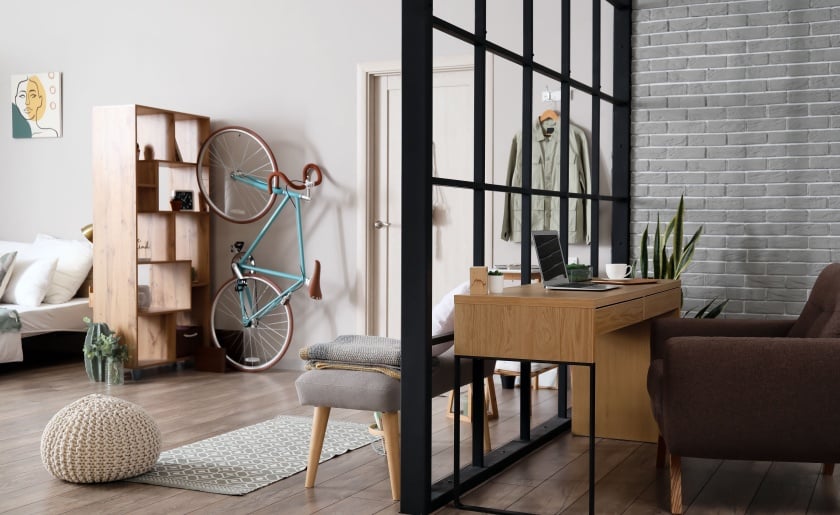
Once everything is pared down and organized, look at how your apartment actually functions day to day. In a small space, layout can make the difference between feeling comfortable and feeling cramped.
Even small adjustments — shifting a sofa closer to the wall or repositioning a desk — can noticeably improve how open and livable the room feels.
Separate functions clearly – even in a studio apartment
In a small apartment, space tends to overlap. Even if you have separate rooms, they rarely serve just one purpose. Living areas handle work and relaxation, dining tables host both meals and laptops, and everyday life unfolds within a tighter footprint. Without careful arrangement, that overlap can make the apartment feel more crowded than it needs to.
There are, however, simple ways to make a small apartment seem more streamlined and intentional. Start by creating subtle boundaries:
- Use a rug to define a living area.
- Position a bookshelf perpendicular to a wall to separate a sleeping zone.
- Angle a desk into a corner to create a dedicated work space.
Establishing activity areas prevents your apartment from feeling like one crowded multipurpose box.
Use light and mirrors to expand the space
Lighting plays a major role in how large or confined a room feels. Instead of relying on a single ceiling fixture, layer your lighting. Add a floor lamp near seating, a table lamp on a console or a wall sconce in a darker corner. Multiple light sources create depth and soften shadows, which immediately makes the space feel more open.
Mirrors can amplify that effect. Position one across from a window or near a lamp so it reflects natural or artificial light back into the room. A well-placed mirror doesn’t just brighten a space — it adds dimension and makes walls feel farther apart.
What is the best furniture for a small apartment?
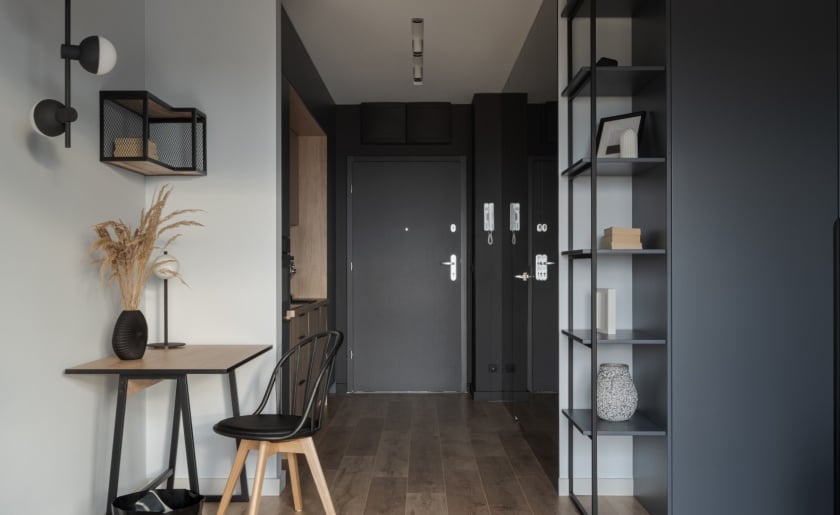
When people ask, “What is the best furniture for a small apartment?”, the answer comes down to three principles: scale, flexibility and hidden storage.
Choose furniture that fits the room proportionally
Scale matters more than people realize in a small apartment. A deep sectional or a heavy, floor-to-ceiling armoire can instantly dominate the room and restrict movement, even if technically it fits. Instead, look for slim-profile sofas, apartment-sized dining tables and chairs with open frames or lighter silhouettes.
Pay attention not just to width, but also to depth and height. A slightly shallower sofa can free up valuable walking space. A narrow console behind a couch can offer function without crowding the layout. Round dining tables often work better than rectangular ones in tighter areas because they allow easier circulation.
Furniture with visible legs also makes a difference. When light can pass underneath, the room feels more open and less visually dense. Pieces that sit flush to the floor tend to look heavier, which can make a compact room feel even tighter.
Prioritize multifunctional furniture
In a small apartment, every piece of furniture should justify the space it occupies. Multifunctional pieces are especially valuable because they reduce the need for additional items.
A sofa that converts into a bed allows you to host overnight guests without dedicating an entire room to that purpose. A storage ottoman can hold blankets, board games or extra pillows while also serving as a coffee table or extra seat. Lift-top coffee tables create hidden storage and can double as a temporary desk when working from home. Beds with built-in drawers eliminate the need for bulky dressers, and expandable dining tables give you flexibility — compact for daily use, larger when you have friends over.
The advantage isn’t just about storage. Multifunctional furniture reduces visual clutter by consolidating roles. Instead of adding more cabinets or shelving units, you’re allowing existing pieces to work harder. In a small apartment, that kind of efficiency makes the space feel lighter, more intentional and easier to maintain.
Small apartment storage ideas that maximize every inch
Now that layout and furniture are optimized, it’s time to layer in targeted small apartment storage ideas.
Make vertical space work harder
In a small apartment, walls are often underused. When floor space is limited, building upward is one of the most effective ways to create room without crowding the layout.
Install shelves that extend closer to the ceiling for items you don’t need every day, such as books you’ve already read, storage boxes or decorative pieces. High shelving keeps surfaces clear while still giving you accessible storage. In closets, add a second row of shelving above the existing one to take advantage of unused air space.
Doors are another overlooked opportunity. Over-the-door organizers can hold shoes, cleaning supplies, pantry items or toiletries without requiring additional square footage. Inside bathrooms or bedroom closets, this can free up entire drawers or shelves.
Hooks are equally powerful. Mount them in entryways for coats and bags, inside closets for accessories, or even on sturdy wall anchors for bicycles if space allows. Lifting items off the floor instantly reduces visual clutter and improves circulation.
Improve closet efficiency
Take a look at how your closet is set up. Closets in small apartments are, obviously, quite small themselves, but you can expand storage if you look at it vertically.
Move your hanging rod as high as possible and install a second rod for shirts and shorter garments underneath. This simple adjustment can almost double your hanging capacity. If shelves are stacked high with sweaters or jeans, add shelf risers so you can create separate layers instead of tall piles that collapse and waste space.
Switch to slim hangers to free up extra inches along the rod. Then give accessories a clear home. Use hanging organizers for belts, scarves or bags so they don’t crowd shelves or end up on the floor. Small structural tweaks like these can make a noticeable difference.
Use under-bed storage properly
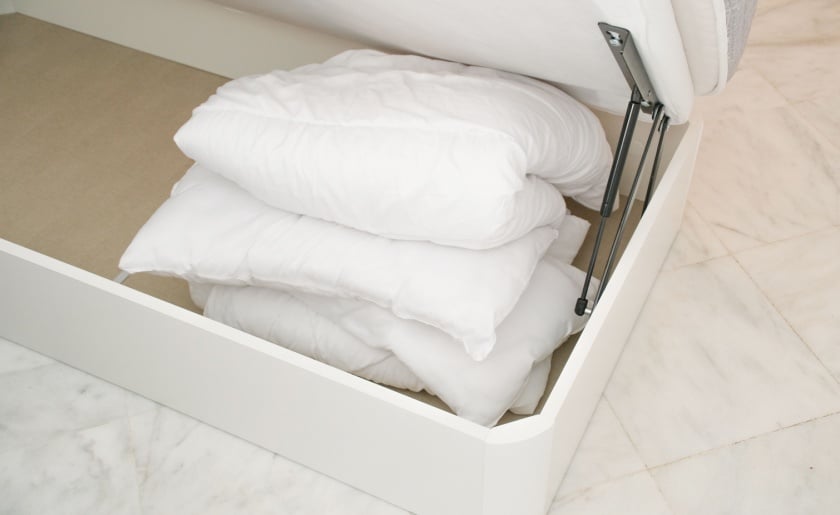
Under-bed space can either become valuable hidden storage or a forgotten dumping ground. The difference is structure.
Measure the clearance under your bed first, then choose containers that fit properly instead of sliding random boxes underneath. Rolling bins make it easier to access items without dragging everything out. For seasonal clothing, vacuum-sealed bags reduce bulk and protect fabrics from dust.
Keep categories separate. Store winter sweaters in one container, extra bedding in another, and label them if needed. That way you can pull out exactly what you need instead of unpacking the entire space.
If your bed frame sits low, consider adding risers or upgrading to a frame with built-in drawers. Even a few extra inches of clearance can significantly expand usable storage.
How do you maximize storage in a small apartment long term?
Maximizing storage in a small apartment requires ongoing attention rather than a one-time organizing session. Even well-planned spaces can become crowded over time as new items gradually enter your home. Regularly reviewing closets, cabinets and drawers helps prevent that slow buildup from turning into a space problem.
Set aside time every few months to reassess what you’re actually using. Clothing that hasn’t been worn in the past year, kitchen tools that never leave the drawer or decorative items that no longer fit your style can all be reconsidered. Small apartments benefit from active editing; keeping only what serves a purpose makes it easier to maintain order.
Seasonal rotation also plays an important role. There is no need to keep heavy coats, boots and holiday décor accessible year-round. Store them in less convenient spaces when they are not in use and bring them forward when needed. The same principle applies to sports equipment, hobby supplies or guest bedding.
Being mindful about new purchases is just as important as organizing existing belongings. Before buying something new, decide exactly where it will live. If you cannot identify a realistic storage spot, it may not be the right addition to your apartment.
How to decorate a small apartment without making it feel smaller
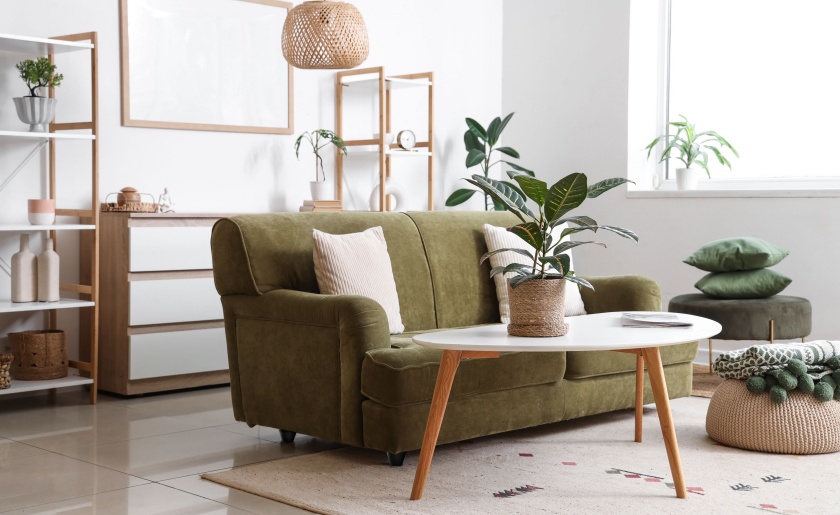
Decorating a small apartment is less about adding more and more about choosing carefully. Every object you bring into the space has visual weight, so balance matters.
Start with your larger pieces. Sofas, rugs and bedding in lighter or neutral tones tend to make a room feel more open because they reflect light instead of absorbing it. That doesn’t mean everything has to be beige. You can still introduce color and personality, but it helps to concentrate it. A bold armchair, a patterned rug or a piece of statement artwork will have far more impact than scattering small decorative items across every surface.
Wall space should feel intentional, not crowded. Hang artwork at a height that draws the eye slightly upward, which subtly emphasizes ceiling height. Instead of creating a dense gallery wall in a tight room, consider one larger piece or a well-spaced arrangement. Leaving some wall area uncovered actually enhances the pieces you do display.
The same goes for surfaces. A coffee table or console doesn’t need to hold multiple décor items to look styled. A tray with a few thoughtfully chosen objects often feels more refined than several unrelated pieces. Allowing empty space around décor helps the room feel calm and balanced.
When thinking about how to decorate a small apartment, remember that visual clutter can make a room feel smaller even when it’s technically organized. Thoughtful restraint, defined focal points and a cohesive palette go much further than filling every corner.
When self storage makes sense for a small apartment
Even with smart layout decisions and efficient small apartment storage ideas, there comes a point where space simply reaches its limit. That doesn’t necessarily mean you own too much. It often means your apartment isn’t designed to hold everything long term.
Consider items that take up significant space but aren’t used daily. Holiday decorations may only come out once a year, yet they occupy an entire closet shelf. Ski gear, camping equipment or surfboards can dominate valuable storage areas for most of the year. Extra books, photo albums and keepsakes are meaningful but don’t need to sit on open shelves at all times.
In these situations, self storage can function as a practical extension of your home. Instead of overcrowding closets, you can rotate belongings based on the season. Store winter clothing and boots during summer months, then swap them when temperatures change. Move hobby equipment off-site during periods when you’re not actively using it. This approach keeps your apartment lighter and easier to manage without forcing you to give things up.
Self storage can also help during life transitions. If you’re moving between apartments, working from home in a tighter layout or temporarily sharing space with a partner or roommate, having access to a nearby unit provides flexibility without long-term commitment.
If you plan to store items for several months or longer, climate-controlled units are worth considering. They help protect books, fabrics, artwork and important documents from temperature fluctuations and humidity.
Sel storage isn’t a substitute for organization in a small apartment, but it certainly complements it. By removing low-rotation items from your everyday living space, you create room to breathe inside your apartment while still keeping what matters.


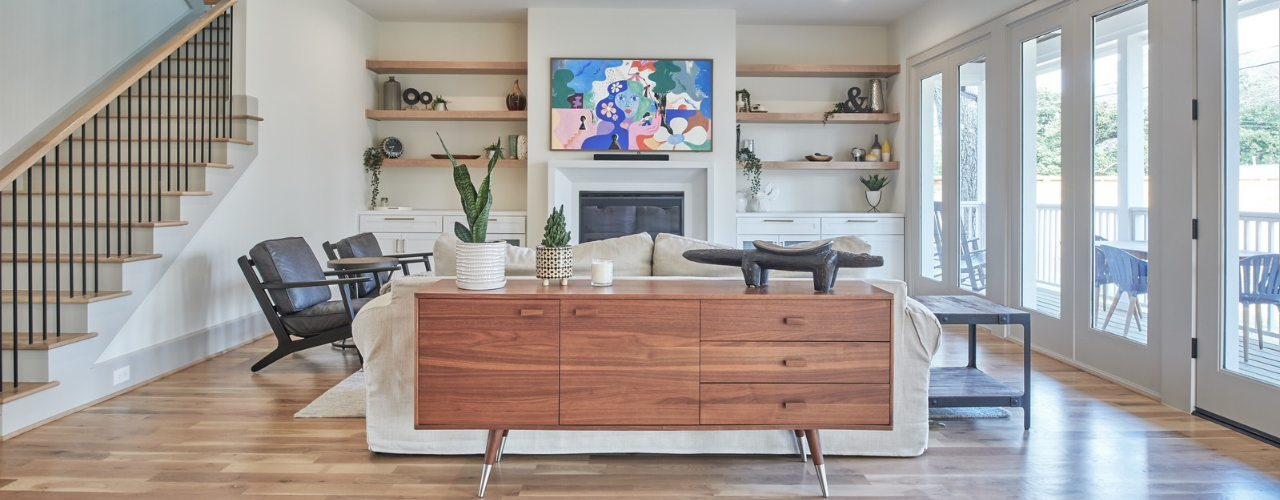
Living Room Storage Ideas: 28 Ways to Reclaim Your Hosting Space
If a living room is where most of a household’s living happens, good storage should be the top priority for setting up or revamping the place. After all, think of how easier it would be to have people over when tidying up the place is just a matter of putting things in their right place (in a time when fewer and fewer people are entertaining friends at home(opens in new tab)). The trick is making room for all those wayward clothes, blankets, chargers and other small things that end up on (or, inexplicably, in) the sofa. Here are 28 living room storage ideas to get you started and make tidying up a quick affair.
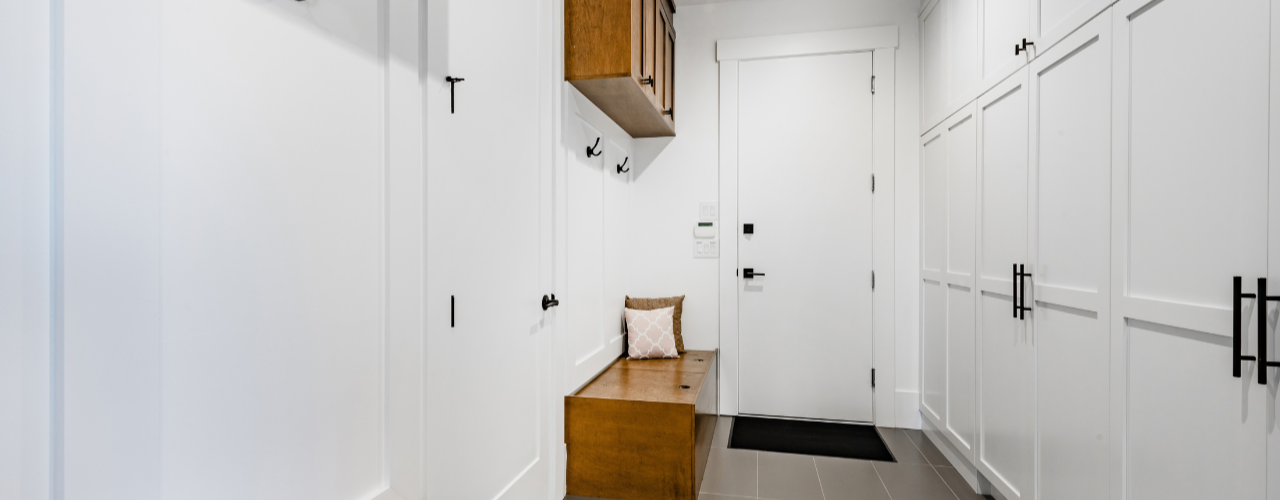
25 Mudroom Storage Ideas (And Mistakes to Avoid)
When you come home with muddy boots, an armful of bags and a coat you can’t wait to take off, it’s nice to have somewhere to put it all. With a mudroom, you can leave the outdoor mess at the door instead of carrying it through the house. Traditionally, you’d set aside a separate room, but you can just as easily use a hallway, an entryway closet, a laundry-room corner or a stretch of wall near the entrance.
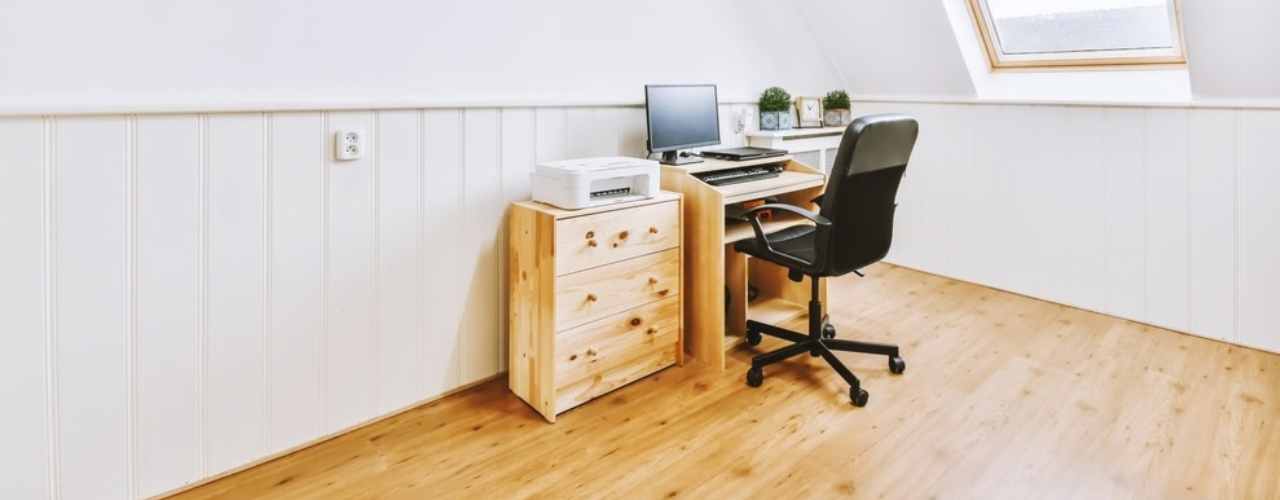
Is Your Home Office Worth the Rent? What Coworking and Self Storage Could Save You
Every square foot of your apartment comes with a price tag, and a home office claims more of them than most renters expect. It starts with a desk. Then come the second monitor, the printer, the filing cabinet and the overflow boxes. Before long, the corner you set aside for work has turned into a small room you are paying for every month.
Best U.S. Cities to Live Uncluttered: Plano, TX, Offers the Most Room to Breathe
Clutter is in our homes as much as in our heads. Both are shaped by where we live.

America’s Top Snowbird Destinations for 2026–2027: Florida Leads in Numbers, Texas Wins on Value
For Americans living in colder states, the approach of winter is reason enough to start looking south. Cold weather carries costs that go beyond the heating bill and shoveling snow. Seasonal affective disorder(opens in new tab) is far more prevalent in northern states, so a temporary move south isn’t simply an escape from the cold, but a chance to spend the hardest stretch of winter outdoors and in the sun.
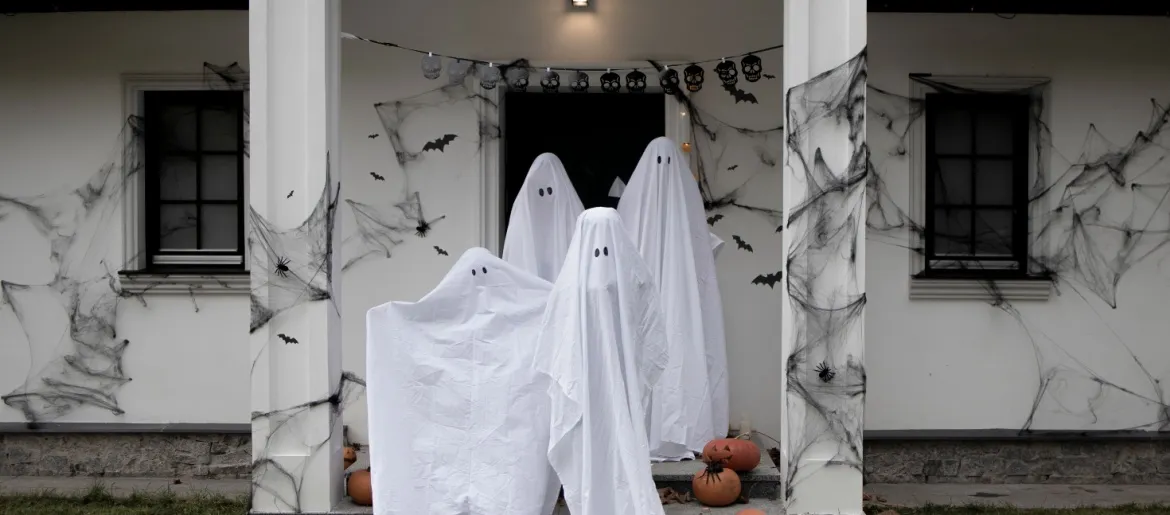
How Much Does Halloween Really Cost in 2026? Plan Wisely to Avoid the Scare of Hidden Costs
Americans’ love for Halloween is almost frightening — this year alone, we are on our way to spending $13.5 billion, according to data from the National Retail Federation(opens in new tab). That breaks down to about $115 Halloween costs per person, a whopping 49% more than 10 years ago.
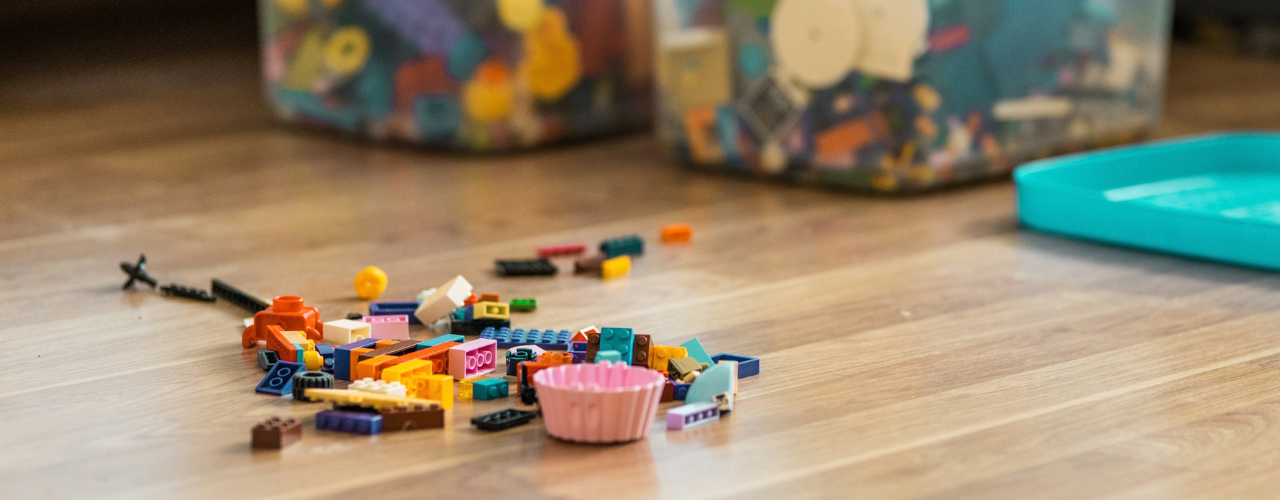
How to Store LEGOs: All the Fun, None of the Clutter
How to store LEGOs largely comes down to how your household uses them. If the bricks are part of everyday play, you need a setup that keeps them within easy reach and makes cleanup quick (for your feet’s sake, at least). Toy storage(opens in new tab) such as simple bins, playmats or containers that children can put away themselves may be enough. Larger or more serious collections usually need more organization, such as labelled drawers for loose pieces, trays for unfinished builds, shelves for completed models and separate storage for retired sets.
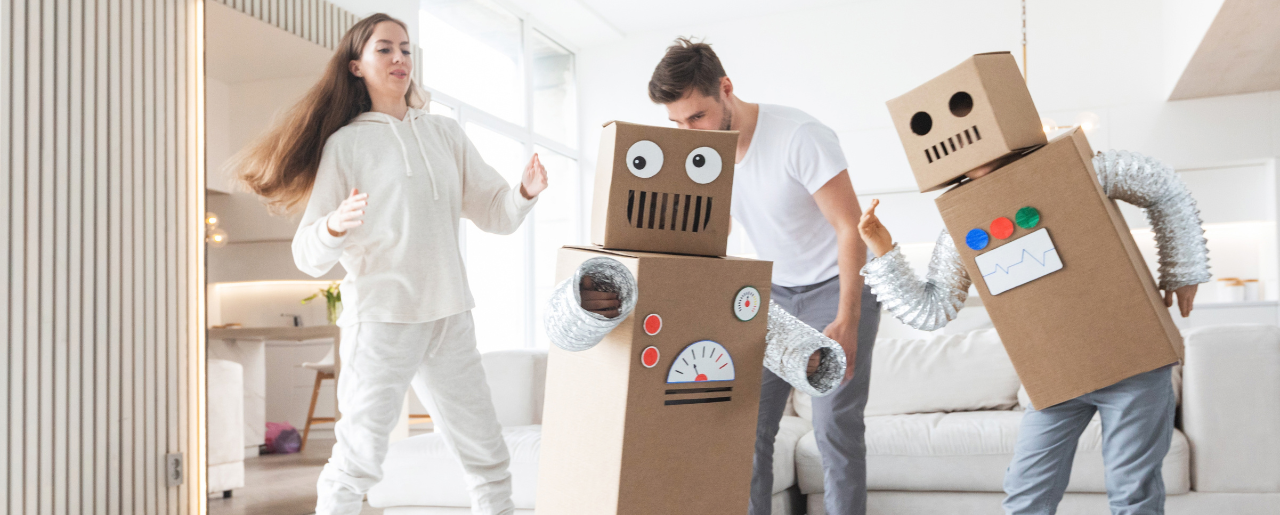
Cardboard Costume Guide: Tips and Ideas for a DIY Halloween
Whether for kids or adults, cardboard costume ideas often make the biggest splash once materialized, and that’s for a simple reason: doing a lot with a little is a universally impressive feat (especially in this economy). If you don’t have enough boxes you could temporarily repurpose, don’t worry! There are many places where you can find free moving boxes(opens in new tab), from stores and supermarkets to online groups and recycling drop-off spots. On the run? Try your luck at a self storage(opens in new tab) facility that sells moving supplies, often for cheap. This way, you can choose moving boxes of different shapes and sizes(opens in new tab), so you can make your costumes as complex as you want.

How to Celebrate Halloween: 9 Non-Spooky Ways To Enjoy It
As soon as October starts, it’s the official Halloween month. And while for many people it means it’s open season to get the scare of a lifetime, others, especially families with small children, might prefer to celebrate in a tamer way that’s both kid- and adult-friendly. While you’re likely to find more events where the spook factor is high, here’s how to celebrate Halloween in a not-so-scary way: