

There are almost 3.5 million computer professionals in the United States and they can’t all fit into Silicon Valley. IT workers remain among the top earners in the country, but their home-buying power is still greatly influenced by market conditions. One of our most recent studies looks at the best metros to buy a home in depending on your occupation, and the results might come as a surprise.
All but one of the top 10 best metros for IT workers to buy a house in are found on the Eastern Seaboard. West Coast cities may be big payers, but their exorbitant housing prices will severely diminish the buying power of those seeking to relocate there. No, it’s not the huge cities you have to look at to get the best bang for your buck – in fact, only two of the metros on our list are among the top 10 most populous in the U.S.
1. Washington, D.C.
Median home price: $530,940
Average income: $117,850
The nation’s capital comes in at the top due to its wealth of government jobs and high-performing economy, which bring computer professionals an average income of $117,850 per year. This makes Washington, D.C. a great place to buy a house despite its relatively high average home cost of $530,940.

2. Baltimore, Maryland
Median home price: $357,943
Average income: $113,513
Not too far away from Washington, D.C., Baltimore ranks second due to its high salaries which can be leveraged much further given its lower average housing cost, especially when compared to DC. An average annual salary of $113,513 set against an average home cost of $357,943 means that IT workers can expect to save up the money for a down payment in a little over three years, the shortest time on our list.

3. Durham, North Carolina
Median home price: $375,748
Average income: $106,394
Durham is one of the three corners of the Research Triangle, and it’s not the only one on our list. Spurred, therefore, by a thriving education and research sector, Durham offers great opportunities for computer professionals and an attractive median pay of $106,394 annually. Not only that, but housing prices are on the lower end of the spectrum, costing an average of $375,748.

4. Bridgeport, Connecticut
Median home price: $529,782
Average income: $106,239
You might have thought New York City would make the cut, but it seems its neighbors are far more welcoming to IT workers. The former industrial powerhouse and birthplace of the Frisbee offers great IT salaries, on average, but earns a lower rank on our list due to its high housing prices, which almost match those of DC – $529,782. On average, you would need almost five years to save up for a down payment on a new house, more than in any other city on this list.

5. Providence, Rhode Island
Median home price: $421,737
Average income: $104,715
Founded almost 400 years ago, Providence has a complex and fascinating past, much like its winding streets. However, the city and its metro area seem to have turned into a great place for people with very future-facing careers. Computer professionals earn a median income of $104,715 per year here, which means they can save up for a down payment for their Providence home in about 4 years.

6. Charlotte, North Carolina
Median home price: $339,837
Average income: $102,316
As the second-largest banking center in the United States, it’s no wonder that Charlotte has highly rewarding jobs for computer professionals, with average earnings amounting to $102,316. However, it also has another thing going for it – its housing prices are some of the lowest on our list, coming in at an average of $339,837.

7. Raleigh, North Carolina
Median home price: $401,821
Average income: $102,033
The second city on our list that is part of the Research Triangle, Raleigh isn’t far behind. An average IT salary of $102,033 gives you a great start when looking for a home, with the average house costing around $401,821. You’ll be glad to know that this metro also boasts the lowest self storage prices on our list with an average rate of $96/month for a standard 10×10 unit.

8. Worcester, Massachusetts
Median home price: $390,443
Average income: $101,070
The “Heart of the Commonwealth” has proven to be a welcoming place for people from all over the world. And those working in IT may feel particularly welcome in Worcester, since they can make an average of $101,070 per year here, against a median home price of $390,443.

9. Atlanta, Georgia
Median home price: $339,074
Average income: $100,802
Atlanta is a big metro of over 6 million people, so it might be surprising to hear that it’s got the lowest average housing price on our list – $339,074. However, computer professionals can still expect to earn about $100,802 per year on average, which means they can begin moving preparations in a little over 3 years. No wonder IT workers there refer to it lovingly as the Silicon Peach.

10. Minneapolis, Minnesota
Median home price: $360,284
Average income: $99,530
The Minneapolis metro is the only one on our list to not be located on the Eastern Seaboard. It is also the only entry where the average annual pay for IT jobs is just under $100K – $99,530 to be precise. Don’t let that discourage you though, as housing is very much within an affordable range with an average price of $360,284 for a home.

While it might seem surprising that the situation is so one-sided geographically, it makes sense in the larger context. Indeed, IT salaries are highest on the West Coast. But over there, well… they have to be. San Jose and San Francisco both have average asking prices of well over $1 million for an average home. Meanwhile, that money could buy you two or three homes across the Rockies, and with some change left over for as much storage space as you could ever need. You can even have the best of both worlds, keeping an RV in storage on the East Coast for your holidays across the country.
Check out some of the available units and prices here:
[vc_section]
[vc_row]
[vc_column width=”1/3″][vc_column_text]
[/vc_column_text][/vc_column]
[vc_column width=”1/3″][vc_column_text]
[/vc_column_text][/vc_column]
[vc_column width=”1/3″][vc_column_text]
[/vc_column_text][/vc_column]
[/vc_row]
[/vc_section]
While the idea of a cutting-edge tech career in sunny California still has an undeniable appeal for many, the truth is that many of the economic and administrative centers of the eastern United States might give you more while asking for much less. It’s hard to say no to that.



Should You Vacuum Seal Clothes? Everything You Actually Need to Know
Vacuum storage bags seem like the perfect solution when storage space is an issue: suck out the air, shrink that pile of winter sweaters into a fraction of the space and suddenly your closet is no longer overflowing. For the right types of clothes or other household linens, vacuum bags are actually quite handy and a great way to save closet space.

ATV Storage Guide: How To Store and Winterize Your ATV
The riding season is winding down, and that’s when most people start thinking about ATV storage. Keeping an ATV at home isn’t always easy. Garages fill up fast, sheds are rarely built for a four-wheeler and some apartment complexes and homeowners associations don’t allow one in the parking lot or driveway.
21 Garage Storage Ideas: Free Up Your Floor Space
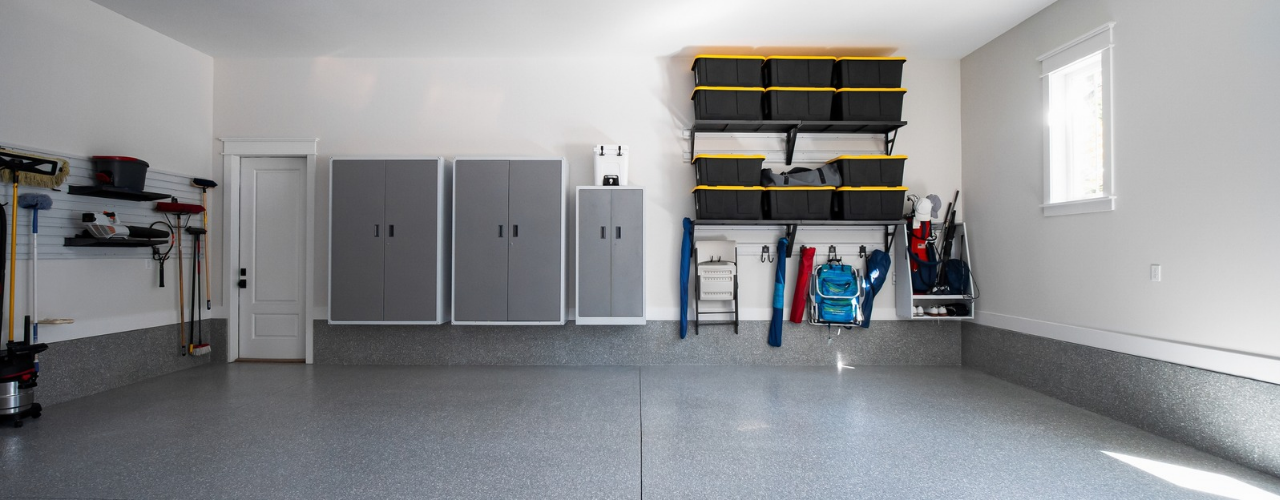
Garage storage is more important than it sounds, because it helps you move things off the floor and onto walls, ceilings and rolling units. In time, this makes a big difference and saves you from awkwardly tiptoeing around stuff you’ve left on the ground. Use the garage storage ideas below and you’ll build a setup that fits what you own, how often you use it and how much space you have.
How to Move a Piano: Moving, Insurance & Storage Guide
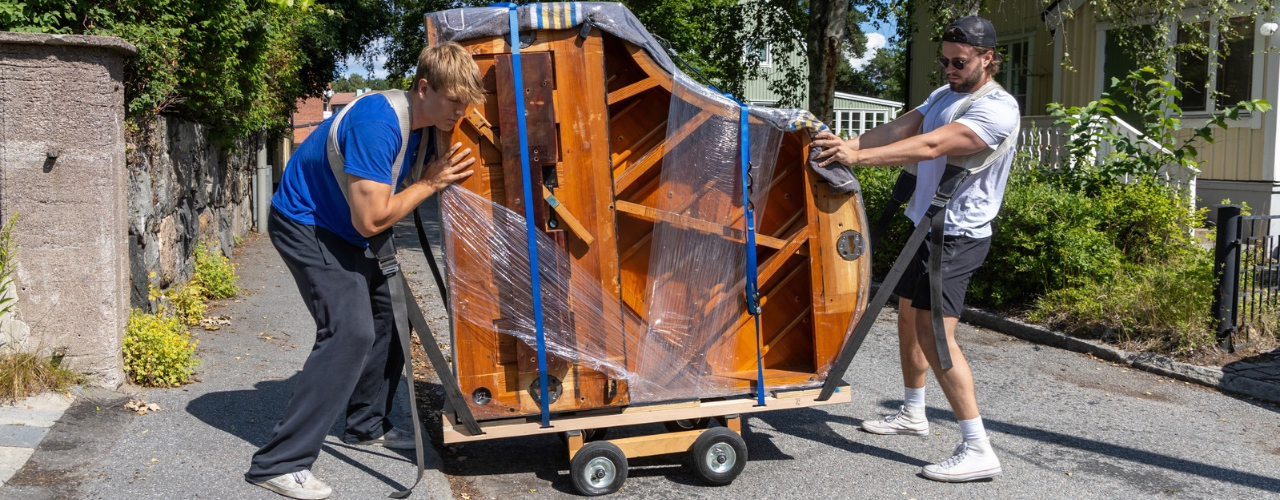
Before we get into the nitty-gritty of the matter, let’s agree on the simple fact that, unlike other types of relocation conundrums, moving a piano is just a very cool thing to see, let alone accomplish. The labor that makes piano concerts possible and keeps legendary instruments alive, a piano relocation takes meticulous planning, special equipment and a crew that really knows their stuff. That is, unless you’re set on recreating the piano crash of a classic Looney Toons gag.

Hall Closet Organization: 30 Ideas for Simpler Storage
Be it built-in, freestanding, or wholly improvised, your hall closet works best when you can grab anything quickly and put it back just as fast. These 30 ideas for organizing your hall closet walk you through planning, deciding where things go, choosing the right containers and way more. By the end, you’ll even know what to do when your closet still runs out of room.

Holiday Decoration Storage: A Guide for Every Season
Taking down the holiday decorations is never as exciting as putting them up. One minute, your home is looking wonderfully festive, and the next, you’re trying to remember which box the Christmas ornaments came in while wrestling with a string of lights that managed to tie itself into a dozen knots. With every holiday bringing its own collection of decorations, a good holiday decoration storage system helps you keep a growing collection under control.

Where to Get Moving Boxes in Philadelphia
Philadelphia’s historic charm can put your patience to the test on moving day. Between cobblestone streets, narrow rowhouse entrances and the occasional pothole, you don’t want to worry about not having enough boxes on top of it all. Start gathering your moving boxes early and you’ll have one less box to check off on packing day. Luckily, you have plenty of places to get your boxes from.

Art Supply Storage from A to Easel
Paint tubes, brushes, sketchbooks, scraps of paper, beads, half-used rolls of tape and that one very specific pen you swear you just had in your hand. Building up an art supply collection is rarely a neat process, and each new material brings its own storage needs.

Scary Good DIY Halloween Decorations That Won’t Haunt Your Wallet
A few floating candles in the hallway, a family of ghosts by the front door and a suspicious number of bats climbing up the bedroom wall can make October feel a whole lot spookier. While Halloween stores are full of tempting finds, some of the best DIY Halloween decorations can come from things you already have tucked away in drawers, closets or the recycling bin.