

The word “insurance” immediately strikes up thoughts of cars and houses as well as less tangible but infinitely more important things like health and life. But don’t forget about the items in your life that you care about. Putting something like furniture, clothes or appliances in self storage doesn’t signify a lack of care for them, but rather the commitment to continue keeping and caring for them in the future. Self storage insurance is just the next logical step! However, there are things you should know before signing on the dotted line.
To navigate this important step, we’ve reached out to Bill Howe, manager at Yardi’s Risk Management Solutions department and specifically the GoodShield Storage Protection division. GoodShield offers protection for self storage tenants against damage or loss of stored belongings due to fire, smoke, lightning, wind, water damage and theft.
Many questions regarding self storage insurance are answered with “first check the details of your policy.” Policies can vary by insurance company, and legal definitions can vary by state, so it’s often hard to give universal answers to some questions. But what are some of the universal things people should avoid when shopping for storage insurance, regardless of company or state?
Avoid any coverage that sounds too good to be true. This is a basic rule in insurance, especially when it covers multiple subjects like commercial fleet insurance and self-storage insurance. Also avoid large coverage amounts with minimal premiums, policies that do not cover theft, or coverage that is not enough to cover ALL of what you have stored. Do not accept a policy that doesn’t offer “Replacement Cost” (RC) instead of “Actual Cash Value” (ACV) coverage.
Homeowner’s or renter’s insurance can cover some stored items up to a certain percentage. Is this enough for most storage users?
This depends on the total value of the items in storage. Most renter’s policies traditionally provide 10% of the policy’s total limit for contents/personal belongings off premises. So, if a policy has a contents coverage amount of $10k, any loss to items off-premises from the covered dwelling would only be covered up to $1,000. However, many policies specifically exclude items that are stored in a professional storage facility. So always check your policy and speak with your agent / representative to make sure your policy will cover these items.
Many storage facilities offer their own storage insurance. Is it usually better to go with this option or to go with a third party?
Storage facilities that offer their own coverage are an easy and convenient way to cover your stored items. However, this also always depends on the company that actually underwrites the insurance. Just be sure that the coverage offered is from a reputable insurer. In addition, it can be very difficult to obtain third party coverage specifically and only for stored items without purchasing an Inland Marine policy, which tends to be more expensive.
Some self storage users live in areas with high risks of earthquakes, floods, hurricanes, wildfires and so on. What should they expect when looking for storage insurance?
Earthquake is usually an excluded peril on these policies. However, it is available in high-risk areas. Flood coverage is also usually available, and wind is usually a standard covered peril. Policies usually cover fire, regardless of the source. In some areas, you can add additional endorsements to cover some of these items. It very much depends on the location.
Can you tell us a bit about the specifics of vehicle storage insurance and how it applies to vehicles that are declared legally off the road?
This all depends on the policy; some policies specifically exclude motorized vehicles. This is truly a case of checking the policy to make sure those items are covered and not excluded.

What advice do you have for those who need to store more valuable items, like jewelry or art? How often does the renter need to contact an evaluator when insuring such items?
Owners need to cover items such as these under an endorsement to a homeowners or renters policy; storage insurance will have small limits for these items if any coverage at all. There may be limits as to what, and how much, you can add to this coverage. There are also stand-alone policies in the marketplace that are available specifically for these items. Usually this will be via an Inland Marine policy. Also, this will almost always require recent professional appraisals for all “high-risk” (high-theft/high-value) items.
A quick scenario: A storage user fails to pay rent on their unit for several months, and the facility, after exhausting all legal recourse, decides to auction off or otherwise dispose of the contents of said unit. The items are still covered by a third party insurance policy, which the user still pays. What happens?
This is a very tricky question. Since the user is under contract and the owner / operator has the legal recourse to sell or dispose of the property, coverage will not come into play for these items. Also, the user would NOT be able to claim the items as lost or damaged. The policy in place would essentially be void due to a breach of contract with the owner/operator.
Can you tell us a little more about GoodShield and what it does differently from other insurance policies?
The most important differentiator between GoodShield and other programs is our proprietary integration within the facility management software platform. This greatly reduces the work for the on-site storage staff and provides immediate turnkey coverage for renters. The advantage is smooth, “hands-off” policy integration and management, as the system does most of the work. In addition, all renters are pre-approved and there are no underwriting questions or credit checks. The claims process is also streamlined and faster. All of this makes the program exceptionally convenient for both the renters and the on-site facility users.

If you’re currently looking for a self storage unit, be sure to check out storage facilities near you and use the included contact number to get all the details related to insurance and amenities.
The goal of any insurance policy is to make the unexpected a little less so, no matter what you insure. Take the time to research policies carefully and make sure you know the true value of your belongings and the storage unit size you need. Songwriters and poets love saying “you never know what you have until it’s gone” but good storage insurance says otherwise!



Gen X Has a Lot of Stuff, but They’re Surprisingly Good at Finding a Place for It
At some point in adult life, you realize you’ve accumulated a lot of perfectly useful stuff: a bike you still ride now and then, 20 years’ worth of Christmas decorations, furniture inherited from your parents and camping gear you fully intend to use again (any day now).

14 Bedroom Organization Ideas for a Clutter-Free Space
Your bedroom is supposed to be this serene, calming space where you wind down. That’s not an easy feat, because, in reality, it also holds clothes, shoes(opens in new tab), bedding(opens in new tab), books and whatever you emptied out of your pockets last night. Our bedroom organization ideas are about making the most of the storage space you already have and deciding what actually belongs inside the room.

Patio Furniture Storage: Where to Keep It, How to Protect It and How Much Space You Need
Proper patio furniture storage determines how your (frankly, pretty expensive) outdoor furniture looks and holds up next spring. A winter of snow, rain, humidity and repeated freezing and thawing can warp frames, rust metal and ruin cushions. How much protection each piece needs depends on what it’s made of, so some can stay outside with the right cover while others, cushions above all, should go somewhere dry. Finding that dry space is the harder part, since a dining set or sectional takes up a lot of room.

How to Winterize Your Home: A Practical Checklist Inside and Out
Winter is hard on a house. Frozen pipes can burst, drafts drive up heating bills and clogged gutters or a worn roof let water in. A little preparation before freezing temperatures arrive helps you avoid most of that damage.
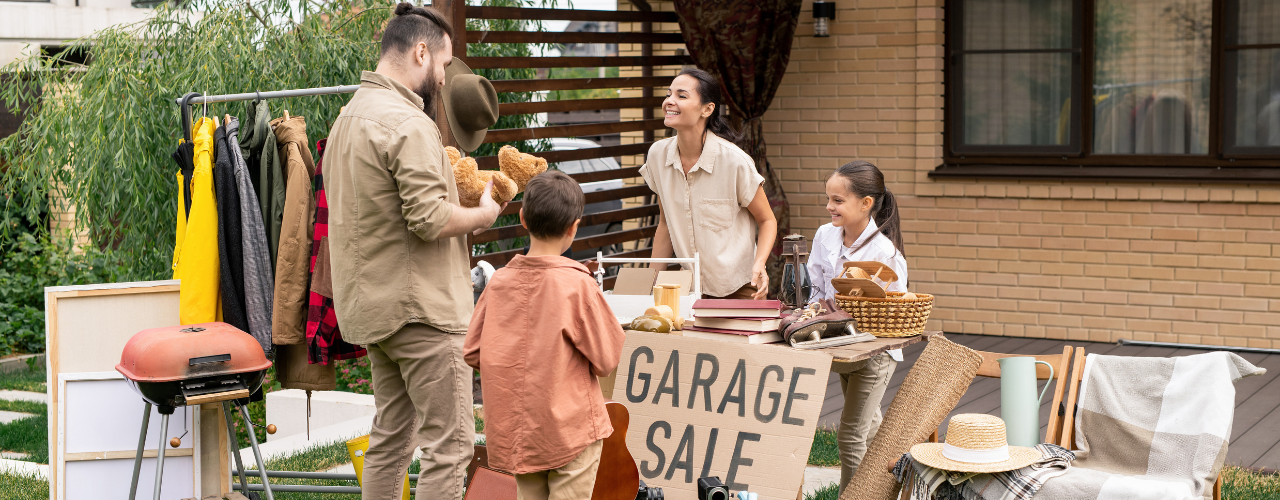
How to Have a Garage Sale That Brings in the Bucks
By 8 a.m. on a Saturday, the coffee’s brewing, the folding tables are out on the driveway and your carefully stored board game collection is waiting to find a new family to argue over Monopoly with. Somewhere down the street, a neighbor is already making the rounds with a five-dollar bill and a trunk ready for bargains. Figuring out how to have a garage sale is what turns the stuff you’ve spent years stepping around into something someone else is hoping to bring home, with a few extra bucks landing in your pocket along the way.
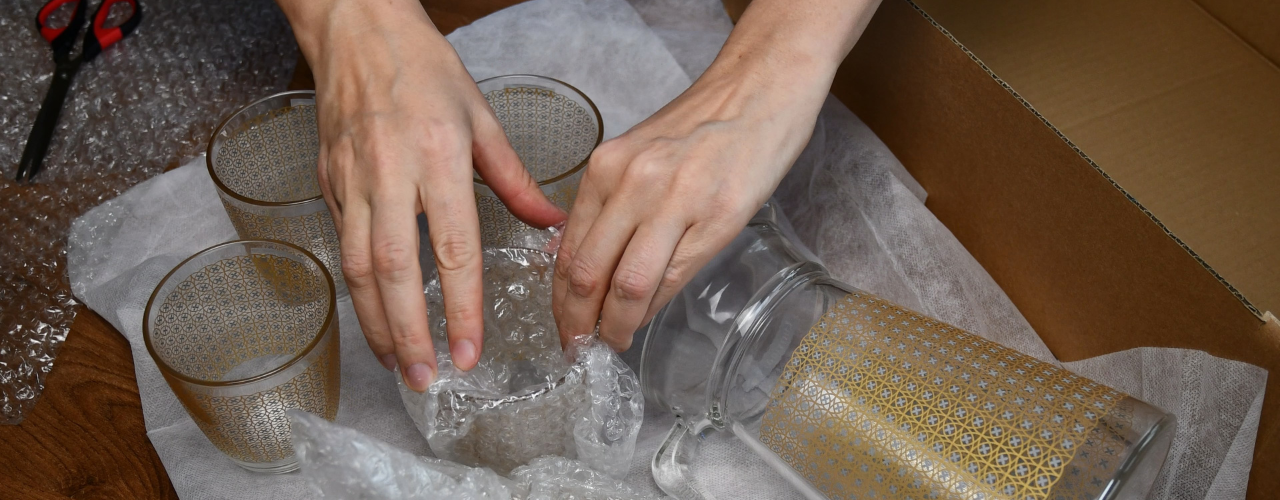
How to Pack Glassware Without Breaking a Sweat (or a Glass)
Crystal decanters and stemware passed down through generations carry reminders of evenings spent at your grandparents’ house, while Thanksgiving dinners live on in the wine glasses raised around a crowded family table. You eventually have to pack away these pieces of family history, whether you’re moving somewhere new or sprucing up your home with a little redecorating. Knowing how to pack glassware extends the life of your pieces beyond those cherished moments and keeps every item intact from the first box to the last.

Best Storage Facilities in NYC, Based on Customer Reviews
Most storage listings in New York City look the same. Reviews are where you find out what you’re getting into: whether the staff will help you, whether the building stays clean and whether your rent stays put once you’ve moved in. So we went through renters’ reviews and picked the three best storage facilities in each NYC borough. Each one gets a score out of 100, and each brand shows up only once per borough. If you’re curious how we scored them, that’s at the end.

Packing Services: Costs, Pros, Cons & Alternatives
Professional packers save time and reduce breakage, but they add a real cost to your move. Whether they’re worth it depends on how much you own, how much protection it needs and how much time you have. This guide covers what packing services cost, when they pay off, when they don’t and the cheaper alternatives worth considering.
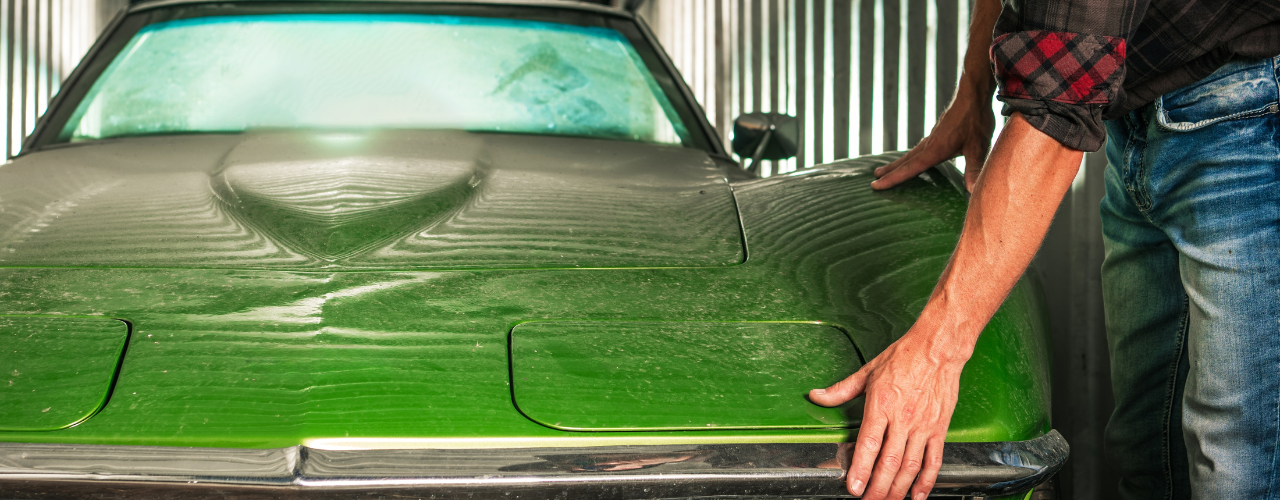
Classic Car Storage: A Guide to Protecting Your Collector Car
Any classic car you see is still there and looking great because people throughout the years knew how to store it well. Those smart decisions kept it from being damaged by moisture, frost and other issues that lead other cars to the auto-graveyard. Now, it’s up to you to carry on the legacy by choosing the right kind of classic car storage(opens in new tab). This guide compares indoor and outdoor options, explains why climate control storage(opens in new tab) is important and shows you how to prepare your car before you store it.(opens in new tab)