

Key Takeaways
- Store your classic indoors if you can, in a dry, secure space with stable temperatures.
- A climate-controlled unit or dedicated collector facility often suits valuable cars better than a home garage.
- Whatever you choose, prepare the car properly and keep it insured.
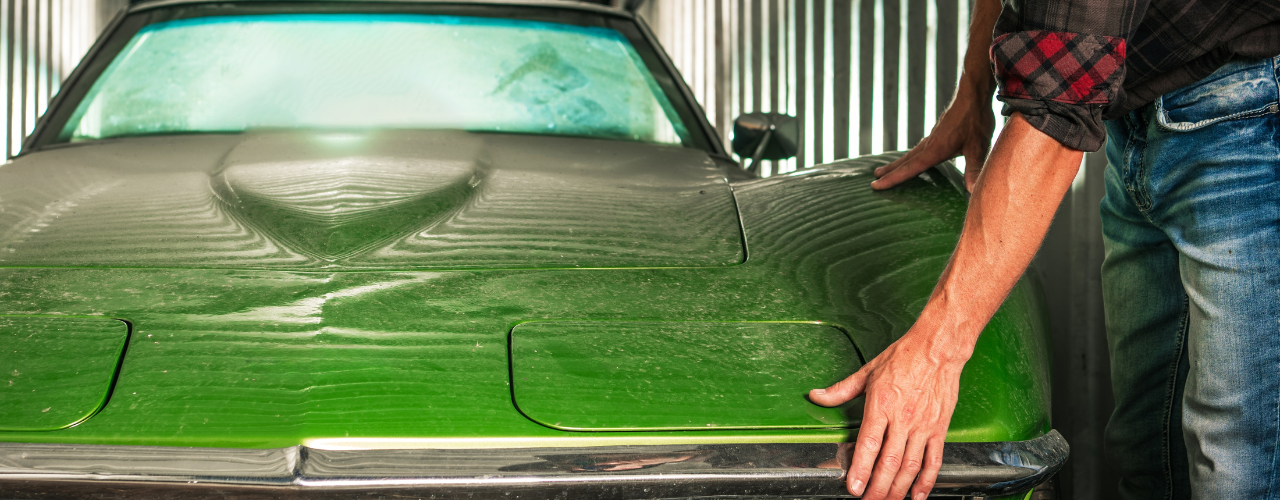
Any classic car you see is still there and looking great because people throughout the years knew how to store it well. Those smart decisions kept it from being damaged by moisture, frost and other issues that lead other cars to the auto-graveyard. Now, it’s up to you to carry on the legacy by choosing the right kind of classic car storage(opens in new tab). This guide compares indoor and outdoor options, explains why climate control storage(opens in new tab) is important and shows you how to prepare your car before you store it.(opens in new tab)
Before we get started, you can use the table below to navigate your options.
How to choose the right storage for your classic
Four questions narrow the field quickly:
- What is the car worth? A rare or high-value classic justifies climate control and stronger security. However, a more regular vintage model may do fine in a covered or enclosed space.
- How often do you drive it? If you take it out every weekend, convenience matters more. If it sits all winter, protection matters more.
- What’s your climate? Humid summers, freezing winters and coastal salt air all raise the case for indoor, climate-controlled storage.
- What does your insurer require? Classic car insurers may encourage or require policyholders to keep their car in a private garage, pole barn or storage unit, so check your policy before you decide.
Indoor classic car storage ideas
Your decision does not have to be final, but it helps to be informed as to what each type of storage can mean for your classic car.
1. Your home garage
Keeping your classic car in your home garage is the cheapest and most convenient option, and it keeps the car out of the weather. The trade-offs are space and risk. The car takes up quite a lot of space, collects dust and can get dinged by other vehicles or bikes.
Still, you can avoid all that with a good breathable cover and a clearly marked parking zone. If your garage is short on space, start with these garage storage ideas(opens in new tab) to clear space around the car. After all, even an unheated garage beats the outdoors.
2. A detached car shed
Not only does a dedicated structure give your car a home of its own and frees up your main garage, but it can also double as a workspace if you ever need to work on your classic vehicle. Still, if you plan on building from scratch, expect real costs: construction, upkeep and, in many areas, approval from your HOA or city. You should also insulate the structure, waterproof it and fit a solid lock, so add that to your budget, too.
3. An enclosed car trailer
This is basically a car for your classic car — or rather, a mobile storage unit for your classic car. The big advantage of an enclosed trailer is that it protects your vintage automobile and makes trips to shows easy while protecting the car in transit.
However, such a trailer is expensive to buy and maintain, plus it can be hitched and stolen with the car inside. Some HOAs even restrict parking trailers at home. If you do go this route, use a hitch lock and a padlock, and store the trailer somewhere secure.
4. A drive-up self storage unit
Drive-up storage units(opens in new tab) work like a private garage away from home: four walls, a roll-up door and a lock only you control. It protects against weather and adds facility security such as gated access and cameras. Ask about access hours and whether the unit has a power outlet, since you’ll need one for a battery maintainer. A 10×20(opens in new tab) unit is the usual starting point, while longer cars may need a larger storage unit.(opens in new tab) For more on how this works, see our guide to storing your vehicle in a self storage facility.(opens in new tab)
5. A climate-controlled unit or collector car facility
Climate-controlled storage(opens in new tab) is the top tier, and for valuable classics it earns its cost. Some collector facilities add services such as detailing, maintenance, battery care and transport, and some operate like car clubs with member events. Expect higher prices, possible access restrictions and, in many areas, a drive to reach one.
6. A storage condo
If you own several cars or plan to store one for years, a storage condo(opens in new tab) lets you buy a private garage space rather than rent one. Many collectors use them as personal car barns.
What climate control protects against
Moisture is the main threat. In fact, it’s probably the worst enemy of classic cars in storage. High humidity can damage electrical components and interiors and leave a musty smell after long storage.
Too dry is a problem too. If the air is too dry, moisture is drawn out of veneered dashboards, vinyl and other materials, which is why experts recommend actively controlling humidity rather than eliminating it. Recommended targets vary slightly by source: relative humidity between 30% and 60% is generally recommended.
Stable temperature matters as much as the number itself, because sudden drops cause condensation. At 60% relative humidity, the temperature would need to fall by about 15°F before condensation formed on the car. A climate-controlled unit keeps those swings small. In a home garage, a dehumidifier and an inexpensive thermo-hygrometer get you most of the way there.
Not sure your car needs it? Our guide to non-climate-controlled storage(opens in new tab) explains when standard units are enough.
Outdoor classic car storage ideas
Outdoor storage costs less, but it exposes the car to sun, moisture, pests and theft. Use it for short periods, mild climates or less valuable cars.
7. Covered parking at a storage facility
Use a covered space to keep off sun, rain and hail. The sides stay open, so dust, pests and temperature swings still reach the car.
8. A carport at home
With a carport, you get some protection and easy access, though it may need HOA or city approval. If you use one, avoid parking on surfaces that trap humidity, such as grass and dirt.
9. Your driveway
The driveway is free and keeps the car in sight, but it offers the least protection. Use a weatherproof, breathable cover, lock the car and treat this as a short-term option only.
For the self storage route: What to look for in a storage facility
Look for the important amenities.
- Security. Look for gated, coded access, cameras and good lighting. Our self storage security guide(opens in new tab) covers what to ask.
- Access hours. Make sure you can reach the car when you want to drive it.
- Power. Confirm there’s an outlet if you plan to use a battery maintainer.
- Location. Pick a facility close enough that visits stay easy.
- Fit. Lowered, modified or oversized cars may need extra clearance or space. Call ahead.
- Amenities. Compare features with our checklist of self storage amenities.(opens in new tab)
Most facilities ask for proof of ownership, registration and insurance. Check what documents you need to store a car before you go.(opens in new tab)
How to prepare your classic car for storage
Preparation matters as much as location, especially for stays of three months or more. Our full guide to preparing your car for storage(opens in new tab) goes deeper, but here are the essentials.
1. Clean it inside and out. Wash, wax and buff the car, rinse salt and dirt from the undercarriage, vacuum the interior and close convertible tops. Bird droppings and bug residue damage paint over time, and crumbs attract rodents.
2. Change the oil and top off fluids. Experts recommend changing the oil and filter, then driving about a dozen miles to work the fresh oil through the engine.
3. Decide on fuel. Advice differs here. Advice differs. Many guides recommend filling the tank, adding a stabilizer and driving a few miles to circulate it. For very long storage some experts drain the fuel system. Follow the advice for your make and model.
4. Maintain the battery safely. Disconnect the battery or use a battery tender, but avoid a basic trickle charger, which can be a fire hazard.
5. Protect the tires. Inflate tires to full or slightly over to prevent flat spots and see our guide to storing car tires(opens in new tab) for long layups.
6. Skip the parking brake. Use wheel chocks instead, because brake pads, rotors or drums can rust together.
7. Block moisture and pests. Lay a sealed plastic vapor barrier over the concrete, set rodent deterrents around the car and, if rodents are a real problem, put steel wool in the exhaust pipes and air cleaner snorkel. Remember to remove it before you start the car.
8. Use a breathable cover. Choose a fitted, breathable cotton or flannel cover; plastic tarps trap moisture.
Don’t forget insurance
Keep your car insured while it’s stored. Comprehensive coverage protects against theft, fire and vandalism, risks that don’t disappear when the car stops moving. Storage also affects your rate. That is why ollowing insurers’ storage guidelines can help you qualify for a classic car policy and a better rate. You can read up on your options in our guide to car storage insurance.(opens in new tab)
How much does classic car storage cost?
Prices depend on the type of space, the level of protection and, above all, your city. Outdoor parking costs least, covered parking more, and enclosed or climate-controlled units the most. Collector facilities with extra services cost more still. Check our storage unit price guide(opens in new tab) for local rates, or browse the car storage directory(opens in new tab) to compare facilities, prices and features near you.
FAQ
What is the best way to store a classic car?
Indoors, in a dry, secure space with stable temperature and humidity. A climate-controlled unit or collector facility offers the most protection; a well-prepared home garage works for most cars.
Is climate-controlled storage worth it for a classic car?
Usually, for valuable cars, long-term storage or humid and extreme climates. Climate control limits the moisture and temperature swings that cause rust, mold and interior damage.
Can I store a classic car outside?
For short periods, yes, but it exposes the car to sun, moisture, pests and theft. Use a breathable weatherproof cover, park on pavement rather than grass or dirt and move the car indoors for long stays.
Should I start my stored car regularly?
Brief idling can do more harm than good, because the engine rarely reaches full temperature and moisture can build up. If you can’t take the car for a proper drive, a battery maintainer and good preparation are often the better choice. Follow your manufacturer’s or car club’s advice.
Do I need insurance on a stored classic car?
Keep at least comprehensive coverage, which protects against theft, fire and vandalism. Many storage facilities also require proof of insurance.
Bottom line
The best place for a classic car is dry, secure and close enough to enjoy. A home garage suits most cars, while climate-controlled storage suits valuable ones and harsh climates. Prepare the car before you park it, keep it insured and compare car storage near you.(opens in new tab)



Packing Services: Costs, Pros, Cons & Alternatives
Professional packers save time and reduce breakage, but they add a real cost to your move. Whether they’re worth it depends on how much you own, how much protection it needs and how much time you have. This guide covers what packing services cost, when they pay off, when they don’t and the cheaper alternatives worth considering.
Classic Car Storage: A Guide to Protecting Your Collector Car
Any classic car you see is still there and looking great because people throughout the years knew how to store it well. Those smart decisions kept it from being damaged by moisture, frost and other issues that lead other cars to the auto-graveyard. Now, it’s up to you to carry on the legacy by choosing the right kind of classic car storage(opens in new tab). This guide compares indoor and outdoor options, explains why climate control storage(opens in new tab) is important and shows you how to prepare your car before you store it.(opens in new tab)

Second Acts With Roll-Up Doors: The Most Unexpected Self Storage Conversions In The U.S.
You probably don’t expect to stash your holiday decorations in a former armory. Or tuck away old photo albums where moviegoers once lined up for popcorn. But across the country, some of the most unexpected buildings are getting a second act — as self storage facilities.

Storage Unit Insurance: Your Coverage Options Compared
Your homeowners or renters policy may already cover your stored belongings, but likely not for their full value or against every risk. This guide explains where coverage comes from, what each option leaves out and how to decide whether you need more from your storage unit insurance.

I’m Gen Z: What’s in My Storage Unit?
Trading Facebook posts for TikTok dances and Beanie Babies for Labubus, Gen Z has given growing up online a whole new meaning. Defined by everything concerning reusing, recycling and cycling through trends that previous generations would rather forget (looking at you, Millennials and capri jeans), it’s no wonder this is also a generation that can spot an authentic vintage find from a fast-fashion knockoff in under three seconds. And when your wardrobe can go from Depop find to next season’s comeback without warning, a little extra space starts making sense.

I’m a Millennial: What’s in My Storage Unit?
So, you’re a Millennial. You probably know all the lyrics to Phoebe Buffay’s Smelly Cat. Hannah Montana’s The Best of Both Worlds has become more like a life philosophy rather than a fun tune. And if you rent a self storage unit, you’re in good company. You’ve officially joined the 31% of Millennials who rent storage space, most often because there simply isn’t enough room at home, according to StorageCafe’s 2026 Self Storage Demand and Trends survey(opens in new tab).

Attic Storage Done Right: What’s Worth Keeping Up Top?
The attic is one of those places where holiday decorations end up next to a forgotten suitcase, a broken lamp and boxes nobody’s opened since moving day. Out of sight, out of mind works well enough until you need something from the back or realize you’ve been adding weight to a floor you know little about.

What to Know Before Starting a Self Storage Business in 2027
If you’re wondering how to start a self storage business, two questions come first: Does your area need more storage, and what would it take to run the business? Before you commit to a property, it helps to understand local demand, the costs involved and the day-to-day work of serving renters.
How to Organize Your Garage: A Step-by-Step Guide
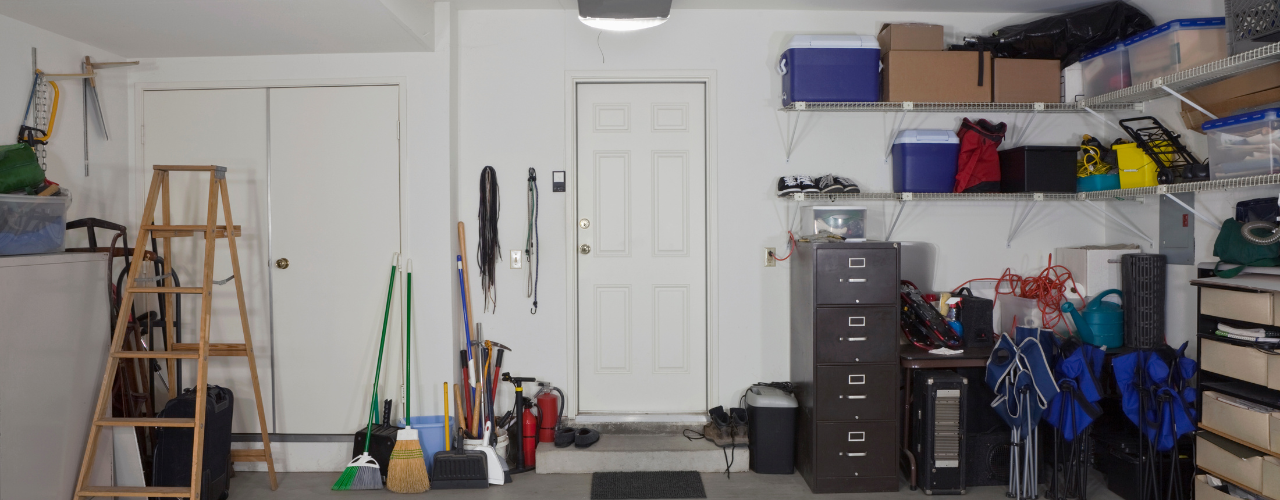
A messy garage is often the product of plain, human indecision. And no, buying more bins isn’t the end-all decision to fix a cluttered garage. Luckily, the steps you need to take are not that complicated. Decide what your garage is for, empty it, sort and measure and buy storage last. Here’s how to make informed decisions along the way, so your garage stays organized for the long term.