

Winter is hard on a house. Frozen pipes can burst, drafts drive up heating bills and clogged gutters or a worn roof let water in. A little preparation before freezing temperatures arrive helps you avoid most of that damage.
This guide walks you through how to winterize your home step by step, from checking the furnace and protecting pipes and outdoor faucets to sealing drafts, clearing gutters and testing alarms. It also covers what to do with your summer belongings, and how to prepare if you’ll be away.
Start here: Your home winterization checklist
Late fall, before winter sets in for good, is the ideal time to work through this list. If freezing weather is already in the forecast, start with heating and plumbing.

The most important parts of any winterization plan are protecting your plumbing, making sure your heat works reliably and checking your safety equipment.
Decide how to winterize your home before you start
A useful plan starts with three questions: what winter looks like where you live, what systems your house relies on and who is responsible for each job.
Match the checklist to your climate
Where you live decides what matters most. In places with long freezes and heavy snow, work through the whole list, including the roof and your snow tools. In areas with only occasional freezes, such as much of the South, focus on pipes, outdoor faucets and sprinklers, since homes there are often less prepared for cold. If your winters are mild but wet and windy, focus on drainage, trees and loose outdoor items. Drainage matters everywhere.
Identify your heating and plumbing systems
If you recently moved to a new home, or if it’s your first time doing the winterization work, it’s very important to learn where everything is. Find your main water shutoff, the valve that stops water to the whole house, along with any separate shutoffs for outdoor faucets. Know how your home is heated: a furnace blows warm air through vents, a boiler heats water or steam that flows to radiators and a heat pump moves heat from the outdoor air into your home. Also note where your exposed pipes run. Take labeled photos of each valve and the electrical panel and keep them on your phone, so you are not searching for them in an emergency.
Clarify who handles the work
Homeowners handle their own systems and exterior work. Renters should report problems promptly and ask the landlord before changing anything. Condo and townhouse owners should check who is responsible for shared systems and the building’s exterior, since some repairs belong to the association and not the owner.
Get your heating system ready for winter
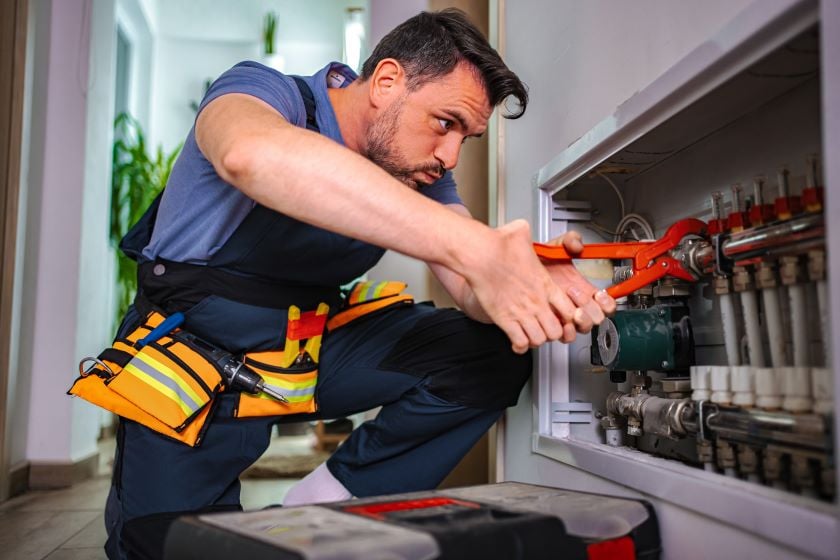
Test your heat before you depend on it, so a problem shows up on a mild afternoon instead of a freezing night.
- Turn the heating on and make sure every room warms up.
- Schedule a professional tune-up of your heating system if one is due, and book it ahead of time, since technicians fill up quickly once the real cold arrives.
- If you have a forced-air system, check the air filter and replace it if it is dirty. Clear anything blocking vents, radiators or the heating equipment.
- Have your fireplace or chimney inspected and cleaned before you use it.
- If you have a heat pump, keep the outdoor unit clear of leaves, debris and heavy snow or ice.
- If you use delivered fuel such as heating oil or propane, check the tank level and schedule a delivery before the cold sets in.
Protect pipes, outdoor faucets and water-using equipment
Frozen pipes cause some of the costliest winter damage, and most of the prevention happens before the cold arrives.
Disconnect hoses and winterize outdoor faucets
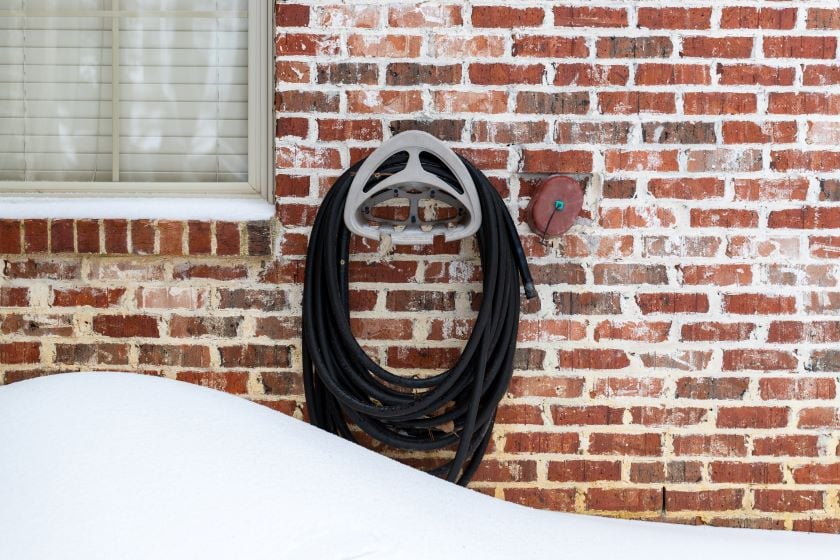
First, unhook every garden hose from your outdoor faucets. A hose left attached can trap water inside the faucet, and if that water freezes it can crack the pipe behind it. If the faucet has its own shutoff valve inside the house, turn it off and open the faucet to let the leftover water drain out. If you can’t find that valve, ask a plumber to show you where it is before the first freeze.
Frost-free faucets have a long stem that reaches into the warm part of the wall, which helps keep them from freezing. You still need to remove the hose, though. Faucet covers, the insulated caps that fit over the spigot, add some extra protection, but treat them as a backup and not a replacement for the steps above.
Insulate vulnerable indoor plumbing
Pipes in unheated parts of the house freeze first, so start there: garages, attics, crawl spaces (the low, unheated space under some homes) and outside walls. Wrap any exposed pipes in foam pipe insulation, which most hardware stores sell. Then seal gaps where cold air can blow onto them, such as where a pipe passes through a wall or floor. If a pipe still freezes easily, ask a plumber about other options, such as heat cable, an electric cable that wraps around the pipe and has to be installed exactly as its instructions say.
Prepare irrigation, pools and outdoor equipment
If you have a lawn sprinkler system, have it drained before the first freeze. This usually means blowing the water out of the pipes with compressed air, so it is often a job for a sprinkler company. Store your garden hoses indoors and empty any outdoor tools that hold water. Pools, hot tubs and outdoor kitchens each have their own closing steps, so follow the manufacturer’s instructions or hire a specialist, since mistakes can be costly.
If a hard freeze hits: Keep the heat on and know where your main water shutoff is, in case a pipe leaks. If a faucet only trickles or gives no water, a pipe may be frozen. Try warming the area around the pipe. For example, if the pipe is in the basement, point a small space heater at it, and never leave the heater unattended. If that doesn’t work, call a plumber.
Seal drafts without creating moisture problems
Sealing drafts makes your home more comfortable and cuts down on heat loss, but the house still needs some fresh air to stay dry and safe.
Check windows, doors and the garage door
Replace weatherstripping (the flexible strip that blocks drafts around a door) if it is cracked, worn or missing, and check the garage door too. Fill gaps around window frames that don’t open with caulk made for that material. Many caulks won’t set properly in cold weather, so check the temperature range on the label before you start. Removable window film (a clear plastic sheet taped over the inside of a window to block drafts) is another easy option. If you’re a renter, ensure that what you are doing is easily reversible or ask their landlord before caulking anything.
Look beyond the windows
Heat naturally rises, so much of the warm air in your home escapes through the top of the house. It slips out around the attic hatch and through small gaps where pipes, wires or vents pass through ceilings and walls. Sealing these gaps keeps warm air from leaking out and cold air from getting in.
Insulation in the attic works like a blanket over the house. It slows the heat moving up through the ceiling, so the rooms below stay warmer and your heating doesn’t have to work as hard. A thin or uneven layer lets much of that heat escape. If you’re not sure how well your attic is insulated, an energy assessment, where a specialist inspects your home to find where heat is escaping, can tell you.
Before you add anything new, repair any roof or plumbing leaks and replace damp insulation. Sealing up a home that is already damp can trap moisture inside and lead to mold.
Keep ventilation working
A sealed home lets in less fresh air and holds on to moisture, so it needs a little help staying ventilated. First, never block the vents that bring air to your furnace or water heater, because they need it to run safely. Second, clear out damp air: run the bathroom and kitchen fans if you see water droplets forming on windows and walls, and make sure you open a window in every room for a few minutes daily, to air it out and to get rid of excessive moisture.
Prepare the roof, gutters and yard for winter weather
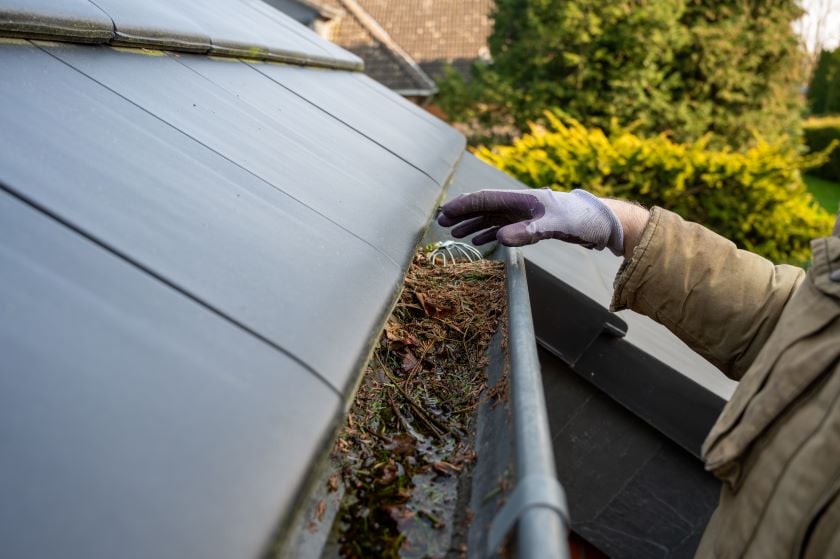
Rain, melting snow and ice all need somewhere to go, and strong wind can turn anything loose into a hazard. Checking your roof, gutters and yard now helps prevent leaks and storm damage.
Keep water moving away from the house
Clear leaves and debris from your gutters and downspouts (the pipes that carry water down from the gutters) so water can drain freely. Then check that the ground slopes away from your foundation and that water doesn’t pool next to the house. If you have a sump pump, a pump that removes water from a basement or crawl space, make sure it runs and that its discharge pipe is clear.
Inspect the roof and address ice-dam risks
Look for missing or damaged shingles and for loose metal strips (called flashing) around chimneys and vents. These weak spots matter most in winter, when heat escaping through the attic can melt snow on the roof. The water then refreezes at the edge of the roof as an ice dam, which can force water under the shingles through any gap. You can handle small, basic repairs yourself, but for anything larger or hard to reach, a roofer is the safer choice.
Secure outdoor areas
Look for dead or overhanging branches that could fall on the house, and have a professional trim them. Fix loose railings, steps and walkways so they stay safe when wet or icy. Put away or tie down anything the wind could carry, such as trash cans and garden decor, and bring in pots and water features that could crack in freezing weather.
Put summer belongings away and make room for winter
Patio furniture, cushions, garden tools and other summer items need a safe place to go during winter, be it the garage, a shed or a self storage unit. The goal is to protect them without crowding out what you need in winter: room for the car and easy access to your snow gear and emergency supplies.
Decide which outdoor items to bring indoors
Not everything needs the same treatment, but most items stay in better shape indoors. Furniture made for outdoor use can get through winter outside under a cover, though snow, damp and big temperature swings still wear it down and a cover can’t stop that completely. Cushions, cloth umbrellas and other fabrics should come inside, clean and dry, because moisture is their biggest enemy. Equipment that holds water, fuel or batteries, such as a lawn mower or pressure washer, also belongs indoors.
Clean, dry and prepare belongings before storing them
Before storing anything, clean it and let it dry completely, since damp cushions and fabrics can grow mildew. If a piece of furniture comes apart easily, take it apart and keep the screws and bolts in a labeled bag. Drain any equipment that holds water and follow manufacturer recommendations when it comes to tools and accessories that contain fuel and batteries.
Keep the garage useful
Don’t let stored summer items take over the garage. Keep the car’s parking space clear and keep shovels, ice scrapers and salt or sand for icy paths near the door, where you can grab them easily. Also keep the way clear to your water shutoff, electrical panel, heating equipment and exits.
How self storage can help with home winterization
If your garage and shed are already full, self storage gives you a separate space for the items you won’t use this winter, which keeps them out of the weather and frees up room at home. It is an optional extra that comes after the essentials of winterizing, not a substitute for them.
Move bulky items you will not need until spring
Good candidates include patio tables and chairs(opens in new tab), umbrellas, dry outdoor cushions, camping gear and summer sports equipment. Store only things you plan to use again. That can leave your garage free for the car and your winter gear.
Choose a unit to suit the items you are storing
The main choice is between a standard unit and a climate-controlled unit(opens in new tab). A standard unit is not temperature controlled, so it can get cold, hot or damp depending on the weather. In a climate-controlled unit, the temperature is kept within a set range. Sturdy items, such as metal or plastic furniture and garden tools, do just fine in a standard unit. Cushions, fabrics and wooden furniture are more sensitive to cold and damp, so they are better off in a climate-controlled one. If you are storing something heavy or bulky, a drive-up unit, which you can load straight from your car or truck, is the way to go.
Find the right unit size, compare costs and rental terms
Start by measuring your largest items, such as a patio table. Anything that comes apart, like table legs or an umbrella pole, takes up less space once it is taken apart. Pick a unit with a little extra room, so you can leave a path to reach any of the stored items without having to move around everything inside the unit.
A 5’x5′ unit, about the size of a walk-in closet, can hold cushions, umbrellas and compact outdoor gear, while a 10’x10′ unit is often roomy enough for a patio set and other bulky seasonal items. If you are not sure which size fits, our storage unit size calculator lets you add your items and gives you an estimate.
When you compare facilities, look at the total cost for the season, including any discounts, fees and required insurance. Also check the access hours and whether the facility keeps driveways and walkways clear of snow and ice.
Prepare for winter storms and power outages
A winter storm can knock out power for hours or even days, so it helps to be ready before it happens. Gather what your household would need: flashlights, phone chargers or power banks, water, food that needs no cooking, medication and blankets. Include your pets and plan for any medical equipment that runs on electricity.
An outage also raises safety risks, because people turn to space heaters, generators and candles to stay warm and see. These can cause fires and produce carbon monoxide, a poisonous gas with no smell. Test every smoke and carbon monoxide alarm now and replace the batteries if needed, so they are ready if the power fails.
If you plan to use a space heater or a generator, follow the manufacturer’s instructions and the safety advice of the Red Cross or your local fire department. Run a generator outdoors, well away from the house. Never use an oven or a grill to heat your home, because both can produce carbon monoxide.
Leaving for winter? Use a separate vacant-home plan
How you prepare depends on how long you are away and whether the heat stays on. A few weeks away calls for a simple plan. If you are a snowbird, someone who spends the winter in a warmer place, your home may sit empty for months and need more preparation.
If you leave the heat on, consider temperature and leak sensors that send alerts to your phone, and ask a neighbor, friend or local contact to check on the house. Most experts recommend keeping the temperature at 55°F or higher when you are away in cold weather. Pipes on outside walls or in unheated spaces may still need extra protection.
If you are gone for most of the winter and want to turn the heat down or off, ask a plumber for a plan that fits your home. Simply shutting off the main water valve and opening one faucet does not fully protect you from broken pipes, and appliances, drains and any heating that runs on hot water may need attention too.
What can you do yourself, and what should you budget for?
Most of the checklist cost little but your time. You can handle many tasks yourself, such as unhooking hoses, testing alarms, replacing a dirty air filter, clearing vents and gutters and making room in the garage.
Paid help makes the most sense for heating and chimney service, roof repairs you can’t safely reach and things like draining a sprinkler system or all the pipes in the home, if you are planning to leave for several months and to shut the heating off. Larger projects, such as changing plumbing or fixing a roof, are also best left to professionals and are the ones most worth budgeting for.
Costs vary with your climate, your home’s condition and the size of each job, so ask for a few local quotes before you commit. If money is tight, start with what protects against freezing, water damage and heating failures and leave comfort upgrades for later.
How to winterize your home: Frequently asked questions
When should you winterize your home?
Late fall is ideal, before winter sets in for good and ahead of the first real freeze. If cold weather is already here, start with plumbing protection and heat, and check your local forecast to see how much time you have.
What should you do first if freezing weather starts tonight?
Disconnect hoses, protect exposed plumbing, make sure the heat works and test your alarms. Everything else can wait.
Do frost-free faucets still need winter preparation?
Yes. They resist freezing only when installed correctly, and you still need to disconnect the hose.
What if you cannot find an outdoor faucet shutoff?
Disconnect the hose, cover the faucet to insulate it from the cold and call a plumber to identify the valves before a hard freeze.
Should you cover an outdoor AC unit or heat pump?
A cooling-only AC unit may be covered according to the manufacturer’s guidance. Do not cover or switch off a heat pump, because it heats your home.
What temperature should you leave the house at when away?
The Red Cross recommends at least 55°F. Vulnerable plumbing may need extra protection, so check with a plumber and your insurer.
Can patio furniture stay outside all winter?
Weather-rated furniture can often get through winter outside under a cover, but snow, ice, damp and big temperature swings still wear it down, and a cover can’t stop that completely. Storing it indoors, in a garage, a shed or a self storage unit, usually keeps it in better condition for longer. Cushions and fabrics should always come inside, clean and dry. If you don’t have room at home, self storage is a practical way to keep your furniture sheltered until spring.
How can renters prepare for winter without permanent alterations?
Use removable window film and draft stoppers, keep vents clear, report leaks and heating issues promptly and ask your landlord before changing anything.



14 Bedroom Organization Ideas for a Clutter-Free Space
Your bedroom is supposed to be this serene, calming space where you wind down. That’s not an easy feat, because, in reality, it also holds clothes, shoes(opens in new tab), bedding(opens in new tab), books and whatever you emptied out of your pockets last night. Our bedroom organization ideas are about making the most of the storage space you already have and deciding what actually belongs inside the room.

Patio Furniture Storage: Where to Keep It, How to Protect It and How Much Space You Need
Proper patio furniture storage determines how your (frankly, pretty expensive) outdoor furniture looks and holds up next spring. A winter of snow, rain, humidity and repeated freezing and thawing can warp frames, rust metal and ruin cushions. How much protection each piece needs depends on what it’s made of, so some can stay outside with the right cover while others, cushions above all, should go somewhere dry. Finding that dry space is the harder part, since a dining set or sectional takes up a lot of room.
How to Winterize Your Home: A Practical Checklist Inside and Out
Winter is hard on a house. Frozen pipes can burst, drafts drive up heating bills and clogged gutters or a worn roof let water in. A little preparation before freezing temperatures arrive helps you avoid most of that damage.
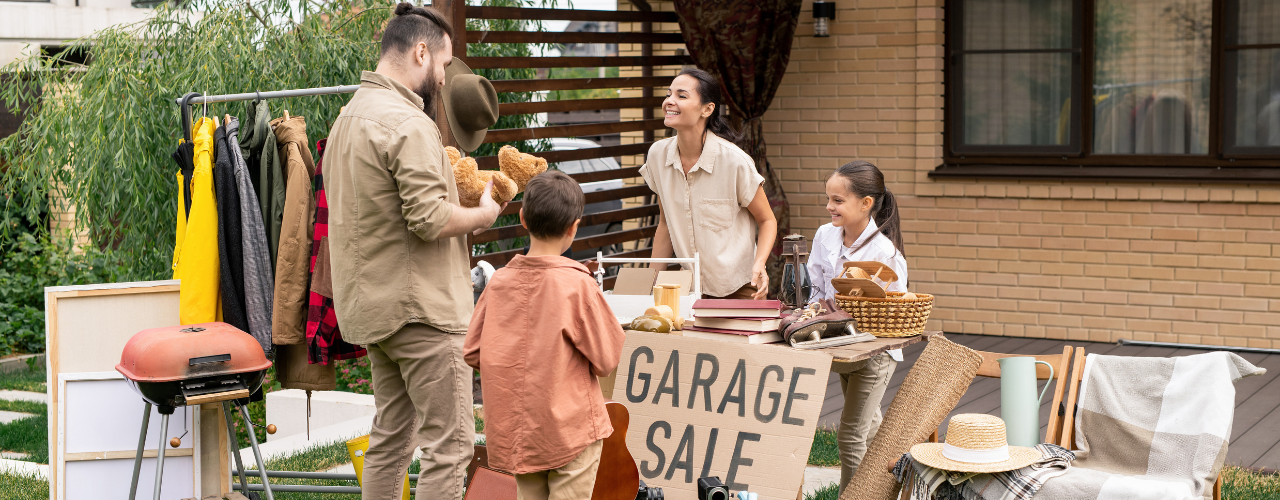
How to Have a Garage Sale That Brings in the Bucks
By 8 a.m. on a Saturday, the coffee’s brewing, the folding tables are out on the driveway and your carefully stored board game collection is waiting to find a new family to argue over Monopoly with. Somewhere down the street, a neighbor is already making the rounds with a five-dollar bill and a trunk ready for bargains. Figuring out how to have a garage sale is what turns the stuff you’ve spent years stepping around into something someone else is hoping to bring home, with a few extra bucks landing in your pocket along the way.
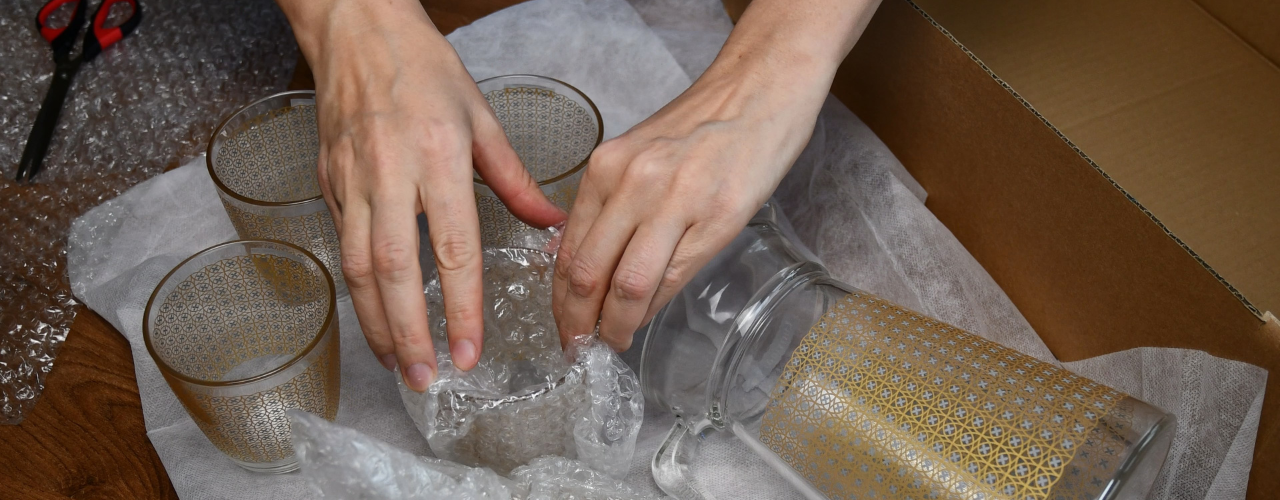
How to Pack Glassware Without Breaking a Sweat (or a Glass)
Crystal decanters and stemware passed down through generations carry reminders of evenings spent at your grandparents’ house, while Thanksgiving dinners live on in the wine glasses raised around a crowded family table. You eventually have to pack away these pieces of family history, whether you’re moving somewhere new or sprucing up your home with a little redecorating. Knowing how to pack glassware extends the life of your pieces beyond those cherished moments and keeps every item intact from the first box to the last.

Best Storage Facilities in NYC, Based on Customer Reviews
Most storage listings in New York City look the same. Reviews are where you find out what you’re getting into: whether the staff will help you, whether the building stays clean and whether your rent stays put once you’ve moved in. So we went through renters’ reviews and picked the three best storage facilities in each NYC borough. Each one gets a score out of 100, and each brand shows up only once per borough. If you’re curious how we scored them, that’s at the end.
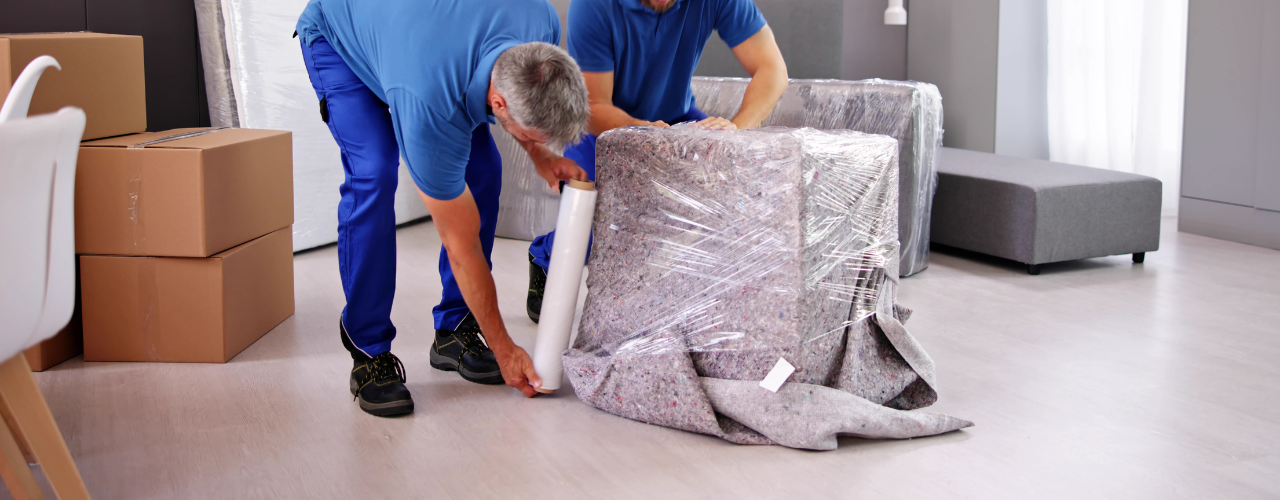
Packing Services: Costs, Pros, Cons & Alternatives
Professional packers save time and reduce breakage, but they add a real cost to your move. Whether they’re worth it depends on how much you own, how much protection it needs and how much time you have. This guide covers what packing services cost, when they pay off, when they don’t and the cheaper alternatives worth considering.
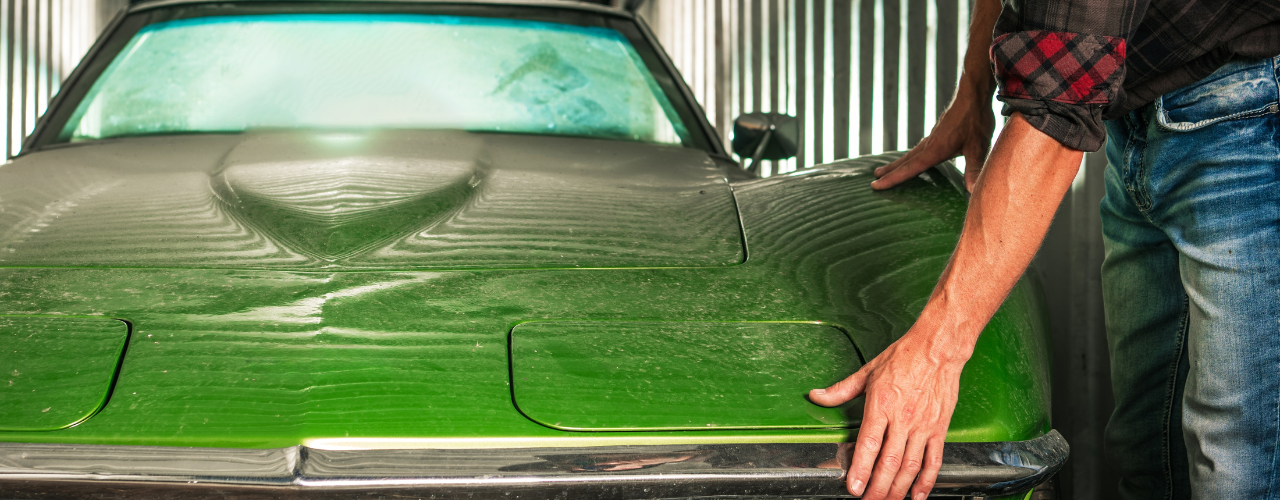
Classic Car Storage: A Guide to Protecting Your Collector Car
Any classic car you see is still there and looking great because people throughout the years knew how to store it well. Those smart decisions kept it from being damaged by moisture, frost and other issues that lead other cars to the auto-graveyard. Now, it’s up to you to carry on the legacy by choosing the right kind of classic car storage(opens in new tab). This guide compares indoor and outdoor options, explains why climate control storage(opens in new tab) is important and shows you how to prepare your car before you store it.(opens in new tab)
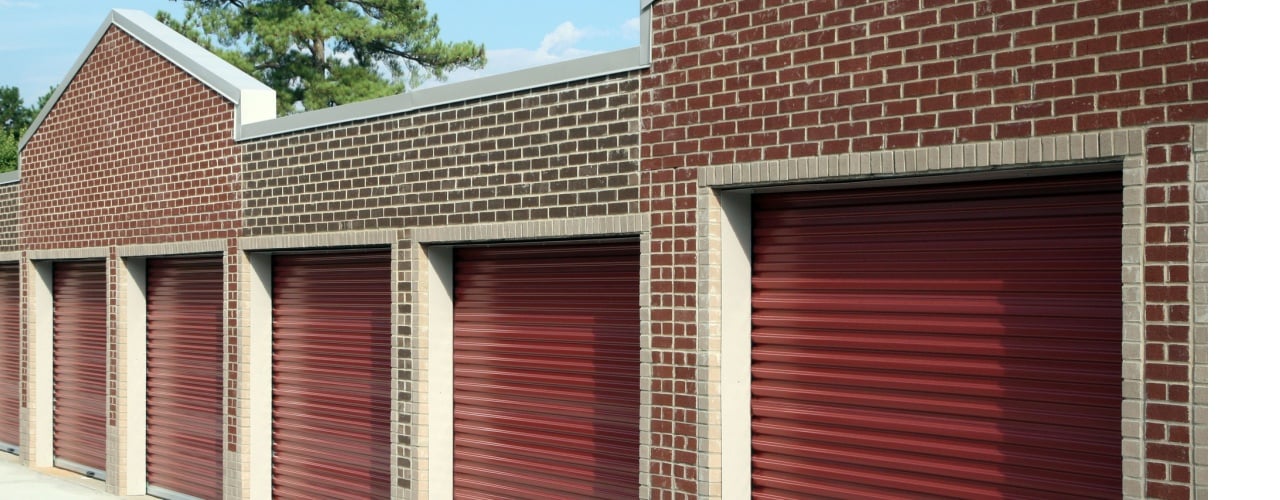
Second Acts With Roll-Up Doors: The Most Unexpected Self Storage Conversions In The U.S.
You probably don’t expect to stash your holiday decorations in a former armory. Or tuck away old photo albums where moviegoers once lined up for popcorn. But across the country, some of the most unexpected buildings are getting a second act — as self storage facilities.