
13 Things To Know About Avoiding Slip-and-Fall Incidents At Your Self Storage Facility

Not unlike any other business, self storage(opens in new tab) facilities are also prone to having slip-and-fall accidents on their premises. Despite having less foot traffic than other businesses, customers still visit their storage units, which increases the potential for this type of liability. A tenant or an employee could spill liquid on the floor or may leave traces of water in the hallway if it’s raining outside, leaving another person susceptible to slipping and falling in the newly-formed puddles. Therefore, it’s good practice for self storage operators to know how to protect tenants and employees from hazardous conditions and to consider a self storage insurance policy(opens in new tab) to cover all contingencies.
Here’s what every self storage operator should know about preventing slip-and-fall incidents:
1. Know what the law says
When conducting business as a self storage facility owner, you enter a legal relationship with your customers when they’re on the premises of the property. Under common law, the customer acts as an invitee, which requires the protection of the business owner from any potential hazards. In other words, a business owner is liable for physical harm incurred to their tenants if he/she is aware of the unreasonable risk posed to the invitee, which the latter is unaware of and doesn’t prevent the harming incident from happening. However, the way common law sees the duty of the business owner towards customers varies from state to state.
If a customer or employee has suffered a personal injury(opens in new tab) due to negligence at your facility, it’s wise to understand not only your legal responsibilities but also what civil claims may be brought against you. Seeking guidance from a personal injury attorney(opens in new tab) can help you stay compliant and protect your business.
2. Beware of the potential dangers in a self storage facility
While putting customers in danger is not the first thing that comes to mind when you’re contemplating them using your services, there are some situations that can do exactly that. For instance, if the unit falls into disrepair and the door gets stuck and collapses when opening, a customer can get hurt in the process. Moreover, during the cold season, unit entrances can be blocked by frost and/or snow. If units are indoors, poor lighting could lead to tripping accidents.
3. Consider surface safety
Surfaces are the first element you should consider in assessing the safety of your facility. Here are some aspects you can consider:
Floor building material
If you’re building from scratch, choose a flooring material that marries function, safety and aesthetics. Most storage facilities use cement, which can become slippery when wet. For reference, marble, which may look nice, is even more slippery and is not very practical. For the building material of your choice, check its coefficient of friction – the American Society for Testing of Materials (ASTM) recommends a coefficient of friction greater than 0.5(opens in new tab) to call a surface slip-proof.

Floor coating
An overlooked aspect of floor safety, floor coating is something that’s entirely under your control as a business owner. When properly applied, floor coating delivers a friction coefficient of 0.5 or greater, paving the way to the much coveted floor safety. Just make sure to train your employees in the proper use and application of protective coatings and cleaning solutions. Follow the manufacturer’s instructions to do so and make sure your employees are properly trained in using them as well. Keeping your business flooring well above the minimum coefficient of friction can severely reduce the risks of slips and falls.
4. Use slip-resistant rugs and mats
To help reduce the risk of slips, place rubber or foam mats near entrances and areas that get a lot of foot traffic. This is especially helpful if your facility has concrete floors, which tend to be slippery. Having this measure in place can save your employees and your customers from potential accidents, especially on rainy days, when water spots can make their way inside your facility and create slippery surfaces.
5. Stay on top of the floors
Based on the finding from the National Floor Safety Institute, 85% of worker’s compensation claims are related to employees slipping on wet floors(opens in new tab). That’s not an unusual occurrence – but make sure spills are mopped and cleaned as soon as they occur to prevent slips and falls. Employ the “wet floor” sign after cleaning the surface. Have a clear procedure in place for who is responsible for cleaning the floors and ensure that they have access to cleaning supplies.
Besides maintaining dry and slip-free floors, you should also make sure indoor and outdoor floors have no cracks or holes. Any issues of this kind should be resolved as soon as possible, with warning signs in place for the area that needs the fixing, in case you don’t get to fix it in due time.
6. Keep walkways clear
Obstacles such as clutter, materials, boxes and more can also be sources of potential accidents in walkways, corridors, stairwells and inside units. Continuously checking whether these areas are free should be part of the workplace policy so that heavily-trafficked areas are always clutter-free. Hoses, cables and wires should not lay across the floor when not in use. If movable equipment is used, ensure that it goes back to its proper location.
7. Add railings if needed
If your facility has stairs – a common space where injury can occur – keep them clear, lit and free from obstacles. Additionally, make sure there are handrails added to your stairways and that the top and bottom steps are marked with reflective tape. If there are rugs or carpets on the stairs and the landing – check them periodically to make sure they’re still in place.
Handrails are also a good addition to the inside of the storage unit. Should the floor become slippery, this gives you, your customers or your employees something to hold on to avoid slipping and falling or to reduce the impact of a fall.

8. Install signs
Signage is a great way to prevent any potential accidents. They can call attention to a wet floor, uneven ground, or any other aspect that might impede regular foot traffic. Placing the signs in their appropriate space shows everyone that walks through the door of your facility that you’re aware of the issue at hand and are taking steps to address it and prevent any potential injuries.
9. Invest in security cameras
One way to check if the unexpected occurs when you’re not on the premises is to have security surveillance in place. Most cameras come with motion sensors which makes tape reviews easier for managers. If a customer files a slip and fall claim at your facility, going over the tape can help with the insurance claim to aid in your defense. Additionally, the surveillance system also acts as a way to monitor any potential criminal activity within the facility. It gives tenants peace of mind and helps them stay with you longer and pay a little more than they normally would at a facility that doesn’t offer this amenity.
10. Tackle the lighting scheme
It might seem obvious, but keeping the lighting scheme as part of your planning is crucial in avoiding any injuries on the premises of your business. Make sure that driveways, hallways, signage as well as all the other common areas are well lit. Moreover, areas that receive less light should be clutter-free. Also, remind employees to turn on the light as the first thing when entering a dark space.

11. Train your employees
Prevention is the best way to combat slips and falls. To do that, train your employees in all the housekeeping and maintenance best practices. Make cleaning a part of their routine as it is also the best way to survey all areas for any accident risks. Create a list of tasks that get assigned to your staff and post the cleaning schedule somewhere visible to everyone.
Besides cleaning, make sure to consistently include safety meetings to improve the workflow. Make sure to cover one subject at a time so as not to overwhelm your staff. Document the meeting, from attendance to topics covered for future reference.
12. Conduct daily checks
Take a moment every day to perform a short check on the property. This is a good time to assess whether new issues have arisen and to address them quickly. For instance, if frost starts to set in front of the entrance door, you can sprinkle salt on the sidewalk. If you do this action, make sure to document it – by putting the date and time down.
13. After a slip-and-fall incident occurs
It is nearly impossible to prevent all slip-and-fall accidents. When this type of incident occurs, attend to the person who fell and provide medical care to the best of your ability. Turn to the nearest first aid kit – show your employees where it’s located as part of their training. Also, make sure your employees know to call the ambulance if needed.
Create a slip and fall incident form which your employees can fill out to record the incident in case you’re not on the premises when the incident occurs. The report should record the incident, its date, time, location, names of the parties involved and any witnesses present.
The next step is to report the slip and fall to the insurance company and provide them with a written report as well as photos and video material (if any). Self storage policies such as those offered by GoodShield(opens in new tab) or Ryan Specialty(opens in new tab) offer coverage for a variety of storage-related operations, including traditional self storage facilities, boat/RV storage, converted buildings and mobile/portable storage containers.
Even though slips and falls are a common occurrence in the U.S., having a solid prevention and preparation plan in place can help reduce the liability of injuries and can provide your company with a plan in the case of a claim.


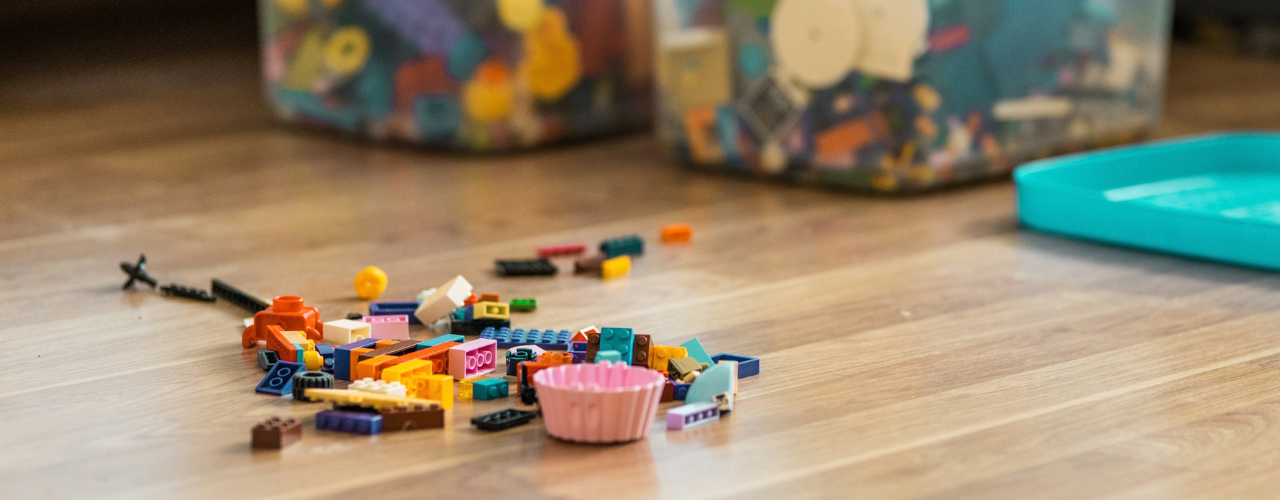
How to Store LEGOs: All the Fun, None of the Clutter
How to store LEGOs largely comes down to how your household uses them. If the bricks are part of everyday play, you need a setup that keeps them within easy reach and makes cleanup quick (for your feet’s sake, at least). Toy storage(opens in new tab) such as simple bins, playmats or containers that children can put away themselves may be enough. Larger or more serious collections usually need more organization, such as labelled drawers for loose pieces, trays for unfinished builds, shelves for completed models and separate storage for retired sets.

Cardboard Costume Guide: Tips and Ideas for a DIY Halloween
Whether for kids or adults, cardboard costume ideas often make the biggest splash once materialized, and that’s for a simple reason: doing a lot with a little is a universally impressive feat (especially in this economy). If you don’t have enough boxes you could temporarily repurpose, don’t worry! There are many places where you can find free moving boxes(opens in new tab), from stores and supermarkets to online groups and recycling drop-off spots. On the run? Try your luck at a self storage(opens in new tab) facility that sells moving supplies, often for cheap. This way, you can choose moving boxes of different shapes and sizes(opens in new tab), so you can make your costumes as complex as you want.

How to Celebrate Halloween: 9 Non-Spooky Ways To Enjoy It
As soon as October starts, it’s the official Halloween month. And while for many people it means it’s open season to get the scare of a lifetime, others, especially families with small children, might prefer to celebrate in a tamer way that’s both kid- and adult-friendly. While you’re likely to find more events where the spook factor is high, here’s how to celebrate Halloween in a not-so-scary way:

Motorcycle Storage Guide: How to Store Your Bike Safely
Motorcycles may be born to be wild, but eventually even the wild ones need somewhere to park. Whether riding season is winding down or your current living situation comes with plenty of square footage for you and less for your bike, motorcycle storage is one of those parts of ownership that doesn’t get as much airtime as the open road.

Halloween Decorating on a Budget (And Cheap Ideas for Everything Elsee)
Halloween has crept a long way from its eerie origins. While All Hallows’ Eve has transformed through the centuries, it wasn’t until the 1930s that trick-or-treating became a tradition in the U.S. and businesses began conjuring up mass-produced Halloween costumes. Now, Halloween is a monster-sized, billion-dollar industry, with a cauldron full of costumes and decorations ranging from the mainstream to the macabre. But is it all really worth your wallet? Maybe, but we’ll let you in on a little secret: You can keep your Halloween decorating on a budget and save on everything else, too. Take this plan and see it through!

Moving From a House to an Apartment: What to Expect, How to Downsize & How Self Storage Helps
For some, moving from a house to an apartment is a financial decision. For others, it’s about simplifying life. Maybe the kids have moved out and half the house sits empty, or you’re approaching retirement and no longer want to spend weekends on repairs. Or perhaps you’ve been weighing the cost of buying a home and wondering whether renting simply makes more sense right now.

Family Heirlooms Overload: How to Handle Family Inheritance Without Regret
Handling family heirlooms after a loss requires managing legal authority, emotional pressure and practical logistics at the same time, and the order you take them on matters more than most people expect.

Blanket Storage: The Right Method for Every Space and Season
Blankets make our lives cozier, and storing them well is what keeps them soft and comfortable in the long run. Knowing how to store a blanket properly means your favorites come out of storage smelling fresh, feeling the same as when they went in, and lasting years longer than they otherwise would.

Board Game Storage Ideas That Keep Your Collection in Fighting Shape
Nobody warns you that getting into board games usually unlocks a second hobby, the much dreaded one that includes figuring out where on earth to put them. One game becomes a few, expansions start spawning beside their base boxes and before long, board game storage requires as much strategy as whatever is waiting on the other side of those lids.