

Sneaker storage has become a bigger conversation than ever. Between viral unboxings, midnight raffles, resale apps and social feeds dedicated to carefully curated shelves, building a sneaker collection has become part of the cultural zeitgeist. The challenge begins once the excitement of a new pickup fades. Finding room for every pair while keeping them in mint condition is something almost every collector eventually has to figure out.
Keeping those pairs in good shape takes more than stacking boxes in the corner. Light, heat and moisture all leave their mark over time, which is why seasoned sneakerheads pay just as much attention to how they store their sneakers as they do to how they clean them.
Behind every neatly stacked wall of sneaker boxes is a routine. Some habits are worth adopting, others are better left as internet myths. These are the ones that stand the test of time.
How sneaker culture became a collecting phenomenon
Sneakers have long outgrown their original purpose. What began on basketball courts and running tracks now sits at the intersection of fashion, music and collecting culture. Signature athletes helped turn certain releases into icons, hip-hop embraced sneakers as a form of self-expression and limited-edition drops introduced a level of scarcity that made each release feel like an event rather than another shopping trip.
That enthusiasm has only continued to grow. The number of Americans considered sneakerheads — shoppers willing to spend at least $100 on a single pair — climbed by 18% in just one year, showing that collecting sneakers is becoming increasingly mainstream rather than remaining a niche hobby. Millennials make up the largest share of those collectors, many of whom have the disposable income to turn a casual interest into carefully curated collections. At the same time, Americans purchased nearly 400 million pairs of sneakers in a single year.
The mindset has changed along with the market. For many collectors, sneakers now occupy the same space as collectibles like watches, vinyl records or even trading card collections — valued not just for wear but for what they represent.
Every new pickup adds another shoebox to the stack and another decision about where it belongs. Before long, sneaker storage becomes as much a part of the hobby as chasing the next drop.
Sneaker storage: Why it’s important to store your collectible sneakers properly
For most people, shoe storage is simply about staying organized. When you’re collecting, the perspective shifts — every pair is a combination of materials, each with its own strengths and vulnerabilities. Leather dries out, suede attracts dust, foam midsoles and adhesives keep aging even when a pair never leaves the box.
Heat weakens glues, UV exposure fades colors and yellows translucent soles and humidity creates ideal conditions for mold. Even storing your collection in a garage, attic or basement can speed things up as temperatures swing through the seasons.
There’s a reason collectors talk about “wearing the shoe before the shoe wears itself.” Certain materials — particularly the polyurethane midsoles in a lot of older basketball sneakers — will eventually crumble through hydrolysis, a natural chemical breakdown that happens whether you wear them or not. A pair sitting untouched in a box for years isn’t always safer than one you’ve worn a few times and stored properly afterward.
The goal isn’t to keep your sneakers frozen in time. It’s to slow down the aging you can control, so every pair stays ready for when you decide to lace them up.
Where and how to store your sneaker collection
Every sneaker collection has its own personality. Some pairs are in constant rotation, some come out only for special events and others stay on display as reminders. That variety means there’s no universal storage setup that fits every collector.
A few principles, however, rarely change. The environment your sneakers live in, the way they’re stored between wears and the habits you build around caring for them all have a lasting impact on how they age. Starting with those fundamentals makes it much easier to keep a collection organized while giving every pair the best chance of staying in great condition.
Create the right environment for sneaker storage
The first step in preserving a sneaker collection has nothing to do with the box it sits in. A cool, dry room with stable conditions gives leather, suede, rubber and foam a much better chance of staying in good condition over time. Temperature, humidity and sunlight all influence how quickly materials age, making the environment just as important as the storage solution itself.
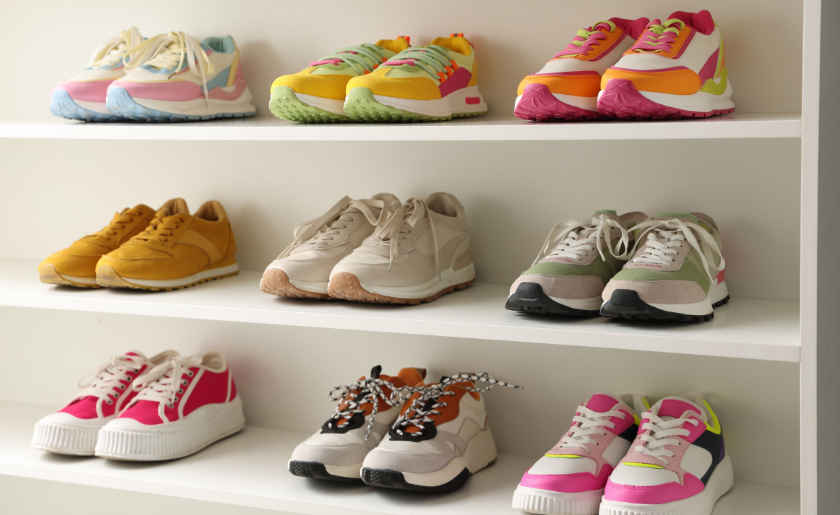
Finding that balance matters because sneakers are made from a mix of materials that don’t all respond to their surroundings in the same way. Leather can dry out and stiffen, suede is more susceptible to moisture and staining while adhesives gradually weaken when repeatedly exposed to heat. Fluctuating conditions are often more damaging than a consistently moderate environment, which is why experienced collectors pay close attention to where they keep their shoes, not just how they organize them.
A few simple adjustments can make a big difference:
- Choose an interior room whenever possible: Bedrooms, closets or dedicated sneaker rooms usually maintain more consistent temperatures than garages, attics or unfinished basements.
- Avoid storing shoes near heat sources: Radiators, heating vents or fireplaces can dry out leather and place extra stress on glues over time.
- Aim for a dry environment: If the room tends to feel humid, silica gel packets inside shoeboxes or display cases can help absorb excess moisture. Just remember to replace them periodically as they become saturated.
- Consider climate-controlled storage for larger collections: Pairs that aren’t part of your rotation benefit from an environment where temperature and humidity remain stable throughout the year.
Keep sneakers away from direct sunlight
Displaying a favorite pair near a sunny window might look great, but ultraviolet light is one of the fastest ways to age a sneaker. Hours of direct sunlight slowly take their toll, dulling colors and changing the appearance of translucent rubber. Heat speeds up that process, especially during the summer months or in rooms that receive direct afternoon sun.
Showcase your sneakers by positioning shelves away from windows or use UV-filtering acrylic display cases to reduce exposure. Even rotating display pairs every few months instead of leaving the same sneakers in the sunlight year-round can make a noticeable difference.
Humidity is just as important as temperature for sneaker storage
Humidity tends to cause problems long before they’re visible. Excess moisture encourages mold and mildew while making leather and fabric more vulnerable to deterioration. Air that’s too dry can also have consequences, particularly for natural materials that lose flexibility over time.
Instead, aim for a cool, dry indoor space with consistent humidity levels rather than chasing an exact number.
Pro storage tip: Keep boxes off concrete floors. Concrete can absorb and release moisture as temperatures change, even when the room itself feels dry. Storing sneaker boxes directly on the floor increases the chance of that moisture reaching the cardboard over time. A shelving unit or raised platform creates a barrier that helps keep both the boxes and the sneakers inside them better protected.
Skip the attic and garage whenever possible
They may seem like convenient places to stash extra shoeboxes, but they’re also the areas of a home where conditions tend to change the most. The environment inside these spaces shifts throughout the year, creating conditions that can speed up wear even when a pair never leaves its box.
How to display your sneaker collection without damaging it
Sneakerheads know that sneakers aren’t meant to stay hidden inside boxes forever. A grail you’ve chased for years or the pair that started the whole hobby deserves to be seen. The trick is creating a display that looks good without shortening the life of the shoes you’re trying to celebrate.
Pick the right display furniture
Open shelves work well for pairs that rotate regularly, but enclosed glass cabinets or acrylic display cases offer an extra layer of protection against dust and curious pets. Acrylic cases have become popular because they stack neatly, keep sneakers visible from multiple angles and make expanding a display much easier over time.
If you opt for glass cabinets, leave enough room around each pair instead of squeezing every shelf to capacity.
Light the collection with LEDs
If you’re adding lighting, LEDs are the safest choice. They produce very little heat compared to traditional bulbs while still making colors and details stand out.
Keep the fixtures slightly above or in front of the sneakers rather than directly against them. The goal is to highlight the collection, not warm it.
Small habits that help sneakers last longer
The collectors who maintain value over time aren’t doing anything extraordinary — they’re just consistent. A few small habits, done regularly, are what separate a shelf that still turns heads in ten years from one that doesn’t.
Handle sneakers by the sole, not the heel tab
Heel tabs weren’t designed to be handles. Repeatedly tugging on them when taking sneakers off a shelf or pulling them on can stretch the material or put extra stress on the stitching. Picking shoes up from the outsole or supporting them with both hands is a habit worth developing to extend the life of your collection.
Give sneakers a quick clean before putting them away
You don’t need to deep-clean every pair after each wear, but don’t put them away covered in dust or mud either. Dirt left sitting on uppers or packed into outsoles can be abrasive over time, especially if it stays there for months. A soft brush or microfiber cloth is often all it takes to remove surface debris before your sneakers go back on the shelf.
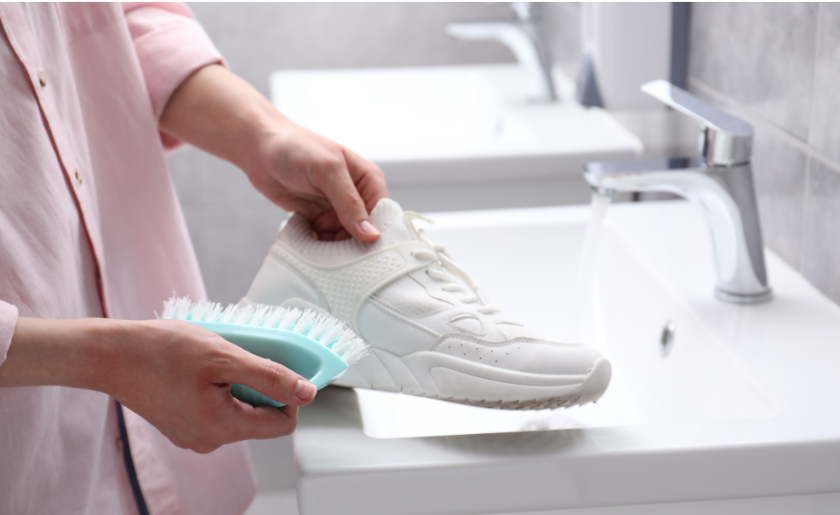
Wipe the outsole before storing a pair. It only takes a minute and keeps dirt and tiny stones from ending up inside the box or display case.
Don’t treat every pair like a museum piece
Saving your favorite sneakers for the “perfect opportunity” is understandable. Waiting ten years to wear them isn’t always doing them a favor.
Most sneakers are built with polyurethane midsoles, a material that naturally breaks down with age. Wearing those pairs occasionally allows the foam to flex instead of sitting untouched for years. That won’t stop the aging process, but collectors have long noticed that regular, careful use is often kinder to a shoe than permanent retirement.
If a pair has become exceptionally valuable or fragile, display it proudly. Otherwise, don’t be afraid to let it see daylight every now and then.
Take an extra minute to loosen the laces
It can be tempting to kick sneakers off at the door and pull them back on the same way next time. Repeatedly forcing your foot through tightly laced shoes stretches the heel collar and places unnecessary stress on the back of the sneaker.
Loosening the laces before taking a pair off helps preserve its shape and makes putting it back on much easier.
Give every pair a little breathing room
Stacking shoeboxes isn’t usually the problem. Packing sneakers so tightly together that pairs rub against one another is.
Scuffed suede, compressed collars and bent uppers often happen because shelves or closets become overcrowded. Leaving a little space between pairs makes it easier to grab the shoes you want without dragging another box across them in the process.
Check in on the pairs you rarely wear
Every few months, open a few boxes and check for early signs of yellowing, mold, loose glue or unexpected odors. It’s easier to catch a small issue before it spreads or becomes impossible to reverse.
You can treat this as an excuse to rotate displays or to reconnect with pairs you haven’t thought about in a while. After all, half the fun of collecting is rediscovering what’s already in your closet.
A few collector habits worth borrowing
Spend enough time in sneaker communities and certain habits come up again and again. These are the ones worth paying attention to.
- Keep the paper that came inside the shoes. It helps many pairs hold their shape better than leaving the toe box empty.
- Don’t leave sneakers in the car overnight. A single hot afternoon or freezing night can expose them to more stress than weeks inside your home.
- Take photos of your collection every few months. It makes insurance claims easier if anything happens and gives you a record of each pair’s condition over time.
- Label boxes if the sneakers aren’t visible. You’ll spend far less time opening five boxes just to find the pair you were looking for.
What to do when your sneaker collection outgrows your home
There comes a point when the collection starts winning the battle for square footage.
Closets fill up. Guest room shelves disappear. Every new pickup means figuring out where another shoebox can possibly fit. That’s usually the sign that your storage strategy needs to grow along with the collection.
Keep your everyday rotation close
The sneakers you wear every week deserve to stay within easy reach. Reserve entryway storage or bedroom closets for those regular pairs instead of trying to fit the entire collection into the same space.
Store seasonal pairs separately
Make room for the season’s MVPs. Heavy winter sneakers can take a well-earned break while lighter pairs move into the starting lineup.
Creating a seasonal rotation keeps frequently worn shoes accessible while reducing clutter during the rest of the year. When the seasons change, swapping collections takes less effort than reorganizing everything from scratch.
Hold onto the original boxes
Besides offering another storage option, original packaging can matter just as much as it often adds value if you ever decide to sell, trade or pass a pair along to someone else.
Move long-term storage somewhere designed for it
Once a collection reaches the point where boxes start taking over spare rooms and closets, a self storage unit becomes the logical next step.
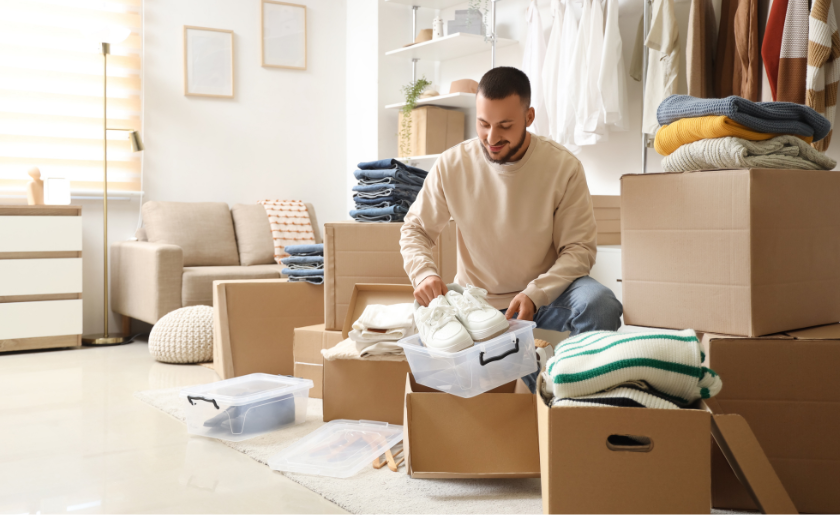
Standard units handle overflow well, but climate-controlled storage goes further by maintaining consistent temperature and humidity year-round — the two factors that do the most long-term damage to midsoles, leather and fabric.
Here are a few things that make the transition into a storage unit easier:
- Stack boxes label-out, not label-up. Stacking on their sides puts pressure on the toe box and heel over time. Upright with the label facing forward means you can find what you’re looking for without pulling half the shelf apart.
- Get the collection off the floor. Even in a climate-controlled unit, a simple shelving rack makes a difference. Air needs somewhere to move, and boxes sitting directly on concrete tend to attract moisture from below.
- Group pairs by how often you plan to wear them. Keep the ones you’ll rotate back soonest closest to the door.
- Tuck a silica gel packet into every box. The unit handles humidity at a room level — the packet takes care of whatever builds up inside the box itself.
- Check in every few months. A quick visit to look for moisture, pests or any soles starting to separate catches problems early, before they’re permanent.
Let technology keep track of everything
Inventory apps such as SOLELINK, Sneaker Tracker or general collection managers let you catalog pairs with photos, purchase dates and estimated values. Even a simple spreadsheet can save you from buying duplicates or wondering which box holds that one pair you’ve been looking for all afternoon.
FAQ
Does homeowners or renters insurance cover a sneaker collection?
It can, but standard policies often have low sub-limits for collectibles. If your collection has significant resale value, it’s worth asking your insurer about a scheduled personal property endorsement or a standalone collectibles policy. You’ll typically need documentation — photos, receipts and estimated values — which is another reason an inventory app or spreadsheet is worth keeping up to date.
Can I use a regular storage unit instead of a climate-controlled one?
For short-term overflow or pairs you plan to rotate back into use within a few weeks, a standard unit may be fine. For anything you’re holding long-term — grails, investment-grade pairs or older shoes with polyurethane midsoles — climate-control matters. Temperature swings and humidity fluctuations accelerate exactly the kinds of damage that are hardest to reverse: sole separation, midsole crumble, and glue failure.
How do I find a climate-controlled storage unit near me?
StorageCafe lets you filter specifically for climate-controlled units by ZIP code, neighborhood, or city. If you want to search a specific radius around your home or a particular street, the map drawing tool lets you define a custom search area rather than relying on a fixed distance. Once you find the right fit, you can reserve, sign and pay in a single flow.
Do sneakers lose resale value if stored in a storage unit?
Storage itself doesn’t hurt resale value — improper storage does. A climate-controlled unit maintained at stable temperature and humidity can be better for a collection than a fluctuating garage or attic. What affects value most is condition: yellowed soles, cracked midsoles, mold and box damage all matter to buyers. The storage location is secondary to the conditions inside it.
Should I use a dehumidifier inside a climate-controlled storage unit?
Most climate-controlled facilities already regulate humidity. Adding a standalone dehumidifier is usually unnecessary and may not even be permitted in all facilities. For individual boxes, silica gel packets are the simpler solution — they handle moisture at the level where it accumulates, right next to the shoe.
Every great collection deserves a storage strategy to match
A sneaker collection is more than a stack of shoeboxes. It represents time, taste and the kind of patience that comes from waiting for the right drop or tracking down a pair you missed the first time around. How you store those pairs shapes how long they stay in the condition you worked to find them in.
The fundamentals aren’t complicated: stable temperature, low humidity, distance from direct sunlight and a little space between pairs. The habits — cleaning before storing, checking in every few months, giving shoes room to breathe — are the kind of small things that compound over years into a collection that still looks the way it did when you first opened the box.


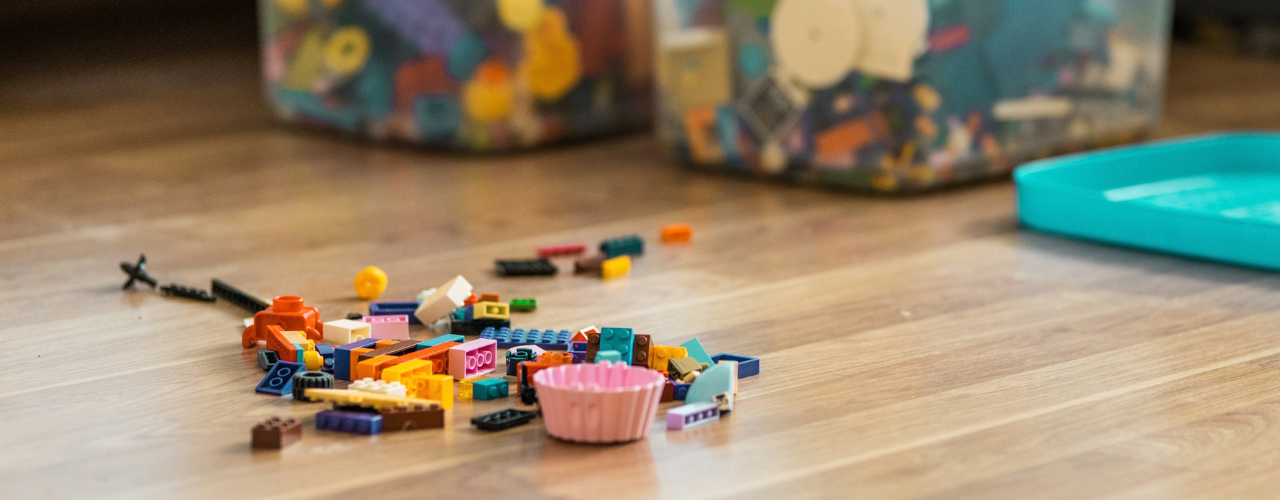
How to Store LEGOs: All the Fun, None of the Clutter
How to store LEGOs largely comes down to how your household uses them. If the bricks are part of everyday play, you need a setup that keeps them within easy reach and makes cleanup quick (for your feet’s sake, at least). Toy storage(opens in new tab) such as simple bins, playmats or containers that children can put away themselves may be enough. Larger or more serious collections usually need more organization, such as labelled drawers for loose pieces, trays for unfinished builds, shelves for completed models and separate storage for retired sets.
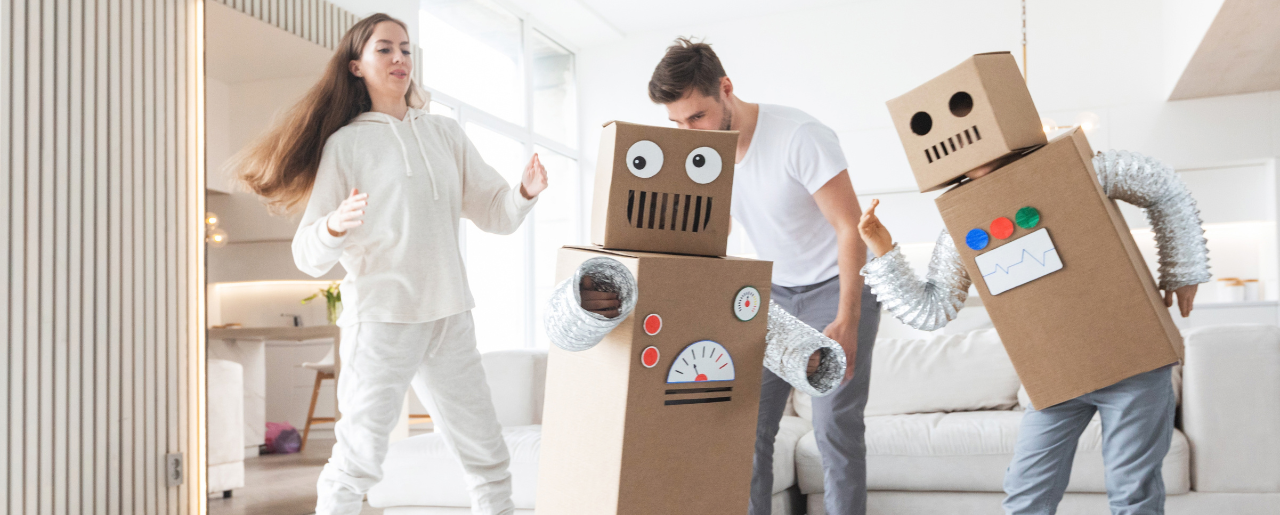
Cardboard Costume Guide: Tips and Ideas for a DIY Halloween
Whether for kids or adults, cardboard costume ideas often make the biggest splash once materialized, and that’s for a simple reason: doing a lot with a little is a universally impressive feat (especially in this economy). If you don’t have enough boxes you could temporarily repurpose, don’t worry! There are many places where you can find free moving boxes(opens in new tab), from stores and supermarkets to online groups and recycling drop-off spots. On the run? Try your luck at a self storage(opens in new tab) facility that sells moving supplies, often for cheap. This way, you can choose moving boxes of different shapes and sizes(opens in new tab), so you can make your costumes as complex as you want.

How to Celebrate Halloween: 9 Non-Spooky Ways To Enjoy It
As soon as October starts, it’s the official Halloween month. And while for many people it means it’s open season to get the scare of a lifetime, others, especially families with small children, might prefer to celebrate in a tamer way that’s both kid- and adult-friendly. While you’re likely to find more events where the spook factor is high, here’s how to celebrate Halloween in a not-so-scary way:

Motorcycle Storage Guide: How to Store Your Bike Safely
Motorcycles may be born to be wild, but eventually even the wild ones need somewhere to park. Whether riding season is winding down or your current living situation comes with plenty of square footage for you and less for your bike, motorcycle storage is one of those parts of ownership that doesn’t get as much airtime as the open road.

Halloween Decorating on a Budget (And Cheap Ideas for Everything Elsee)
Halloween has crept a long way from its eerie origins. While All Hallows’ Eve has transformed through the centuries, it wasn’t until the 1930s that trick-or-treating became a tradition in the U.S. and businesses began conjuring up mass-produced Halloween costumes. Now, Halloween is a monster-sized, billion-dollar industry, with a cauldron full of costumes and decorations ranging from the mainstream to the macabre. But is it all really worth your wallet? Maybe, but we’ll let you in on a little secret: You can keep your Halloween decorating on a budget and save on everything else, too. Take this plan and see it through!
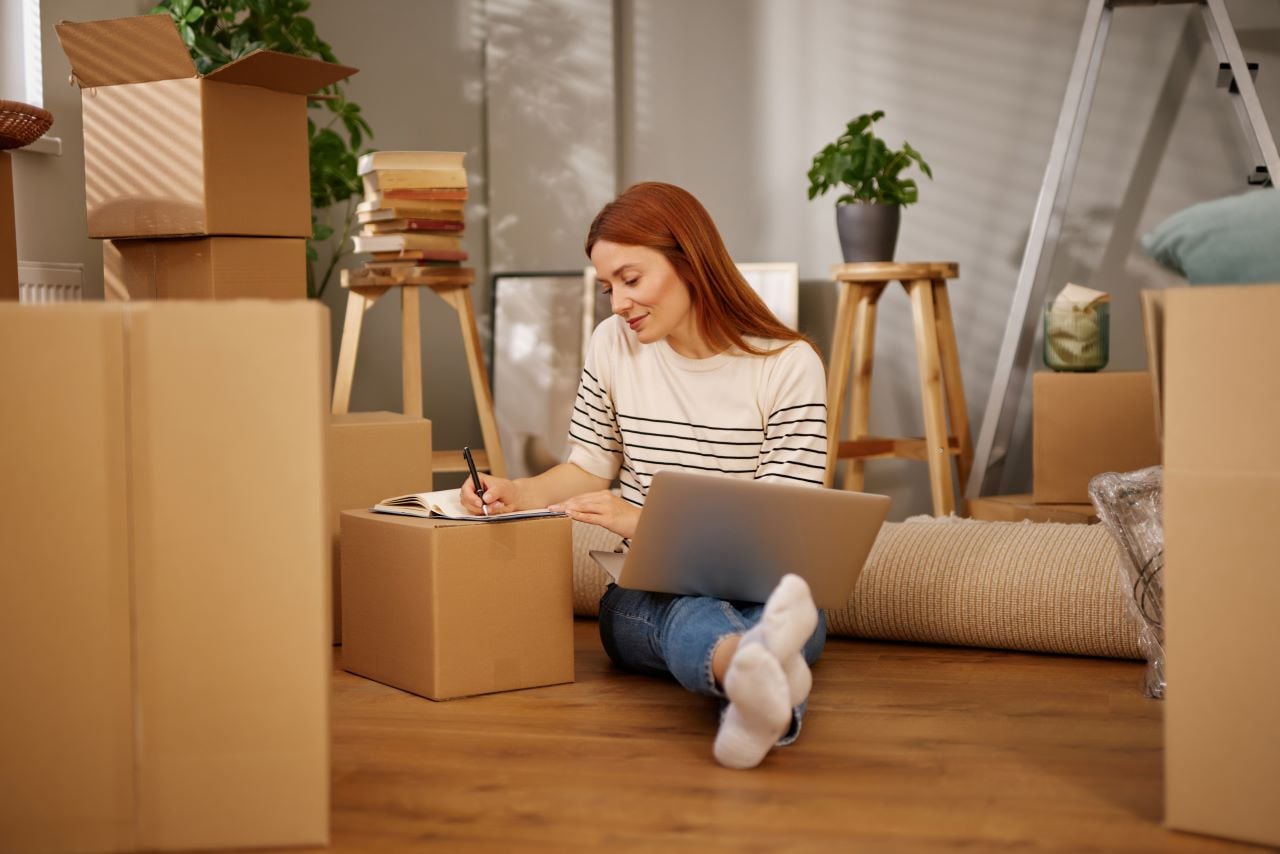
Moving From a House to an Apartment: What to Expect, How to Downsize & How Self Storage Helps
For some, moving from a house to an apartment is a financial decision. For others, it’s about simplifying life. Maybe the kids have moved out and half the house sits empty, or you’re approaching retirement and no longer want to spend weekends on repairs. Or perhaps you’ve been weighing the cost of buying a home and wondering whether renting simply makes more sense right now.
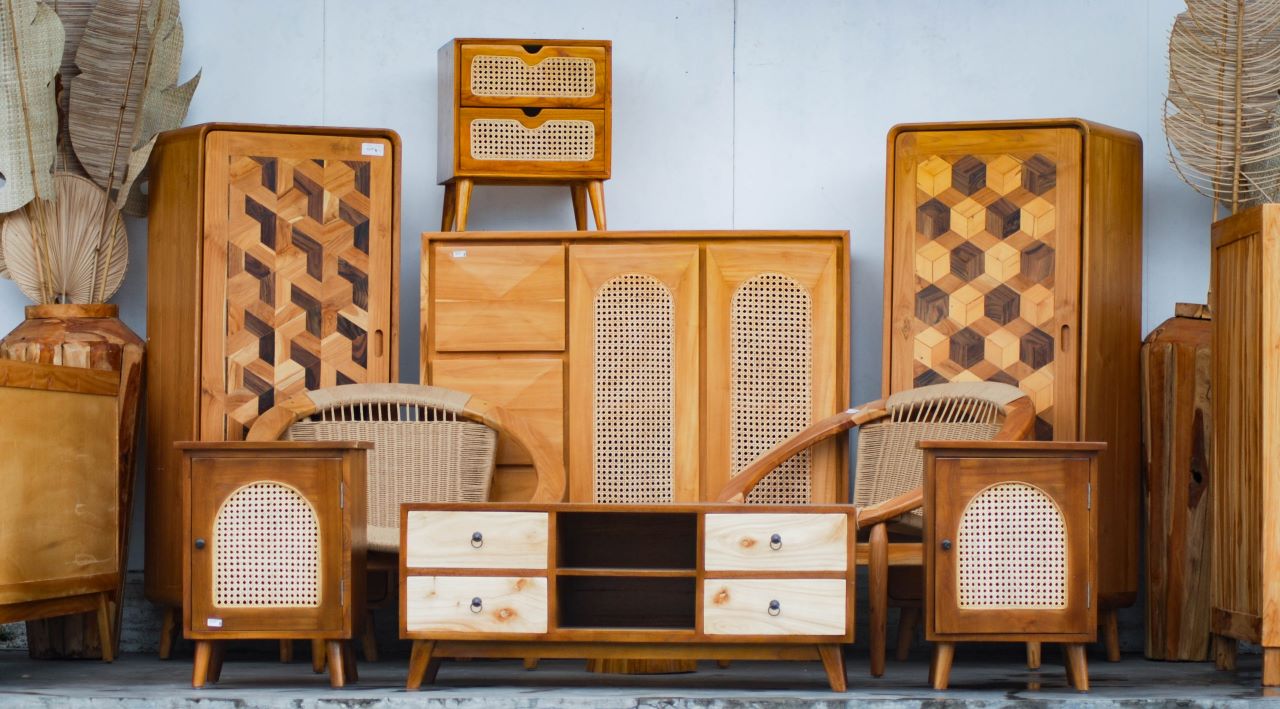
Family Heirlooms Overload: How to Handle Family Inheritance Without Regret
Handling family heirlooms after a loss requires managing legal authority, emotional pressure and practical logistics at the same time, and the order you take them on matters more than most people expect.
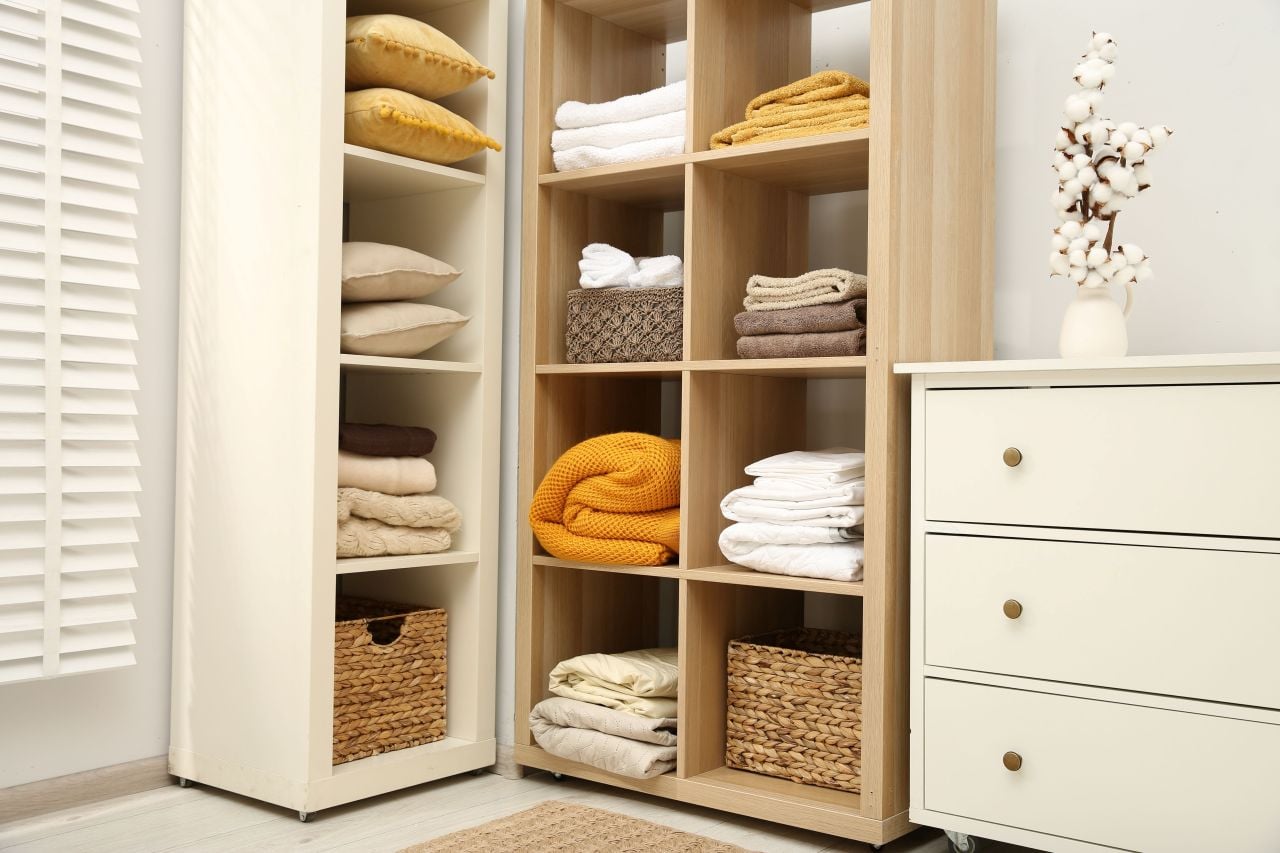
Blanket Storage: The Right Method for Every Space and Season
Blankets make our lives cozier, and storing them well is what keeps them soft and comfortable in the long run. Knowing how to store a blanket properly means your favorites come out of storage smelling fresh, feeling the same as when they went in, and lasting years longer than they otherwise would.

Board Game Storage Ideas That Keep Your Collection in Fighting Shape
Nobody warns you that getting into board games usually unlocks a second hobby, the much dreaded one that includes figuring out where on earth to put them. One game becomes a few, expansions start spawning beside their base boxes and before long, board game storage requires as much strategy as whatever is waiting on the other side of those lids.