

Storing stuffed animals properly means cleaning them before you put them away, choosing the right container for the type of piece and protecting anything sentimental or collectible from moisture and temperature swings that break down fabric over time.
The stakes are higher than they look: dust, skin oils and pet dander settle deeper into fabric the longer they sit, while damp storage invites mold that doesn’t fully come out and sunlight fades colors that can’t be restored.
For smaller collections, a cool dry corner of your home might be all you need. But for larger hauls or pieces you’re preserving for the next generation, a climate-controlled storage unit is worth considering — stable temperature and humidity levels are exactly what keeps fabric and color from breaking down over time.
The stuffed animal market is no longer playing around — Labubu figures are selling for six figures at auction, Squishmallows have gone from bedroom staple to serious collectible and plenty of people are sitting on a gold mine that’s surprisingly well-stuffed.
So dust off those dust bunnies and read on for practical stuffed animal storage ideas that keep every fuzzy friend looking its best for years to come.
Clean stuffed animals before putting them away
Before storing any stuffed animal, clean it to remove dust, skin oils, pet dander and surface contaminants that settle into fabric over time and become much harder to remove later.
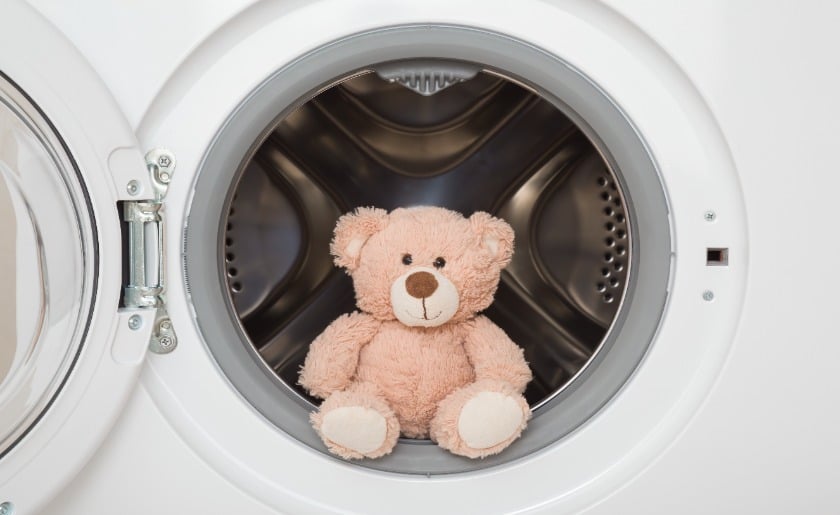
Most modern stuffed animals can go into the washing machine on a gentle cycle inside a mesh laundry bag, which protects embroidered details and keeps loose parts from catching on the drum. Check the tag first. Older plush, stuffed animals with mechanical parts and anything with glued-on features usually need a gentler approach.
How do you clean a stuffed animal from a thrift store?
For anything that can’t get wet — including thrift store finds where the origin is unknown — the baking soda method works well. Put the plushie in a pillowcase or large zip bag with a light coating of baking soda, seal it, give it a gentle shake and leave it for about 30 minutes. Brush off the residue with a soft cloth and it comes out fresher than it went in. This is the go-to approach when cleaning stuffed animals from a thrift store, since machine washing an unfamiliar toy carries more risk.
The step most people skip is drying. A stuffed animal that goes into storage even slightly damp is an invitation for mold and that kind of musty smell that never fully comes out. Air dry completely — reshaping as it dries if the stuffing has shifted — before it goes anywhere near a bin.
Now that everything is fresh, here’s how to decide what goes where.
What are the best stuffed animal storage ideas for everyday use?
Most stuffed animal storage problems aren’t really storage problems but rather access problems. The bin gets ignored because it’s too much effort and the shelf gets overcrowded because a new Jellycat joined the rest of the team. The ideas below solve both.
1. Store stuffed animals inside a bean bag cover
An empty bean bag cover doubles as hidden storage for a growing plush collection. Instead of packing stuffed animals into bins or baskets, fill the cover with plushies until it reaches a comfortable shape. During the day it works as extra seating or a footrest, and unzipping the cover makes it easy to swap out favorites whenever the mood strikes.
For families with young children, that means fewer stuffed animals scattered across the floor without putting them out of reach. Adult collectors appreciate the idea for a different reason: cherished plushies stay protected while remaining part of the room instead of disappearing into a closet. According to a Build-A-Bear Workshop survey, more than half of American adults still own a stuffed animal from childhood, 56% have kept their favorite plush for more than 20 years and 72% plan to keep it for the rest of their lives. If your beloved Winnie-the-Pooh falls into that group, turning it into part of the furniture keeps it close and protected at the same time.
2. Rotate stuffed animals instead of packing them all away
Keep a few stuffed animals on display and store the rest in clean, labeled bins. Swap them every few months to keep shelves from feeling crammed and to cut down on dust.
A little organization up front makes those rotations much easier. Keep bedtime plushies together in their own bin, separate from display pieces. Group everyday favorites and collector’s pieces separately so they’re easier to rotate when the time comes. Give older plush room to breathe — well-loved childhood favorites and handmade stuffed animals hold their shape better when they aren’t packed beneath heavier toys. Use labels you’ll understand: “Bed plush,” “Halloween,” or “Bunnies” is more useful than “Bin 3.”
Stuffed animals have a habit of tugging at your heartstrings right when you’ve decided to let them go. That old teddy bear with the flattened fur or the bunny missing half its whiskers usually sticks around for a reason. People can become so attached to a favorite plushie that memorial ceremonies for dolls and stuffed animals exist to mark the moment of saying goodbye, honoring the comfort and companionship they’ve offered over the years.
Take a page from Lilo & Stitch: Ohana means nobody gets left behind. The same idea works for a stuffed animal collection. Rotate it throughout the year, keep each group in a labeled bin and every favorite will find its way back to the shelf.
3. Display collectible stuffed animals
Collectible plush deserves better than an overflowing basket where they have to share the spotlight with everything. Give them their own display — enclosed if possible — and they’ll look better and last longer. Plenty of stuffed animals have made the jump from the bed to a full-blown collection, displayed alongside books and other keepsakes rather than waiting for bedtime.
By now, you’ve probably seen those fuzzy little Labubus with their toothy grin hanging from handbags or peeking out of backpacks. Their popularity is a good example of how far plush collecting has come. Pop Mart’s 2024 annual report revealed that Labubu drove roughly 23% of the company’s revenue, while plush toy sales surged over 1,200% in a single year. Some rare editions have reportedly sold for more than $150,000. It’s worth hanging onto them for future gains — and how you display them now is part of what determines whether those gains materialize.
Whether you’re displaying a thrift find or a rare edition, the setup matters. Glass display cabinets keep dust off and make it much easier to clean around the collection than open shelves. Bookcases leave enough room to mix stuffed animals with books, framed photos or other collectibles instead of filling every shelf with plush. Cube shelving with doors works well if you like a cleaner look but still want the collection within accessible reach. Acrylic cases protect especially valuable or signed pieces from curious hands and everyday bumps.

Leave a little breathing room too. Packing every shelf edge to edge makes stuffed animals lose their shape and hides smaller favorites behind larger ones.
Some collectors have another trick for especially valuable pieces. The original goes into safe storage, while a framed photo or a duplicate stays on display. It sounds unusual until a favorite collectible starts climbing in value — and suddenly sunlight and curious visitors don’t seem so harmless anymore.
4. Repurpose a wall planter into a plush display
A hanging wall planter can do more than hold greenery. The fabric pocket kind — the ones sold for succulents and herbs, usually with six to eight pockets and a loop at the top — happen to be almost exactly the right size for small stuffed animals. Nobody designing them had plush toys in mind. The pockets just worked, and somewhere along the way the internet noticed.
The result is a wall display that doesn’t require another shelf. Each pocket holds one plushie upright and visible, which is good for the smaller ones that always disappear into the middle of a larger collection. Swapping them around is easy too — a holiday plush comes out for the season, a new favorite takes its spot.
It works best in a nursery or small child’s room where wall space is easier to use than floor space, and it looks more intentional than it has any right to for something that costs less than a storage bin.
Storage tip: Leave a little room in each pocket so the fabric isn’t pulling on ears or limbs and hang the planter away from direct sunlight to help keep colors from fading. And to manage expectations — a Squishmallow does not fit in a succulent pocket. This one is firmly for the small plush crowd.
5. Hang a toy hammock — just not within climbing distance
The toy hammock, sometimes called a pet net, has been the go-to corner storage solution for stuffed animals for decades and it still holds up. The image most people know is a mesh net strung diagonally across a bedroom corner, stuffed animals piled in like they’re napping — it turns an empty patch of wall into storage without adding a single shelf.
There’s one catch: if a child can reach it, chances are they’ll eventually try to climb into it. Plenty of parents have learned that the hammock ends up becoming part toy, part jungle gym, so hang it high enough to keep it out of climbing range while still making the stuffed animals visible.
When you’re ready to take storage beyond the everyday, the long-term options below are worth knowing.
How to store stuffed animals long-term
Storing stuffed animals long-term means using an airtight plastic container, controlling moisture with silica gel packets and avoiding compressing anything with sentimental or collector value. Not every stuffed animal stays out on a shelf forever — some stop being everyday companions before anyone is ready to let them go, and long-term storage puts them up against conditions a bookshelf never does.
Here is how to combat that:
1. Vacuum-seal stuffed animals selectively
The instinct with long-term storage is often to compress everything down as small as possible. That works for some plush but causes lasting damage to others, and it’s not always obvious which is which until the bin gets opened years later.
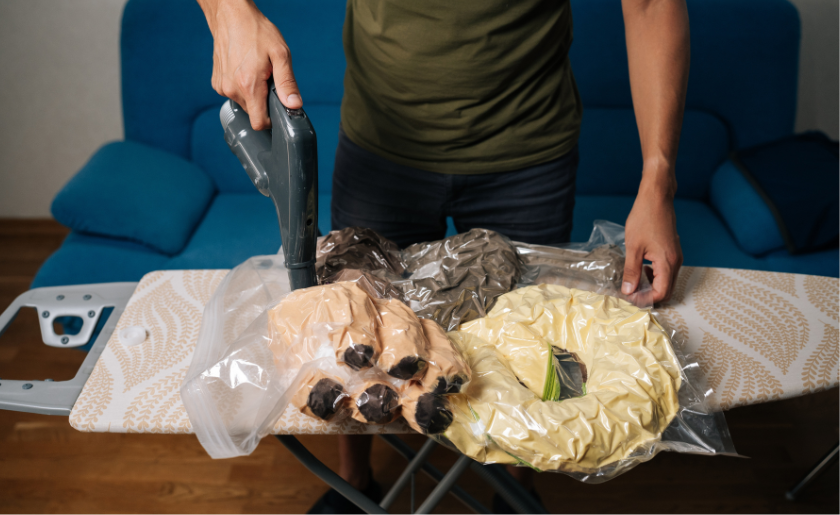
Vacuum storage bags work well for plushies that spend part of the year packed away, especially modern stuffed animals filled with polyester fiber. Compress them only after they’re clean and completely dry, then give them time to regain their shape after opening the bag. Reserve breathable storage for childhood favorites and collectible plush. Extended compression can leave delicate stuffing flattened, crease older fabrics and affect embroidered details that are difficult to restore. Plastic totes with a few silica gel packets inside remain the better option for anything with sentimental or collector value.
Across collector communities, most people happily vacuum-pack oversized holiday bears or everyday plush — but the teddy bear that’s followed them from childhood into adulthood usually earns its spot in a roomy storage box instead.
2. Pack them like they’re worth keeping
Most stuffed animals that get damaged in storage deteriorate because of what they were stored in. The container matters as much as the care taken before putting it away.
Cardboard absorbs moisture, attracts pests and transfers acids into anything stored inside it for years. Clear plastic bins with airtight lids do a better job of keeping humidity and insects out. Tuck a few silica gel packets inside before sealing the bin and replace them every year or so — they do silent work that’s easy to forget about until something goes wrong. For delicate pieces, wrap them in acid-free tissue paper before they go in. Fabric and stuffing break down faster than most people expect when they’re stored against materials that weren’t designed for the long haul.
A stuffed animal that makes it 20 years in good condition becomes an heirloom. One that spends those same 20 years in a garage usually just becomes a project.
3. Use a self storage unit
A self storage unit becomes the right call when home storage runs out of room or when the pieces you’re keeping are worth protecting from time, not just clutter. Standard units handle overflow well. A climate-controlled unit goes further by keeping temperature and humidity stable year-round — the two factors that do the most long-term damage to plush fabric and color.
That level of protection matters most for three kinds of collections: valuable collectibles being held for future resale, childhood pieces being saved for the next generation and anything sentimental enough that replacing it isn’t an option.
It’s also worth considering during life transitions — clearing out a childhood bedroom, downsizing, combining households — when the stuffed animals aren’t going anywhere but don’t have a home yet either.
When storing isn’t the answer
Not every stuffed animal that can’t be thrown away can be stored forever either. Some are too far gone — the seams have given up, the stuffing has shifted into all the wrong places, the fabric tells a story that storage would only make worse.
For these, the question stops being where to keep them and starts being what to turn them into.
What can you do with stuffed animals that are too worn to store?
Some stuffed animals reach a point where storing them feels optimistic. The overall situation is less “cherished keepsake” and more “beloved wreck.” Putting something in that condition into a bin and hoping for the best usually just means opening the bin years later to find things have gotten worse.
The alternative a lot of people land on is repurposing — not throwing the stuffed animal away but transforming it into something that can hold up. The most common version is a memory bear.
Choose the fabric first. The best panels come from areas with the most wear — the parts that got held and loved the hardest tend to have the most character. Cut and sew those into a new bear shape using a simple pattern, which is easy to find free online. Use the original stuffing to fill the new bear so some of the original material stays inside even if the outside has changed completely. And if sewing isn’t your thing, small Etsy businesses and local crafters offer memory bear services — send them the animal, they send back something that looks intentional rather than makeshift.
For larger collections of worn plush, some people go further — cutting fabric squares from several different animals and sewing them into a patchwork quilt. Either way, the stuffed animals stop being a storage problem and start being something else: a pillow on the sofa, a quilt on the bed, a small bear on a bookshelf made from the original rabbit that went everywhere for the first four years of someone’s life. That’s a better happily ever after than a cardboard box in a garage.
How do you preserve the memory of a stuffed animal you can’t keep?
You can create a memory box by photographing the stuffed animal or cutting a small swatch of fabric from a hidden seam. Write down the memory attached to it — where it came from, who gave it, what it meant — and put it all together in a box or on a scrapbook page.

The stuffed animal doesn’t have to become anything. That’s the point. The memory gets preserved separately so the physical object carries less weight — less pressure to be displayed, less guilt about the bin it’s been sitting in, less of that specific sadness that comes from knowing something meaningful is deteriorating in a place nobody looks.
People underestimate how much of the attachment lives in the story rather than the object itself. Writing down where it came from keeps that story alive even if the fabric eventually doesn’t. Twenty years from now, the photograph and the few sentences will bring back everything.
FAQ
What is the best way to store stuffed animals?
The best stuffed animal storage setup depends on the type of piece. Clean modern plush before storing and use airtight plastic bins with silica gel packets for anything going into long-term storage. Breathable containers work better for childhood favorites and collectibles you don’t want compressed. Keep everyday favorites accessible in a bean bag cover, toy hammock or open shelving, and reserve enclosed display cases or climate-controlled storage for anything with collector or sentimental value.
How do you store large stuffed animals?
Large stuffed animals are awkward to bin and too big for most display options. Vacuum storage bags work well for oversized holiday plush and modern polyester-filled animals without sentimental or collector value — compress them fully for storage and give them a day to re-loft after opening. For large stuffed animals you don’t want to compress, a dedicated shelf with room to breathe, a large toy hammock or a bean bag cover are all practical alternatives.
Do cedar blocks or mothballs protect stuffed animals from pests in storage?
Cedar has mild repellent properties but won’t reliably stop a determined moth or rodent. Mothballs are effective but leave a strong chemical odor that’s very difficult to remove from fabric and stuffing. The better approach is an airtight plastic bin, which removes access entirely rather than relying on a deterrent.
How often should I check on stuffed animals in long-term storage?
Once a year is a reasonable minimum — enough to replace silica gel packets, check for any signs of moisture or pest activity and confirm nothing has shifted in a way that’s compressing delicate pieces. Collections in climate-controlled storage can go longer between checks, but an annual inspection prevents small problems from becoming irreversible ones.
Every stuffed animal deserves a plan
Whether a collection spans two beloved childhood companions or two hundred collectible plush figures, the same principle applies: how you store stuffed animals determines how long they last and whether they remain in any condition worth caring about. Clean before storing, choose the right container for the right piece and be honest about what a closet shelf can realistically protect versus what needs a proper climate-controlled environment.
Most of the time, the fix is simpler than it looks.


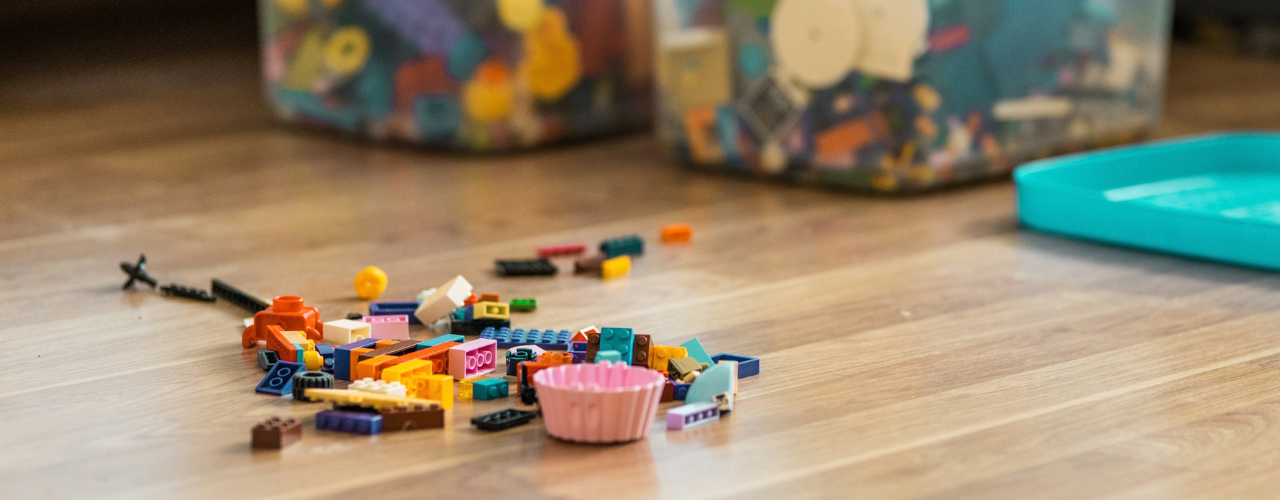
How to Store LEGOs: All the Fun, None of the Clutter
How to store LEGOs largely comes down to how your household uses them. If the bricks are part of everyday play, you need a setup that keeps them within easy reach and makes cleanup quick (for your feet’s sake, at least). Toy storage(opens in new tab) such as simple bins, playmats or containers that children can put away themselves may be enough. Larger or more serious collections usually need more organization, such as labelled drawers for loose pieces, trays for unfinished builds, shelves for completed models and separate storage for retired sets.
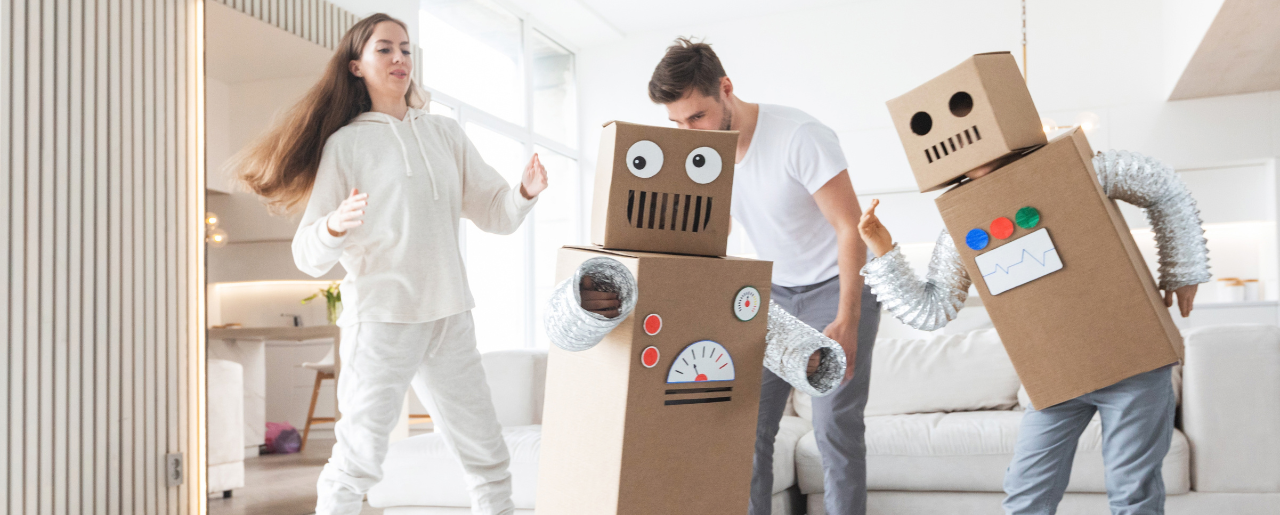
Cardboard Costume Guide: Tips and Ideas for a DIY Halloween
Whether for kids or adults, cardboard costume ideas often make the biggest splash once materialized, and that’s for a simple reason: doing a lot with a little is a universally impressive feat (especially in this economy). If you don’t have enough boxes you could temporarily repurpose, don’t worry! There are many places where you can find free moving boxes(opens in new tab), from stores and supermarkets to online groups and recycling drop-off spots. On the run? Try your luck at a self storage(opens in new tab) facility that sells moving supplies, often for cheap. This way, you can choose moving boxes of different shapes and sizes(opens in new tab), so you can make your costumes as complex as you want.

How to Celebrate Halloween: 9 Non-Spooky Ways To Enjoy It
As soon as October starts, it’s the official Halloween month. And while for many people it means it’s open season to get the scare of a lifetime, others, especially families with small children, might prefer to celebrate in a tamer way that’s both kid- and adult-friendly. While you’re likely to find more events where the spook factor is high, here’s how to celebrate Halloween in a not-so-scary way:

Motorcycle Storage Guide: How to Store Your Bike Safely
Motorcycles may be born to be wild, but eventually even the wild ones need somewhere to park. Whether riding season is winding down or your current living situation comes with plenty of square footage for you and less for your bike, motorcycle storage is one of those parts of ownership that doesn’t get as much airtime as the open road.

Halloween Decorating on a Budget (And Cheap Ideas for Everything Elsee)
Halloween has crept a long way from its eerie origins. While All Hallows’ Eve has transformed through the centuries, it wasn’t until the 1930s that trick-or-treating became a tradition in the U.S. and businesses began conjuring up mass-produced Halloween costumes. Now, Halloween is a monster-sized, billion-dollar industry, with a cauldron full of costumes and decorations ranging from the mainstream to the macabre. But is it all really worth your wallet? Maybe, but we’ll let you in on a little secret: You can keep your Halloween decorating on a budget and save on everything else, too. Take this plan and see it through!

Moving From a House to an Apartment: What to Expect, How to Downsize & How Self Storage Helps
For some, moving from a house to an apartment is a financial decision. For others, it’s about simplifying life. Maybe the kids have moved out and half the house sits empty, or you’re approaching retirement and no longer want to spend weekends on repairs. Or perhaps you’ve been weighing the cost of buying a home and wondering whether renting simply makes more sense right now.
Family Heirlooms Overload: How to Handle Family Inheritance Without Regret
Handling family heirlooms after a loss requires managing legal authority, emotional pressure and practical logistics at the same time, and the order you take them on matters more than most people expect.
Blanket Storage: The Right Method for Every Space and Season
Blankets make our lives cozier, and storing them well is what keeps them soft and comfortable in the long run. Knowing how to store a blanket properly means your favorites come out of storage smelling fresh, feeling the same as when they went in, and lasting years longer than they otherwise would.
Board Game Storage Ideas That Keep Your Collection in Fighting Shape
Nobody warns you that getting into board games usually unlocks a second hobby, the much dreaded one that includes figuring out where on earth to put them. One game becomes a few, expansions start spawning beside their base boxes and before long, board game storage requires as much strategy as whatever is waiting on the other side of those lids.