

Every fall, millions of Americans are confronted with the same logistical puzzle: pack up one home, land in another, and somehow keep both places functional for months at a time. If you’re a snowbird, you know the challenge isn’t just the packing. It’s also figuring out what travels with you, what you leave behind, and what to do about the car.
Most people drive south the first season. But a lot of them end up shipping the car the second time around.
Why experienced snowbirds stop driving
The math on driving south might hold up for a season or two, but it can get old really quickly.
A 1,200-mile drive from the Midwest to Florida takes two days if you go at a reasonable pace, so that requires at least one overnight stay and fuel both ways. And meals of course! And that’s before road construction, October traffic on I-75, or the fact that southbound corridors are among the busiest in the country right when snowbird season peaks. Do the drive twice a year, every year, and the fatigue and the vehicle mileage accumulate faster than you might think.
Shipping the car and flying is for many a much more pleasant experience. You arrive at your destination rested. And the car is already there, or close to it.
How car shipping works for a seasonal move
Seasonal auto shipping follows the same basic process as any other shipment: you book the shipment, set a pickup window, and the vehicle moves door-to-door. For snowbirds, the two variables that matter most are transport type and timing.
- Open vs. enclosed transport
Open transport loads your vehicle onto a multi-car trailer alongside other shipments. It’s the standard option for most seasonal moves and handles the overwhelming majority of routes without issue. Enclosed transport loads the car inside a covered trailer. This is ideal for a classic or exotic car, or any vehicle you’d rather not expose to road grit across hundreds of miles. Enclosed transport typically costs 30–50% more than open.
- Timing is the variable many people underestimate
Southbound car shipping capacity on the Northeast-to-Florida and Midwest-to-Florida corridors tightens fast in the fall. Peak demand runs from October through mid-November. Booking four to six weeks before your target pickup date is a reasonable baseline; if your departure falls in early November, six to eight weeks is safer and usually gets you a better rate.
- What to expect at delivery
Door-to-door service means the carrier picks your vehicle up at your home address and delivers directly to the destination address. Very long transport trucks can’t always navigate tight residential streets, so some deliveries happen a short distance from the door, at a nearby lot or wide intersection. This is common and not a sign of anything going wrong.
Booking a car shipping service for a seasonal move
When it comes to choosing a carrier, it’s worth looking for a service that specializes in seasonal routes rather than a general broker. One great option is RoadRunner Auto Transport, which has been handling seasonal shipments for more than 30 years and works with more than 14,000 vetted carriers across all 50 states. Shipments are matched to carriers through a proprietary load board, which generally means faster assignment and fewer handoffs.
Pricing is all-inclusive from the quote: door-to-door pickup and delivery, carrier insurance, and applicable fees are covered. No deposit is required until a carrier is confirmed and a pickup date is scheduled.
You can get a free quote in under a minute with their car shipping calculator and for route-specific information and seasonal carrier availability, this page covers the main corridors.
Making room at your winter home with self storage
Seasonal rentals and condos are often smaller than a primary residence, and they come with their own furniture and quirks. Many snowbirds find that between the items they’ve shipped or driven down and the vehicles they’ve brought along, things get crowded fast. A self storage unit is also an excellent strategy for snowbirds who don’t own a home or apartment in the area and instead use short-term rentals — it gives you a consistent place to keep your belongings across multiple seasons, even as the rental itself changes year to year.
Self storage near your winter home is a practical fix. A 10×10 or 10×15 unit handles the overflow — extra furniture, hobby gear, or seasonal items you want accessible but don’t need underfoot. If you’ve brought a second vehicle — a golf cart, a motorcycle, or a convertible that only comes out in good weather — storage works well for that too. Climate controlled units are definitely worth considering if you’re storing anything sensitive to heat or humidity.
The right order of operations for snowbirds traveling South
Experienced snowbirds tend to run the same sequence:
- Lock in departure and return dates.
- Book car shipping four to six weeks before your target pickup date.
- Book flights once the car shipment is confirmed.
- Coordinate the pickup window with the carrier; someone needs to be present at both ends.
The car shipment is date-sensitive. Get those confirmed first and everything else becomes easier to schedule around them.
Frequently Asked Questions
How far in advance should snowbirds book car shipping?
For fall departures on the high-demand corridors — Midwest to Florida, Northeast to Florida — four to six weeks ahead is a workable window. If your dates are firm and you’re leaving in October or early November, six to eight weeks is the safer target. Spring return shipments tend to have more available carrier capacity and shorter lead times than the fall rush.
Can you ship two cars for a seasonal move?
Yes. Some snowbirds drive one vehicle and ship the other; others ship both and fly. At current rates, shipping both often comes close to or below the combined cost of driving one car and renting at the destination for several months.
What happens to the car during transport?
The vehicle is loaded onto an open or enclosed trailer, secured, and driven to the delivery address. Carriers are required to carry cargo insurance. At pickup, a bill of lading documents the vehicle’s condition before it leaves; both parties sign it. That document is the basis for any insurance claim if something is damaged in transit.
What should come out of the car before shipping?
Remove all personal belongings before pickup. Carriers generally allow up to 100 lbs. of items in the trunk on a practical basis, but personal items are not covered by cargo insurance. Anything irreplaceable — documents, medications, electronics — should travel with you.
Is storing a car at the destination different from shipping it there?
It can be a complement rather than an alternative. Some snowbirds ship their primary vehicle south and store a second one — a golf cart, a seasonal convertible, or simply a spare — at a unit near the winter home. A 10×20 unit handles a standard car; a golf cart fits in a 5×10 or 5×15 depending on size. StorageCafe’s unit size calculator will help you find the right unit size for your needs.
This article was contributed by RoadRunner Auto Transport, a seasonal vehicle shipping company.


How to Store LEGOs: All the Fun, None of the Clutter
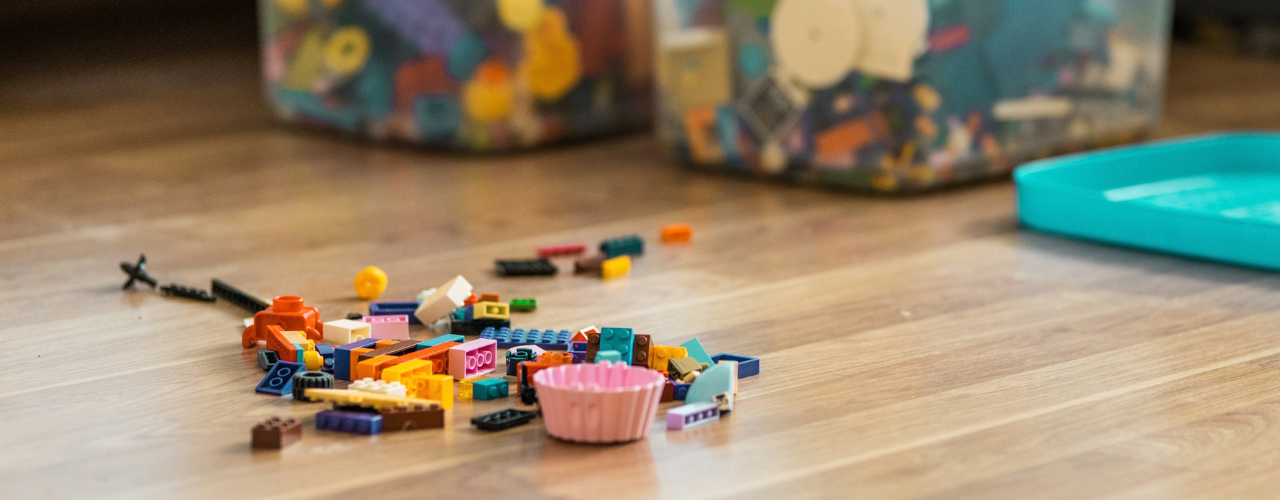
How to store LEGOs largely comes down to how your household uses them. If the bricks are part of everyday play, you need a setup that keeps them within easy reach and makes cleanup quick (for your feet’s sake, at least). Toy storage(opens in new tab) such as simple bins, playmats or containers that children can put away themselves may be enough. Larger or more serious collections usually need more organization, such as labelled drawers for loose pieces, trays for unfinished builds, shelves for completed models and separate storage for retired sets.

Cardboard Costume Guide: Tips and Ideas for a DIY Halloween
Whether for kids or adults, cardboard costume ideas often make the biggest splash once materialized, and that’s for a simple reason: doing a lot with a little is a universally impressive feat (especially in this economy). If you don’t have enough boxes you could temporarily repurpose, don’t worry! There are many places where you can find free moving boxes(opens in new tab), from stores and supermarkets to online groups and recycling drop-off spots. On the run? Try your luck at a self storage(opens in new tab) facility that sells moving supplies, often for cheap. This way, you can choose moving boxes of different shapes and sizes(opens in new tab), so you can make your costumes as complex as you want.

How to Celebrate Halloween: 9 Non-Spooky Ways To Enjoy It
As soon as October starts, it’s the official Halloween month. And while for many people it means it’s open season to get the scare of a lifetime, others, especially families with small children, might prefer to celebrate in a tamer way that’s both kid- and adult-friendly. While you’re likely to find more events where the spook factor is high, here’s how to celebrate Halloween in a not-so-scary way:

Motorcycle Storage Guide: How to Store Your Bike Safely
Motorcycles may be born to be wild, but eventually even the wild ones need somewhere to park. Whether riding season is winding down or your current living situation comes with plenty of square footage for you and less for your bike, motorcycle storage is one of those parts of ownership that doesn’t get as much airtime as the open road.

Halloween Decorating on a Budget (And Cheap Ideas for Everything Elsee)
Halloween has crept a long way from its eerie origins. While All Hallows’ Eve has transformed through the centuries, it wasn’t until the 1930s that trick-or-treating became a tradition in the U.S. and businesses began conjuring up mass-produced Halloween costumes. Now, Halloween is a monster-sized, billion-dollar industry, with a cauldron full of costumes and decorations ranging from the mainstream to the macabre. But is it all really worth your wallet? Maybe, but we’ll let you in on a little secret: You can keep your Halloween decorating on a budget and save on everything else, too. Take this plan and see it through!

Moving From a House to an Apartment: What to Expect, How to Downsize & How Self Storage Helps
For some, moving from a house to an apartment is a financial decision. For others, it’s about simplifying life. Maybe the kids have moved out and half the house sits empty, or you’re approaching retirement and no longer want to spend weekends on repairs. Or perhaps you’ve been weighing the cost of buying a home and wondering whether renting simply makes more sense right now.

Family Heirlooms Overload: How to Handle Family Inheritance Without Regret
Handling family heirlooms after a loss requires managing legal authority, emotional pressure and practical logistics at the same time, and the order you take them on matters more than most people expect.

Blanket Storage: The Right Method for Every Space and Season
Blankets make our lives cozier, and storing them well is what keeps them soft and comfortable in the long run. Knowing how to store a blanket properly means your favorites come out of storage smelling fresh, feeling the same as when they went in, and lasting years longer than they otherwise would.

Board Game Storage Ideas That Keep Your Collection in Fighting Shape
Nobody warns you that getting into board games usually unlocks a second hobby, the much dreaded one that includes figuring out where on earth to put them. One game becomes a few, expansions start spawning beside their base boxes and before long, board game storage requires as much strategy as whatever is waiting on the other side of those lids.