
Tiny Living Is Going Mainstream In San Antonio, TX — Here’s How To Make It Work For You

San Antonio’s housing market has its challenges, typical for an urban center its size: The lack of affordable starter homes makes it difficult for many residents to contemplate becoming homeowners. A brand-new initiative from construction company Lennar might change that, at least for some of the people living in San Antonio. The company is developing a new housing complex at Elm Trails, centered around low footprint, affordable homes. The detached homes, located in an area with plenty of open space and beautiful natural surroundings, come in (very) small sizes: 350 square feet or 660 square feet. The prices are, obviously, significantly lower compared to more traditional housing options, starting at around $130K.
Although such homes might seem small to many, there’s definitely a market for them and many benefits associated with living small. Tiny home living and minimalist lifestyles are becoming increasingly popular, with many people willing to trade some space at home for advantages such as lower housing costs, lower taxes and less stuff to deal with. One of the downsides of living in small abodes is that it can be challenging to find the space to store your possessions — even if you don’t own a lot. However, there are ways to overcome this issue — you just need a bit of creativity and flexibility.

Here’s how to live big in your small San Antonio home
Space constraints in a 350- or 660-square-foot home are significant — but that’s no reason to be discouraged if you already have decided to take the step. Check out these simple, yet effective, solutions that will help you transition toward your new lifestyle:
- Find furniture and appliances suitable for small spaces
Whether you’re downsizing to a veritable tiny home, or to a traditional home significantly smaller than your current place, it’s essential that you get furniture and appliances suitable for the new space. Large, bulky items will take up too much floor space and make you feel cramped and uncomfortable. Instead, opt for slender, double-duty furniture, such as bed frames with drawers, storage stools, folding or collapsible tables and chairs and so on. Furniture that fits every nook and cranny of your home is also a smart investment when it comes to tiny living — this way, you’ll be able to use every inch of space in your home.
When it comes to appliances, make sure you only get items that you actually use — for example, you don’t necessarily have to install an oven if you don’t bake often. Instead, you could get a microwave with grill function, or maybe an air fryer, either of which is a lot smaller than a classic oven. Also, if you live close to a laundromat, maybe the space that you would use for a washer and dryer could be dedicated to something more useful (such as storage space).
- Declutter mercilessly
Decluttering is a step that cannot be skipped if you decide to adopt the tiny living lifestyle, and it has to be ruthless. It’s important to be honest with yourself about what you really need and use. Don’t be afraid to get rid of items that no longer serve a purpose in your life. Start the process of decluttering by categories: Clothing could be the first category, as most of us tend to hold on to clothes that we haven’t worn in years. Ensure that every piece of clothing you keep fits you, is in good shape, and you’re actually wearing it. Sell, donate or recycle the rest.
Furniture, appliances and household items such as tools or kitchen accessories are another sore point. If the house you’re moving to is significantly smaller than the existing one, it’s probably better to sell your furniture and appliances and buy new ones that are better suited for small spaces. When it comes to tools and other household items, your main rule should be to own just one of each, whether it’s something large such as a vacuum cleaner, or something small, like a potato peeler. Giving up on sentimental items might be difficult as well, but there are ways to repurpose them so they take up less space: Frame them and display them on walls, or digitize them.
- Rent a self storage unit
A self storage unit located close to your home allows you to reconcile living in a small home with your natural desire, and need, to hold on to your belongings. A 10’x10’ storage unit in San Antonio rents for around $112 per month, and there are over 260 storage facilities in San Antonio to choose from. A 10’x10’ storage unit is large enough to allow you to store extra furniture, appliances, sports equipment, tools and so on — basically, all the things that you need but don’t use on daily basis. If such a unit is too big for your storage needs, you could rent a 5’X10’ unit or even a 5’x5’ one.
- Be mindful about your shopping habits
Decluttering is just one side of the coin — the other side is to adjust your shopping habits so that you don’t end up again with more possessions than space. Before heading out to shop, create a list of the items you need to buy. This will help you avoid impulse purchases and only buy what you need. Avoid shopping when you’re feeling emotional or stressed, as you may be more likely to make impulsive purchases. Also, avoid sales and discounts just for the sake of it. Sales and discounts can be tempting, but they can also encourage unnecessary spending. Only take advantage of sales and discounts if the item is something you need or have been planning to purchase.
- Make the most of San Antonio’s great outdoors
One great way of avoiding feeling cooped up in a small home is by making the most of San Antonio’s amazing options for outdoor fun. From exploring the city’s River Walk to spending time at SeaWorld, there’s a lot you can do. For those who enjoy hiking and nature, the Government Canyon State Natural Area offers miles of trails and scenic views, while the nearby Natural Bridge Caverns is a system of underground caves with tours available for all ages. Other activities, such as swimming in the crystal-clear waters of the Guadalupe River or kayaking in Canyon Lake, are also easily available — and local weather allows you to spend ample time outdoors throughout much of the year.
How do you feel about living in a tiny home? Let us know in the comments!


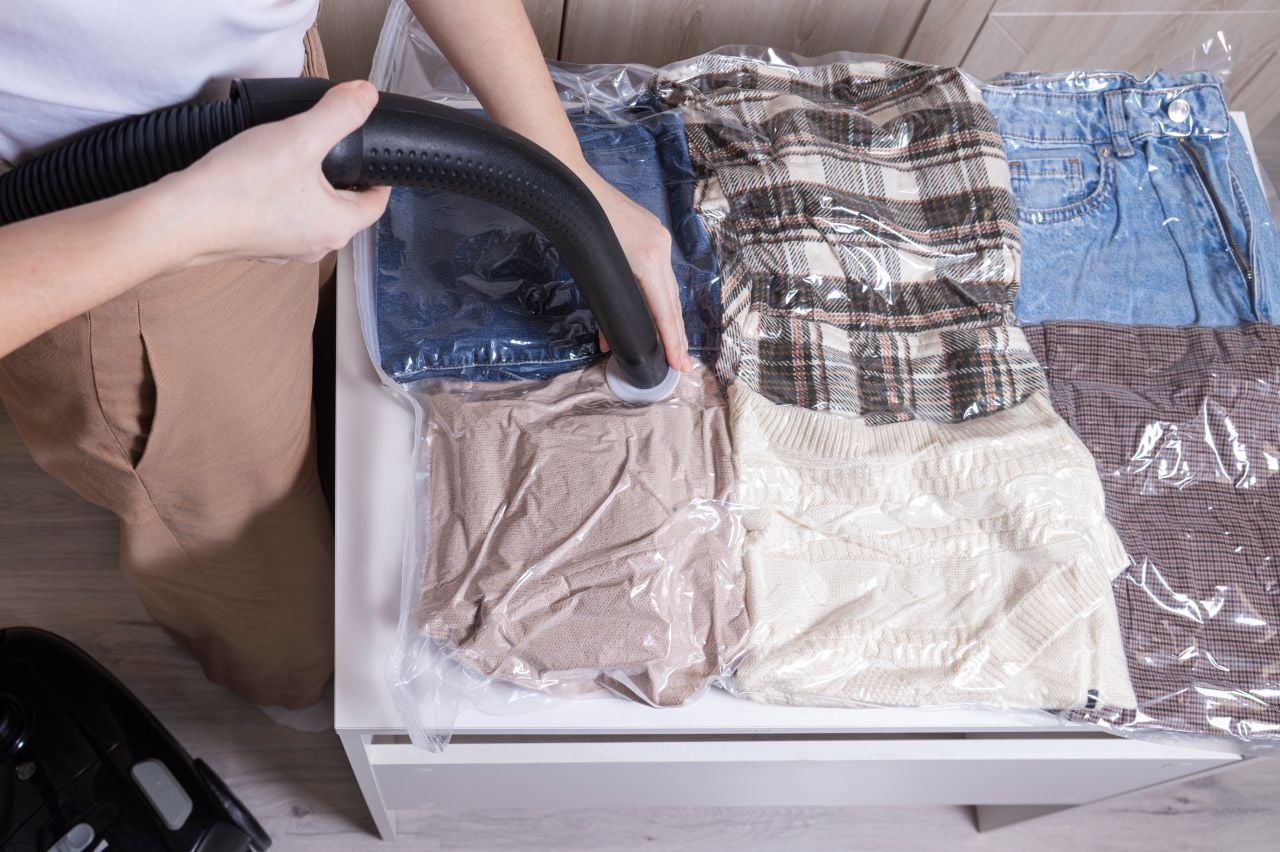
Should You Vacuum Seal Clothes? Everything You Actually Need to Know
Vacuum storage bags seem like the perfect solution when storage space is an issue: suck out the air, shrink that pile of winter sweaters into a fraction of the space and suddenly your closet is no longer overflowing. For the right types of clothes or other household linens, vacuum bags are actually quite handy and a great way to save closet space.

ATV Storage Guide: How To Store and Winterize Your ATV
The riding season is winding down, and that’s when most people start thinking about ATV storage. Keeping an ATV at home isn’t always easy. Garages fill up fast, sheds are rarely built for a four-wheeler and some apartment complexes and homeowners associations don’t allow one in the parking lot or driveway.
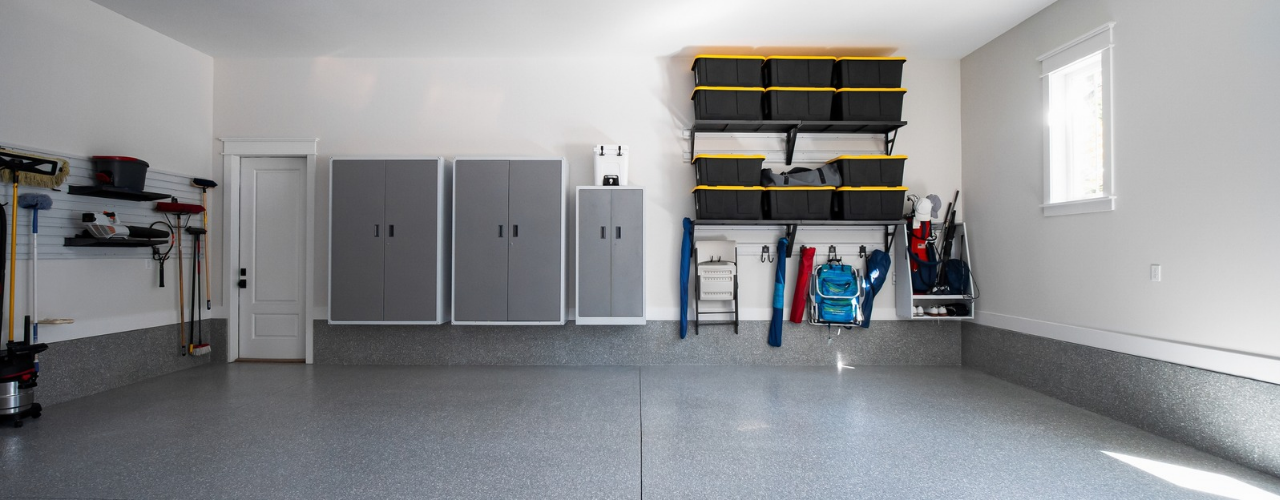
21 Garage Storage Ideas: Free Up Your Floor Space
Garage storage is more important than it sounds, because it helps you move things off the floor and onto walls, ceilings and rolling units. In time, this makes a big difference and saves you from awkwardly tiptoeing around stuff you’ve left on the ground. Use the garage storage ideas below and you’ll build a setup that fits what you own, how often you use it and how much space you have.
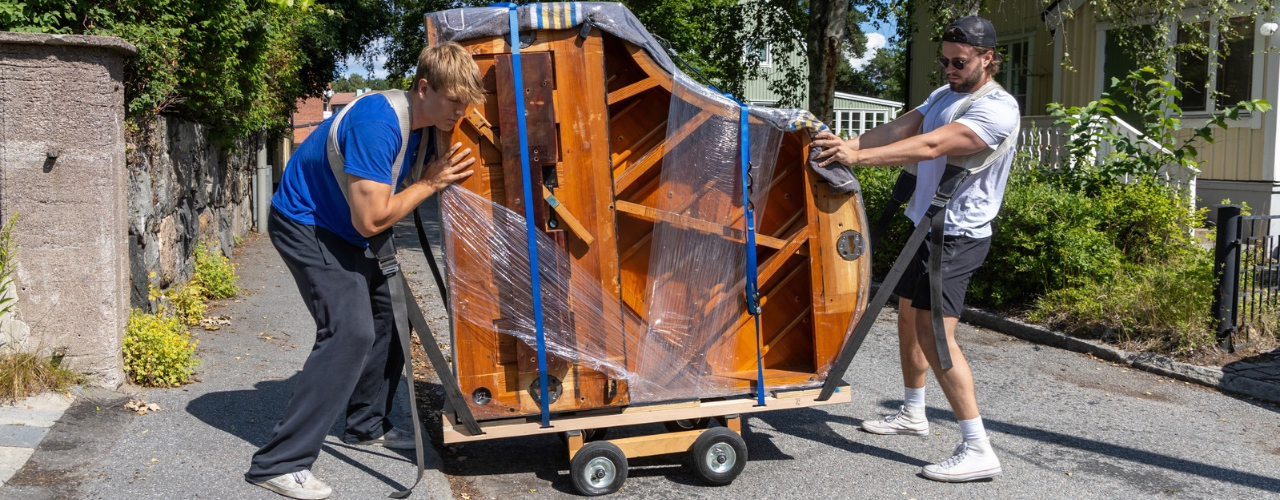
How to Move a Piano: Moving, Insurance & Storage Guide
Before we get into the nitty-gritty of the matter, let’s agree on the simple fact that, unlike other types of relocation conundrums, moving a piano is just a very cool thing to see, let alone accomplish. The labor that makes piano concerts possible and keeps legendary instruments alive, a piano relocation takes meticulous planning, special equipment and a crew that really knows their stuff. That is, unless you’re set on recreating the piano crash of a classic Looney Toons gag.
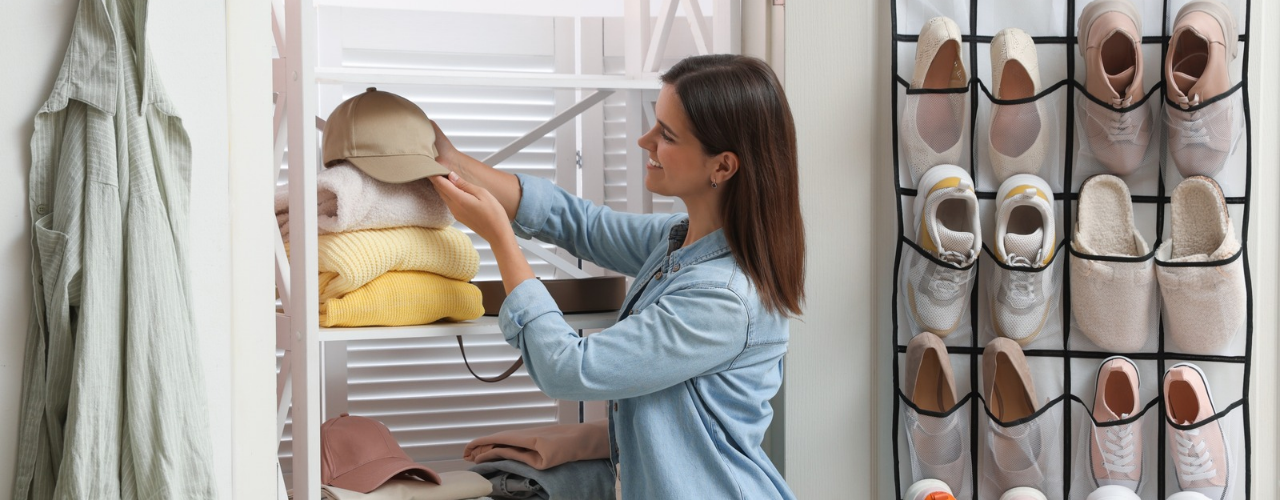
Hall Closet Organization: 30 Ideas for Simpler Storage
Be it built-in, freestanding, or wholly improvised, your hall closet works best when you can grab anything quickly and put it back just as fast. These 30 ideas for organizing your hall closet walk you through planning, deciding where things go, choosing the right containers and way more. By the end, you’ll even know what to do when your closet still runs out of room.

Holiday Decoration Storage: A Guide for Every Season
Taking down the holiday decorations is never as exciting as putting them up. One minute, your home is looking wonderfully festive, and the next, you’re trying to remember which box the Christmas ornaments came in while wrestling with a string of lights that managed to tie itself into a dozen knots. With every holiday bringing its own collection of decorations, a good holiday decoration storage system helps you keep a growing collection under control.

Where to Get Moving Boxes in Philadelphia
Philadelphia’s historic charm can put your patience to the test on moving day. Between cobblestone streets, narrow rowhouse entrances and the occasional pothole, you don’t want to worry about not having enough boxes on top of it all. Start gathering your moving boxes early and you’ll have one less box to check off on packing day. Luckily, you have plenty of places to get your boxes from.

Art Supply Storage from A to Easel
Paint tubes, brushes, sketchbooks, scraps of paper, beads, half-used rolls of tape and that one very specific pen you swear you just had in your hand. Building up an art supply collection is rarely a neat process, and each new material brings its own storage needs.
Scary Good DIY Halloween Decorations That Won’t Haunt Your Wallet
A few floating candles in the hallway, a family of ghosts by the front door and a suspicious number of bats climbing up the bedroom wall can make October feel a whole lot spookier. While Halloween stores are full of tempting finds, some of the best DIY Halloween decorations can come from things you already have tucked away in drawers, closets or the recycling bin.