

Assisting aging parents during their move can be very physically and emotionally taxing. In addition to the change of scenery, many older parents have had a long life of experiences, and they’ve likely collected many belongings along the way. You’ll likely need to help them pack and assist them as they get used to the place they’ll now call home. While doing so, keeping them involved and part of the conversation is essential.
Care and tact are necessary during this transition, and these tips can help you take the emotional and practical steps to help your folks move.
How to ease your aging parents into a new living situation
The first step for helping aging parents during this transition is ensuring they have a safe place to call home. There are many options depending on their situation. Rather than telling them where to go, have a conversation and talk about your parent’s wants and desires in addition to the type of care they may need.
When it comes to housing for aging adults, there are many different options including co-housing, assisted living facilities, or different types of modifications that you can make to help your loved one age in place. If you have room in your home and can care for your parents in times of need, co-housing may be a good option. That’s where everyone has their own space in the house and shares the responsibilities when applicable. The good news in this situation is that you can care for your parents. The negatives could include a lack of privacy.
If your parents are dealing with a chronic illness, such as cancer or Alzheimer’s, or they require more care than you’re capable or trained to provide, then helping them move into an assisted living community may be the answer. Research these locations first because many are pricey, and they must provide the services your parents need. However, if you can make it work, it can be the best place for your parents at this stage in their lives.
A retirement village is another idea if your parents want to downsize but still live independently. In a village, everyone has their own separate living unit, but they’re still part of a community and they can get help from others if they need it.

Planning is essential
Regardless of where they go, if you’re moving an elderly parent, you can’t just have them box up their belongings and go without proper planning. Talk to your parents about their timeline and decide on a moving date far enough in advance so that all of you are physically and mentally prepared to take on the challenge. Sometimes, your parents may decide to move. However, if you decide for them, be sure to handle the situation carefully and understand they may be sad. Ask what you can do to help, reassure them that it will be okay, and be there for them in times of need.
Considerations for your parent’s well-being should also be made, and one of the most important is ensuring that they’ll have the medical care they’ll need at their new destination. You’ll need to accomplish several tasks, including informing the current doctor that you’re moving, researching the new town, and ensuring that the new physician is covered by insurance. Don’t forget to involve your parents in these crucial steps and get their input about their own medical decisions.
Once they find a place to live, you may need to help your parents set up their new dwelling. If they’re moving to a smaller house or apartment, You’ll want to help them set up their utilities and the mail for the new place. In the case that they’re moving into a fixer-upper, you can help with the maintenance or help them set up a contractor who can. Finally, consider hiring movers to pack up the current home and deliver and unpack at the new house. Be there when they arrive so you can guide them and advise where everything goes.
Tips for downsizing
Perhaps the most taxing part of moving aging parents is downsizing their well-lived life into a handful of boxes. It won’t always be pleasant for them to get rid of things they love, but by working through it with them, you can make the ordeal easier. The best routine is to walk through them room by room and decide what they really need to be happy and what they can live without.
Have your parents think about the items they’ve used lately and which they’ve mostly forgotten about. If they can’t remember when they used something last, they probably don’t need it.
Sometimes, having a plan for getting rid of certain items can help. For instance, if it helps them feel better, you can donate items so they know they’ll find a good home. Items in good condition can often be sold during a garage sale or online on the Facebook Marketplace and similar online communities. If selling items makes money for the move and puts some cash in their pockets, they may be more willing to let go.
There will likely be seasonal items and cherished heirlooms that simply won’t fit in a new dwelling. In that case, you can preserve them by renting a storage unit. When your parents know they can still hold on to some of their belongings, it will make downsizing easier. Plus, self storage is a long-term solution. If your parents aren’t comfortable with putting items in storage, they may be able to relatives about rehoming heirlooms so they stay safe within the family.
Consider these tips for preparing for a big move so you can ensure a smooth transition for your aging parents to their new living space. Be there for them along the way, and include them in necessary decisions, and the process will be much easier.



Moving From a House to an Apartment: What to Expect, How to Downsize & How Self Storage Helps
For some, moving from a house to an apartment is a financial decision. For others, it’s about simplifying life. Maybe the kids have moved out and half the house sits empty, or you’re approaching retirement and no longer want to spend weekends on repairs. Or perhaps you’ve been weighing the cost of buying a home and wondering whether renting simply makes more sense right now.
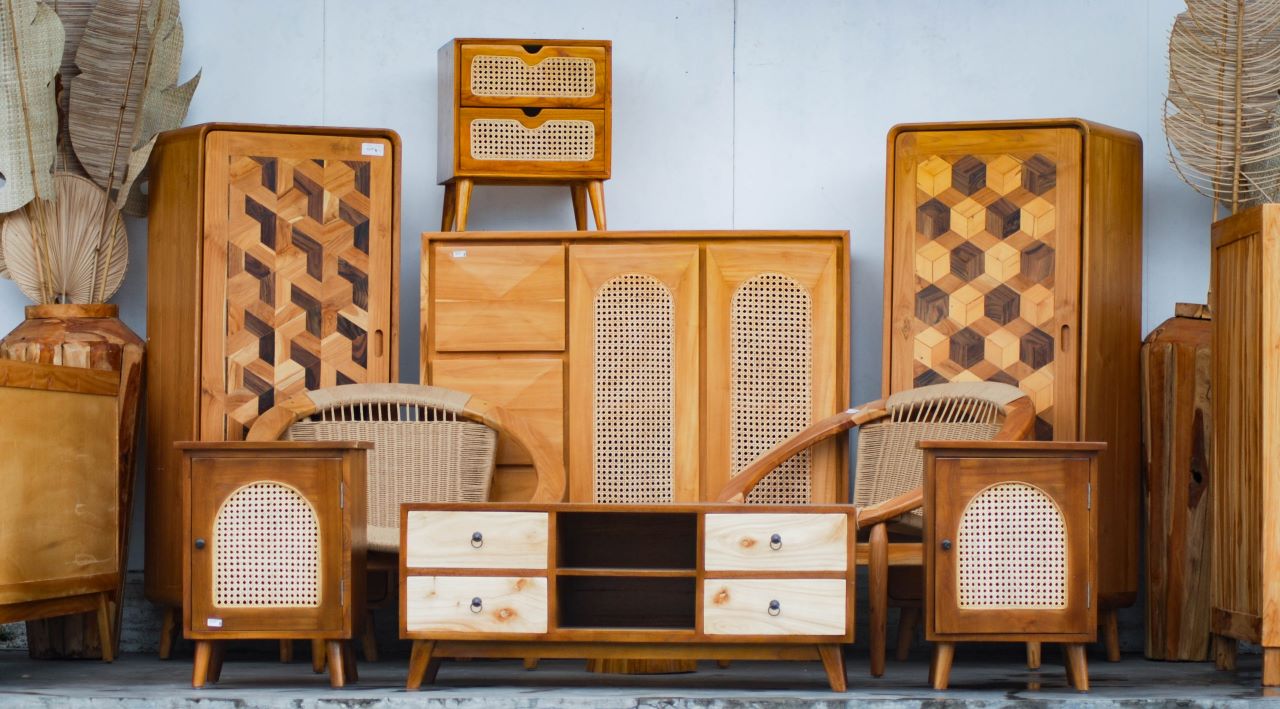
Family Heirlooms Overload: How to Handle Family Inheritance Without Regret
Handling family heirlooms after a loss requires managing legal authority, emotional pressure and practical logistics at the same time, and the order you take them on matters more than most people expect.
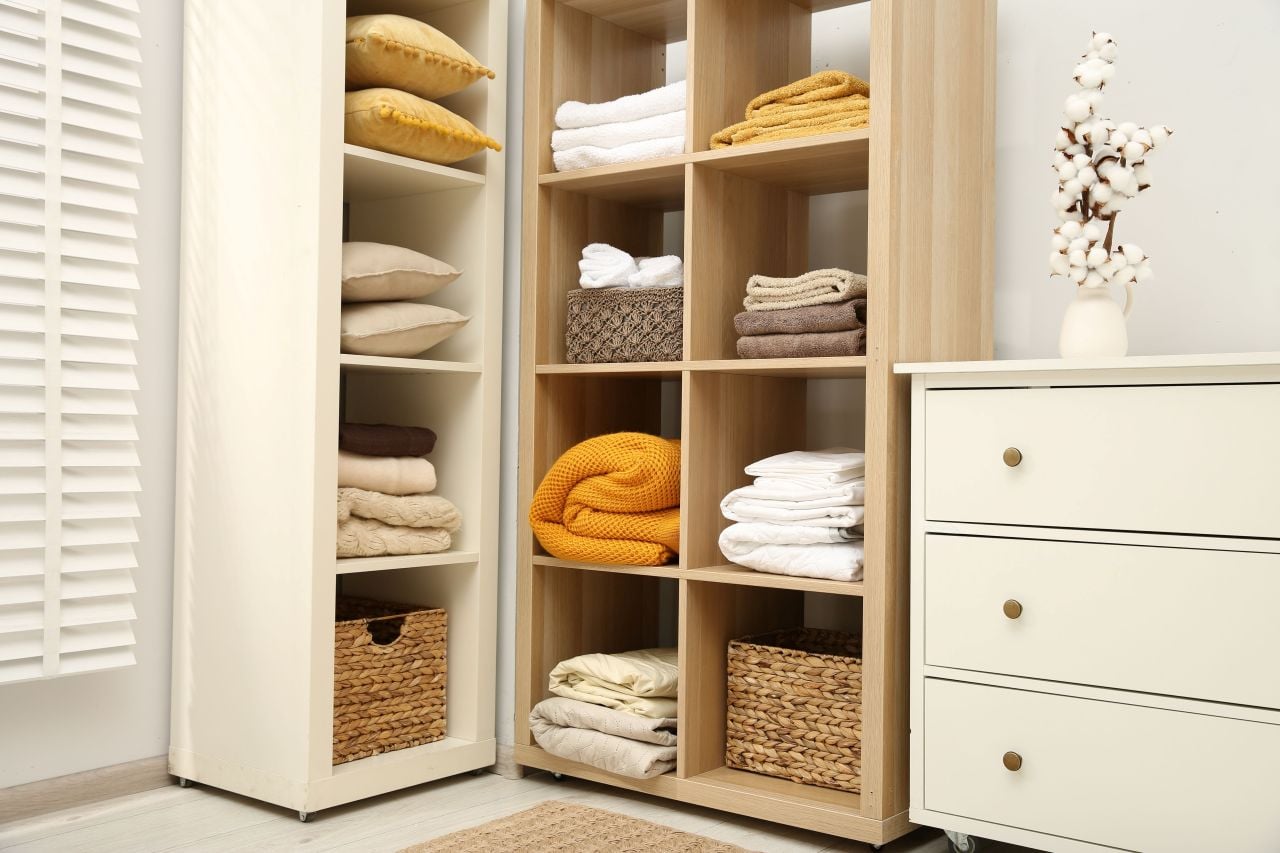
Blanket Storage: The Right Method for Every Space and Season
Blankets make our lives cozier, and storing them well is what keeps them soft and comfortable in the long run. Knowing how to store a blanket properly means your favorites come out of storage smelling fresh, feeling the same as when they went in, and lasting years longer than they otherwise would.

Board Game Storage Ideas That Keep Your Collection in Fighting Shape
Nobody warns you that getting into board games usually unlocks a second hobby, the much dreaded one that includes figuring out where on earth to put them. One game becomes a few, expansions start spawning beside their base boxes and before long, board game storage requires as much strategy as whatever is waiting on the other side of those lids.

Storage Locker vs. Storage Unit: What’s the Difference?
A locker and a unit may sound like two names for the same four walls and a lock, and depending on the storage facility, you may even see the terms used that way. However, once you start comparing available spaces, storage lockers tend to occupy the smaller end of the spectrum, while storage units(opens in new tab) give you considerably more room to work with.

Storage Ideas for Small Spaces: 9 Ways to Max Out Your Home
A messy home contains the seeds of its organization. Those seeds are everywhere: the space above doors, under beds, behind sofas and inside furniture can all become storage. Here are the best storage ideas for small spaces, so you can make the most of your cozy home.

Best U.S. Cities to Live Uncluttered: Plano, TX, Offers the Most Room to Breathe
Clutter is in our homes as much as in our heads. Both are shaped by where we live.
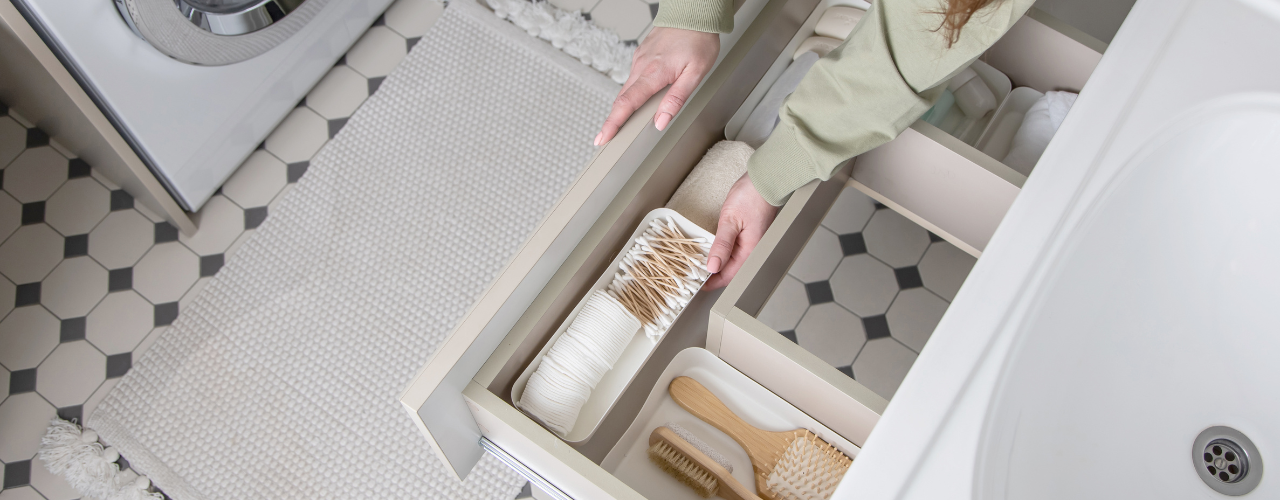
How to Organize Your Bathroom: 8 Ways to Stay Tidy
You already know why an organized bathroom is worth the effort, but let us remind you: it makes rushed mornings easier, keeps counters cleaner and just helps get you in the mood to go through your skincare routine like you should. Plus, in bigger households, it helps everyone find what they need. And you know how much a tidy bathroom counts for your self-esteem when a guest or a partner shows up. Luckily, you don’t need a degree to know how to organize your bathroom. The secret is keeping less, giving every item a home and making that home simple to use. Let’s go through some practical steps can help you create a bathroom that stays functional and nice to look at.

How to Use Silica Gel Packets for Storage
Moisture can cause significant damage to items in storage, leading to rust on tools, mold on clothing and warping in documents. Silica gel uses science to fix that. Often found in small packets inside product packaging, silica gel is a desiccant that absorbs moisture from the air, keeping your stored items dry and protected. This guide explains what silica gel is, how it works and how you can use it to preserve your belongings in self storage.