

Living in a smaller apartment doesn’t have to mean giving up your hobbies because of the limited space. If one of your hobbies is gardening and tending to plants, you’re in luck, as you can do that even when space is in limited supply. Here are a few tips and tricks for starting an indoor garden, even in apartments that aren’t so generously sized.
Optimize your gardening (space)
First, you need check and optimize the space you do have at your disposal. Using multilevel stands can help you store more pots using a similarly sized footprint, while hanging planters or shelves will take you one step closer to having your own indoor vertical garden. Balconies and windowsills can come in handy, too, providing plenty of light for smaller pots and window planters.
Scan your apartment for spots where a plant could reside and get the amount of light they require. Alternatively, you can use indoor gardening lights to give your pots a boost and make sure they can grow as intended.
One more option for growing plants indoors is to use hydroponic gardening. In essence, hydroponics replaces the soil that’s used in normal gardening with nutrient-rich water. Compared to traditional gardening, hydroponics helps plants grow up to 20% faster, and these gardens can use 85% less water. There are different ways of using hydroponics, and it can be adapted to fit a variety of spaces, including smaller apartments.
What plants can be grown indoors?
 Once you’ve determined what the best gardening approach would be for your space, it’s time to choose what plants you’ll be growing. There are several options for you to choose from, each with their own requirements. Make sure to keep these things in mind when buying the plants for the best experience.
First, there’s the normal houseplant, with some options that can easily thrive in even the smallest spaces. The snake plant (sansevieria) is very easy to grow, being tolerant of irregular watering and growing even in low light conditions. Similarly, the ZZ plant (Zamioculcas zamiifolia) can also thrive in low light and humidity conditions.
If you’re thinking of using vertical or hanging planters, the pothos and spider plants are perfect choices since they are so easy to care for. The latter can also produce offshoots, which can be propagated into a new pot for easy multiplication. The ivy, philodendron and string of pearls plants are three more options of perfect plants for shelves, vertical or hanging planters since they can be trained to trail downwards or grow vertically.

Grow your own herbs, fruits and veggies indoors
You can plant fruits and vegetables indoors, too, so don’t let the lack of a garden stop you from growing your own crops. Compact plant varieties such as “Tiny Tim” cherry tomatoes, “Thumbelina” carrots or jalapeño peppers can grow in smaller pots, making them perfect for apartments of all sizes. Similarly, strawberries can be grown in hanging baskets or small pots, and there are dwarf varieties of lemon trees, such as the “Improved Meyer,” which can be grown indoors if they get enough light.
If you do a lot of cooking at home, you might be inclined to grow your own herbs to use in meals. Basil, chives and parsley can all be grown in windowsill pots, while cilantro and mint thrive in partial shade and cooler temperatures, too. Some herbs may need more sunlight, though, such as thyme, oregano and rosemary.
Pets, beware!
If you’ve got the privilege of living in a pet-friendly home and own a cat or a dog, it’s best to take some extra precautions before bringing certain plants home. Some houseplants can be toxic to cats, such as aloe vera, pothos and the cut-leaf philodendron. For dogs, meanwhile, it’s plants such as the fiddle leaf fig, ZZ plant and bird of paradise that can be toxic if your pooch happens to ingest them.
The spider plant, Boston fern and friendship plant are all among the safe options, as well as the African violet or the calathea. There are more pet-safe plants to choose from, however, so it’s best to consult all options and see which fit your space, your pet’s requirements and your desired aesthetic.
Make sure these precautions you are taking extend to the placement of your plants, too. High shelves and hanging planters are best since they would be out of your pets’ reach, but it’s best to check that your pots are stable just in case.

Plant maintenance 101
When buying plants, you should commit to taking care of them as best as you can. Make sure to keep the plants’ soil consistently watered, but do not overwater them, and check that all pots can drain the excess water properly (into a saucer, if possible). Keep the temperature and humidity of your apartment at appropriate levels for your plants, and use some fertilizer every few weeks to keep your plants fed and happy.
You should also trim your plants regularly to remove any leaves that are dead or yellowing and to encourage proper growth. It’s important to regularly check your pots for any pests, too, so that any infestations can be dealt with quickly.
Running out of room? Try self storage!
Having plants in your apartment can help turn it into an evergreen oasis, no matter how small the space may be. If you’re running out of room for plants, however, you can always search for a storage unit near you. Just make sure you’ll be storing things you don’t use regularly, and not the plants themselves.
We recommend storing items such as empty flowerpots or planters, as well as any tools you may have. Whether it’s a small assortment of hand tools, such as trowels and pruners, or you’ve got some larger equipment, such as a garden cart, they’ll surely fit into storage as long as you find the right sized unit.
Plant care products such as pesticides and herbicides can be put away in the long term, as well as any soil bags and fertilizers you may have lying around. You can also store any balcony furniture that you may have removed to make space for your new plants, such as chairs and tables.
As a rule, make sure to clean any tools and disassemble large items (if possible) before storing them. Any shelving inside of your storage unit will be of great help in keeping things organized, as well as clearly labeled boxes. Finally, if you’ve managed to find a climate-controlled storage unit, be sure to use that feature when storing items such as seeds, bulbs or chemicals.
This article was written by Florin Petrut. With a big passion for storytelling, Florin is currently working as a Marketing Writer Intern for Yardi. Having always been passionate about writing, he pursued a B.A. in Journalism and then further developed his skills during his two years of M.A studies.



America’s Top Snowbird Destinations for 2026–2027: Florida Leads in Numbers, Texas Wins on Value
For Americans living in colder states, the approach of winter is reason enough to start looking south. Cold weather carries costs that go beyond the heating bill and shoveling snow. Seasonal affective disorder(opens in new tab) is far more prevalent in northern states, so a temporary move south isn’t simply an escape from the cold, but a chance to spend the hardest stretch of winter outdoors and in the sun.
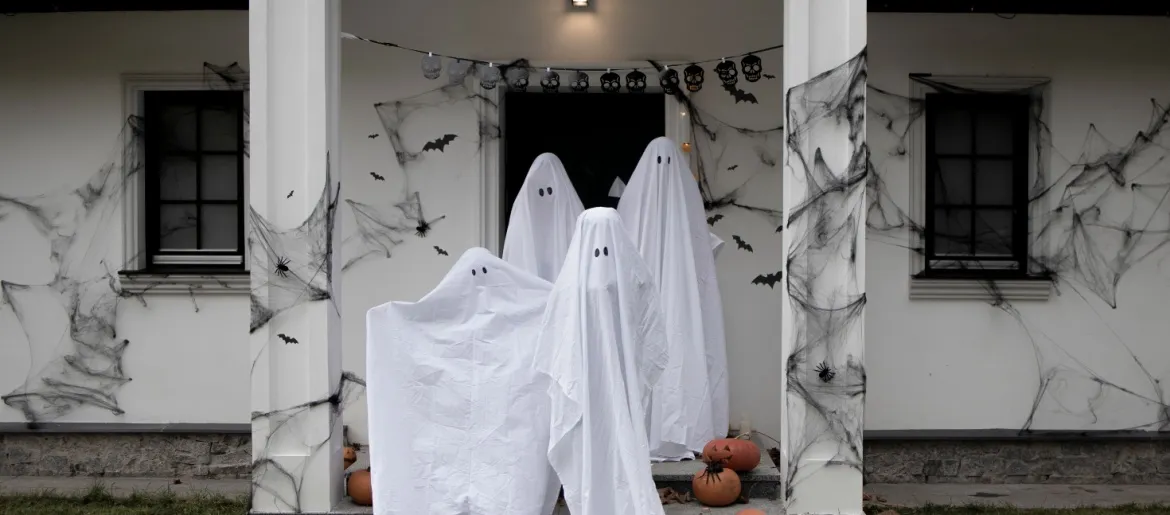
How much does Halloween really cost in 2026? Plan wisely to avoid the scare of hidden costs
Americans’ love for Halloween is almost frightening — this year alone, we are on our way to spending $13.5 billion, according to data from the National Retail Federation(opens in new tab). That breaks down to about $115 Halloween costs per person, a whopping 49% more than 10 years ago.
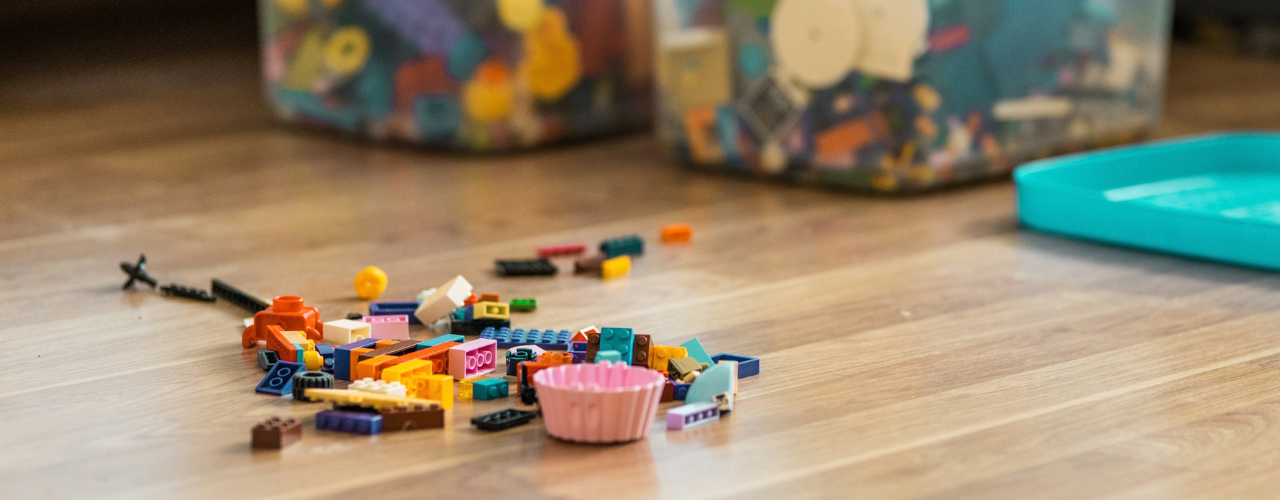
How to Store LEGOs: All the Fun, None of the Clutter
How to store LEGOs largely comes down to how your household uses them. If the bricks are part of everyday play, you need a setup that keeps them within easy reach and makes cleanup quick (for your feet’s sake, at least). Toy storage(opens in new tab) such as simple bins, playmats or containers that children can put away themselves may be enough. Larger or more serious collections usually need more organization, such as labelled drawers for loose pieces, trays for unfinished builds, shelves for completed models and separate storage for retired sets.
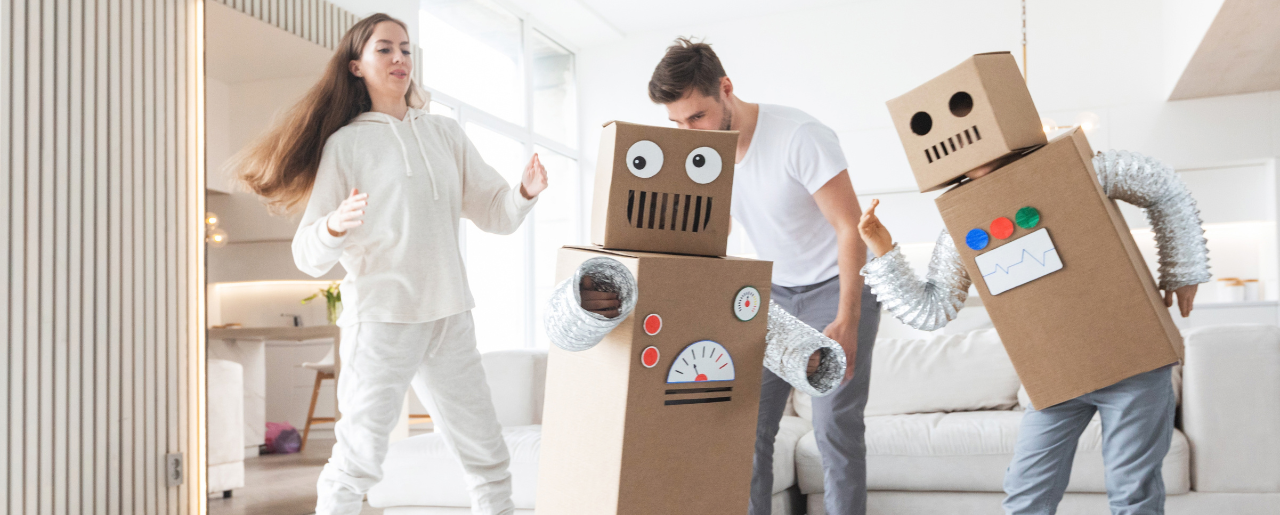
Cardboard Costume Guide: Tips and Ideas for a DIY Halloween
Whether for kids or adults, cardboard costume ideas often make the biggest splash once materialized, and that’s for a simple reason: doing a lot with a little is a universally impressive feat (especially in this economy). If you don’t have enough boxes you could temporarily repurpose, don’t worry! There are many places where you can find free moving boxes(opens in new tab), from stores and supermarkets to online groups and recycling drop-off spots. On the run? Try your luck at a self storage(opens in new tab) facility that sells moving supplies, often for cheap. This way, you can choose moving boxes of different shapes and sizes(opens in new tab), so you can make your costumes as complex as you want.

How to Celebrate Halloween: 9 Non-Spooky Ways To Enjoy It
As soon as October starts, it’s the official Halloween month. And while for many people it means it’s open season to get the scare of a lifetime, others, especially families with small children, might prefer to celebrate in a tamer way that’s both kid- and adult-friendly. While you’re likely to find more events where the spook factor is high, here’s how to celebrate Halloween in a not-so-scary way:

Motorcycle Storage Guide: How to Store Your Bike Safely
Motorcycles may be born to be wild, but eventually even the wild ones need somewhere to park. Whether riding season is winding down or your current living situation comes with plenty of square footage for you and less for your bike, motorcycle storage is one of those parts of ownership that doesn’t get as much airtime as the open road.

Halloween Decorating on a Budget (And Cheap Ideas for Everything Elsee)
Halloween has crept a long way from its eerie origins. While All Hallows’ Eve has transformed through the centuries, it wasn’t until the 1930s that trick-or-treating became a tradition in the U.S. and businesses began conjuring up mass-produced Halloween costumes. Now, Halloween is a monster-sized, billion-dollar industry, with a cauldron full of costumes and decorations ranging from the mainstream to the macabre. But is it all really worth your wallet? Maybe, but we’ll let you in on a little secret: You can keep your Halloween decorating on a budget and save on everything else, too. Take this plan and see it through!

Moving From a House to an Apartment: What to Expect, How to Downsize & How Self Storage Helps
For some, moving from a house to an apartment is a financial decision. For others, it’s about simplifying life. Maybe the kids have moved out and half the house sits empty, or you’re approaching retirement and no longer want to spend weekends on repairs. Or perhaps you’ve been weighing the cost of buying a home and wondering whether renting simply makes more sense right now.
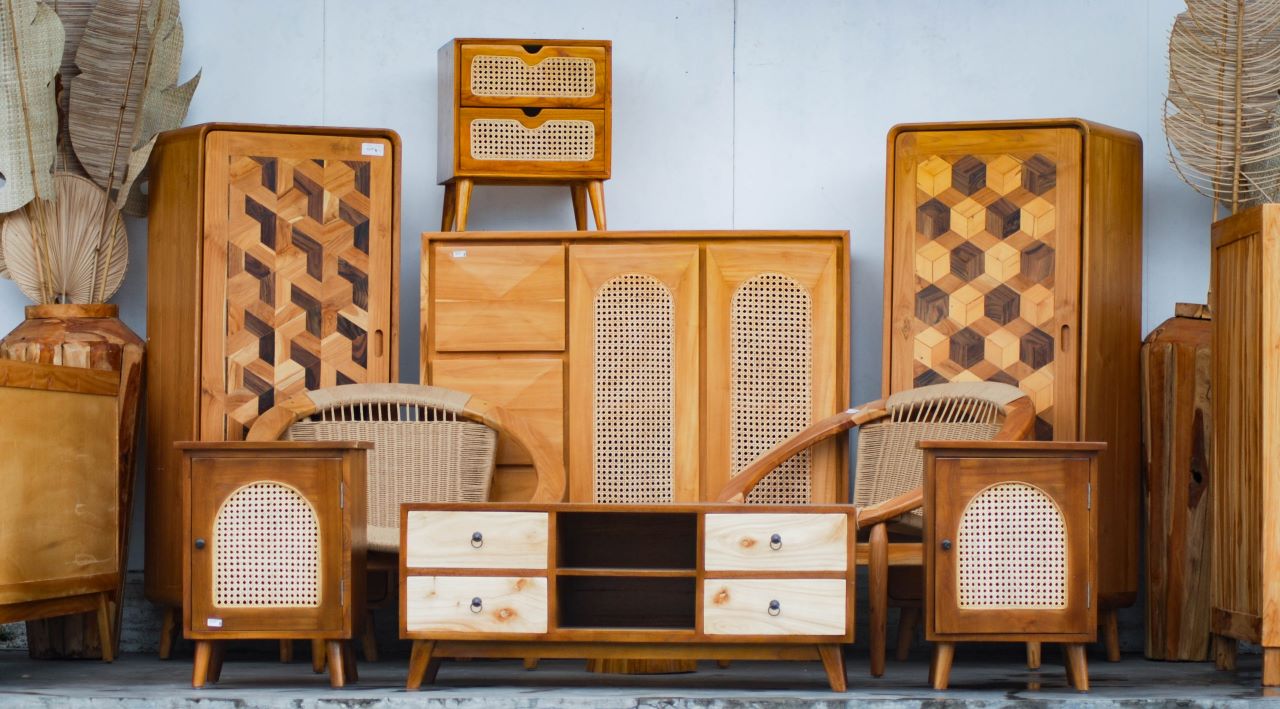
Family Heirlooms Overload: How to Handle Family Inheritance Without Regret
Handling family heirlooms after a loss requires managing legal authority, emotional pressure and practical logistics at the same time, and the order you take them on matters more than most people expect.