

Key Takeaways
- Have a structural engineer assess your framing, and store items only in areas approved to carry the weight
- Fix leaks and insulate first, then add flooring or a raised catwalk in approved areas to keep insulation at full depth
- Install good lighting, a rated ladder and a hatch that fits your bins
- Stick to holiday decorations and empty luggage, and keep photos, electronics and clothing out
- Choose rigid, lidded plastic bins over cardboard to protect belongings from pests and moisture
- Consider self storage if your attic can’t safely handle the load
The attic is one of those places where holiday decorations end up next to a forgotten suitcase, a broken lamp and boxes nobody’s opened since moving day. Out of sight, out of mind works well enough until you need something from the back or realize you’ve been adding weight to a floor you know little about.
Attic storage starts with understanding the space you’re dealing with. A finished attic with proper flooring gives you more freedom than an unfinished one with exposed joists and insulation between them. Check what the structure can safely hold, account for summer heat and winter cold and make sure you can reach your belongings without risking a fall through the ceiling below.
First, find out whether your attic is built to carry anything beyond its own weight.
Can your attic safely handle storage?
An unfinished attic isn’t automatically designed to hold furniture, heavy boxes or even a plywood floor. Find out how much weight the structure can support before moving anything upstairs. The answer depends on how your home was built, and the difference between ceiling joists and roof trusses matters a lot.
Check whether you have joists or trusses
Traditional roof framing often leaves an open area beneath the rafters, with ceiling joists running across the space below. Those joists support the ceiling, but that doesn’t mean they’re rated for the additional weight of stored belongings and people walking around.
Prefabricated roof trusses have a triangular arrangement of timber members engineered to distribute loads through a specific structural system. The horizontal bottom chords may look like convenient supports for flooring, yet many weren’t designed to carry a storage load.

Wait to lay plywood across truss chords or ceiling joists until a structural engineer confirms their load capacity. Ask a structural engineer to assess the framing and determine whether storage is possible, where it can go and how much weight the area can accommodate. Avoid relying on a universal pounds-per-square-foot figure, since attic construction varies from house to house.
Leave structural reinforcements to the professionals
Adding extra boards or thicker plywood might sound like an easy way to strengthen an attic floor, but attaching timber to an existing truss leaves its capacity unchanged. Drilling or notching structural members can also interfere with the forces they’re designed to withstand. A sheet of plywood has its own weight, and installing several sheets across an attic adds up before the first storage bin arrives.
Before installing flooring, check for electrical wiring and junction boxes, making sure everything remains safely protected and accessible. Keep wiring clear of decking, keep electrical connections accessible and check each fixture’s rating for insulation clearance. Have an electrician address anything you’re uncertain about rather than covering it over.
Think about where the weight will sit
Consider five storage bins weighing 30 pounds each. That’s 150 pounds of belongings, and stacking them in one corner concentrates the load in a relatively small area. Add a 180-pound adult climbing up to retrieve something, and you’re accounting for 330 pounds before including the weight of the flooring itself. Spreading the bins out changes how that weight is distributed, but it doesn’t establish whether the attic can safely support it. Only a structural assessment can tell you that.
Until a properly supported walkway is installed, that surface is a ceiling, not a floor, and one misplaced foot can send you straight through it.
Make your attic storage easier to access
Once you’ve confirmed where storage is structurally permitted, turn your attention to how you move around and retrieve things. A stable walking surface and a manageable route through the hatch make the space more useful.
Build a raised catwalk above the insulation
In an unfinished attic, insulation often fills the gaps between ceiling joists and extends above them. Laying plywood directly over it can compress the material, reducing its insulating performance. A raised catwalk provides a walking route while leaving the insulation beneath undisturbed.
Install elevated supports for the plywood to create a narrow walkway above the insulation. A two-foot-wide path provides room to move carefully without covering more of the attic than necessary.
Have a qualified professional determine how the supports should be attached and whether the framing can carry the walkway and its users. The platform must also leave the required insulation depth intact, with no interference around electrical fixtures or ventilation openings.
Position the route where you have sufficient head clearance and can move without ducking beneath roof members at every step. Keep the catwalk dedicated to access rather than lining it with boxes. That clear path becomes important when you’re carrying something back toward the hatch.
Consider a raised platform for approved storage areas
Where an engineer has assessed the structure for storage, a platform above the insulation can create a level surface for containers.
Build the platform on professionally designed raised framing above the ceiling joists, leaving enough clearance for the insulation beneath. The space can accommodate deep insulation without compressing it beneath the flooring.
Construction details need professional input. Raising a floor changes how loads reach the framing, and the supports must be designed for the intended weight. An insulation contractor can also help maintain the appropriate depth and prevent gaps that undermine the home’s thermal performance.
Limit the platform to the area approved for storage, preserving access to equipment and any required ventilation.
Improve the lighting before moving anything upstairs
A single bulb near the hatch leaves the far end of the attic dark when you search for a labeled box.
For a permanent solution, ask an electrician about suitable LED fixtures with protected wiring and switches positioned near the entrance. LED lighting produces less heat than traditional incandescent bulbs, which is useful in a space where insulation and timber are close together.
A battery-powered work light can be handy for occasional visits, provided it’s secured where it can’t fall or be buried beneath stored items.
For a safer setup, choose fixtures rated for attic conditions rather than leaving decorative light strings(opens in new tab) installed year-round.
Set up your attic hatch for safe access
Measure the hatch opening before buying large containers. Bins that fit through the hatch make a spacious attic usable.
Smaller, lidded boxes are easier to pass through an opening than oversized totes, and handles make a difference when you’re working in a confined area. Keep each load light enough to manage without losing your balance.
For frequent access, consider a properly installed pull-down attic ladder with a suitable load rating and secure handholds. Make sure there’s sufficient landing space below and that the ladder can open fully without hitting furniture.
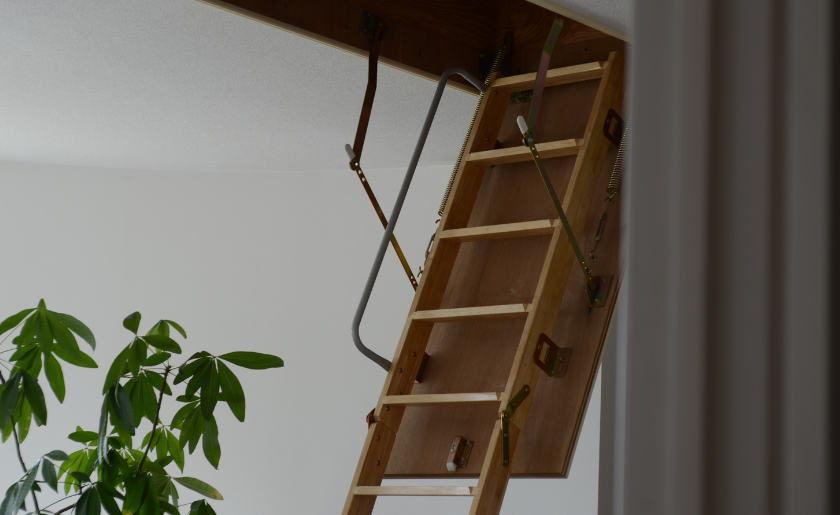
What about hoists and pulley systems?
A DIY pulley system can look like a clever way to haul bins upstairs. Options range from boat winches to electric hoists above attic openings, although the structure and lifting equipment need professional assessment before installation.
These setups can sound appealing when you’re faced with carrying awkward materials upstairs, but a homemade lifting system introduces serious risks. Rafters and trusses aren’t suitable anchoring points, suspended loads can swing or fall and modifying a ceiling opening may affect the structure.
If lifting equipment is necessary, use a professionally designed and installed system with rated components and a verified support structure. Keep people clear of suspended loads and never use an improvised rope arrangement while climbing a ladder.
Smaller containers and a sturdy attic ladder do the job in most homes, without turning a trip to retrieve the DIY Halloween decorations(opens in new tab) into an engineering project.
Attic storage ideas for awkward spaces
Sloping ceilings can leave you with plenty of floor area but few places to stand upright. Rather than trying to fit conventional furniture beneath the rafters, arrange your storage around the attic’s changing height.
These ideas work best in areas that have already been approved for storage, with suitable flooring and clear access to ventilation and electrical equipment.
1. Arrange low-profile bins beneath the eaves
The triangular spaces where the roof meets the floor are useful for shallow containers. Measure the height at several points along the slope, then choose bins that slide into the available clearance without scraping against the roof structure.
Rectangular containers make better use of the footprint than round baskets, while transparent sides let you identify their contents from the walkway.
Leave a gap between the bins and the roof decking, and keep soffit vents unobstructed. Pushing containers into every available inch can interfere with airflow.
2. Try modular shelving where the ceiling is higher
A freestanding shelving unit can help organize smaller containers in an attic with sufficient headroom. Adjustable shelves are useful because you can set the spacing to match your bins instead of wasting vertical clearance.
Choose a lightweight unit rated for the intended load and position it only on flooring approved to carry that weight. Secure it against tipping with an attachment method your engineer approves for the structure.
Place tall shelving where the ceiling is highest so you can reach the upper shelves.
3. Create storage zones based on how often you need things
Easter decorations(opens in new tab) might only come down once a year, but luggage and spare household supplies could see more use. Sort your belongings into categories and label the containers so you know exactly where to look when you need something.
A simple floor plan can help if your attic has several separate sections. Sketch the approved storage areas and mark where each category lives, such as camping equipment or old blankets. Keep a copy on your phone so you can check the layout without climbing upstairs.
Use labels facing the walkway rather than the wall. On deep shelves, label both the front and top of each container so the contents remain identifiable when viewed from different angles.
4. Use smaller containers to handle awkward corners
Roof braces can make bulky totes awkward to move, so opt for smaller boxes that fit around the framing and are manageable to carry up and down the ladder.
Group related belongings into individual containers rather than filling a large bin with unrelated household items.
Holiday lights, for example, can have their own box with the cables wound around organizers to prevent tangling.
Choose lids that fasten securely, and check that handles can withstand the weight inside. Test each handle before you climb so every trip down the ladder stays smooth.
5. Keep the center walkway clear
The most useful storage layout leaves you with an uninterrupted route from the hatch to every approved section. Make sure nothing blocks electrical junction boxes, HVAC equipment or other components that may need servicing. Access to ventilation openings and insulation should remain available as well.
A strip of high-contrast tape along the edge of a properly constructed walkway can help you distinguish it from surrounding insulation under attic lighting. Choose tape suited to the surface and leave warning labels and inspection points visible.
What can you safely store in an attic?
Attics can reach sweltering temperatures in summer and drop below freezing in winter, even when the rooms downstairs feel comfortable. Add humidity and the occasional unwelcome visitor with six legs, and you’ve got a demanding environment for your belongings.
Stick to items that tolerate temperature changes and resist moisture. An unfinished attic is a reasonable place for certain household extras, but think twice about anything valuable, delicate or difficult to replace.
Holiday decorations and seasonal ornaments
Artificial wreaths, plastic ornaments and sturdy holiday decorations(opens in new tab) are good candidates for attic storage. Pack them in rigid containers with fitted lids and wrap fragile pieces individually so they don’t knock against one another.

Heat can deform candles, damage adhesives and affect painted finishes, so those items belong somewhere with more stable temperatures. Remove batteries from electronic decorations before packing them and keep anything containing rechargeable batteries out of an attic exposed to extreme heat or cold.
Artificial Christmas trees can also go upstairs, provided the structure supports their weight. A fitted tree bag helps contain loose branches and dust, although delicate pre-lit models may be better kept indoors where the wiring won’t face extreme temperatures.
Empty luggage and occasional-use household items
Suitcases are handy attic residents because their hard shells tolerate ordinary handling and they take up considerable closet space downstairs. Clean the interiors, leave them free of food crumbs and close the zippers to discourage insects from settling inside.
Sturdy plastic household items may be suitable for attic storage, and the same goes if you want to store LEGO sets(opens in new tab). Check the materials first, since prolonged heat can make some plastics brittle or cause them to warp. Attic temperatures can exceed the safe storage limits printed on their packaging.
Sports gear and outdoor equipment
Some recreational equipment can spend the offseason upstairs but inspect its construction before making the trip. Metal items without sensitive components tolerate changing temperatures better than gear containing rubber seals, adhesives or rechargeable batteries.
Keep helmets out of extreme attic heat, which can affect their protective materials. Inflatable equipment may also suffer as temperatures fluctuate, and expensive skis or snowboards can develop problems with their bindings or laminated construction.
Remove dirt and moisture from suitable equipment, then use covers or containers that protect it from dust. Leave bulky items where they won’t obstruct the walking route.
What belongs somewhere other than the attic?
A few categories are better kept elsewhere, regardless of how much space is available beneath the roof.
- Photographs, important documents and books: Heat and humidity can cause fading, yellowing, warped pages and mold
- Clothing and textiles: Wool, leather and other fabrics can develop mildew, attract pests or deteriorate during prolonged exposure to harsh conditions
- Electronics and batteries: Temperature extremes can damage internal components, shorten battery life and create safety concerns
- Wooden furniture and musical instruments: Changes in humidity can cause wood to expand, contract or crack, affecting joints and finishes
- Paint, chemicals and flammable liquids: Many have strict temperature limits, so follow each label’s storage instructions and keep them away from living areas and ignition sources. Follow the label’s storage limits for pressurized camping fuel and aerosol cans
- Food and pet supplies: Packaging can attract rodents and insects, while heat can shorten shelf life or spoil the contents
Keep irreplaceable mementos like family photo albums, handwritten letters and childhood keepsakes inside the house, where they’re better protected from attic conditions. The easiest test is to imagine leaving an item in a parked car through an entire summer. If heat would ruin it there, the attic isn’t its ideal home either.
How to protect your belongings in attic storage
Even a well-organized attic can develop problems that go unnoticed for months. A small roof leak or a loose container lid can leave you with a mess by the time you head upstairs again. The best defense is to prepare the space and its contents with those risks in mind.
Choose containers that keep pests out
Cardboard boxes are convenient for moving day, but they’re a poor choice for long-term attic storage. Rodents can chew through cardboard, while damp conditions can leave the boxes soggy and their contents damaged.
Use rigid plastic bins with tightly fitting lids for belongings that can tolerate attic temperatures. Smooth-sided containers are easier to wipe down, and transparent ones allow you to inspect the contents without opening them.
Plastic isn’t rodent-proof, however. Mice can gnaw through many household containers, so sealing gaps around the attic is just as important as choosing better boxes.
Check for signs of pests before filling the space
Inspect the eaves and any gaps around the roof for evidence of pests, such as droppings or damaged insulation. A scratching sound overhead can also indicate animal activity, although only an inspection identifies the cause.
Seal accessible gaps using materials appropriate for the opening and the building’s construction, taking care not to block soffit vents or other necessary airflow paths. Call a pest-control professional for larger infestations. They locate entry points and remove animals safely.
Use mothballs only as the label directs. They’re pesticides that can release harmful fumes when misused.
Watch for roof leaks and condensation
Water damage doesn’t always announce itself with a puddle. Dark stains on roof sheathing, damp insulation or rust around metal fasteners can point to a leak or condensation problem.
Inspect the attic after heavy rain and during periods of cold weather, when condensation may become more noticeable. If you find wet insulation, identify and repair the source before replacing damaged material or bringing in additional belongings.
In an approved storage area, suitable shelving can lift bins above the walking surface and make it easier to notice water underneath.
A small humidity monitor can help you track conditions over time, although a high reading calls for investigating the cause rather than simply adding moisture absorbers.
Protect electrical access and ventilation
Electrical junction boxes need to remain accessible for inspection and repairs. If insulation has buried one, have a qualified electrician assess the situation and ensure it has an appropriate cover. Keep every electrical connection reachable from the walkway.
Fixtures that aren’t rated for insulation contact need the specified clearance around them. Repair damaged or exposed wiring before you use the attic for storage.
Leave some room around the attic vents instead of packing boxes right up against them, so air can move through the space as intended.
Make a habit of checking on stored items
Check on your attic storage every few months, paying attention to signs of leaks or unwanted pests before they cause serious damage.

Photographing the attic after you’ve arranged everything also gives you a reference for spotting changes later. If a stain appears on the roof sheathing or a container shifts out of place, you have a record of how the area looked.
Pro tip: Give the attic a look after a major storm, even if you don’t need anything from storage.
When does attic storage make financial sense?
Making an attic suitable for storage can cost more than the extra room is worth, depending on the work your house needs. Take a look at what needs to change before committing to the work.
Compare the cost of attic upgrades with the space you gain and get estimates from qualified contractors for any structural modifications your attic requires. Include the cost of safe access and insulation work in your calculations, since unsuitable framing needs more than a few sheets of plywood.
Then consider how much of the attic is usable once those improvements are complete. A steep roof might leave you with only a narrow strip of accessible flooring, despite the attic looking enormous from the hatch.
There’s also the question of how often you go upstairs. Spending thousands of dollars to store a few boxes of shoes makes little financial sense, whereas an attic conversion serving a broader household need may justify the investment.
Consider self storage for belongings that need better conditions
A self storage unit(opens in new tab) gives you an alternative when your attic can’t support the intended load or becomes excessively hot during summer. You can choose a unit with ground-floor access or drive-up entry, making it possible to move larger belongings without navigating a ceiling hatch.
Your favorite stored leather furniture pieces(opens in new tab) you’ve spent good money on might thrive somewhere other than the attic. Renting a climate-controlled storage unit(opens in new tab) gives you a place to keep them without worrying about the summer heat or freezing winter temperatures. Just check what conditions the facility maintains, as they can differ from one location to another.
A small unit can do the job. A 5’x5′ storage unit(opens in new tab) gives you 25 square feet of floor space, enough for several boxes and smaller household belongings. If you’re dealing with bulkier furniture, look into a larger size and make sure there’s enough room to get everything through the door without a struggle.
Before signing a rental agreement, do a little math. Compare the monthly price of a storage unit with what you’d spend getting your attic ready. Renting might make more sense when you only need extra room for a few months, but those monthly payments add up over time.
Structural limitations aren’t the only reason to reconsider using the space. An attic with recurring roof leaks or unresolved pest activity needs repairs before it becomes a storage area.
A steep ladder and narrow attic opening can make carrying bulky belongings up and down risky, regardless of how much shelving you install.
FAQ
Should I insulate the attic before I put down flooring?
Generally, yes. It’s easier to seal air leaks and bring insulation to the right depth while the attic floor is still open. Once a platform is built over the top, upgrading what’s underneath is far harder. A raised platform lets you keep deep insulation beneath your storage area instead of squashing it, but ask an insulation contractor what depth suits your climate and roof design.
Do I need a permit to floor my attic or add a ladder?
It varies by location. Some areas require permits for structural changes, new electrical work or altering the ceiling opening for a new hatch or stairs, while others don’t for simple projects. Call your local building department before you start, and ask whether your project needs a permit or inspection. Checking first protects you later, especially when you sell.
Is the attic hatch a source of heat loss?
Yes, it’s a common weak point. An uninsulated, loose-fitting hatch lets conditioned air escape into the attic, so insulating the hatch cover and adding weatherstripping around the opening can make a noticeable difference. If you’re installing a pull-down ladder, look for an insulated, airtight model and make sure it doesn’t compromise the surrounding insulation.
Will storing things in the attic affect my energy bills?
It can, through what you do to the space rather than the boxes themselves. Compressing insulation under plywood, blocking ventilation or leaving the hatch leaky can all reduce your home’s efficiency. Boxes on a raised platform have little effect when insulation and airflow stay intact.
How often should I go up and check on things?
Every few months is a sensible habit, plus after any major storm. Look for stains on the roof sheathing, damp insulation, droppings, shifted containers and anything that looks different from your reference photos. Catching a small leak early is cheaper than finding a ruined box of decorations a year later.
How do I finish an attic for storage?
Work in this order:
- Repair leaks and deal with any pests
- Have the framing assessed to see where storage is allowed
- Air seal and insulate to the right depth for your climate
- Add a raised platform or catwalk only in approved areas
- Check the wiring, keep junction boxes accessible and add proper lighting
- Install a rated ladder or stairs with a hatch big enough for your containers
- Keep vents unobstructed
A little room at the top
Your attic might have plenty of untapped potential, but there’s no rush to fill every available corner. Start with what the structure can handle, make sure you can get around safely and be selective about what goes upstairs. Even a small, well-organized section can make a difference when your closets are getting crowded.
Leaving some room up there is a smart move. Your storage ambitions can stay grounded.


Second Acts With Roll-Up Doors: The Most Unexpected Self Storage Conversions In The U.S.
You probably don’t expect to stash your holiday decorations in a former armory. Or tuck away old photo albums where moviegoers once lined up for popcorn. But across the country, some of the most unexpected buildings are getting a second act — as self storage facilities.

Storage Unit Insurance: Your Coverage Options Compared
Your homeowners or renters policy may already cover your stored belongings, but likely not for their full value or against every risk. This guide explains where coverage comes from, what each option leaves out and how to decide whether you need more from your storage unit insurance.

I’m Gen Z: What’s in My Storage Unit?
Trading Facebook posts for TikTok dances and Beanie Babies for Labubus, Gen Z has given growing up online a whole new meaning. Defined by everything concerning reusing, recycling and cycling through trends that previous generations would rather forget (looking at you, Millennials and capri jeans), it’s no wonder this is also a generation that can spot an authentic vintage find from a fast-fashion knockoff in under three seconds. And when your wardrobe can go from Depop find to next season’s comeback without warning, a little extra space starts making sense.

I’m a Millennial: What’s in My Storage Unit?
So, you’re a Millennial. You probably know all the lyrics to Phoebe Buffay’s Smelly Cat. Hannah Montana’s The Best of Both Worlds has become more like a life philosophy rather than a fun tune. And if you rent a self storage unit, you’re in good company. You’ve officially joined the 31% of Millennials who rent storage space, most often because there simply isn’t enough room at home, according to StorageCafe’s 2026 Self Storage Demand and Trends survey(opens in new tab).

Attic Storage Done Right: What’s Worth Keeping Up Top?
The attic is one of those places where holiday decorations end up next to a forgotten suitcase, a broken lamp and boxes nobody’s opened since moving day. Out of sight, out of mind works well enough until you need something from the back or realize you’ve been adding weight to a floor you know little about.

What to Know Before Starting a Self Storage Business in 2027
If you’re wondering how to start a self storage business, two questions come first: Does your area need more storage, and what would it take to run the business? Before you commit to a property, it helps to understand local demand, the costs involved and the day-to-day work of serving renters.
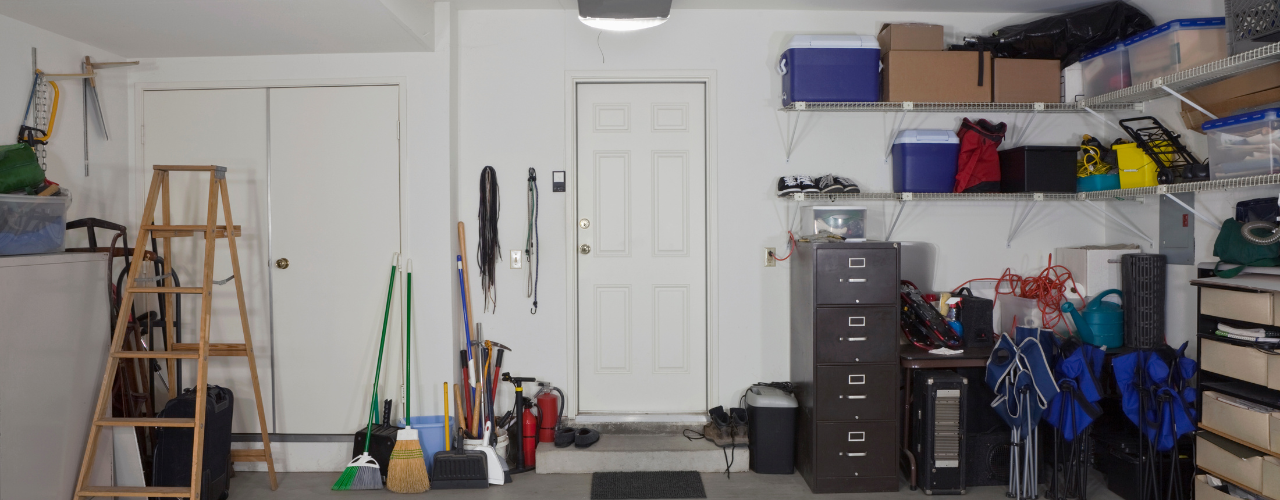
How to Organize Your Garage: A Step-by-Step Guide
A messy garage is often the product of plain, human indecision. And no, buying more bins isn’t the end-all decision to fix a cluttered garage. Luckily, the steps you need to take are not that complicated. Decide what your garage is for, empty it, sort and measure and buy storage last. Here’s how to make informed decisions along the way, so your garage stays organized for the long term.
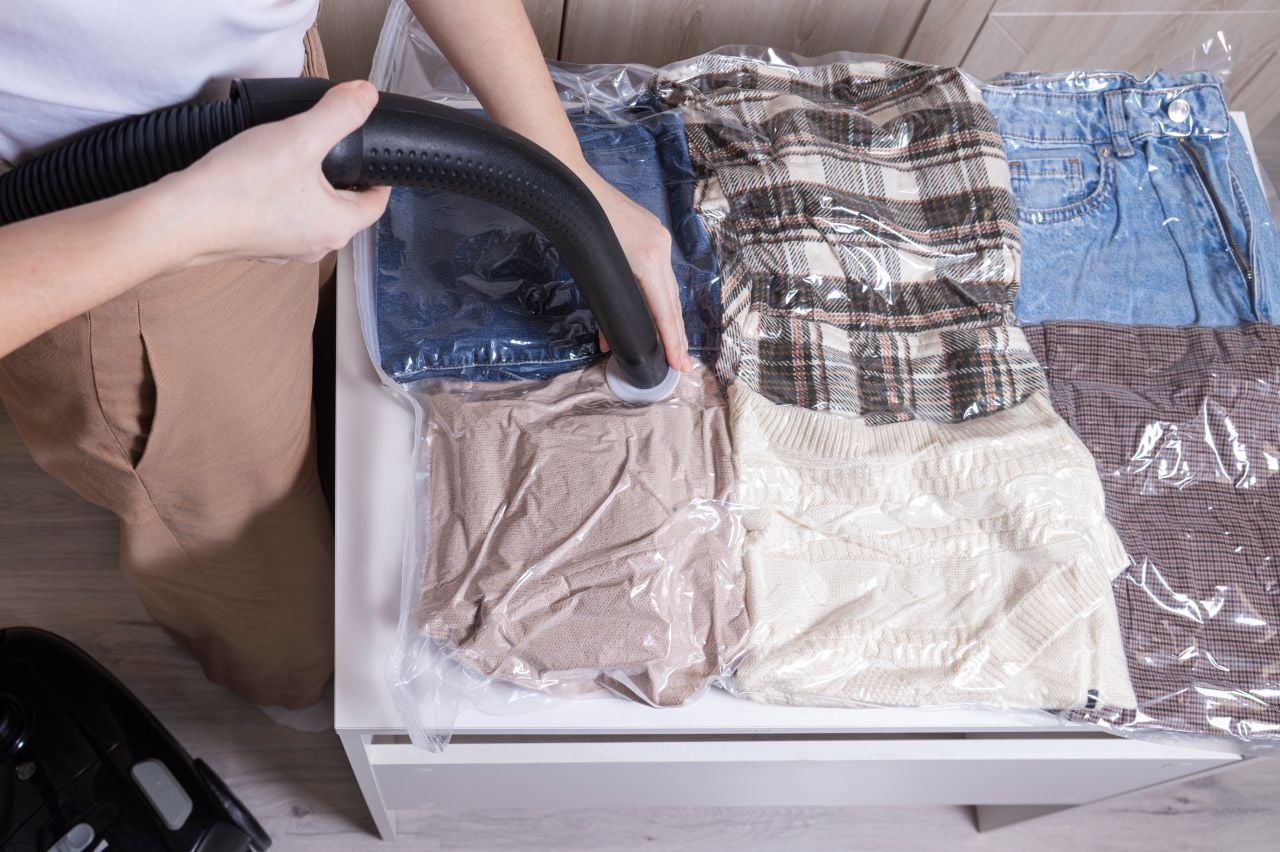
Should You Vacuum Seal Clothes? Everything You Actually Need to Know
Vacuum storage bags seem like the perfect solution when storage space is an issue: suck out the air, shrink that pile of winter sweaters into a fraction of the space and suddenly your closet is no longer overflowing. For the right types of clothes or other household linens, vacuum bags are actually quite handy and a great way to save closet space.

ATV Storage Guide: How To Store and Winterize Your ATV
The riding season is winding down, and that’s when most people start thinking about ATV storage. Keeping an ATV at home isn’t always easy. Garages fill up fast, sheds are rarely built for a four-wheeler and some apartment complexes and homeowners associations don’t allow one in the parking lot or driveway.