


Key Takeaways
- St. Louis, MO, ranks as the top digital nomad city in the U.S., thanks to its winning combination of lifestyle perks, digital readiness and affordability.
- When it comes to digital readiness, Austin, TX, takes the lead — boasting plentiful coworking spaces, a thriving remote work scene, and top-tier internet speeds.
- Budget-conscious nomads will find the best value in Midwest cities such as Springfield, MO, and Lansing, MI, where it’s easy to meet live-work-play goals while staying under $3,000 per month.
- Among the top 50 cities for digital nomads, you’ll find the cheapest DIY breakfasts in Allen, TX; the best savings on whole milk with corn flakes in Springfield, MO; and the most affordable coffee in Buffalo, NY.
- Wyoming and Washington emerge as top departure zones for digital nomads, based on a composite index, including outmigration of Gen Zers and Millennials, as well as online search interest in digital nomadism and self storage.
Digital nomads now count over 18.1 million workers in the U.S. — and the lifestyle keeps growing fans.
Born from the ashes of the 2008 financial crash and supercharged by the COVID-19 lockdowns, remote work sparked a wave of mobile professionals who have since reshaped the economy — and the world around them. In fact, digital nomads helped normalize and mainstream remote work long before the pandemic, directly fueling the explosive growth of co-working spaces in both cities and more remote areas. Their need for flexible work hubs accelerated the rise of WeWork-style models and inspired new formats like work cafés and co-working/co-living communities. The trend also gave a boost to the self storage industry, as nomads ditched long-term leases and turned to storage units to safeguard their belongings while exploring the world.
Moreover, digital nomads have triggered notable demographic shifts — from population growth in smaller, affordable cities with a high quality of life (think Richmond, VA, and McAllen, TX) to the revitalization of niche communities. Places like Tampa, FL, and Portland, ME — traditionally known as retirement havens — have seen a significant uptick in remote workers in recent years, driving a demographic shift that is helping reshape their economic and cultural landscapes. Once overlooked by young professionals, these locations are now on the radar for their strong broadband, access to nature and lower cost of living.
Digital nomadism in 2025: How are cities stepping up?
Despite return-to-office mandates and economic uncertainty, digital nomadism isn’t slowing — it’s accelerating. Online searches for “digital nomad” rose 54% from 2023 to 2024, and in January 2025, they more than doubled year-over-year. A significant spike in November 2024 reflects increased interest among young professionals seeking broader horizons amid global social and political shifts.
According to MBO Partners, 11% of U.S. workers now identify as digital nomads — a 147% increase since 2019. Far from disappearing, nomadism is simply evolving, with today’s mobile professionals taking on many forms. Aside from traditional nomads who spend between one and three months in a location, there are the slowmads, who take their time, immersing themselves in local culture before moving on. More recently, tethered nomads are gaining ground. They maintain a home base while exploring nearby regions — blending flexibility with stability.
These new nomads seek more than just adventure. They want to live well without overspending, stay productive without sacrificing wellness and settle in cities that offer the right mix of lifestyle, digital infrastructure, affordability and safety. And in light of global unrest, many are choosing to stay closer to home.
“Interestingly, more nomads are choosing to stay within the U.S. instead of traveling abroad,” says Dave Cassar, Chief Revenue Officer at MBO Partners.“In 2024, 51% of digital nomads planned to travel exclusively within the U.S., up from 42% in 2022. Many are working from national parks, revitalized small towns or cities with strong remote work infrastructure, like Austin, Denver and Asheville. This move toward domestic travel often reflects a desire to stay closer to family, clients or within familiar time zones.”
Where digital nomads can have their cake and eat it too
At StorageCafe, we’ve been closely tracking population mobility as it directly influences the self storage market. So, we asked: Where can digital nomads find the perfect mix of flexibility, affordability and convenience?
To identify the most well-rounded cities for remote workers, we created a Live-Work-Play Index that considers:
- Lifestyle
- Digital readiness and work infrastructure
- Safety and health
- Affordability
We then ranked 169 major U.S. cities based on these indicators to see how well they cater to digital nomads. The result? A shortlist of ideal destinations for anyone ready to embrace the lifestyle – pack their bags, place what matters in storage, and live with one foot in the sand (or snow) and the other in a Zoom meeting.
The top contenders? St. Louis, MO, followed by Pittsburgh, PA, and Austin, TX, emerge as the cities best suited for those who want to work and play away from home. St. Louis stands out for its lifestyle perks, while Austin ranks as the most digitally ready city nationwide – with plenty of coworking spaces, free Wi-Fi hotspots, and blazing-fast internet. For budget-conscious nomads aiming to cap monthly expenses at $3,000, Midwest cities dominate, led by Springfield, MO.
With a growing fan base and an expanding range of jobs that can be accessed from anywhere, the idea of “enjoying the ride” takes on a whole new meaning. If you’re sold on the lifestyle, read on to discover the most digital-nomad-friendly cities – places that combine strong community, reliable connectivity, great recreational options and a comfortable lifestyle that won’t break the bank.
Top 10 digital nomad cities in the U.S.
Here are the ten best cities to have on your radar when scouting your next destination as a digital nomad. After all, geo-arbitrage works best when you know the numbers.
1. St. Louis, MO
Shines in parks, retail, and outdoor leisure — the underrated gem of digital nomading
Modern, walkable and affordable, St. Louis tops the list as the #1 city for digital nomads — offering an ideal blend of digital readiness and lifestyle perks. With some of the fastest internet speeds in the country and a solid network of coworking spaces, your workflow won’t miss a beat.
Nicknamed “The Gateway to the West,” the city also opens the door to rich leisure opportunities — from vibrant retail corridors to scenic parks along the Mississippi River. It ranks #4 in overall lifestyle offerings, boasting the fifth highest number of parks per 10,000 residents, plus a lively arts, music and entertainment scene that appeals to those seeking culture and community alongside career.
Housing is a major win here. You can live affordably even in historic neighborhoods near the city center – something that’s becoming rare in larger metros like Chicago. That affordability extends to daily living costs, making it easier for nomads to enjoy urban life without stretching their budgets.
Its central U.S. location is another edge, offering seamless access to major highways and airports. Whether you’re road-tripping or catching a quick flight, St. Louis makes a convenient launchpad for digital nomads on the go.
2. Pittsburgh, PA
Shines in retail, leisure, and outdoor access
Pittsburgh strikes a compelling balance between digital connectivity and lifestyle appeal. Known as The City of Bridges, it ranks in the top ten for both leisure (#9) and retail offerings (#10). From shopping and dining at The Waterfront to grabbing bites in the buzzing Strip District, this city knows how to keep things vibrant.
Need a screen break? Hop on the Duquesne Incline for sweeping skyline views, kayak the Monongahela, or hike the Montour Trail for a deeper dive into nature. If staying closer to your laptop is the plan, you’re still in luck — Pittsburgh is full of outdoor cafés and green spaces, perfect for setting up shop in the sunshine.
It’s like Philadelphia’s cooler, more affordable cousin — serving up all the culture, food and character without the sticker shock.
3. Austin, TX
Shines in remote worker community, free Wi-Fi spots, coworking spaces, internet speed
Austin has Digital Nomad infrastructure down pat, and the data proves it: 28% of working Austinites are remote, while the city is top 15 in internet speed and coworking spaces.
“After managing remote teams across the U.S., I’ve found Austin to be the sweet spot for digital nomads, with fantastic co-working spaces like WeWork on Congress Avenue and a thriving tech community,” says Daniel Trotter, Co-Founder, PPC Geeks.
Don’t worry about turning on your mobile data, either — Austin ranks fourth nationwide with 156 free Wi-Fi spots. So, not only can you work unimpeded by slow internet, but you can also build a community of like-minded individuals — one of the most understated aspects of the digital nomad lifestyle.

4. St. Paul, MN
Shines in outdoor leisure spots, retail, parks
For digital nomads who value their time away from the computer, few places hold the candle to St. Paul — the city ranks #3 in outdoor establishments per square mile, with plenty of parks as well. The city is also great in terms of shopping options — even without the Mall of America nearby, St. Paul ranks #9 in retail options per square mile. And if you want to make some friends, this city is pretty much the embodiment of “Minnesota Nice.” And unlike its twin, Minneapolis, St. Paul is far less likely to break the bank.
Here’s how your day can look once you’ve clocked in a day of work in St. Paul: You can dine at one of the many restaurants along Selby Avenue, walk or bike along the Summit, then sit down for a hot chocolate at Nina’s. And if you’re nomading for the summer, you can fill your pantry with groceries from The Saint Paul farmer’s market.
5. Tampa, FL
Shines in coworking, remote worker community, free Wi-Fi spots
If you’re into the Miami lifestyle, but not into Miami’s prohibitively high cost of living, this is the place for you. Here’s a secret: Tampa is also much more suited for digital nomads; it’s a top ten city in terms of digital readiness. That’s especially true for nomads who want to meet like-minded people — 23% of Tampa’s workforce is remote. But the city also has the right work infrastructure for the nomads, with over 50 coworking spaces to choose from.
Now picture it all near the warm waters of Tampa Bay, the cultural melting pot of Ybor City, the shops along International Plaza and Bay Street. Don’t worry, you won’t have a hard time finding a free Wi-Fi spot close to these locations, if you really want to check your emails. And if safety is on your list of priorities, know that Tampa has the lowest crime rate among the top ten digital nomad cities.

6. Orlando, FL
Shines in leisure spots, parks, retail
Right at the heart of The Sunshine State, Orlando delivers on leisure from all points of view — which lands it at #3 in terms of lifestyle. From Disney World to SeaWorld, this is a city that really contains multitudes. Also known as the “City Bountiful,” Orlando ranks seventh in outdoor establishments per square mile and tenth in park space. Add in the dozens of coworking establishments, tons of free Wi-Fi spots and the modern digital nomad is bound to thrive in Orlando.
But the benefits don’t end there — this is a great place for creatives and families, too. “Living in Orlando has been a great choice for me as a digital nomad,” says Natalia Lavrenenko, UGC manager at Rathly Marketing. “It’s warm year-round, the cost of living is lower than other big cities, and there’s no state income tax. I can film content outdoors almost any day, and there are tons of free spots for lifestyle shoots. It’s family-friendly too, which helps a lot since I have two kids. Everything is close — schools, parks, and coffee shops with fast Wi-Fi.”
7. Alexandria, VA
Shines in retail, leisure and park access
Alexandria comes in strong with a #2 ranking in overall lifestyle, offering a well-rounded mix of leisure spots, outdoor escapes and retail charm. You can stroll the cobblestone streets of Old Town, browse boutiques and cafés along the waterfront or get a dose of nature at Huntley Meadows Park — all without leaving city limits.
Looking to plug in and connect? You’ll be in good company. With 23% of Virginia’s workforce now remote, digital nomads are likely to find a welcoming community of fellow work-from-anywhere pros in this historic-meets-modern hub.
8. Buffalo, NY
Shines in parks, retail, leisure spots
Here is a city for the digital nomads who want to touch grass. From the massive Delaware Park to the cozier Cazenovia, Buffalo has enough green space to land it at second place in terms of park space. It also has plenty of retail options, be it Walden Galleria or the Market Arcade. Plus, you can explore Elmwood Village and Allentown, admire the Art Deco masterpiece that is City Hall, or hang around unique bars such as Founding Fathers and Duende. Beyond all that, what really makes Buffalo stand out is how livable it feels. The cost of living is low enough that owning a home here is actually doable — a rare find for remote workers used to bigger cities. You’ll also find a real sense of community, one that makes it easy to feel grounded and welcomed.
9. Madison, WI
Shines in remote worker community
Madison has got to be one of the best spots to put down your laptop. It’s built on an isthmus — yes, a thin strip of land between two sparkling lakes, so you’re never more than a few minutes from water at spots like James Madison Park, trails such as the Lake Monona Loop, or a killer sunset from Picnic Point. Add in a vibrant arts and music scene at venues like High Noon Saloon, plus summer festivals like the Art Fair on the Square, and you’ve got a place that feels both exciting and easy to settle into. You get all the work-from-anywhere perks, with a slower pace and a more affordable cost of living than nearby Chicago — just a couple hours away if you ever miss the big city buzz.
10. Columbus, OH
Shines in coworking, community vibe, affordability
Columbus rounds out our list of cities that should be on the radar of any digital nomad. “After exploring several cities as a digital nomad, I found Columbus to be an unexpected gem with its vibrant arts scene and incredibly affordable housing market,” says Bennett Heyn. “When I relocated here, I used a local storage facility for $89/month while apartment hunting and joined some Facebook digital nomad groups to get insider tips on the best coffee shops and coworking spaces.”
Bennett is right: few cities blend coworking and leisure quite like Columbus. Picture this: Steps away from a WeWork office in Columbus, you’ll find the verdant Goodale Park, loads of restaurants along North High Street and the buzz of North Market Downtown.
Where $3,000 a month goes a long way
Midwest dominates in affordability as Springfield, MO, tops the list of budget-friendly digital nomad cities
For digital nomads chasing flexibility and freedom, affordability is more than just a perk — it’s a strategy. When your home base changes every few months, the costs of rent, groceries, transit and healthcare can pile up fast. And while self-discipline helps, location matters more. A lot more.
Here’s the good news: You don’t have to sacrifice quality of life to stay under budget. There are cities where you can live well, work efficiently, soak up the outdoors, and still work toward financial freedom — all for under $3,000 a month. And the Midwest is leading the charge, claiming nine of the top ten most affordable spots for digital nomads looking to stretch their dollars without compromising on lifestyle.
Topping the list is Springfield, MO, where average total monthly expenses come in at just $2,299. Springfield ranks among the most affordable digital nomad destinations when it comes to groceries, transportation, utilities – and especially housing. You can rent a one-bedroom apartment for just $925/month, the second-lowest rate in our entire ranking, narrowly topped only by McAllen, TX, at $876.
Digital nomad cities with the cheapest breakfasts
Allen, TX, has the best egg prices, while Buffalo, NY, wins for thrifty coffee lovers
Here’s an important rule for digital nomads who want to perform at full capacity: don’t skip breakfast. Yet with rocketing grocery prices, this will require a bit of thrifty planning. Luckily, there are certain digital nomad havens where breakfast won’t cost you an arm and a leg.
If you love your French toast, Allen, TX, is the place to be: here, you’ll find the cheapest eggs, bread and whole milk in the country — and at quite a difference from the cities ranked second for each food group. For milk with corn flakes, you’ll find the cheapest combo in Springfield, MO. Coffee lovers can also get their caffeine kick at the best prices in Buffalo, NY — a town known for its coffee shops.
Self storage steps in as the digital nomad’s safety net
For many digital nomads, self storage isn’t a luxury — it’s a lifeline. Whether you’re leaving a permanent residence behind or settling into a temporary one, having a reliable place to store your belongings adds flexibility, convenience and peace of mind.
“The digital nomad trend continues to rely on the storage industry,” notes Store Space. “Usage comes from two main groups: those leaving a permanent home who don’t want to leave belongings unattended, and those moving into a temporary setup who want their essentials close at hand.”
It’s easy to see the appeal. Today’s modern storage facilities are designed for mobile lifestyles, with features like short-term leases, secure online payments, contactless access and extended hours. For digital nomads who prize freedom but still crave order, storage units help simplify logistics and reduce clutter on the road.
We’ve seen many nomads use storage to keep personal belongings secure while they live abroad or move between locations, generally gravitating towards smaller climate-controlled units,” says Bargain Storage. Month-to-month leasing, ease of after office hours access, and mobile account management are key features this group tends to prioritize.”
Self storage is also great for nature-loving nomads with recreational vehicles. “There has been a rise in vehicle storage needs — from motorcycles to camper vans, RVs and trailers — as nomads pivot between road trips and international adventures, notes Carefree Covered RV Storage. “They prioritize features like expanded gate access hours and mobile account management, in addition to security options to protect their vehicle while being stored.”
Leaving your stuff behind as you embrace digital nomading? Here’s what it’ll cost to store it.
While self storage is generally affordable, prices can vary widely — not all markets are created equal. To find out which states offer the best self storage deals for digital nomads, we analyzed rates across all 50 states using our Nomad Launch Score — a composite index that considers Gen Z and Millennial outmigration (the core digital nomad demographic), along with online search interest in both digital nomadism and self storage.
In a fortunate twist for nomads, the results are encouraging: most of the top 10 departure zones offer self storage rates below the national average, making it easier to launch your journey without overspending on where your belongings stay behind.
Take Wyoming and Montana, for example. Both rank among the top departure zones for young professionals, with over 60% of Gen Z and Millennials migrating out of state. They also show a relatively high interest in both self storage and digital nomadism. The same can be said for Nebraska, South Dakota and Idaho. All these states boast some of the lowest self storage prices in the country, with average rents no higher than $107 — well below the national average of $136.
If you’re setting off from these regions, stashing your stuff in states like Wyoming, Montana or Nebraska can free you up without draining your budget. And for nomads bouncing between bases, these affordable storage hubs offer the perfect in-between solution.
On the other end of the spectrum, average rates are steep in Oregon, Washington and Alaska. The self storage market in these states generally mirrors broader real estate trends, with rates in all three exceeding $145 — well above the national average.
Conclusion
To paraphrase Mark Twain, an author who loved to travel, the death of the digital nomad has been wildly exaggerated. Today’s digital nomads are alive and kicking, but they are evolving. Less suitcase, more storage unit. Less country-hopping, more intentional rooting. The rise of the tethered nomad marks a shift in values — mobility with meaning, adventure with a safety net, exploration without financial chaos. Cities like St. Louis, Austin, and Pittsburgh are proving grounds for a new way of life that blends freedom with stability.
Explore the full ranking of 200 cities based on what matters most to digital nomads: cost of living, connectivity, flexibility, and more.
Frequently asked questions — answered by nomads who walked the walk
To get some advice on how to ace the geoarbitrage game, we’ve turned to digital nomads themselves. Here are their insights.
1. How did you manage your belongings during your transition to a digital nomad lifestyle?
Natalia Lavrenenko, UGC manager manager at Rathly Marketing: “If you’re thinking about going remote, don’t overcomplicate the move. I packed only the gear I need for work and used a small self storage unit for the rest. That made it easier to focus on building a routine here. No need to haul everything across states. Just settle in, set up your workspace fast, and get back to creating.”
2. What are your top tips for finding housing or settling into a new city as a digital nomad?
Cyrs Partow, CEO at ShipTheDeal: “My top advice is to join local digital nomad Facebook groups before moving – that’s how I found my first co-working space and made connections that led to amazing opportunities.”
2. What advice would you give for staying productive and connected while working remotely?
Sean Grabow, Owner, Central City Solutions: “Having helped many remote workers find housing in Columbus, OH, I always suggest they prioritize reliable internet and proximity to coworking spaces, as I’ve seen too many struggle with poor connectivity in cheaper outlying areas. I personally used a combination of short-term Airbnb stays and a small storage unit when I first moved, which gave me flexibility while I got to know different neighborhoods.”
3. How can digital nomads find the right city for them?
Daniel Trotter, Co-Founder of PPC Geeks: “When I first started, I wish someone had told me to test-drive cities for at least a month before committing – I now spend two weeks exploring neighborhoods and testing internet speeds before making any moves.”
Expert comments
To better understand digital nomadism and where it’s headed, we spoke with leading experts in the field. Explore their insights below.
Dave Cassar, Chief Revenue Officer of MBO Partners

Dave Cassar, Chief Revenue Officer of MBO Partners
How has the digital nomad trend evolved recently, particularly in terms of demographics, work styles, and geographic preferences?
Millennials (38%) and Gen Z (26%) continue to make up the largest share of American digital nomads, according to MBO’s Digital Nomads report. But the group is becoming more varied. More families, mid-career professionals, and even retirees are embracing this way of working — marking a clear shift from the early days, when most nomads were younger solo travelers. In fact, in 2024, 14% of U.S. digital nomads were age 55 or older.
Work styles are evolving as well. While many digital nomads are still traditional employees, more are identifying as independent professionals — freelancers, entrepreneurs and small business owners. Our research found a 20% increase in independent digital nomads in 2024, pointing to a growing preference for work that offers more flexibility, variety and control over their career path.
What are your projections for how digital nomadism will continue to evolve in the coming years?
The digital nomad lifestyle is poised for continued growth as remote work becomes a long-term reality for many organizations. And as more people hit the road, the supporting infrastructure is also evolving — from flexible housing options to coworking spaces designed specifically for nomads and hybrid workers.
More state and local governments are likely to compete for remote professionals by offering attractive incentives like cash grants, tax breaks and lifestyle perks. Some cities already provide relocation bonuses, while others focus on expanding coworking spaces and improving community amenities. Expect more places to follow, turning smaller cities and areas outside popular urban and tourist spots into welcoming destinations for mobile workers.
Looking ahead, “tethered nomads” are becoming more common — people who travel but keep a home base or stay closely connected to their employer. They usually stay longer in each place, which helps create more lasting economic benefits and stronger community ties. Our report shows the average stay per location reached nearly six weeks in 2024, and that number is expected to keep growing.
What is the current estimated number of American digital nomads, and how has this figure changed in the last few years?
As of 2024, an estimated 18.1 million Americans—about 11% of the U.S. workforce—identify as digital nomads. That’s up from 7.2 million in 2019, which highlights just how quickly this lifestyle has grown in a few short years.
This growth is driven by people looking for new ways to work. For many, digital nomadism means setting their own hours and working from anywhere. It opens space for meaningful work while letting them explore new opportunities, develop their skills and build their careers on their own terms.
According to our State of Independence report, independent professionals report high satisfaction — 84% say they’re happier with their current work situation. These workers come from a wide range of industries, led by IT but also include creative services, education and sales. What started as a short-term trend is now becoming a lasting way to live and work.
Irene Lidia Wang, Co-Founder of Freaking Nomads

Irene Lidia Wang Co-Founder of Freaking Nomads
How has the digital nomad trend evolved in the last year?
In the past year, digital nomadism has continued its shift from fringe trend to mainstream lifestyle. While some traditional employees have scaled back their nomadic travel due to return-to-office mandates, we’ve seen a sharp rise in independent and freelance nomads who’ve chosen autonomy to keep traveling. There’s also a growing trend toward “slowmadism,” where nomads stay longer in one place to avoid burnout and build community. More people are choosing to travel within the U.S. rather than internationally, and the demographic is expanding — it’s no longer just for solo twenty-somethings, but also mid-career professionals and even families.
How do you think digital nomadism will continue to evolve in the U.S.?
We expect the trend to continue growing, but in a more sustainable and localized way. More U.S. cities are launching incentive programs to attract remote workers, and nomads are increasingly rotating between a few favorite home bases instead of constantly moving. As the lifestyle matures, I believe we’ll see nomads integrate more into local communities rather than just passing through. We’ll also likely see the rise of “part-time nomads” — professionals who split their time between remote travel and a fixed base, especially as hybrid work becomes more common.
What is an important yet often overlooked aspect digital nomads should consider when choosing their next location?
One often-overlooked factor is community. Many people focus on cost of living or internet speed but neglect how isolating the lifestyle can be without a local support network. Choosing a destination with an active nomad or remote work community, or easy access to co-working and social spaces, can make a huge difference in well-being.
Methodology
This analysis was conducted by StorageCafe, an online platform offering nationwide listings for storage units.
To assess the suitability of U.S. cities for remote workers, we constructed a weighted index composed of four major categories: Digital Readiness & Work Infrastructure (30%), Lifestyle (30%), Safety & Health (15%), and Affordability (25%). Each category includes a mix of direct and indirect indicators sourced from reputable public databases, surveys, and commercial data providers. Points were allocated to each indicator based on its relative importance, and scores were standardized to allow for comparison across cities.
Digital Readiness & Work Infrastructure evaluates technical and spatial resources for remote work, including internet speed, coworking infrastructure and the share of remote workers.
Lifestyle captures quality-of-life features such as walkability, access to leisure and outdoor spaces and proximity to airports.
Safety & Health accounts for personal safety, environmental quality and healthcare affordability.
Affordability examines the cost of living, focusing on housing, food and transportation.
Data on self storage comes from Yardi Matrix, StorageCafe’s sister division and a business development and asset management tool for brokers, sponsors, banks and equity sources underwriting investments in the multifamily, office, industrial and self storage sectors.
Fair use and distribution
This study serves as a resource for the general public on issues of common interest and should not be regarded as investment advice. The data is true to the best of our knowledge but may change if amendments to it are made. We agree to the distribution of this content, but we do require a mention in return for attribution purposes.

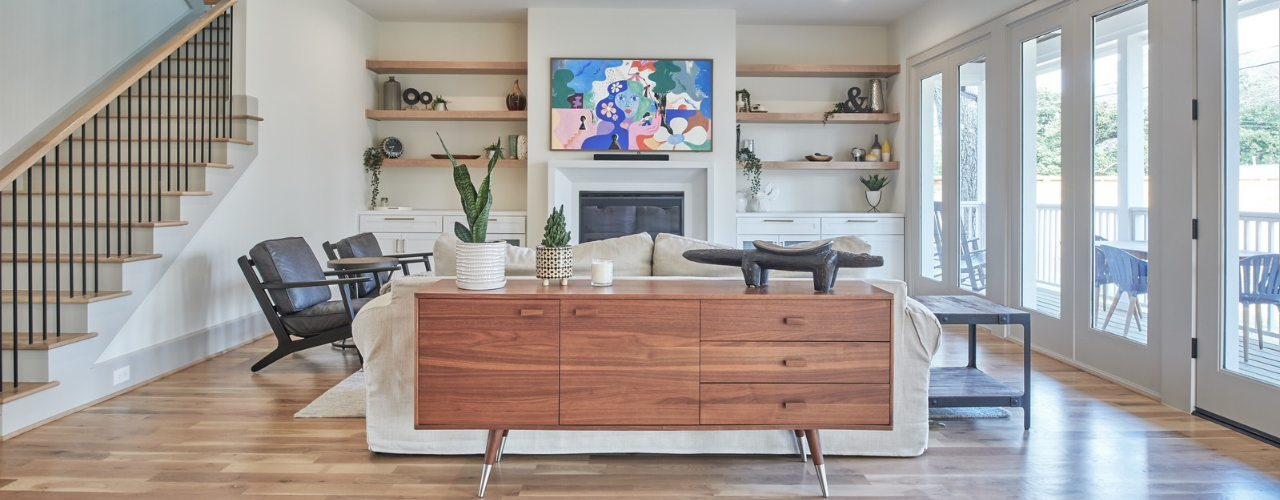
Living Room Storage Ideas: 28 Ways to Reclaim Your Hosting Space
If a living room is where most of a household’s living happens, good storage should be the top priority for setting up or revamping the place. After all, think of how easier it would be to have people over when tidying up the place is just a matter of putting things in their right place (in a time when fewer and fewer people are entertaining friends at home(opens in new tab)). The trick is making room for all those wayward clothes, blankets, chargers and other small things that end up on (or, inexplicably, in) the sofa. Here are 28 living room storage ideas to get you started and make tidying up a quick affair.
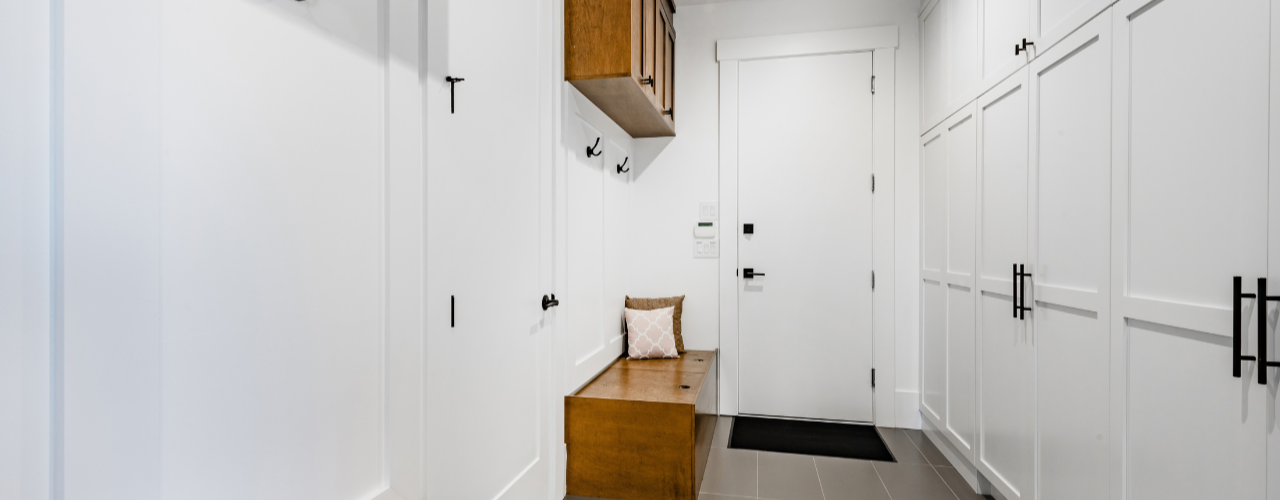
25 Mudroom Storage Ideas (And Mistakes to Avoid)
When you come home with muddy boots, an armful of bags and a coat you can’t wait to take off, it’s nice to have somewhere to put it all. With a mudroom, you can leave the outdoor mess at the door instead of carrying it through the house. Traditionally, you’d set aside a separate room, but you can just as easily use a hallway, an entryway closet, a laundry-room corner or a stretch of wall near the entrance.
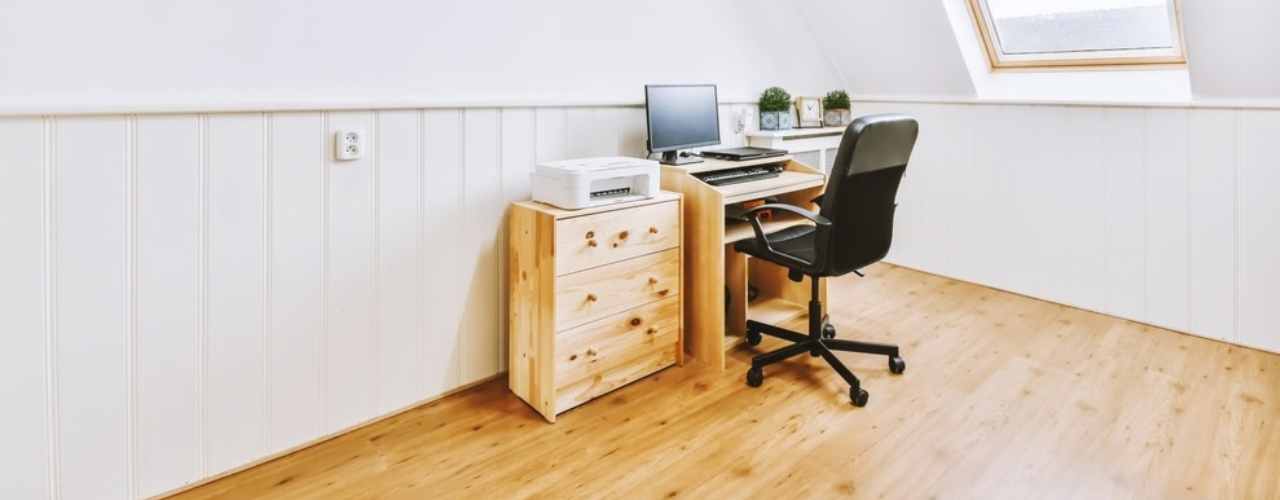
Is Your Home Office Worth the Rent? What Coworking and Self Storage Could Save You
Every square foot of your apartment comes with a price tag, and a home office claims more of them than most renters expect. It starts with a desk. Then come the second monitor, the printer, the filing cabinet and the overflow boxes. Before long, the corner you set aside for work has turned into a small room you are paying for every month.

Best U.S. Cities to Live Uncluttered: Plano, TX, Offers the Most Room to Breathe
Clutter is in our homes as much as in our heads. Both are shaped by where we live.
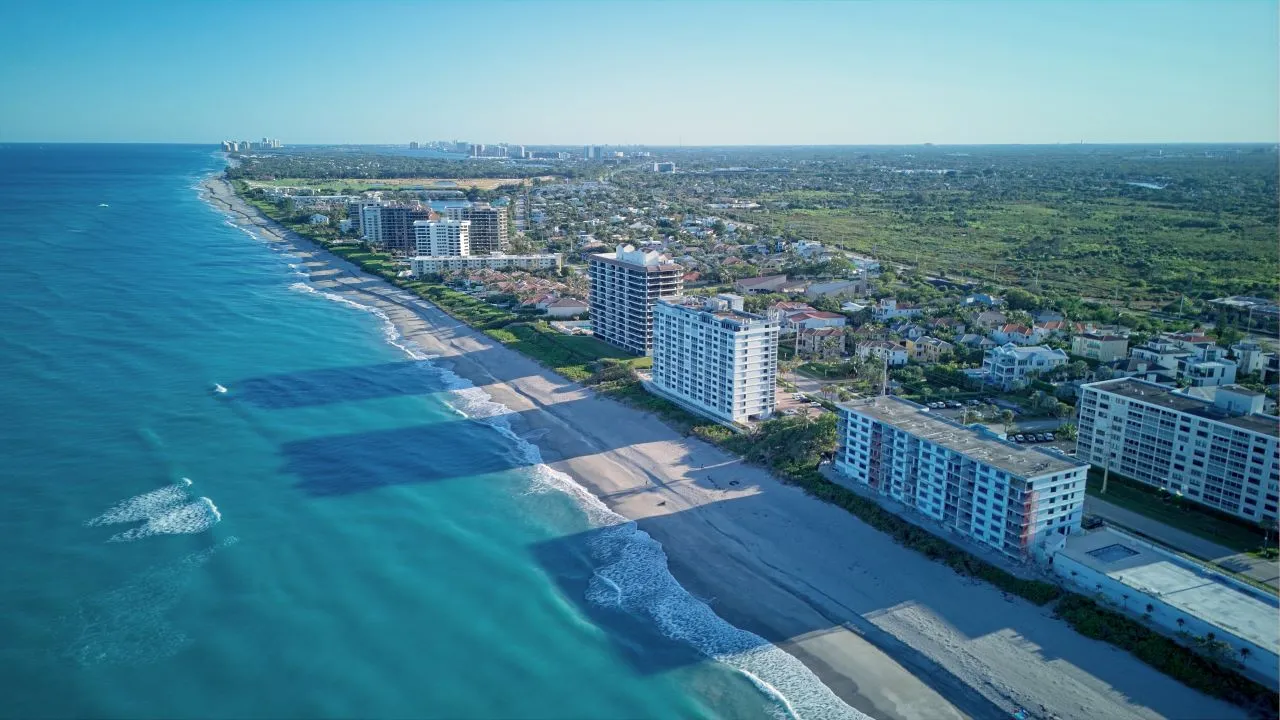
America’s Top Snowbird Destinations for 2026–2027: Florida Leads in Numbers, Texas Wins on Value
For Americans living in colder states, the approach of winter is reason enough to start looking south. Cold weather carries costs that go beyond the heating bill and shoveling snow. Seasonal affective disorder(opens in new tab) is far more prevalent in northern states, so a temporary move south isn’t simply an escape from the cold, but a chance to spend the hardest stretch of winter outdoors and in the sun.

How Much Does Halloween Really Cost in 2026? Plan Wisely to Avoid the Scare of Hidden Costs
Americans’ love for Halloween is almost frightening — this year alone, we are on our way to spending $13.5 billion, according to data from the National Retail Federation(opens in new tab). That breaks down to about $115 Halloween costs per person, a whopping 49% more than 10 years ago.

How to Store LEGOs: All the Fun, None of the Clutter
How to store LEGOs largely comes down to how your household uses them. If the bricks are part of everyday play, you need a setup that keeps them within easy reach and makes cleanup quick (for your feet’s sake, at least). Toy storage(opens in new tab) such as simple bins, playmats or containers that children can put away themselves may be enough. Larger or more serious collections usually need more organization, such as labelled drawers for loose pieces, trays for unfinished builds, shelves for completed models and separate storage for retired sets.

Cardboard Costume Guide: Tips and Ideas for a DIY Halloween
Whether for kids or adults, cardboard costume ideas often make the biggest splash once materialized, and that’s for a simple reason: doing a lot with a little is a universally impressive feat (especially in this economy). If you don’t have enough boxes you could temporarily repurpose, don’t worry! There are many places where you can find free moving boxes(opens in new tab), from stores and supermarkets to online groups and recycling drop-off spots. On the run? Try your luck at a self storage(opens in new tab) facility that sells moving supplies, often for cheap. This way, you can choose moving boxes of different shapes and sizes(opens in new tab), so you can make your costumes as complex as you want.

How to Celebrate Halloween: 9 Non-Spooky Ways To Enjoy It
As soon as October starts, it’s the official Halloween month. And while for many people it means it’s open season to get the scare of a lifetime, others, especially families with small children, might prefer to celebrate in a tamer way that’s both kid- and adult-friendly. While you’re likely to find more events where the spook factor is high, here’s how to celebrate Halloween in a not-so-scary way: