
The Cheapest States To Buy A House: The South Hits Home With Prices Under $250K


With U.S. home prices hitting record highs, many Americans feel the dream of owning a home slipping further out of reach. But look beyond the priciest coastal markets, and there’s good news: it’s still possible to find a home for under $250,000 – and keep mortgage payments manageable.
We examined median home prices across the nation and layered in other key factors like household incomes and mortgage-to-income ratios. To give a more complete picture of affordability and livability, we also considered the role of self storage. Whether it’s helping with a move, managing a renovation, or just creating space in a smaller home, storage plays an important supporting role in how people settle in. So, we looked at availability and pricing for self storage too, to get a fuller picture of affordability and livability.
The results show that the South leads the way in affordable living. Mississippi, Louisiana, Arkansas, Oklahoma, and Alabama all landed in the top 10 with some of the lowest home prices in the country. West Virginia and Kentucky also stand out, balancing affordability with financial sustainability. In these places, mortgage-to-income ratios stay below the typical affordability threshold of 30%, which means homes aren’t just cheaper on paper, they’re genuinely sustainable investments. Families here can build equity without being buried in debt.
Unlike overheated coastal hubs where urbanization drives up costs, the Midwest continues to deliver solid value, with Kansas, Iowa, and Ohio making the list thanks to their lower cost of living and steady housing markets. Below are the top 10 states where buying a home under $250K is still a reality in 2025.
1. West Virginia
Median home price: $171K
Mortgage-to-income ratio: 18%
Self storage supply: 7.7 sq. ft. per capita
Country roads might not always take you home, but in West Virginia, they’ll certainly help you buy a home. With the lowest median home price in the nation of just $171K, this state is the new sheriff in town when it comes to affordability. To paint a clearer picture, the U.S. median home price was over $360,600 during the same year, making it two times higher. It’s no wonder that 75% of West Virginia households owned their homes last year, making it the state with the highest homeownership rate in the country.
West Virginia’s slow population growth and its rural economy may explain why housing remains so accessible. With an average household income of $61K in 2024 and a mortgage-to-income ratio of just 18%, homeownership here has been claimed by 3 out of 4 households.
Moving in is also easier thanks to the state’s robust storage market that provides a welcome space during times of transition, renovations, or simply too much clutter. With 7.7 square feet of storage per person and average monthly rents of $103, residents can choose from a diverse array of options when it comes to extra space.
2. Mississippi
Median home price: $186K
Mortgage-to-income ratio: 20%
Self storage supply: 12.2 sq. ft. per capita
Mississippi ranks second with a median home price of $186K and a manageable 20% mortgage burden. In 2025, Mississippi was also crowned the state with the lowest cost of living, further solidifying its position as a haven for those seeking a lifestyle that goes easy on the wallet. Groceries, utilities, and everyday expenses all come cheaper, giving families more room to breathe.
For households needing flexibility, storage is readily available. With 12.2 square feet per person and monthly rents averaging $117, Mississippi’s storage facilities provide an easy way to stay organized without overspending.
3. Arkansas
Median home price: $216K
Mortgage-to-income ratio: 22%
Self storage supply: 15.1 sq. ft. per capita
In Arkansas, homeownership is still well within reach, with the median home price sitting at $216K. Known for its low cost of living, Arkansas makes it easy to maintain a healthy budget while still enjoying life’s little indulgences. Groceries, utilities, and taxes are all cheaper here than the national average, making every dollar stretch further.
Population and job growth are steady but not overwhelming, keeping housing demand, as well as prices, under control. Arkansas also benefits from abundant land, which makes new construction far more affordable than in high-density states like California.
4. Oklahoma
Median home price: $222K
Mortgage-to-income ratio: 21%
Self storage supply: 12.7 sq. ft. per capita
Want to buy a home in Oklahoma? It’ll cost you around $222K. With plenty of undeveloped land, especially outside urban centers, Oklahoma offers the perfect foundation for building your dream home. All of this, while also offering excellent value compared to coastal states like California, where zoning restrictions and high demand push the prices up higher and higher. Here, there’s no pressure to build more because there’s no scarcity, just room to expand.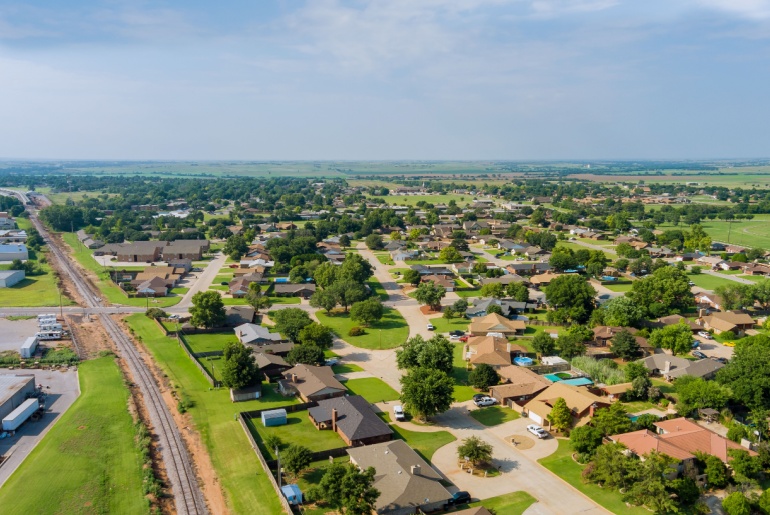
Oklahoma’s lower cost of living aligns with its steady economy and average household income of $66K. While Oklahoma doesn’t see the same migration waves as Texas or Florida, its steady economy supports affordability.
However, homeowners in Oklahoma seem keen on bettering their homes. The state leads the way in home improvement spending, which means that self storage often comes into play, helping homeowners keep their belongings safe and dust-free while they work on their dream projects. With around 12.7 square feet of self storage per capita and monthly rates averaging just $93, Oklahoma offers plenty of affordable options to meet all these needs.
5. Louisiana
Median home price: $223K
Mortgage-to-income ratio: 23%
Self storage supply: 11.4 sq. ft. per capita
Louisiana homes cost about $223K, making the state more affordable than neighboring Texas, where median prices reach $313K. With average household incomes of $61K and a mortgage-to-income ratio of 23%, residents spend about $14K annually on mortgage payments.
Louisiana’s housing market is shaped by its mix of urban hubs like New Orleans and rural areas. While areas like New Orleans can be pricier, the statewide average is pulled down by rural areas where older homes dominate the market. These homes often sell for less but may require mandatory flood insurance due to Louisiana’s geographic placement in high-risk zones — an additional effort that can deter some buyers from pursuing their dream home.
Self storage has become a well-known solution for residents facing these challenges. During hurricane season, many turn to storage units to keep valuables safe from potential damage. In urban areas like New Orleans, where homes often lack attics or garages, self storage provides much-needed space for off-season items and belongings.
6. Kentucky
Median home price: $226K
Mortgage-to-income ratio: 22%
Self storage supply: 7.9 sq. ft. per capita
Kentucky ranks sixth, with homes priced at $226K. However, the state’s mortgage-to-income ratio sits at 22% — slightly above the ideal threshold — suggesting that while homes are cheap, buyers may still need to budget carefully to stay financially comfortable.
One factor keeping prices low is Kentucky’s aging housing stock. Nearly a third of the state’s homes are over 55 years old, and while that can mean plenty of charm and character, it can also require extra investment for repairs and updates. For buyers willing to take on a little work, though, it may offer a chance to get more house for the money.
7. Iowa
Median home price: $227K
Mortgage-to-income ratio: 19%
Self storage supply: 7.6 sq. ft. per capita
Iowa’s $227K median price, paired with strong incomes, creates a solid affordability profile and places it in the seventh spot on our list. With a median household income 24% higher than West Virginia’s, residents here enjoy a better financial cushion. The mortgage-to-income ratio sits at 19%, meaning that a relatively manageable one-fifth of the average salary goes toward housing costs. On average, annual mortgage payments are around $14K.
A mixture of factors such as Iowa’s lower population density and its cost of living allow residents to stretch their budgets further, contributing to a good quality of life. Rooted in agriculture, the state’s economy follows a cyclical nature that keeps housing prices in check with what residents can afford. Furthermore, Iowa’s abundance of underutilized land drives down construction costs, making it an ideal place for affordable housing to flourish.
However, homes in Iowa ranked among the smallest in the nation in 2022 — 48th out of 50 states — with an average size of just 1,623 square feet.
This limited space amplifies the need for self storage solutions. Iowans often turn to storage units to free up room in their homes for items like seasonal decorations, toys, and other belongings. At $102 a month, self storage in Iowa is a practical solution for seasonal gear, toys, or holiday decorations.
8. Alabama
Median home price: $233K
Mortgage-to-income ratio: 22%
Self storage supply: 11.9 sq. ft. per capita
Alabama homes cost about $233K, similar to Louisiana. Here, the median household income reaches around $66K. Residents spend about $14K annually on mortgage payments, representing around 22% of their annual income.
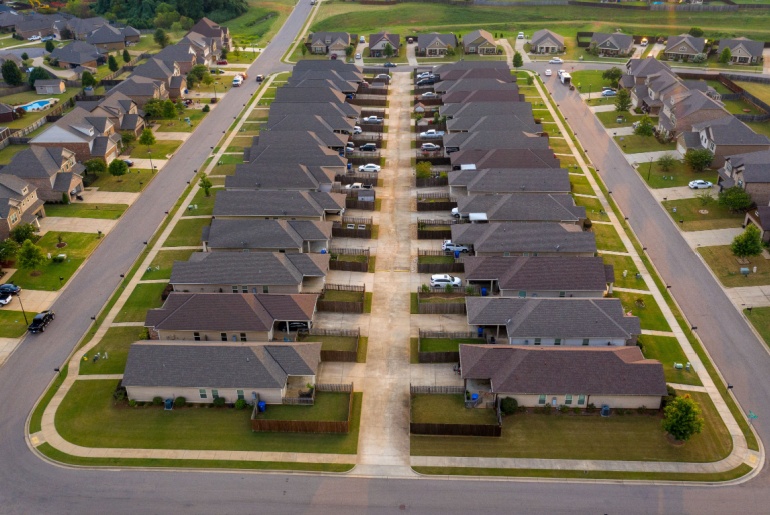
The state’s housing market benefits from moderate demand, prompting sellers to price homes competitively to attract buyers. Coupled with Alabama’s low cost of living, this creates a lifestyle where essentials, including housing, remain within reach.
9. Kansas
Median home price: $239K
Mortgage-to-income ratio: 20%
Self storage supply: 7.4 sq. ft. per capita
Kansas continues the Midwest’s strong showing with homes at $239K. Mortgage costs consume about 20% of income, so homeowners can expect to spend roughly $14K per year on mortgage payments, keeping housing costs well within recommended affordability guidelines.
Low land costs and abundant space make Kansas friendly to both new construction and buyers entering the market. Paired with a low cost of living, the state remains a safe bet for families and first-time homeowners.
10. Ohio
Median home price: $240K
Mortgage-to-income ratio: 21%
Self storage supply: 6.5 sq. ft. per capita
Rounding out the list, Ohio offers homes at $240K. Despite steady but modest population growth, housing demand has not surged significantly, contributing to the low prices.
However, homes in this state are smaller compared to the national average, offering about 1,803 square feet per family. Families often turn to storage units in Ohio to supplement space, with average monthly rents around $106.
Despite the ongoing housing crunch in many parts of the country, several Southern states continue to buck the trend — standing out as some of the most buyer-friendly places in America. These states prove that affordable homeownership isn’t a relic of the past and is still well within the grasp of those who are willing to look beyond the usual hotspots.
Curious where your state ranks on the home affordability map? Explore the full dataset below, with details on median home prices, homeownership rates, home sizes, local incomes, household sizes, and self storage trends.
Methodology
This analysis was conducted by StorageCafe, an online platform offering nationwide listings for storage units.
The study used data from the U.S. Census Bureau’s American Community Survey (ACS) for the full year of 2023 to evaluate housing affordability across all U.S. states. Median home prices and median household incomes were extracted for each state.
The mortgage share was calculated as a percentage of household income using a 6.3% interest rate and a 20% down payment.
Data on self storage comes from Yardi Matrix, StorageCafe’s sister division and a business development and asset management tool for brokers, sponsors, banks, and equity sources underwriting investments in the multifamily, office, industrial, and self storage sectors.


Moving From a House to an Apartment: What to Expect, How to Downsize & How Self Storage Helps
For some, moving from a house to an apartment is a financial decision. For others, it’s about simplifying life. Maybe the kids have moved out and half the house sits empty, or you’re approaching retirement and no longer want to spend weekends on repairs. Or perhaps you’ve been weighing the cost of buying a home and wondering whether renting simply makes more sense right now.

Family Heirlooms Overload: How to Handle Family Inheritance Without Regret
Handling family heirlooms after a loss requires managing legal authority, emotional pressure and practical logistics at the same time, and the order you take them on matters more than most people expect.
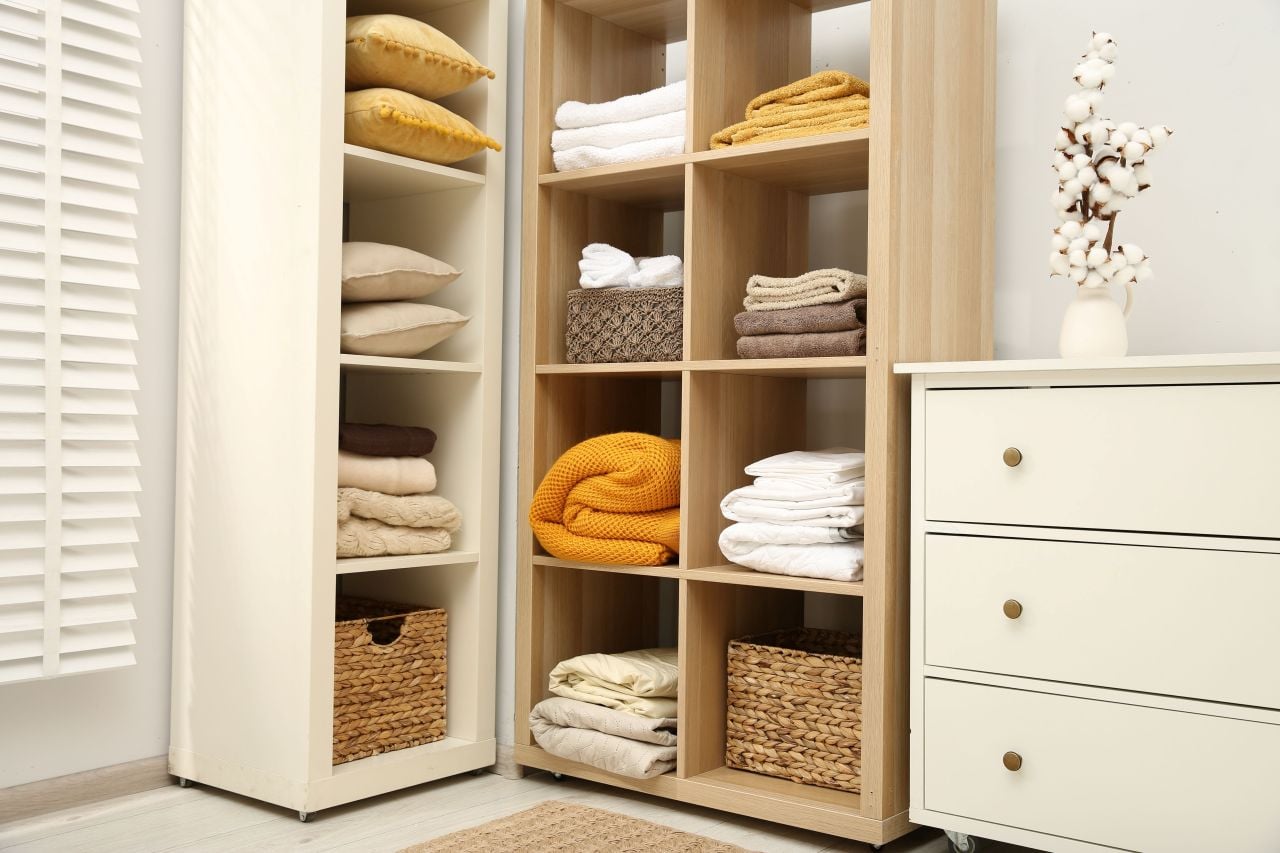
Blanket Storage: The Right Method for Every Space and Season
Blankets make our lives cozier, and storing them well is what keeps them soft and comfortable in the long run. Knowing how to store a blanket properly means your favorites come out of storage smelling fresh, feeling the same as when they went in, and lasting years longer than they otherwise would.

Board Game Storage Ideas That Keep Your Collection in Fighting Shape
Nobody warns you that getting into board games usually unlocks a second hobby, the much dreaded one that includes figuring out where on earth to put them. One game becomes a few, expansions start spawning beside their base boxes and before long, board game storage requires as much strategy as whatever is waiting on the other side of those lids.

Storage Locker vs. Storage Unit: What’s the Difference?
A locker and a unit may sound like two names for the same four walls and a lock, and depending on the storage facility, you may even see the terms used that way. However, once you start comparing available spaces, storage lockers tend to occupy the smaller end of the spectrum, while storage units(opens in new tab) give you considerably more room to work with.

Storage Ideas for Small Spaces: 9 Ways to Max Out Your Home
A messy home contains the seeds of its organization. Those seeds are everywhere: the space above doors, under beds, behind sofas and inside furniture can all become storage. Here are the best storage ideas for small spaces, so you can make the most of your cozy home.

Best U.S. Cities to Live Uncluttered: Plano, TX, Offers the Most Room to Breathe
Clutter is in our homes as much as in our heads. Both are shaped by where we live.
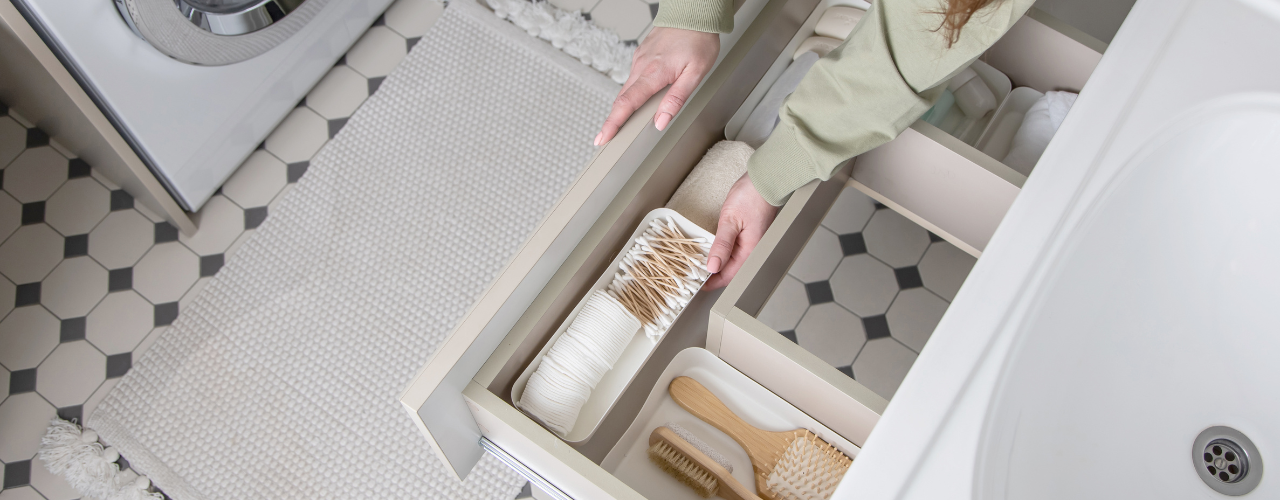
How to Organize Your Bathroom: 8 Ways to Stay Tidy
You already know why an organized bathroom is worth the effort, but let us remind you: it makes rushed mornings easier, keeps counters cleaner and just helps get you in the mood to go through your skincare routine like you should. Plus, in bigger households, it helps everyone find what they need. And you know how much a tidy bathroom counts for your self-esteem when a guest or a partner shows up. Luckily, you don’t need a degree to know how to organize your bathroom. The secret is keeping less, giving every item a home and making that home simple to use. Let’s go through some practical steps can help you create a bathroom that stays functional and nice to look at.

How to Use Silica Gel Packets for Storage
Moisture can cause significant damage to items in storage, leading to rust on tools, mold on clothing and warping in documents. Silica gel uses science to fix that. Often found in small packets inside product packaging, silica gel is a desiccant that absorbs moisture from the air, keeping your stored items dry and protected. This guide explains what silica gel is, how it works and how you can use it to preserve your belongings in self storage.