
Most Fun Cities In The U.S.: Miami & Orlando Rule The Fun Access Map, While Phoenix Reveals A Growing Leisure Divide


Key Takeaways
- The Sun Belt claims the most fun cities in the U.S., as Miami, FL, Orlando, FL, and Las Vegas, NV, hold the highest concentration of restaurants, entertainment, shopping and recreation per capita in the nation.
- Los Angeles had the biggest gain of new venues: 6,870 fun spots in ten years, or nearly two new venues per day; LA is now the only major U.S. city where entertainment venues (12,291) outnumber restaurants, a twist on the traditional dining-first urban model.
- Sun Belt suburbs like Irvine, CA, and Gilbert, AZ, are growing their density of fun spots the fastest, keeping up with population growth and rapidly transforming from bedroom communities into full-scale fun hubs.
- Fun deserts persist in cities like Port St. Lucie, FL, Garland, TX, and Chula Vista, CA, where population growth has outpaced entertainment infrastructure, leaving residents with fewer venues per capita and less fun potential at arm’s reach.
- Phoenix, AZ, shows what happens when a city’s venue line-up doesn’t keep up with its population growth: Despite ranking sixth in total venues, it lands at 95th in fun density with just 31 spots per 10,000 people.
Are Americans going out less, or just living in places that make going out harder?
More than half of Americans cut back on leisure spending last year, opting for streaming over waiting in line at shows and delivery apps over spontaneous restaurant nights. But the stay-in revolution isn’t purely financial. In many cities, outings often feel like a logistical puzzle: reservations booked days ahead, thirty-minute drives, packed venues with hour-long waits.
Availability matters just as much as affordability. Spontaneity becomes possible once cities reach that critical density of fun spots: roughly 80 venues per 10,000 residents. When options multiply, competition helps keep prices in check, while free spaces like parks fill the gaps. But the real magic happens at the neighborhood level. Here, smaller bars, corner cafés and intimate venues become those fabled “third places” where regulars recognize your face and new friendships can arise. After all, fifty neighborhood coffee shops create far more human connection than five massive food courts ever could.
“In my experience, better connections is what moves the needle most,” says JoAnne Loftus, president of Archival Designs. “I have seen cities blow their budget on a massive stadium or an arts center that sits isolated by highways. People drive in, watch the show, and drive out. That isn’t a fun city, that’s just a venue. But when you build a wide safe promenade that connects a neighborhood with a waterfront, you change behavior. You enable the “stroll.” People walk from dinner to get ice cream. They bump into friends. The friction of moving around disappears. You can’t program that sort of spontaneity. You must create the pathways for it to occur naturally.”
Where enjoyment potential runs highest, affordability, availability and local interest intersect. That’s the lens behind our ranking of 100 U.S. cities, based on access to dining, entertainment, shopping and recreation venues. We also looked at how the self storage industry supports active lifestyles among the nation’s most vibrant cities — because in places where hobbies thrive, residents often need space for bikes, kayaks, sports gear and creative pursuits without clutter taking over their homes.
Our findings show a clear frontrunner: Florida claims the top two spots by a wide margin, with Miami and Orlando boasting the highest concentration of restaurants, entertainment and recreation venues per capita in the country. The Southeast dominates the upper tier overall, joined by standout hubs like Las Vegas, NV, and Atlanta, GA.
Meanwhile, several Rust Belt cities are staging a quiet comeback through what can best be described as value density. Pittsburgh, PA, Cincinnati, OH, and Buffalo, NY, deliver rich entertainment options at price points that help sustain neighborhood gathering spots — the kind where community can actually take root. Many of these cities are reaping the benefits of long-term urban planning, from waterfront revitalization and mixed-use zoning to adaptive reuse projects that have transformed former industrial corridors into walkable, experience-driven districts.
At the other end of the spectrum are the fun deserts — places where population growth has outpaced the restaurants, parks and social hubs that make city life enjoyable.
Take Port St. Lucie, FL. Its population boom shows no signs of slowing, thanks to attractive housing prices and access to beautiful outdoor spaces. But as more newcomers flock to the Treasure Coast, pressure is mounting on a still-developing entertainment scene. While projects like the Port District are helping put the city on the map, Port St. Lucie remains underserved, with just about 22 fun venues per 10,000 residents.
A similar pattern is unfolding in Garland, TX. The city continues to draw new residents with its family-friendly appeal and relatively affordable cost of living within the Dallas–Fort Worth metro area. Yet the local vibe remains subdued, as restaurants, entertainment venues and gathering spots haven’t kept pace with demand — leaving residents with about 27 fun spots per 10,000 people.
Then there’s Phoenix, AZ — one of the fastest-growing cities in the country and a prime example of America’s widening fun divide. Its appeal is undeniable, from strong job growth and welcoming communities to a booming housing market. But that same growth is stretching its leisure infrastructure thin. Cafés are more crowded, competition for entertainment is rising, and access to quality venues is becoming less seamless. Despite having more than 5,000 entertainment and leisure spots overall, Phoenix offers just over 31 venues per 10,000 residents — the sixth-lowest among the largest U.S. cities. Detroit, MI, fares even worse, with roughly 30 fun spots per 10,000 people.
In contrast, a growing wave of cities is starting to get it right. Even those still playing catch-up are recognizing just how important fun infrastructure is — and are doing something about it.
Fast-growing metros like St. Paul, MN, Henderson, NV, and Charlotte, NC, are expanding their mix of restaurants, entertainment venues and recreational spaces alongside their rising populations. The payoff is tangible. You get places where it’s easy to grab dinner with friends, catch a show after work, or spend a Saturday exploring without planning too far ahead. These lively cities prove that growth doesn’t have to come at the expense of quality of life — it can actually make everyday life more enjoyable.
Top 10 most fun cities to live in
Curious where the quest for fun comes together most effortlessly? Here are the top 10 U.S. cities with the highest concentration of fun spots per capita. Make sure your phone is charged, and your shoes are comfortable.
1. Miami, FL
- 162 fun spots per 10K people
Miami stands out as America’s capital of accessible fun, packing over 7,360 restaurants, bars, stores and entertainment venues into its city limits. Once defined by its beaches and nightlife circuit, the city’s entertainment infrastructure has boomed over the past decade, while its population grew by 13%. Districts like Wynwood best show that growth, as they’ve been actively developed and promoted by the city with street art, museums, live music and heritage experiences that kept the neighborhood’s spirit alive while expanding its scope.
Just as importantly, Miami has been making such big strides towards car-free living that it’s now one of best walk-and-ride cities in the U.S., which means that you can walk, bike, or take the bus to any of the city’s hot spots. Now, imagine how much more naturally it is to have spontaneous fun, make plans on the fly, and build intimate connections when you have so many ways to get wherever. And Miami gives you a lot of places to go.
In the past 10 years, Miami dining spots increased by 32%, bringing restaurants such as Tâm Tâm, Doya and Boia De. Entertainment venues also grew considerably, best seen in ambitious productions from Miami New Drama and immersive exhibits at the Museum of Graffiti. Even better, Miami also expanded its parkland with accessible waterfront spaces like Miami Beach Bayshore Park.
Insider tip: Take a break from the touristy Wynwood Walls on a Saturday morning and instead hit Rubell Museum early, stop by La Cometa Gallery for a close encounter with Latin American art, then walk to Casa Roma Focaccia in Allapattah for lunch before the weekend crowds descend.
2. Orlando, FL
- 138 fun spots per 10K people
Long-known for its theme park reputation, Orlando has reinvented itself as one of America’s most entertaining cities year-round, home to 4,430 spots for dining, entertainment and recreation. The city’s Curry Ford West, Hourglass District and the Milk District show how a city can deliberately retenant tired commercial strips. This way, overlooked corridors become “cool” neighborhood hangout zones through targeted food‑and‑beverage investment and Main Street-style districting.
Population growth was explosive at 28% over the past decade, yet Orlando kept its arsenal of fun things to do way ahead of the curve. Most cities struggle when the increase happens this fast, but Orlando doubled up neighborhood-level enjoyment instead of letting everything cluster around I-Drive. That distribution creates more intimate gathering spots where you might run into the same faces twice in a week. This is how communities can build the social intimacy that larger entertainment complexes rarely foster.
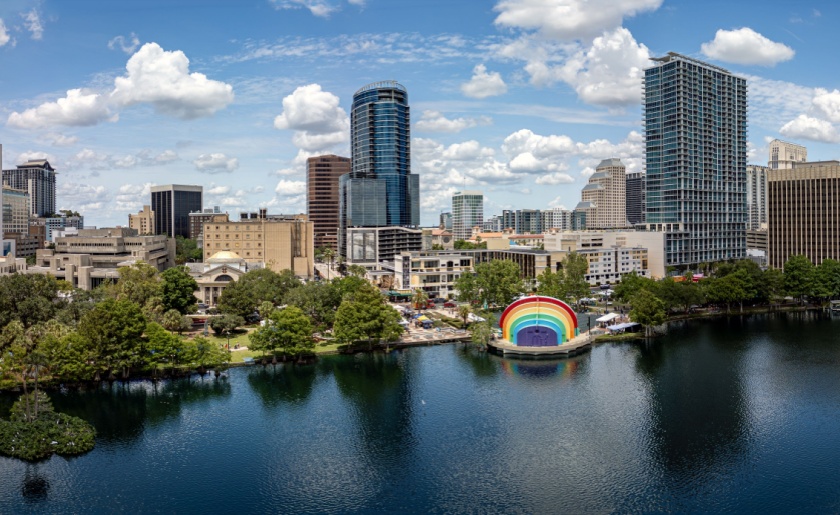
Rainbow Amphitheater at Lake Eola in Orlando, Florida
Over the past decade, restaurants multiplied by 37%, as neighborhood spots like Smokemade Meats + Eats spread the foodie map beyond tourist zones, while the recently opened CityArts Café is already one of the city’s new hidden gems. Entertainment venues jumped 45%, best seen in places like Steinmetz Hall at Dr. Phillips Center for the Performing Arts, which has been garnering love ever since opening back in 2022. Recreation also increased significantly, courtesy of improvement projects in spaces like Loch Haven Park with its museums and lakeside paths.
Insider tip: For a local Saturday outing, read a DC classic over a flat white at Blackbird Comics & Coffeehouse, grab a hearty lunch at Luke’s Kitchen and Bar, then catch an indie film at Enzian Theater in Maitland.
3. Las Vegas, NV
- 120 fun spots per 10K people
Las Vegas now counts nearly 7,950 combined venues, the fifth biggest inventory in the U.S. That includes more than 2,330 new spots added in the past 10 years (the third biggest gain nationwide), all while Vegas’s population grew 11%. Dining grew 38% over the past decade, visible in the steady stream of restaurants around complexes like AREA15.
Entertainment increased 50%, thanks to immersive draws such as Meow Wolf’s Omega Mart and digital installations at Arte Museum Las Vegas. Recreation also grew, thanks to interactive staples like the Mob Museum and its working speakeasy. All in all, Vegas delivers spectacle at every price point. Yes, bottle service at a Strip club costs a mortgage payment. But neighborhood bars in Summerlin and Henderson offer $5 craft brews. Free concerts happen weekly at Fremont East, while public art installations bring a splash of color to everyday life.
Insider tip: Start with some serious thrift-shopping at Glam Factory Vintage, follow that with a wholesome meal at Esther’s Kitchen, then walk to The Arts Factory and see how the city’s frontier artists are pushing the boundaries.
4. Atlanta, GA
- 117 fun spots per 10K people
With a combined total of nearly 6,000 venues across the city, Atlanta delivers excitement at scale while welcoming 14% more residents over the past decade. Atlanta’s BeltLine is a big, visual example of how a city can bank on its assets: a former rail corridor turned multi‑use trail that now strings together breweries, food halls, patios and bars along its Eastside and Westside segments.
The ATL added 22% more dining spots, visible in places like Little Bear, while entertainment jumped 42%, with interactive draws like the Trap Music Museum. All that fun is distributed across distinct neighborhoods. Ponce City Market anchors the Eastside, the Westside Beltline feeds a growing cluster of breweries and restaurants, while Edgewood and Old Fourth Ward have that nightlife energy. That decentralization means multiple entertainment hubs rather than a single downtown district, creating more neighborhood-scale venues where regulars build community.
Insider tip: Start your day with a stroll of the Beltline, sit down for a nice tapas lunch at Eclipse di Luna, then treat yourself to a perfect dessert at Revolution Doughnuts & Coffee before checking out the newest exhibition at Whitespace Gallery.
5. Pittsburgh, PA
- 108 fun spots per 10K people
Pittsburgh’s fun density rivals far flashier cities. The City of Bridges has nearly 3,280 combined venues, complete with food, festivals and cultural venues. New restaurants like Fet Fisk and Stuntpig reshape Pittsburgh’s burgeoning foodie scene, while the revitalized Strip District keeps drawing weekend crowds (its population having boomed in the past few years).
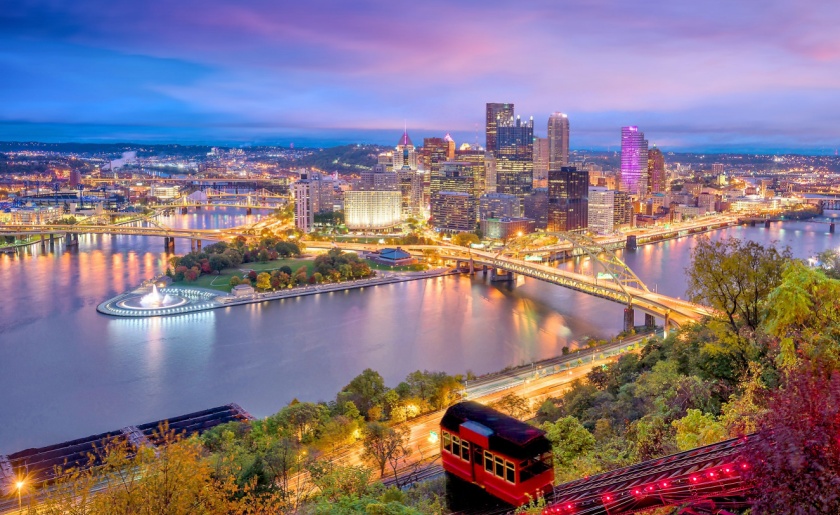
The Duquesne Incline over the Ohio River in Pittsburgh, PA
And local business owners are seeing it firsthand. In 2023, businesses in the Strip District saw a jump of almost 500,000 visitors from 2022. Entertainment expanded through additions like the Museum of Illusions downtown, while Carnegie Mellon’s School of Music continues to offer free concerts for everyone. It’s this feel-good fun that helps place Pittsburgh among the best cities for young couples and the best cities for families with children.
Insider tip: Book a weeknight table at Pusadee’s Garden in Lawrenceville, browse Butler Street’s boutiques and bars beforehand, then linger over drinks in the restaurant’s courtyard if the weather cooperates. Drop by Contemporary Craft, too, if you’re feeling artsy.
6. Cincinnati, OH
- 104 fun spots per 10K people
Cincinnati is quite the success story. Its urban transformation comes thanks to huge investments from the city hall into its formerly run-down neighborhoods, such as the Over-the-Rhine section. As a result, Cincinnati now counts 3,250 combined venues across dining, entertainment and recreation, with 6% population growth over the past decade.
After all, Cincy excels at new spots that quickly feel established. Mid City, opened in 2021 by the Longfellow team, is now a downtown staple with fun beverages and steady crowds. Around Washington Park in Over-the-Rhine, additions like Five Kitchen & Bar anchor a tight stretch of bars and restaurants, while The Mockbee keeps nightlife thoroughly alive with great DJ sets at good prices.
Insider tip: Spend a Sunday afternoon at Findlay Market, then walk to Somerset Bar in Over-the-Rhine for drinks in an exotic oasis before catching a show at Woodward Theater.
7. Minneapolis, MN
- 99 fun spots per 10K people
The nation’s best city for walking and biking is also great for having fun. The numbers show the commitment: Minneapolis brings 4,230 combined venues into daily rotation while adding 5% more residents over the past decade. Right now, the city feels sharper than ever, especially after intensive revitalizations of local staples like the Walker Art Center Sculpture Garden. The city’s dining scene has been getting more and more exciting, too. On one side of the Mississippi, Owamni by The Sioux Chef brings native cuisine to the fore of the Twin Cities’ foodie scene. On the other side, Oro by Nixta takes traditional Mexican food to a new level.
Plus, Minneapolis benefits from a regional culture that prioritizes outdoor access, with extensive bike trails and lakefront paths. That infrastructure makes recreation effortless, which creates more opportunities for chance encounters (the kind that happen when you run into your neighbor on the Midtown Greenway twice in one week).
Insider tip: Bike through Minnehaha Regional Park, all the way up to the waterfalls then pedal down to Bull’s Horn for a fantastic meal at one of The Twin Cities’ most beloved of hidden gems.
8. Buffalo, NY
- 81 fun spots per 10K people
Buffalo played the long game and is now a shining example of urban renewal: Decades of planning around a revitalized downtown, waterfront and theater district, plus the adaptive reuse of historic buildings into lofts, hotels and venues, laid the groundwork for today’s restaurant and nightlife boom. Today, Buffalo has a total of 2,230 venues, all of which cluster around walkable neighborhoods and waterfront areas, with 7% population growth keeping pace with infrastructure development.
The locals know the city is booming: Elmwood Village has become one of the town’s enjoyment hubs in recent years, drawing new residents with its network of exciting things to do, all at a walkable distance. Food delivers the clearest signal. Southern Junction, a Texas-style barbecue joint with South Asian twists (brisket biryani, barbacurry), has become a headline name, along with a wider wave of standouts: comfort meals at Sophia’s Restaurant, tasting-menu nights at Black Iron Bystro and amazing desserts at Paula’s Donuts.
Insider tip: Start with an afternoon through the Lexington Cooperative Market in Elmwood Village, enjoy some pub grub from Jack Rabbit, then finish the night with a staging one of the Bard’s classics at Shakespeare In Delaware Park.
9. Richmond, VA
- 80 fun spots per 10K people
Richmond’s recreation scene has snapped into focus over the past few years, turning once-sleepy corridors into nightly hangout zones while its population grew 7%. The city now counts over 1,850 venues with plenty of variety. Blue Atlas in Fulton Hill layers inventive, globally inspired plates with a market-meets-restaurant vibe, giving locals a reason to treat the riverfront as a dinner destination instead of just a daytime walk.
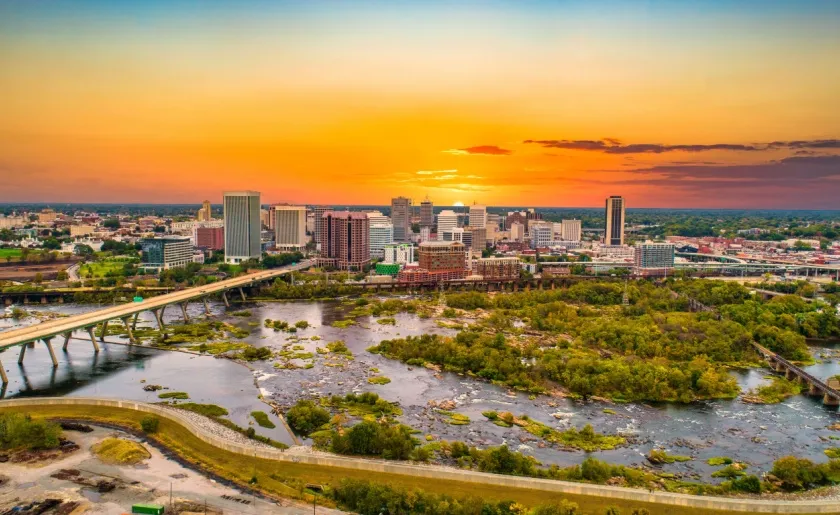
Mayo’s Bridge over James River in Richmond, VA
Plus, Richmond’s Scott’s Addition is a textbook “dead industrial to fun district” transformation. Once mostly warehouses and auto garages, it’s now the city’s craft‑beverage and mixed‑use hub, with breweries, cideries, a meadery, distilleries, restaurants and entertainment venues filling converted factories. Black Lodge is a prime example, hidden in an industrial strip with chef-y bar snacks, caviar-and-shot pairings and frozen gin and tonics that feel more big-city than its footprint suggests.
Insider tip: Get up close and personal with masterpieces throughout the centuries at Virginia Museum of Fine Arts, stick around for a free jazz concert if it’s a Wednesday, then finish with dinner on the rooftop at Harry’s at Hofheimer in Scott’s Addition as the sun sets.
10. Scottsdale, AZ
- 79 fun spots per 10K people
How did Scottsdale become a New West hub? Put simply, by knowing its assets. The city is layering in Old Town’s cowboy saloons, Western art, dark‑sky stargazing decks and horseback outfitters, all merged into a walkable core where mostly transplant residents and visitors can move in a single day from hikes to rides to live country music.
On the ground, Scottsdale has almost 1,950 combined venues packed into its footprint, with 7% population growth over the past decade. During the time, the city added roughly 26% more dining and 33% more entertainment. If you want an idea of what that looks like, look up the annual Canal Convergence event by Scottsdale Arts. This is all just scratching the surface of what makes Scottsdale one of the most fun cities in the U.S.
Insider tip: Book a weeknight table at The Mission in Old Town, time it so you can explore the Scottsdale Arts District beforehand, then finish with a sixties’ style milkshake at Sugar Bowl.
More city, more excitement: U.S. cities with the most fun spots overall
New York City and Los Angeles are the clear leaders in overall fun spots, with NYC at 44,700 and LA at 26,700. NYC’s scale matches its nonstop energy, walkability, and constant sense that something is happening. Even standing in line at a trendy restaurant is becoming a social media trend among young people, some of whom are crossing state lines just to film themselves waiting in the queue. Meanwhile, LA’s fun comes from lifestyle variety, creative freedom, and the easy mix of beach, weather and food.
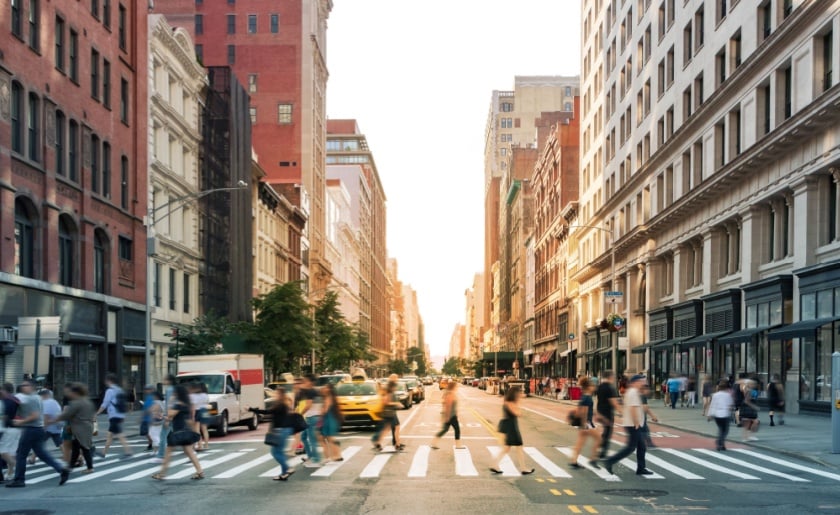
Street crossing in New York City, NY
Chicago and Houston sit in a similar middle tier, with Chicago at nearly 11,900 and Houston at 11,500. Chicago’s scene is all about quirky local places, great architecture, and neighborhood character, and its improv comedy lineage runs deep through institutions like The Second City, as well as CIC. Houston’s fun is inseparable from its food scene: a city of more than 145 languages with neighborhoods anchored by ethnic restaurants and groceries, where Viet-Cajun seafood, Tex-Mex, and global casual spots are part of everyday life. Rounding out the top 5 with over 7,900 fun spots, Las Vegas stands out for the spectacle and sense of escape, with shows, nightlife, food and the freedom to be as over-the-top as you want for a few days.
Beyond the top 5, the ranking has a few surprises, besides the usual suspects. Miami lands at nearly 7,400 fun spots: natural for a city that runs on nightlife and Latin culture. More surprising is Philadelphia, with over 7,000 fun spots, a city often underestimated but rich in walkability, murals, parks, museums, and neighborhood discovery. Philly’s appeal is also getting a lift from new cultural anchors like Calder Gardens and Longwood Reimagined, which add fresh reasons to visit beyond the city’s already deep stock of museums, parks, and neighborhood attractions.
Fastest-growing fun cities in the U.S.: Where infrastructure races ahead
Los Angeles, CA, dominates the nation’s fun infrastructure boom with 6,870 new spots added over the past decade: roughly two new venues opening every single day for ten years straight. Entertainment led the surge, exploding by 5,126 venues to reach 12,291 total spots — the highest in the nation, making LA the only major city where theaters, museums and live experiences outweigh dining as the primary driver of enjoyment. New York City, NY, and Las Vegas, NV, follow with net gains that, while impressive, are still half of LA’s numbers.
When it comes to the speed of increase, North Las Vegas, NV, leads the nation with 155% surge in fun spots, more than doubling its leisure infrastructure in just ten years. The city added over 100 new restaurants, along with a broader surge of entertainment, all of which has turned a former bedroom community into a place where residents actually stay for the evening. Irvine, CA, follows with 71% growth, including 70+ entertainment venues alongside restaurant expansion: cultural programming and recreational spaces that give residents reasons to skip the drive to LA or San Diego.
Laredo, TX, grew 61%, filling infrastructure gaps across dining, nightlife and cultural venues that once forced residents to drive hours for entertainment. Gilbert, AZ, posted a 58% surge with over 200 new restaurants plus entertainment and recreation venues, creating the neighborhood-scale density that nearby Phoenix lacks despite being part of the same metro. St. Paul, MN, rounds out the top five with 52% growth, transforming the Twin Cities’ quieter sibling into a destination rather than Minneapolis’s shadow.
Fun deserts: Where population growth outpaces fun density
While Miami and Orlando pack in recreation at high density, some of America’s fastest-growing metros have become fun deserts: places where population surges outran the venues, parks and gathering spots that make a city feel alive. We’re talking about suburbs and Sun Belt boomtowns that added tens of thousands of residents over the past decade without building the restaurants, bars and entertainment venues to match.
Among the 100 biggest U.S. cities, Port St. Lucie, FL, has the absolute lowest density of fun spots: little over 22 venues per 10K residents. With a nearly 50% population growth that propelled it among the nation’s major cities, Port St. Lucie still has a long way to go in terms of giving its residents fun things to do. Still in the Sun Belt, Garland, TX, follows with 27 fun spots per 10,000 people despite a 6% population increase. The Dallas suburb’s 670 total venues for 250,000 residents leave locals driving into Dallas proper for nightlife, another win for car dependency and a loss for local identity.
Switching over to major metros, Phoenix, AZ, presents the starkest contrast. Despite ranking 16th nationally with over 5,000 total venues, the city lands at 96th in fun density with just 31 spots per 10,000 residents. Phoenix added 9% more residents over the past decade while entertainment options grew far more slowly, scattering venues across a metro area larger than Los Angeles with half the population density. Basically, the distribution of the city’s fun spots becomes diluted by its sprawl.
Detroit, MI, is a case of its own. As the population declines, so does the pool of things to do, with the city currently offering about 31 fun spots per 10,000 residents. In total, that’s just 1,940 venues serving roughly 645,700 people.
Despite pockets of revitalization in areas like Midtown and Corktown, large swaths of the city remain entertainment deserts. At the same time, the cost of living has risen faster than the national average, further limiting residents’ ability to enjoy what’s available.
Fun on the streets, storage behind the scenes
Every city in the top 10 funtastic hotspot list earned its ranking on the strength of what it offers — but keeping up with that offer takes gear. Bikes for Minneapolis’s Midtown Greenway. Paddleboards for Orlando’s lakes. Camping bins for Las Vegas weekend escapes into Red Rock Canyon. Kayaks, DJ equipment, festival tents, golf clubs, tailgating setups — the hobbies that make city life worth living have a habit of taking over living spaces.
That’s where self storage earns its place in the fun equation. When a city makes it easy to say yes to plans, storage makes it easier to stay ready — bridging the gap between small closets and big lifestyles.
Across the most fun-dense cities, storage supply varies dramatically, and the gaps reveal which cities make it easy to keep an active lifestyle running and which ones force trade-offs between living space and hobby gear.
The national average sits at roughly 7 square feet of self storage per capita at an average rent of $133 per month. Only two cities in the top 10 meet or exceed that supply threshold. Las Vegas, NV, leads with 8.2 square feet per capita at just $126 per month: above-average space at below-average cost, the best combination in the group. That storage supply helps explain how residents afford to pursue gear-intensive hobbies despite living in smaller spaces. Orlando, FL, follows closely at 7.1 square feet per capita and $127 per month, making it the most storage-friendly fun city in the Southeast. With explosive population growth and rising housing costs, that storage supply helps residents hold onto bikes, paddleboards and sports equipment without sacrificing living space.
At the other end, Minneapolis, MN, and Buffalo, NY, sit well below the national benchmark at 2.1 and 1.8 square feet per capita, respectively, meaning residents in two of the most fun cities in the U.S. have the least room to store the gear that supports their hobbies. In Minneapolis, where biking culture is central to the city’s identity, that storage gap creat
es real friction for residents trying to maintain active lifestyles.
Fun Out Front, Storage Out Back
StorageCafe analysis of data from Yardi Matrix and TPL (Data as of May 2026 | Pub: Jun. 2026).
Rank City State Recreation Spots Self Storage Per Capita (Sq. Ft.) Avg. Self Storage Rent
1 Miami FL 438 4.0 $180
2 Orlando FL 235 7.1 $127
3 Las Vegas NV 1,473 8.2 $126
4 Atlanta GA 748 4.7 $148
5 Pittsburgh PA 508 3.7 $135
6 Cincinnati OH 703 4.3 $100
7 Minneapolis MN 865 2.1 $128
8 Buffalo NY 343 1.8 $138
9 Richmond VA 489 6.0 $129
10 Scottsdale AZ 334 9.2 $188
11 Tampa FL 451 7.3 $132
12 Honolulu HI 1,218 3.3 $300
13 Portland OR 637 4.5 $146
14 Cleveland OH 662 2.2 $120
15 San Francisco CA 884 2.0 $249
16 Saint Louis MO 357 4.7 $126
17 Denver CO 1,019 3.5 $134
18 Seattle WA 723 4.3 $174
19 Los Angeles CA 2,440 2.1 $249
20 Spokane WA 363 7.3 $131
21 New Orleans LA 225 4.6 $137
22 Washington DC 1,239 2.2 $180
23 Madison WI 619 4.5 $135
24 St. Paul MN 1,015 3.3 $158
25 Arlington VA 687 1.2 $256
26 Norfolk VA 686 5.5 $124
27 Omaha NE 1,037 7.5 $100
28 Plano TX 500 5.4 $118
29 Nashville TN 750 7.1 $147
30 Irvine CA 814 5.3 $184
31 Milwaukee WI 1,073 3.8 $110
32 Sacramento CA 776 5.1 $142
33 Boston MA 722 0.7 $249
34 St. Petersburg FL 379 5.8 $155
35 Boise ID 526 12.3 118.13
36 Austin TX 722 7.9 $134
37 New York City NY 7,736 2.1 $209
38 Tucson AZ 632 9.1 $104
39 Frisco TX 285 3.8 $127
40 Raleigh NC 560 7.6 $116
41 Tulsa OK 630 9.2 $103
42 Lexington KY 468 8.3 $144
43 Reno NV 247 14.6 $131
44 Chesapeake VA 646 7.1 $113
45 Albuquerque NM 823 7.6 $120
46 San Diego CA 1,534 4.2 $179
47 Virginia Beach VA 572 11.2 $123
48 Dallas TX 1,792 5.2 $133
49 Houston TX 2,484 7.0 $123
50 Lincoln NE 563 7.0 $128
51 Charlotte NC 1,150 7.4 $121
52 Santa Clarita CA 177 4.4 $189
53 Henderson NV 624 6.6 $135
54 Louisville KY 724 7.6 $108
55 Greensboro NC 248 11.2 $95
56 Winston-Salem NC 337 8.2 $104
57 Columbus OH 1,203 4.5 $103
58 Kansas City MO 694 3.8 $119
59 Colorado Springs CO 458 11.6 $111
60 Philadelphia PA 2,115 3.4 $145
61 Baltimore MD 640 3.8 $127
62 Chicago IL 3,071 3.5 $142
63 Lubbock TX 288 17.6 $105
64 Arlington TX 670 6.2 $102
65 Toledo OH 285 4.8 $105
66 Laredo TX 422 6.9 $156
67 El Paso TX 648 6.5 $115
68 Glendale AZ 277 3.2 $108
69 Oklahoma City OK 688 9.2 $85
70 Durham NC 273 9.7 $114
71 San Antonio TX 1,039 9.6 $118
72 Wichita KS 415 7.1 $110
73 Jacksonville FL 1,565 10.5 $132
74 Chandler AZ 211 4.9 $116
75 Long Beach CA 490 2.0 $203
76 Bakersfield CA 397 10.0 $101
77 Riverside CA 320 5.7 $138
78 Corpus Christi TX 250 11.7 $115
79 Anchorage AK 224 6.4 $226
80 Memphis TN 447 8.3 $87
81 Oakland CA 346 2.6 $196
82 Anaheim CA 235 1.5 $184
83 Jersey City NJ 231 1.3 $184
84 Santa Ana CA 228 1.7 $198
85 North Las Vegas NV 601 4.9 $129
86 Fort Worth TX 707 6.6 $103
87 Irving TX 160 7.5 $107
88 Mesa AZ 382 6.1 $108
89 San Jose CA 570 3.9 $184
90 Aurora CO 273 4.1 $121
91 Gilbert AZ 160 3.9 $118
92 Fremont CA 188 3.4 $175
93 Fresno CA 347 7.1 $130
94 Newark NJ 243 1.0 $125
95 Phoenix AZ 1,471 5.6 $120
96 Detroit MI 803 1.0 $147
97 Stockton CA 318 7.0 $117
98 Chula Vista CA 185 3.8 $182
99 Garland TX 168 4.1 $110
100 Port St. Lucie FL 143 6.4 $157
Conclusion
So, to answer the question we started with: Are Americans really going out less? Well, some places are certainly not making it easy for them to do so. Besides rising costs that make going out less accessible, certain cities just don’t have enough fun spots to go around. Fast-growing metros such as Phoenix are finding it hard to provide residents with enough venues for intimate social bonds to form and communities to really grow.
On the other end, the nation’s most vibrant cities are spreading their leisure venues far and wide. Miami, FL, and Orlando, FL, are the fully saturated Florida headliners, but cities like Las Vegas, NV, Atlanta, GA, Pittsburgh, PA, Cincinnati, OH, and Minneapolis, MN — along with quieter names like Buffalo, NY, and Richmond, VA — prove that everyday fun can hit the same intensity in different ways, from big-city buzz to neighborhood bars and park-loop walks that fit into a Tuesday.
The success stories, from Cincinnati’s Over-the-Rhine transformation to Buffalo’s waterfront renewal, show what’s possible when public infrastructure investment and private development work in tandem to create the density that makes spontaneity effortless. That effort lands them among the most fun cities in the U.S. today.
And as fast-growing metros like Gilbert, AZ, and St. Paul, MN, layer in more restaurants, venues and green space faster than population arrives, you can see the next wave of cities being built in real time, one new hangout at a time.
Because at the end of the day, you don’t have to be the loudest city in America to feel packed with things to do. “A truly fun city is not the one with the biggest amusement park — it is those cities where you discover new things on your way to the local grocery store,” explains Marty Zankich of Chamberlin Real Estate School. “What you need is local engagement between communities. This is low-effort fun, but it does create a sense of belonging.”
Explore how all the 100 major U.S. cities stack up on fun density across the board: dining, entertainment, shopping and recreation.
What is a fun city? Experts chime in
A fun city is serious business. To get some insights into how cities can bring more fun to their residents, we talked to professionals who know what makes a location truly exciting to live in.
JoAnne Loftus
- President and owner of Archival Designs
 1. What are the most effective changes a city can make in its design, policies, or public spaces to become meaningfully more fun for residents?
I think cities need to stop thinking of play as something only for playgrounds. The best change is design of “playable” infrastructure. I once consulted for a city that put swings at bus stops. It was a small thing. But I saw business people in suits swinging while waiting for the 5:15 bus. It broke the monotony. You make a city fun by adding the whimsical to the mundane. Make the crosswalks colorful. Put slides next to stairs. When you sprinkle little bits of joy in a commute, you alter people’s perception of their environment. You make the city itself the destination and not just a backdrop for chores.
2. What signals do you look for that a city is successfully shifting toward more spontaneous, low-effort fun in everyday life?
I watch where the kids go. Children are the ultimate sensors of spontaneous fun. If you see kids playing in a fountain that wasn’t specifically designed as a splash pad, or balancing on a curb, the city is winning. It means the environment is safe enough to explore. I also look for the “bring your own” culture. Do people take their own chairs into the park? Do they bring their own grill? This signals ownership. It means that they feel sufficiently comfortable to take the living room outside into the public realm. That comfort produces a low-effort fun atmosphere that you can’t buy or manufacture.
3. In your field, what tends to move the needle most?
In my experience, better connections is what moves the needle most. I have seen cities blow their budget on a massive stadium or an arts center that sits isolated by highways. People drive in, watch the show, and drive out. That isn’t a fun city, that’s just a venue. But when you build a wide safe promenade that connects a neighborhood with a waterfront, you change behavior. You enable the “stroll.” People walk from dinner to get ice cream. They bump into friends. The friction of moving around disappears. You can’t program that sort of spontaneity. You must create the pathways for it to occur naturally.
Marty Zankich
- Real estate expert and owner of Chamberlin Real Estate School
 1. What are the most effective changes a city can make in its design, policies, or public spaces to become meaningfully more fun for residents?
A truly fun city is not the one with the biggest amusement park; it is those cities where you discover new things on your way to the local grocery store. Today, it is more about spontaneity than anything else. For example, if a city turns a long-forgotten alley into an art display, this not only signals that they are looking to get their residents more connected, but also more involved with the city as well. Essentially, breaking down the barriers for residents to engage with their environment.
2. What signals do you look for that a city is successfully shifting toward more spontaneous, low-effort fun in everyday life?
The signal that I look for of whether or not it is successfully implemented is to look at the average amount of time a person will stay in that specific area. For instance, if you built a new park, do people go and have lunch and then move on? Or do they stay, take in the scenery, read a book, or just simply sit on a ledge and enjoy the day? If this happens, then you know the space is working.
3. In your field, what tends to move the needle most?
For me, the most effective needle mover is whether or not residents are engaging. You don’t need to build new museums, theme parks, or anything else. What you need is local engagement between communities, think simple open street policies, where neighbors can have a get-together of the entire street, turning it into a community BBQ. This is low-effort fun, but it does create a sense of belonging, a thing that new venues and amenities simply can’t keep sustainable. When you see neighbors interacting and people staying in parks, you know that people enjoy the city, and you are well on your way to creating a canvas for play.
Doug Ressler
- Business Intelligence Manager, Yardi Matrix

What underestimated issue can influence a city’s ability to a provide a fun lifestyle for its residents, and what can officials do to improve the situation?
Climate heavily shapes “fun” city lifestyles by determining the viability of outdoor activities, nightlife, and culture. Rising temperatures and extreme weather (heatwaves, flooding) reduce comfortable “outdoor days,” forcing a shift in social life towards indoor venues, increasing air conditioning reliance, and curbing tourism.
Right now, climate is also creating disruptions in the recreation and tourism sectors. For instance, diminished snowfall hurts winter-dependent cities, while heatwaves and wildfires diminish enjoyment of hiking, beach-going, and outdoor parks.
Still, there are many adaptation strategies cities can undertake. To maintain “fun” environments, cities are investing in greener spaces, urban trees, and cooling technologies to make urban areas breathable during heatwaves.
Most fun cities in America: FAQ
How did StorageCafe calculate fun density?
Fun density measures the number of “fun spots” per 10,000 residents in each city, and serves as a snapshot of how easy it is to access entertainment in everyday life.
To build this metric, we’ve analyzed business data from the U.S. Census Bureau’s 2023 County Business Patterns dataset across three key categories:
- Dining: Restaurants, food trucks and drinking establishments.
- Entertainment: Museums, performing arts venues, fitness centers, amusement parks and similar attractions.
- Leisure-oriented retail: Sporting goods stores, bookstores, gift shops and art dealers.
The fourth metric, outdoor recreation, was incorporated using park access data from The Trust for Public Land’s latest city-level dataset. All data points were aggregated at the city level and adjusted for population to produce a per-capita “fun density” score.
Which U.S. city has the most fun spots per capita?
Miami, FL, tops the list with 162 fun spots per 10,000 residents, followed by Orlando, FL (138), and Las Vegas, NV (120).
Miami’s leading position is driven by both its high volume of venues — more than 7,300 across dining, entertainment and retail — and its relatively compact urban layout, which makes those experiences easier to access.
Which U.S. city has the most fun spots overall?
New York City leads in total venues with nearly 44,700 fun spots, followed by Los Angeles with 26,700 and Chicago with 11,500, based on the latest Census data.
What makes a city a “fun desert”?
A “fun desert” is a city where population growth has significantly outpaced the development of restaurants, parks, entertainment venues and social spaces.
Among the 100 largest U.S. cities, Port St. Lucie, FL, ranks lowest, with just over 22 fun spots per 10,000 residents, despite nearly 50% population growth over the past decade.
These cities are often fast-growing Sun Belt metros where population increase and housing growth has outpaced lifestyle infrastructure, which limits everyday access to leisure and entertainment.
Why does Phoenix rank so low despite having more than 5,000 venues?
Phoenix has a low density of venues: 31 fun spots per 10,000 residents (96th out of 100). This is largely a function of urban sprawl.
While the city has thousands of venues, they are spread across a metro area larger than Los Angeles but with significantly lower population density. This dispersal reduces accessibility, meaning residents often need to drive longer distances to reach entertainment, which makes spontaneous outings less practical.
How does self storage support the leisure scene?
An active lifestyle often comes with equipment — from bikes and kayaks to camping gear and hobby supplies — that can quickly outgrow available living space.
To understand how cities support these outdoorsy lifestyles, we’ve analyzed self storage supply per capita in the top 10 fun-dense cities:
- Las Vegas, NV, leads with 8.2 square feet per capita at an average of $126/month.
- Minneapolis, MN, and Buffalo, NY, despite ranking among the most fun cities, offer just 2.1 and 1.8 square feet per capita, respectively.
Lower storage availability can create friction for residents pursuing gear-heavy hobbies, which highlights the role storage plays in enabling an active, experience-driven lifestyle.
Which cities are improving their fun density the fastest?
Some cities are rapidly expanding their entertainment ecosystems, thus keeping pace with (or even outpacing) population growth.
Leading the way is North Las Vegas, NV, with a 155% increase in fun spots over the past decade. Other fast risers include:
- Irvine, CA (+71%)
- Laredo, TX (+61%)
- Gilbert, AZ (+58%)
- St. Paul, MN (+52%)
These cities stand out for growing their leisure infrastructure alongside population gains, which helps them avoid the “fun desert” dynamic.
What is the ideal level of fun density for a city?
In our latest StorageCafe study, we found that once a city reaches roughly 80 fun spots per 10,000 residents, spontaneity becomes significantly easier. At that threshold, residents have enough nearby options — from restaurants and bakeries to parks and entertainment venues — to make going out feel easy without having to plan things out days in advance.
Plus, this density makes grassroots community building more achievable and adds a level of variety that keeps life from getting monotonous in an overly homogenous cultural environment (as is the risk in cities where landmark venues act as an oasis in the fun desert).
Which U.S. cities have the largest number of fun spots overall?
When looking at total volume rather than per capita density, the largest U.S. cities dominate. New York City, NY, leads in the overall number of fun spots, with close to 44,700 venues that prop up its nickname as The City That Never Sleeps. Next comes Los Angeles, CA, with 26,700 fun spots, followed by Chicago, IL, with over 11,860 venues.
What can city leaders do to make a city more fun?
Beyond adding major venues, cities can improve walkability, invest in parks and public gathering spaces, encourage neighborhood-scale businesses and create better connections between districts. A few giant attractions can only go so far in changing a city. What really makes a difference is reducing the friction of everyday social life.
Methodology
This analysis was conducted by StorageCafe, an online platform that provides storage unit listings across the nation.
For this study, we measured the concentration and growth of “fun spots” across the 100 largest U.S. cities by population as of 2024, using data extracted in January 2026.
To enable fair comparisons across cities of different sizes, all venue counts were normalized to a per-capita basis and expressed as the number of fun spots per 10,000 residents. This per-capita metric — referred to throughout as “fun density” — is the primary basis for city rankings and reflects how accessible leisure options are relative to the local population.
To build the fun spots database, StorageCafe combined three primary categories: dining, entertainment and leisure-oriented shopping, with parks and recreation analyzed as a measure of outdoor activity.
Data sources for the analysis include the U.S. Census Bureau’s 2023 County Business Patterns dataset for commercial venues and city-level park data from the Trust for Public Land.
- Dining includes restaurants and other eating places, special food services such as caterers and food trucks and drinking establishments.
- The entertainment category spans performing arts companies, spectator sports, independent artists, museums, amusement parks, golf courses, marinas, fitness and sports centers, bowling alleys and other recreation businesses such as mini golf, day camps, billiard halls and riding stables.
- The shopping category captures discretionary retailers tied to leisure, including electronics, clothing and shoe stores, jewelry, luggage and leather goods, sporting goods and hobby shops, music and book stores, department stores, florists, gift and souvenir shops and art dealers.
Parks and outdoor recreation data were sourced from the Trust for Public Land’s most recent city-level dataset, primarily for 2024, with 2023 data used for Columbus, OH.
- Metrics include baseball diamonds, community gardens, off-leash dog parks, skateboard parks, swimming pools, tennis courts, basketball hoops and disc golf courts.
- Park access metrics were incorporated into the overall fun density score on a per-capita basis consistent with the other categories.
Population figures used to calculate per-capita scores are based on 2024 city-level estimates from the U.S. Census Bureau.
Six cities — Honolulu, HI; Richmond, VA; Spokane, WA; Frisco, TX; Santa Clarita, CA; and Port St. Lucie, FL — are excluded from the 10-year change analysis because complete park data was not available for 2014. They are still ranked in the overall fun density results.
To better understand how residents in amenity-rich cities manage equipment and belongings tied to active lifestyles, we also included a section on self storage availability. Storage data comes from a Yardi Matrix extract dated May 27, 2026. This metric is not factored into the rankings for either the concentration or growth of “fun” amenities.
- Storage supply is expressed as square feet per capita, allowing for direct comparisons across cities.
Fair Use and Distribution
This study serves as a resource for the general public on issues of common interest and should not be regarded as investment advice. The data is true to the best of our knowledge, but may change if amendments to it are made. We agree to the distribution of this content, but we do require a mention in return for attribution purposes.

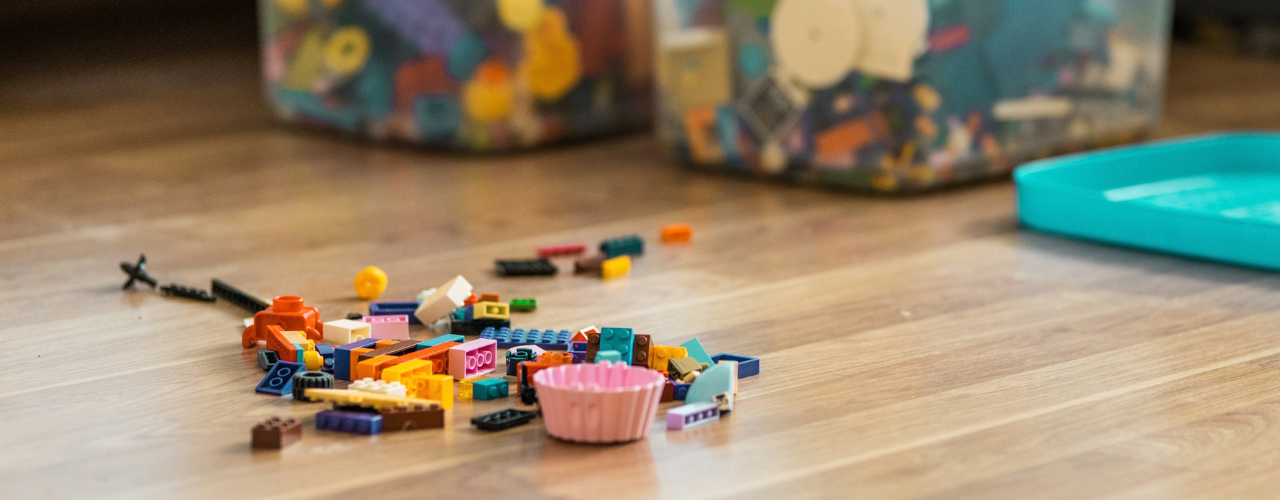
How to Store LEGOs: All the Fun, None of the Clutter
How to store LEGOs largely comes down to how your household uses them. If the bricks are part of everyday play, you need a setup that keeps them within easy reach and makes cleanup quick (for your feet’s sake, at least). Toy storage(opens in new tab) such as simple bins, playmats or containers that children can put away themselves may be enough. Larger or more serious collections usually need more organization, such as labelled drawers for loose pieces, trays for unfinished builds, shelves for completed models and separate storage for retired sets.
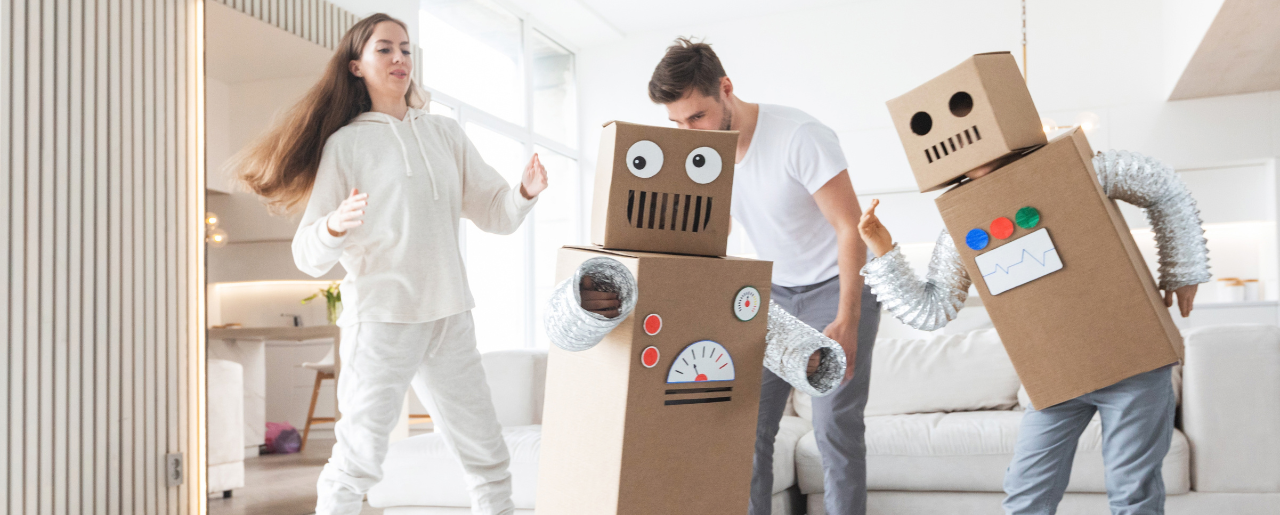
Cardboard Costume Guide: Tips and Ideas for a DIY Halloween
Whether for kids or adults, cardboard costume ideas often make the biggest splash once materialized, and that’s for a simple reason: doing a lot with a little is a universally impressive feat (especially in this economy). If you don’t have enough boxes you could temporarily repurpose, don’t worry! There are many places where you can find free moving boxes(opens in new tab), from stores and supermarkets to online groups and recycling drop-off spots. On the run? Try your luck at a self storage(opens in new tab) facility that sells moving supplies, often for cheap. This way, you can choose moving boxes of different shapes and sizes(opens in new tab), so you can make your costumes as complex as you want.

How to Celebrate Halloween: 9 Non-Spooky Ways To Enjoy It
As soon as October starts, it’s the official Halloween month. And while for many people it means it’s open season to get the scare of a lifetime, others, especially families with small children, might prefer to celebrate in a tamer way that’s both kid- and adult-friendly. While you’re likely to find more events where the spook factor is high, here’s how to celebrate Halloween in a not-so-scary way:
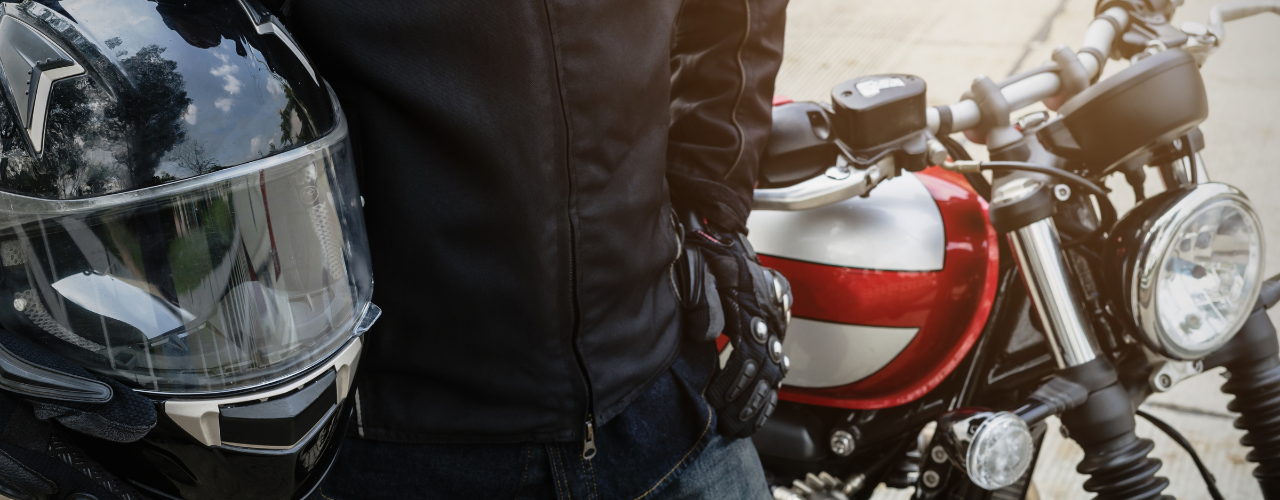
Motorcycle Storage Guide: How to Store Your Bike Safely
Motorcycles may be born to be wild, but eventually even the wild ones need somewhere to park. Whether riding season is winding down or your current living situation comes with plenty of square footage for you and less for your bike, motorcycle storage is one of those parts of ownership that doesn’t get as much airtime as the open road.

Halloween Decorating on a Budget (And Cheap Ideas for Everything Elsee)
Halloween has crept a long way from its eerie origins. While All Hallows’ Eve has transformed through the centuries, it wasn’t until the 1930s that trick-or-treating became a tradition in the U.S. and businesses began conjuring up mass-produced Halloween costumes. Now, Halloween is a monster-sized, billion-dollar industry, with a cauldron full of costumes and decorations ranging from the mainstream to the macabre. But is it all really worth your wallet? Maybe, but we’ll let you in on a little secret: You can keep your Halloween decorating on a budget and save on everything else, too. Take this plan and see it through!

Moving From a House to an Apartment: What to Expect, How to Downsize & How Self Storage Helps
For some, moving from a house to an apartment is a financial decision. For others, it’s about simplifying life. Maybe the kids have moved out and half the house sits empty, or you’re approaching retirement and no longer want to spend weekends on repairs. Or perhaps you’ve been weighing the cost of buying a home and wondering whether renting simply makes more sense right now.
Family Heirlooms Overload: How to Handle Family Inheritance Without Regret
Handling family heirlooms after a loss requires managing legal authority, emotional pressure and practical logistics at the same time, and the order you take them on matters more than most people expect.
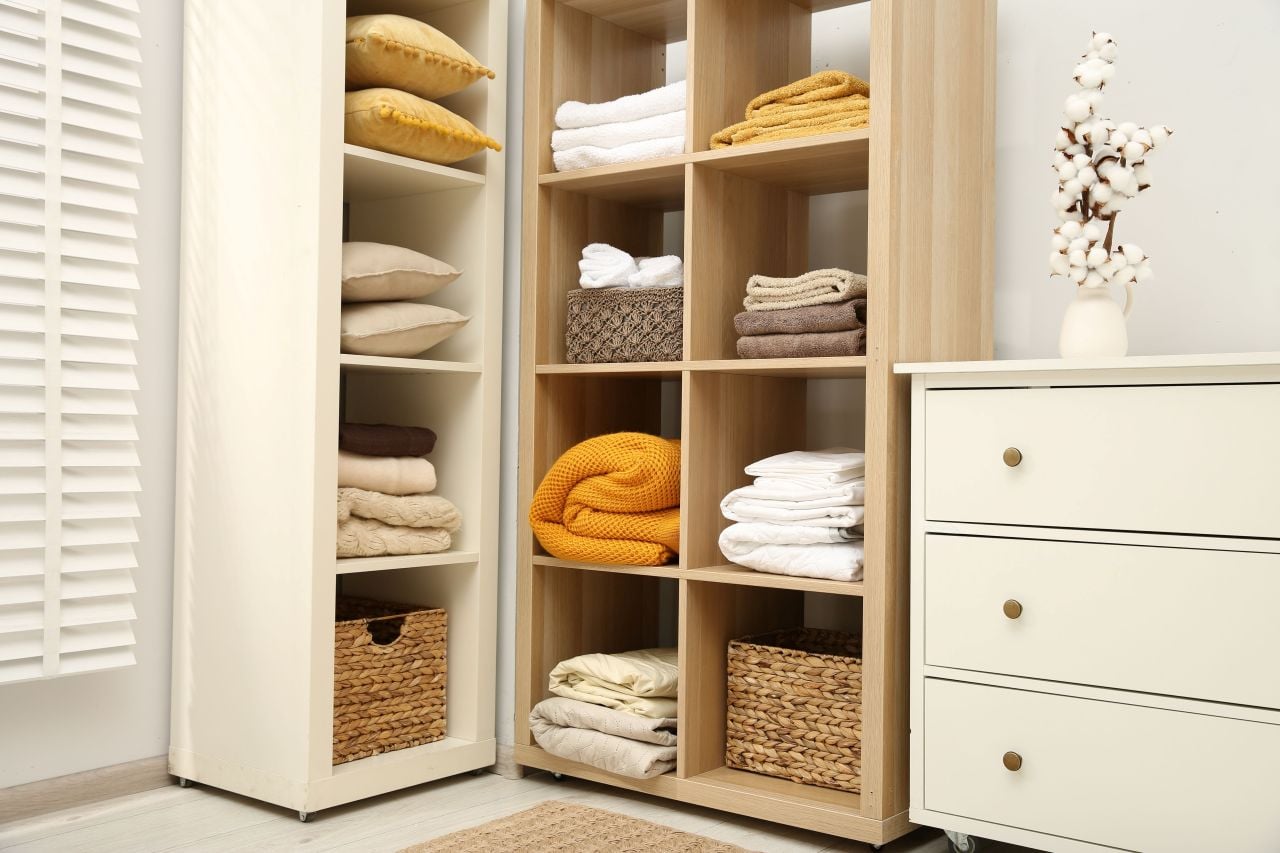
Blanket Storage: The Right Method for Every Space and Season
Blankets make our lives cozier, and storing them well is what keeps them soft and comfortable in the long run. Knowing how to store a blanket properly means your favorites come out of storage smelling fresh, feeling the same as when they went in, and lasting years longer than they otherwise would.
Board Game Storage Ideas That Keep Your Collection in Fighting Shape
Nobody warns you that getting into board games usually unlocks a second hobby, the much dreaded one that includes figuring out where on earth to put them. One game becomes a few, expansions start spawning beside their base boxes and before long, board game storage requires as much strategy as whatever is waiting on the other side of those lids.