

Finding somewhere to donate furniture in NYC is more complicated than it should be. Not every organization accepts large items, pick-up availability is inconsistent, and the options that do exist aren’t always easy to find in one place. If you’re specifically hoping to donate furniture with free pick-up, the list of options gets even shorter.
The good news is that several reliable options exist — charity thrift stores, nonprofit resale shops, and community organizations that offer free pick-up and put donated furniture toward a clear purpose: funding healthcare programs, supporting families in transition, or keeping usable materials out of landfills. Below is a practical guide to where to donate furniture in NYC, what each organization accepts, and how the process works.
City Opera Thrift Shop
- Free pickup with a mission-driven cause
If donating furniture with free pick-up is your priority, City Opera Thrift Shop is one of the most consistent options in NYC.
They offer free pick-up on select days, depending on location and availability. Donors are typically asked to email photos, dimensions and a brief description before scheduling. Furniture must be in good condition and resale-ready.
They accept a range of items, including furniture, rugs, lighting, artwork and décor. Their mission supports the arts, so your donation goes toward a clear community cause.
Big Reuse
- Best for bulk donations and post-renovation cleanouts
Big Reuse operates as both a thrift store and a materials reuse center, with a strong environmental focus. When you donate furniture here, you’re supporting efforts to reduce landfill waste and promote sustainable reuse across New York City.
They accept furniture, working appliances and even building materials or renovation leftovers, which makes them especially useful during larger clean-outs or post-renovation clearances. Pickup is typically reserved for larger-volume donations, while single pieces may require drop-off. If you have multiple substantial items to donate, Big Reuse can be a flexible option.
Housing Works
- Furniture donations are supporting healthcare programs
Housing Works is one of the most well-known furniture donation destinations in NYC. They offer furniture pick-up for qualifying items and use proceeds to fund healthcare and advocacy programs.
They typically accept sofas, tables, dressers and other larger household pieces in good condition. Like most organizations, they require photo submissions and condition approval before scheduling.
Hour Children
- Donated items support women and children
Hour Children operates thrift shops that support women and families rebuilding their lives. They accept furniture, baby items, décor and houseware.
Pickup is available for larger pieces, though details should be confirmed when scheduling.
Vintage Thrift Shop
- Free weekday pickups with local impact
Vintage Thrift Shop is another strong option if you’re looking to donate furniture with free pick-up in NYC. Proceeds from donated items support community programs through the United Jewish Council of the East Side, so your furniture helps fund local services.
They accept furniture, mirrors, rugs, lamps, artwork and houseware, provided items are in good resale condition. Free weekday pick-up is available for qualifying larger donations, with photos typically required before scheduling.
Social media & community groups (fastest local pickup)
- Fastest way to donate furniture locally, no approval process
If your priority is speed, social platforms can often solve the “where to donate furniture near me” question faster than traditional nonprofits. In many cases, neighbors will pick up directly from your curb or building, which effectively means built-in free pickup.
@nycfreeatthecurb (Instagram)
This account reposts furniture and home goods left out for free across NYC. You submit photos and the location, and they share it with a large audience. Items like dressers, small sofas, chairs and tables often get claimed within hours.
There’s no screening process, so this works best for quick turnover rather than formal donation receipts.
@curbalertnyc (Instagram)
Curb Alert NYC focuses on items placed outside for immediate pickup. If you’re on a tight timeline, this is one of the fastest ways to move furniture. You provide clear photos and pickup details, and followers monitor posts actively.
@stoopingnyc (Instagram)
Stooping NYC has a strong following and tends to feature visually appealing or well-kept pieces. Good photos help here.
Buy nothing & local Facebook groups
Neighborhood-based Buy Nothing groups and “Free” Facebook groups operate hyper-locally. You post your item, set pickup instructions and someone nearby claims it. This option works particularly well for small-to-medium pieces and keeps items circulating within your immediate community.
When self storage makes sense before donating
Not every piece of furniture needs to leave your life the moment you run out of space. In NYC, square footage is often the real constraint, not whether an item still has value.
If you’re between leases, downsizing temporarily, or simply not ready to make a permanent decision, a short-term storage unit can act as a practical buffer. It gives you time to coordinate a proper donation, line up a pickup slot, or decide whether a piece belongs in your next home. The average monthly cost of a self storage unit in New York City runs around $257 per month — a reasonable trade-off compared to the cost of replacing furniture you regret giving away.
For wood furniture, antiques, and upholstered pieces, climate-controlled storage is worth considering. Temperature swings and humidity can damage materials over time, and a climate-controlled unit — searchable by feature on StorageCafe — keeps pieces in donation-ready condition until you’re ready to move them along.
Self storage also supports thrift shops, resellers and restorers
There’s another side to the furniture donation ecosystem that often gets overlooked. Organizations where you can donate furniture rely not just on retail space, but on back-of-house storage to sort, stage, and manage incoming inventory. In a dense city, that square footage directly limits how much they can accept at any given time.
The same applies to small furniture restorers, vintage resellers, and independent thrift operators. Many need room for inventory rotation, seasonal overflow or pieces waiting to be refinished, along with tools, supplies, and staging areas that don’t fit in a New York apartment. A self storage unit can cover all of that on a flexible, month-to-month lease, without the cost or commitment of warehouse space.
For nonprofits and small operators alike, self storage is more than a convenience, allowing them to accept more, manage larger pieces, and keep items circulating rather than turning donations away.
FAQs: Donating Furniture in NYC
Here are quick answers to common questions about donating furniture in NYC, including pickup timing, eligibility and tax receipts.
How do I donate furniture in NYC step by step?
Confirm your furniture is clean, stable and in good condition. Take clear photos from multiple angles, including any wear. Then contact the organization of your choice through their online donation form or email.
Most nonprofits review photos before approving pickup. Once approved, you’ll schedule a collection window or arrange a drop-off. If you’re donating multiple pieces, mention that upfront. It can improve your chances of qualifying for free pickup.
How fast can I donate furniture in NYC?
If you’re using a nonprofit that offers free pickup, expect the process to take a few days to a week, depending on availability and approval.
If you need furniture removed quickly, especially during a move, local Buy Nothing groups or NYC curb-alert accounts often result in same-day pickup. These options move fast but don’t provide donation receipts.
What if no one accepts my furniture donation?
If a nonprofit declines your furniture, it’s usually because of condition, size or resale limitations. Mattresses and heavily upholstered pieces are the most commonly turned away.
At that point, you can try neighborhood groups, which are often more flexible. If timing is the issue — for example, you’re moving out before pickup is available — short-term self storage can give you time to coordinate a proper donation instead of rushing into disposal.
Can I claim a tax deduction for donating furniture?
Yes, if you donate to a registered nonprofit organization. Groups like Housing Works, Big Reuse and Vintage Thrift Shop provide donation receipts upon request.
The deductible amount is based on fair market resale value, not what you originally paid. For higher-value pieces, keep photos and documentation in case you need them for tax records.
————————————————–
Donating furniture in NYC doesn’t have to be overwhelming. With the right timing, a bit of preparation and the right organization, your pieces can move from your apartment into someone else’s home instead of into the waste stream. Whether you’re clearing space for a move or simply resetting your living situation, knowing your options makes the process smoother and far more impactful.


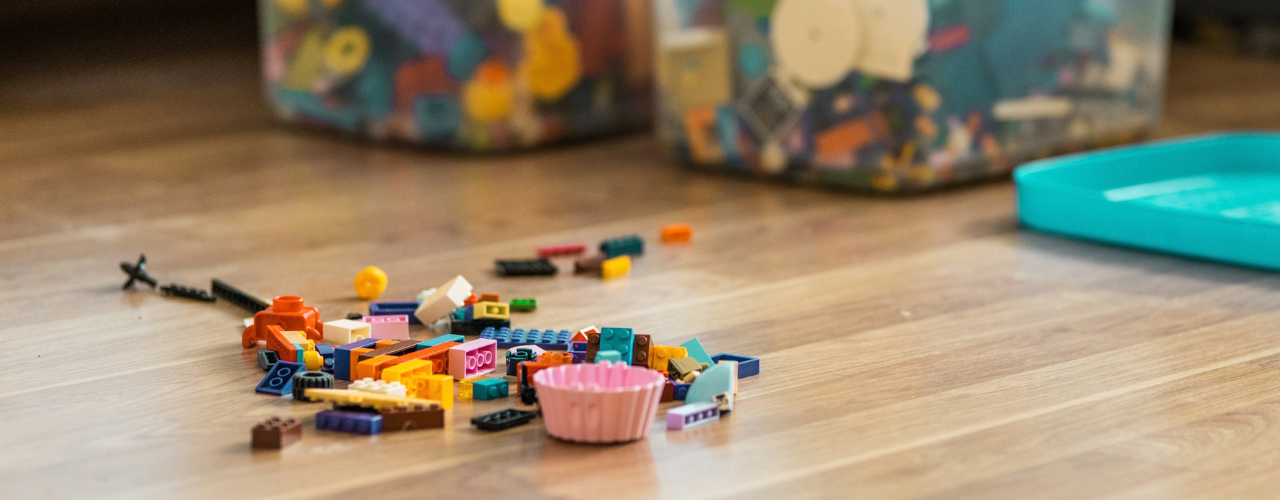
How to Store LEGOs: All the Fun, None of the Clutter
How to store LEGOs largely comes down to how your household uses them. If the bricks are part of everyday play, you need a setup that keeps them within easy reach and makes cleanup quick (for your feet’s sake, at least). Toy storage(opens in new tab) such as simple bins, playmats or containers that children can put away themselves may be enough. Larger or more serious collections usually need more organization, such as labelled drawers for loose pieces, trays for unfinished builds, shelves for completed models and separate storage for retired sets.

Cardboard Costume Guide: Tips and Ideas for a DIY Halloween
Whether for kids or adults, cardboard costume ideas often make the biggest splash once materialized, and that’s for a simple reason: doing a lot with a little is a universally impressive feat (especially in this economy). If you don’t have enough boxes you could temporarily repurpose, don’t worry! There are many places where you can find free moving boxes(opens in new tab), from stores and supermarkets to online groups and recycling drop-off spots. On the run? Try your luck at a self storage(opens in new tab) facility that sells moving supplies, often for cheap. This way, you can choose moving boxes of different shapes and sizes(opens in new tab), so you can make your costumes as complex as you want.

How to Celebrate Halloween: 9 Non-Spooky Ways To Enjoy It
As soon as October starts, it’s the official Halloween month. And while for many people it means it’s open season to get the scare of a lifetime, others, especially families with small children, might prefer to celebrate in a tamer way that’s both kid- and adult-friendly. While you’re likely to find more events where the spook factor is high, here’s how to celebrate Halloween in a not-so-scary way:

Motorcycle Storage Guide: How to Store Your Bike Safely
Motorcycles may be born to be wild, but eventually even the wild ones need somewhere to park. Whether riding season is winding down or your current living situation comes with plenty of square footage for you and less for your bike, motorcycle storage is one of those parts of ownership that doesn’t get as much airtime as the open road.

Halloween Decorating on a Budget (And Cheap Ideas for Everything Elsee)
Halloween has crept a long way from its eerie origins. While All Hallows’ Eve has transformed through the centuries, it wasn’t until the 1930s that trick-or-treating became a tradition in the U.S. and businesses began conjuring up mass-produced Halloween costumes. Now, Halloween is a monster-sized, billion-dollar industry, with a cauldron full of costumes and decorations ranging from the mainstream to the macabre. But is it all really worth your wallet? Maybe, but we’ll let you in on a little secret: You can keep your Halloween decorating on a budget and save on everything else, too. Take this plan and see it through!

Moving From a House to an Apartment: What to Expect, How to Downsize & How Self Storage Helps
For some, moving from a house to an apartment is a financial decision. For others, it’s about simplifying life. Maybe the kids have moved out and half the house sits empty, or you’re approaching retirement and no longer want to spend weekends on repairs. Or perhaps you’ve been weighing the cost of buying a home and wondering whether renting simply makes more sense right now.
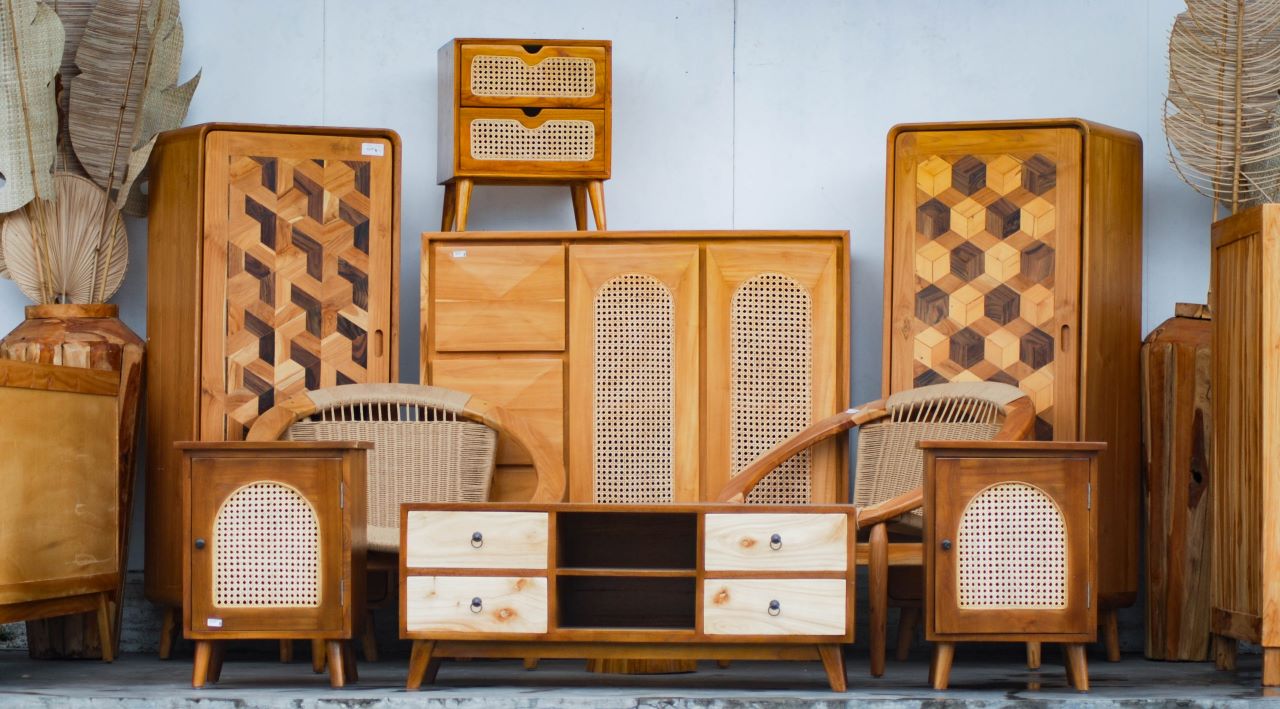
Family Heirlooms Overload: How to Handle Family Inheritance Without Regret
Handling family heirlooms after a loss requires managing legal authority, emotional pressure and practical logistics at the same time, and the order you take them on matters more than most people expect.
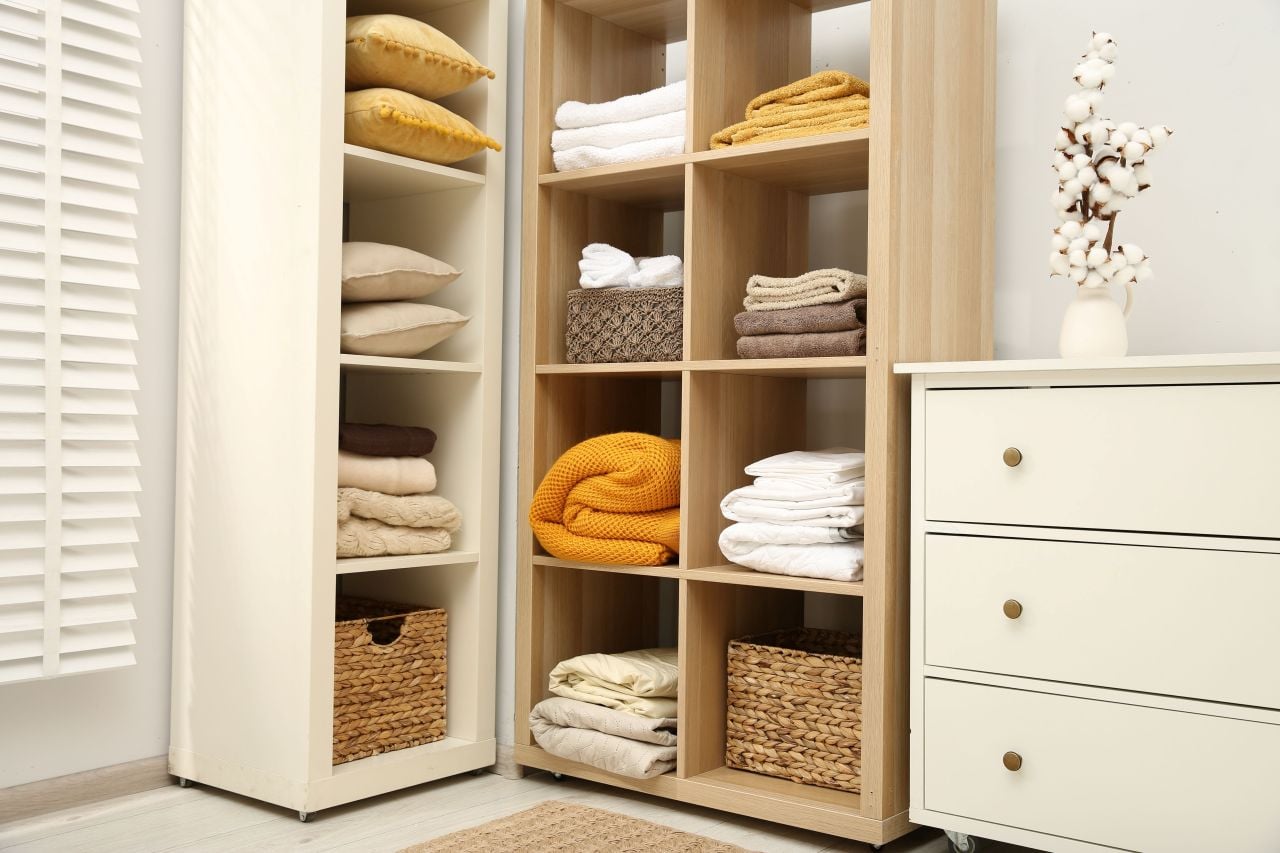
Blanket Storage: The Right Method for Every Space and Season
Blankets make our lives cozier, and storing them well is what keeps them soft and comfortable in the long run. Knowing how to store a blanket properly means your favorites come out of storage smelling fresh, feeling the same as when they went in, and lasting years longer than they otherwise would.

Board Game Storage Ideas That Keep Your Collection in Fighting Shape
Nobody warns you that getting into board games usually unlocks a second hobby, the much dreaded one that includes figuring out where on earth to put them. One game becomes a few, expansions start spawning beside their base boxes and before long, board game storage requires as much strategy as whatever is waiting on the other side of those lids.