

Moving to another state is a logistic challenge. Packing your entire home, uprooting your life and relocating to a new place, hundreds or thousands of miles away from your current location, is bound to create all sorts of issues. What you need is a step-by-step plan to help you organize your move to another state and to avoid the most common problems associated with moving to another state. Here are some crucial moving considerations , how to stay on top of things and experience the smoothest, no-headaches move.
1. Start preparations early on
Long distance moves are usually decided upon months in advance – so make the most of the time you have and start preparations early on, at least four weeks prior to moving day. Here are a few things you need to do ahead of time:
- Prepare a moving calendar: Have you found an apartment? Jot down the address and the planned move-in date. Any formalities left to do to complete the purchase or lease of your new home? How long does it take you to get to your new home? This will be useful knowledge to have at hand when you start asking for quotes from moving companies.
- Next, cancel subscriptions and services or move them from your old home to your new one. Consider all services you’re using and any related subscription information, decide which ones you still want and can keep at your next location and arrange transfer or cancellation.
- Then, research the best routes for driving to your new home. Getting lost on the way or choosing the most crowded routes may well delay your plans.
- And finally, get quotes from moving companies and truck rental companies to see what your options are. If you get offers from three moving companies, that should be enough to let you decide which one is best for your needs and budget.

This first planning step is crucial in determining how the whole moving adventure will go. The more tasks you manage to accomplish ahead of time, the easier the entire process becomes.
2. Decide on things to pack and things to leave behind
Probably the most time-consuming part of moving to another state is going through all your things and deciding what to pack and what to leave behind. The more stuff you have, the more expensive the move will be, whether you’re planning to use a moving company or simply to rent a moving truck. However, you’ll still need at least some of your clothes, furniture, appliances and so on – buying everything new is a huge financial commitment that most people can’t afford.
It’s mostly a balancing act – pack the items you definitely need, and sell, donate, or discard the rest. The rule of thumb, for clothes, is to give up on all the items you haven’t worn in a year. However, when moving long-distance, you also need to take into account climate and weather. Maybe you’re moving to a warmer region, for example, in which case you’ll want to pack most of your summer clothes, regardless of how often you had worn them in the past.
Furniture and appliances take up a lot of space in a moving truck, so ponder carefully what to pack and what not to. High-quality wooden furniture is worth transporting, as well as appliances that are almost new, or in really good shape. However, cheap, flat-pack furniture that you have already assembled and disassembled multiple times is usually not worth the trouble of transporting long-distance. You’re probably better off selling it online and buying new stuff at your destination.
It’s crucial to ensure that the furniture and the appliances you want to keep will fit into your new home. Measure them all carefully, with a plan of your new home at hand, and find a place for each piece you intend to bring along.
3. Rent a storage unit close to your new home
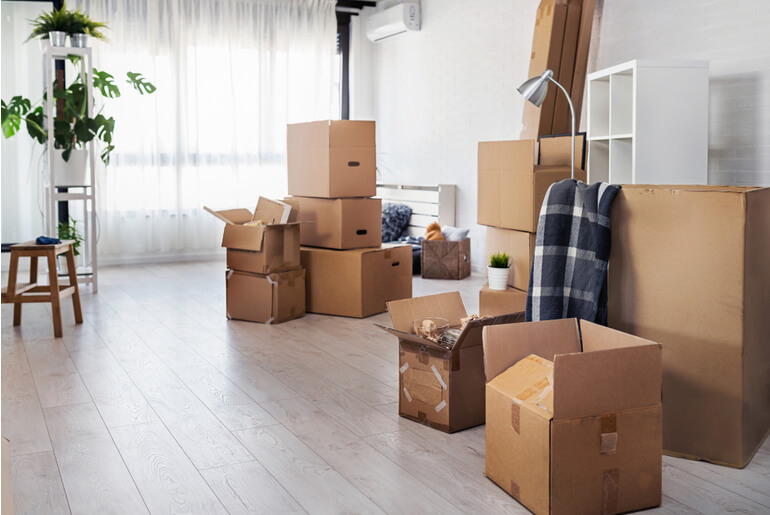
Pack first the things you need less – out-of-season clothing, books, artwork and so on. As you pack all that stuff, it’s a great idea to also start shipping boxes prior to moving day. Search for a storage unit located as close as possible to your new home and send your stuff over. This way, you’ll have less hassle and fewer boxes to deal with by the time the actual moving day arrives. Include those things that you don’t use frequently but that still come in useful on particular occasions, such as ski equipment, fishing gear or camping equipment, and Halloween costumes or holiday decorations.
As you consider the logistics of your long-distance move, exploring options for consolidated shipping could provide significant savings and efficiency. By bundling your shipment with others, you can optimize deliveries, ensuring your belongings arrive securely and cost-effectively to your new state.
4. Moving company or DIY move? Your choice but make an informed decision
You have a choice between hiring a moving company or managing all the aspects of the move yourself. Each option has its advantages and disadvantages. While using a moving company saves you some trouble, the cost is obviously higher than in the case of a DIY move. For example, the average cost of moving from Oregon to California with the help of a moving company is somewhere around $3,700 to $4,100.
At the same time, truck rental rates for a northeast to southeast move hover around $1,000 to $1,500, so it’s definitely cheaper. Obviously, you need to add to that the cost of fuel and other expenses that might occur while on the road, but, normally, renting a moving truck is considerably cheaper than hiring a moving company. Ultimately, it comes down to whether you have the time to manage a DIY move and whether you’re comfortable driving a large truck across the country. Another important consideration is how to get your personal car to your new home, if you’re driving the moving truck. There are specialized companies such as J&S Transportation that will take care of the task on your behalf and will transport your car safely, wherever you need it to be.

Sometimes, DIY moves can be more cost-effective but some costs can simply not be avoided, and it’s much harder to keep everything under control when you’re on your own. Just be sure you make an informed decision about moving on your own or hiring professional help.
5. Learn as much as possible about your destination
Doing proper research on your destination is particularly important especially when moving to a place you don’t know a lot about, or when moving sight-unseen. Local insight is priceless – check out local online platforms, news media, or social media pages to get a sense of how your life will be once you move. You can find lots of useful and interesting bits of information this way – the best schools, the most desirable neighborhoods, what restaurants are most appreciated by locals, how to spend your free time, and so on.
Long-distance moves are definitely no piece of cake; however, with the right organizing, there’s no reason why yours shouldn’t go smoothly.



Storage Ideas for Small Spaces: 9 Ways to Max Out Your Home
A messy home contains the seeds of its organization. Those seeds are everywhere: the space above doors, under beds, behind sofas and inside furniture can all become storage. Here are the best storage ideas for small spaces, so you can make the most of your cozy home.
How to Organize Your Bathroom: 8 Ways to Stay Tidy
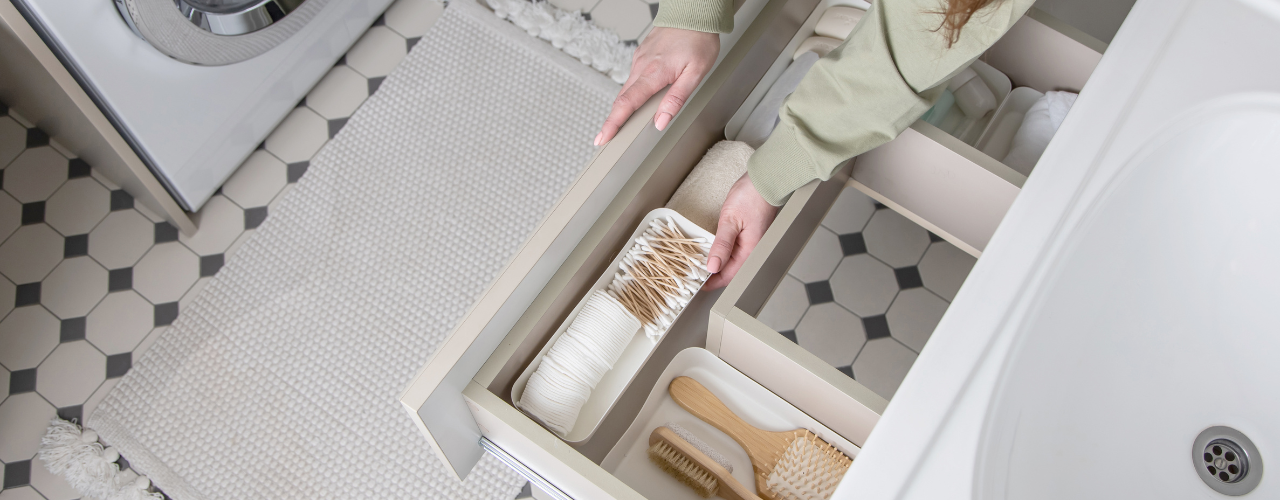
You already know why an organized bathroom is worth the effort, but let us remind you: it makes rushed mornings easier, keeps counters cleaner and just helps get you in the mood to go through your skincare routine like you should. Plus, in bigger households, it helps everyone find what they need. And you know how much a tidy bathroom counts for your self-esteem when a guest or a partner shows up. Luckily, you don’t need a degree to know how to organize your bathroom. The secret is keeping less, giving every item a home and making that home simple to use. Let’s go through some practical steps can help you create a bathroom that stays functional and nice to look at.

Best U.S. Cities to Live Uncluttered: Plano, TX, Offers the Most Room to Breathe
Clutter is in our homes as much as in our heads. Both are shaped by where we live.

How to Use Silica Gel Packets for Storage
Moisture can cause significant damage to items in storage, leading to rust on tools, mold on clothing and warping in documents. Silica gel uses science to fix that. Often found in small packets inside product packaging, silica gel is a desiccant that absorbs moisture from the air, keeping your stored items dry and protected. This guide explains what silica gel is, how it works and how you can use it to preserve your belongings in self storage.

Where to Find Moving Boxes in Los Angeles
Moving in Los Angeles is its own thing, and figuring out where to get moving boxes sorted is just the start of everything you’ll need to organize before moving day.
10 Best Places to Donate Books in Philadelphia
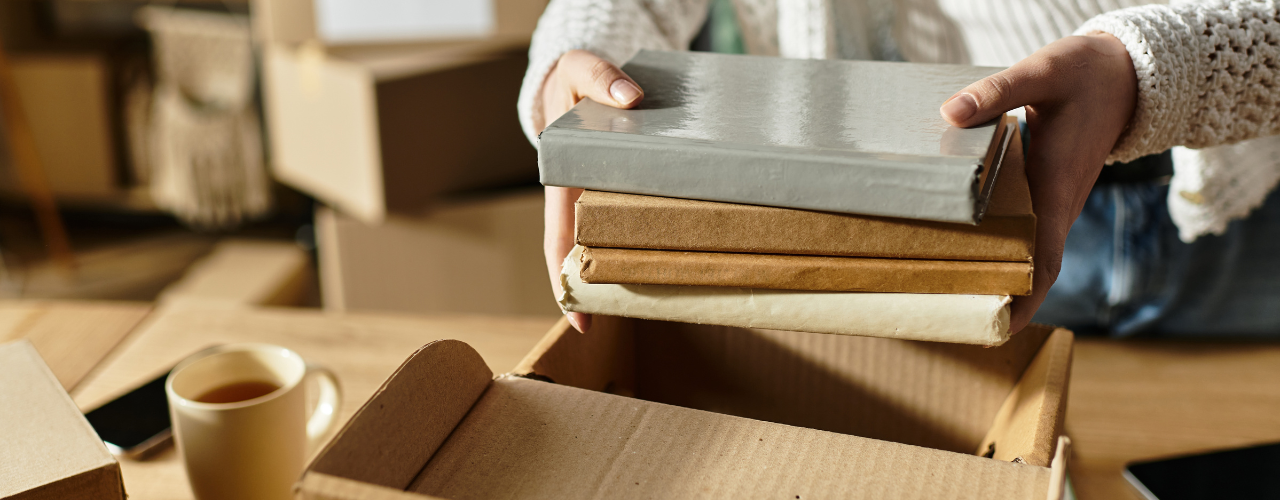
Did you know Philadelphia’s book-sharing roots go back to 1731? Benjamin Franklin and The Junto Club gathered their personal collections into a shared library, thus sparking a tradition of pooling knowledge for the common good. Today, you can carry on that spirit by donating books to local organizations and free libraries.

How to Sell Furniture (For Quick Deals and Side-Hustles)
Selling used furniture can be quick, profitable and even rewarding if you know where to list, how to present your pieces and what buyers are looking for. Just a tiny bit of patience and some good planning will take you a long way. This guide covers everything you need to sell your furniture efficiently and safely, for the best possible price.
1 in 4 Americans Rent Self Storage — and the Next Wave Is Already Coming
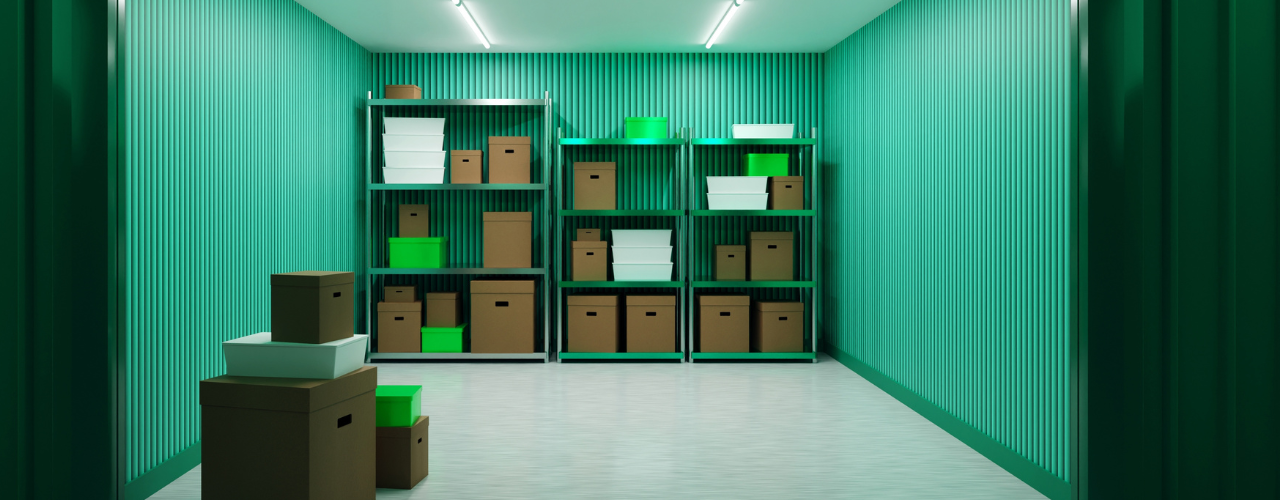
About one in four Americans is already using self storage and just as many are actively searching for a unit online right now. Across the 150 largest U.S. cities, self storage searches rose 23% year-over-year in 2025 — nearly triple the growth recorded the previous year, up from around 8% in 2024.
Where to Donate Furniture in Philadelphia
Philadelphia has a strong tradition of giving back, and donating furniture is a practical way to support local charities while freeing up space in your home. Whether you’re downsizing, moving, or just decluttering, there are plenty of organizations ready to take your gently used furniture. And if you’re not ready to part with certain pieces just yet, self-storage can buy you time to decide.