

There are still a few good weather days until the winter truly sets in, but diligent gardeners in Midwest know that preparations for the cold season should already be underway. Whether you’re growing veggies, herbs, flowers, or all of the above, here are the main operations that should be happening in your garden this fall.
1. Harvest Your Autumn Bounty
Days are still warm, but the first frost of the season is near! You don’t want your veggies, fruit or herbs to be compromised, so harvest everything that’s edible now. Some plants, like tomatoes or zucchini, are particularly sensitive to cold, while root veggies (carrots, potatoes) can take a little bit of frost. However, now it’s the moment to pick, store and preserve your harvest. In the Chicago area, for example, you’re risking frost beginning in mid-October, so protect your delicious veggies from getting spoiled by the cold. Crops such as potatoes, carrots, apples, pumpkins or even peppers last for months if kept in cool, dark spaces.
2. Clear the Ground
At least a part, if not most, of your plants completed their life cycle by now. Clear the ground from all spent plants – not only are they unsightly but might also harbor pests and fungi. Bury healthy garden debris in the ground or put them in your compost bin – adding organic matter to soil improves its fertility and condition However, if the plants had any type of disease, throw them in the garbage or burn them. Otherwise, the diseases and funguses will infest your baby plants the following spring.
A great tool for gardening in areas with long, cold winters, like Chicago, is a garden shredder. You can shred all your clippings from trees and bushes and create mulch that protects the soil and keeps nutrients inside during the cold season. Worried that you won’t have space to store it? Get a storage unit close to your Chicago home and keep all your gardening equipment safe and in one place.
3. Out with the Weeds
Weeds are unfortunately more resilient than crops and don’t die out early in the autumn. It’s important to clear them now before all their seeds get into the ground. Dig up all the weeds and don’t make the rookie mistake of adding them to your compost. Seeds will stay viable through the winter and, the following spring will sprout all over again. Off to the trash with the weeds or put them into your autumn burn pile.
4. Tend to the Flowers
Clear the flowerbeds of all the dead plants. Prune out dead or damaged rose stems and shorten the remaining ones. If you live in an area with particularly cold winters, bury the rose shrubs under a layer of soil until spring. Pay attention to bulbs, too. Dig carefully in the areas where the flowers bloomed – it’s trickier with spring bulbs because the stems are long gone. Do it slowly, loosening the soil and trying to avoid damaging the bulbs. Divide and transplant the bulbs in other areas of the garden. Not separating bulbs leads to less blooming (or no blooming at all) in the spring.

5. Prepare the Soil
Once you harvested and cleared the ground from old plants and weeds, it’s time to prepare the soil for next spring. Fall is the ideal season for digging up your garden and adding soil amendments like compost, manure or phosphate. The nutrients will have time to break down and enrich the soil until spring.
6. What About the Lawn?
Your lawn requires a little bit of attention in the autumn too. Rake it thoroughly to remove the underlayer of dead grass and moss. If there are anthills, or other bumps or irregularities, flatten them out, then aerate your lawn to allow more air, nutrients, and water to get to the grass roots. Aerating means spiking the lawn with a special tool – usually a roller covered in spikes. The last step is to apply a lawn weed killer (to avoid a lawn full of weeds in the spring) and a fertilizer high in potash and phosphates, to protect the grass during the cold months.
7. Care for your Tools
When living in areas with heavy Midwest winters, such as Indianapolis, you should also take extra care of your gardening tools and accessories. Clean them of debris and rust, sharpen and oil them with light machine oil, and store them somewhere dry until next spring. Do the same with your lawnmower, leaf blower or branch shredder. Ceramic flowerpots should also be cleared of soil and stored inside to be protected from frost-defrost cycles.
If your garage is too small for all your gardening paraphernalia, getting a storage unit in Indianapolis really pays off. Most gardening tools are quite expensive, and it makes sense to keep them in good shape and in a controlled environment.
8. Get Some Plants Inside
Autumn’s first frost will be here soon, and you’re sad because your beautiful pepper and tomato plants, and your fragrant, delicious herbs won’t survive. There’s a solution to this problem: select the healthiest and the youngest plants, transplant them into pots, and bring them inside. A pepper plant can live for a few years in a pot (especially hot peppers), and herbs regrow after harvest. Bringing outdoor plants in provides fresh produce and greenery to get you through a long Midwest winter.
Don’t forget about the most important autumn garden activity: building a huge pile of leaves and throwing yourself in it!


How to Store LEGOs: All the Fun, None of the Clutter
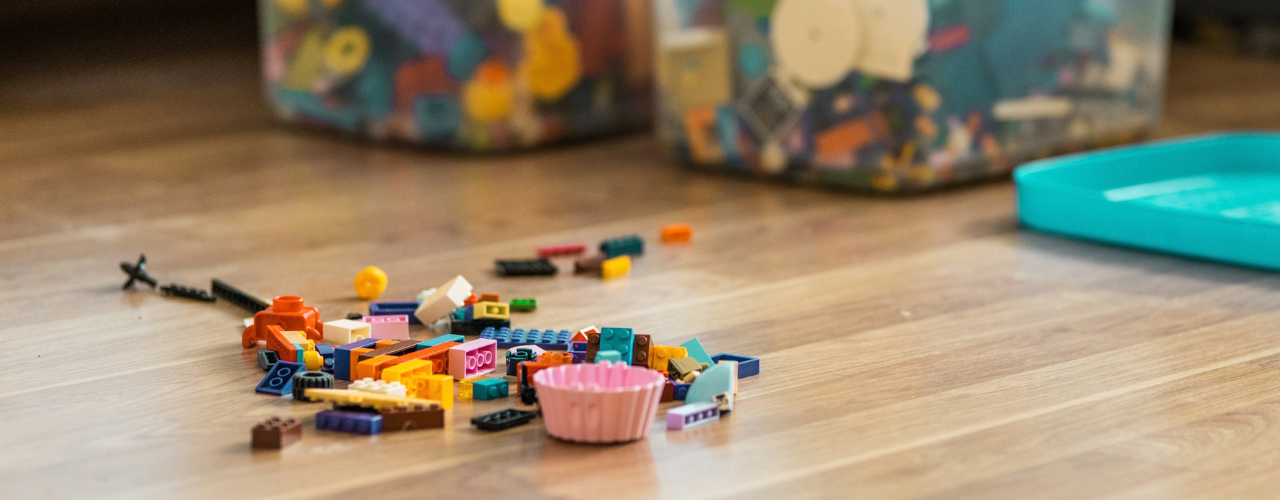
How to store LEGOs largely comes down to how your household uses them. If the bricks are part of everyday play, you need a setup that keeps them within easy reach and makes cleanup quick (for your feet’s sake, at least). Toy storage(opens in new tab) such as simple bins, playmats or containers that children can put away themselves may be enough. Larger or more serious collections usually need more organization, such as labelled drawers for loose pieces, trays for unfinished builds, shelves for completed models and separate storage for retired sets.

Cardboard Costume Guide: Tips and Ideas for a DIY Halloween
Whether for kids or adults, cardboard costume ideas often make the biggest splash once materialized, and that’s for a simple reason: doing a lot with a little is a universally impressive feat (especially in this economy). If you don’t have enough boxes you could temporarily repurpose, don’t worry! There are many places where you can find free moving boxes(opens in new tab), from stores and supermarkets to online groups and recycling drop-off spots. On the run? Try your luck at a self storage(opens in new tab) facility that sells moving supplies, often for cheap. This way, you can choose moving boxes of different shapes and sizes(opens in new tab), so you can make your costumes as complex as you want.

How to Celebrate Halloween: 9 Non-Spooky Ways To Enjoy It
As soon as October starts, it’s the official Halloween month. And while for many people it means it’s open season to get the scare of a lifetime, others, especially families with small children, might prefer to celebrate in a tamer way that’s both kid- and adult-friendly. While you’re likely to find more events where the spook factor is high, here’s how to celebrate Halloween in a not-so-scary way:

Motorcycle Storage Guide: How to Store Your Bike Safely
Motorcycles may be born to be wild, but eventually even the wild ones need somewhere to park. Whether riding season is winding down or your current living situation comes with plenty of square footage for you and less for your bike, motorcycle storage is one of those parts of ownership that doesn’t get as much airtime as the open road.

Halloween Decorating on a Budget (And Cheap Ideas for Everything Elsee)
Halloween has crept a long way from its eerie origins. While All Hallows’ Eve has transformed through the centuries, it wasn’t until the 1930s that trick-or-treating became a tradition in the U.S. and businesses began conjuring up mass-produced Halloween costumes. Now, Halloween is a monster-sized, billion-dollar industry, with a cauldron full of costumes and decorations ranging from the mainstream to the macabre. But is it all really worth your wallet? Maybe, but we’ll let you in on a little secret: You can keep your Halloween decorating on a budget and save on everything else, too. Take this plan and see it through!

Moving From a House to an Apartment: What to Expect, How to Downsize & How Self Storage Helps
For some, moving from a house to an apartment is a financial decision. For others, it’s about simplifying life. Maybe the kids have moved out and half the house sits empty, or you’re approaching retirement and no longer want to spend weekends on repairs. Or perhaps you’ve been weighing the cost of buying a home and wondering whether renting simply makes more sense right now.

Family Heirlooms Overload: How to Handle Family Inheritance Without Regret
Handling family heirlooms after a loss requires managing legal authority, emotional pressure and practical logistics at the same time, and the order you take them on matters more than most people expect.
Blanket Storage: The Right Method for Every Space and Season
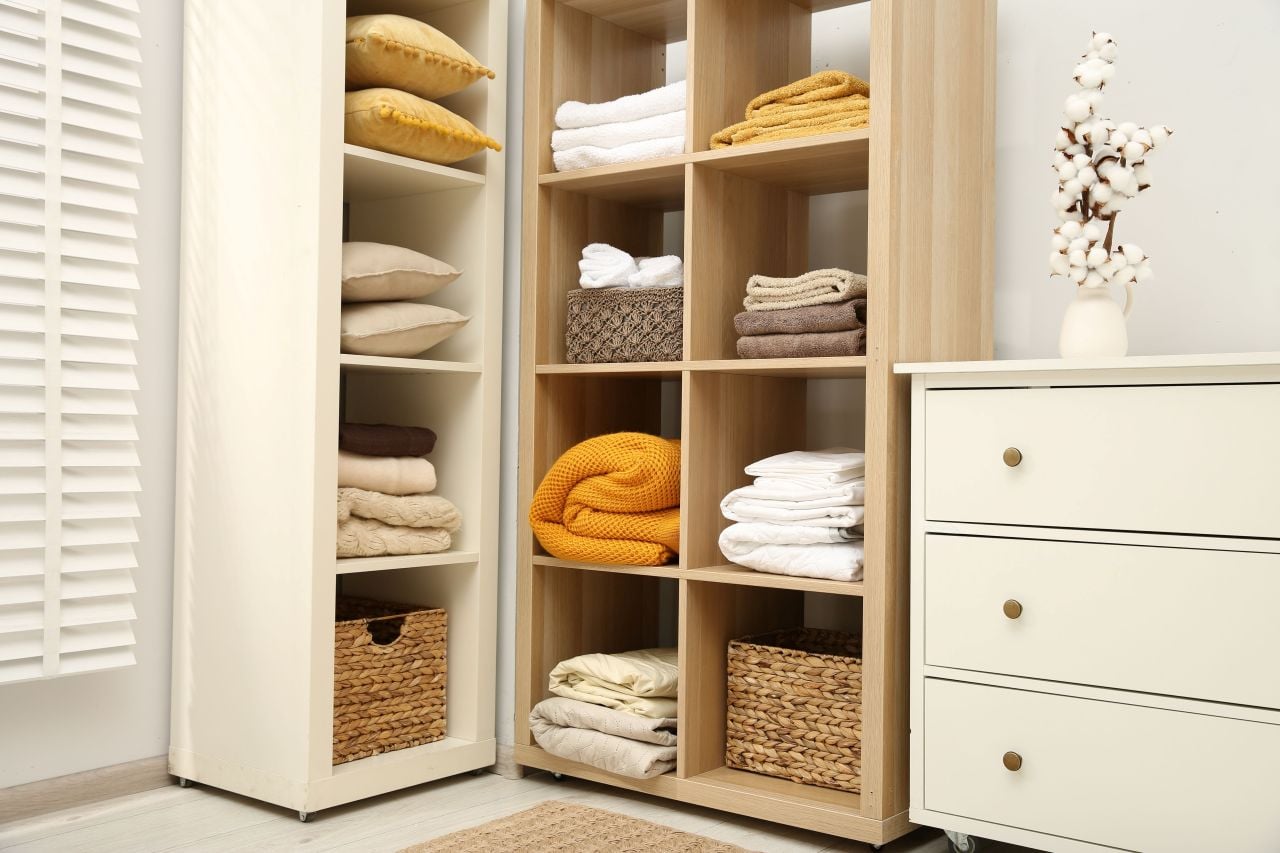
Blankets make our lives cozier, and storing them well is what keeps them soft and comfortable in the long run. Knowing how to store a blanket properly means your favorites come out of storage smelling fresh, feeling the same as when they went in, and lasting years longer than they otherwise would.

Board Game Storage Ideas That Keep Your Collection in Fighting Shape
Nobody warns you that getting into board games usually unlocks a second hobby, the much dreaded one that includes figuring out where on earth to put them. One game becomes a few, expansions start spawning beside their base boxes and before long, board game storage requires as much strategy as whatever is waiting on the other side of those lids.