

Some people like to change their lifestyles every once in a while. Being in the city has its perks — you’re close to stores, hospitals, schools and other amenities. However, if you’re planning on having a bigger family or just need some space to move around in, you might be considering moving to the suburbs.
Plus, many companies have offered remote working positions because of COVID-19, which means you might need room for a home office. In fact, during the first six months of the pandemic, nearly 16 million people moved out of the city and into the suburbs. Here are eight questions to ask before you make that move.
1. Where should I go?
The first question considers where you should go if you’re moving out of the city. However, there are more considerations involved in this, such as if you want to live in a big or a small town, be near parks or wilderness areas, and other things that revolve around the word “where.”
There are benefits with any suburb that you might find, so search for a neighborhood that suits your needs. For example, if you have children, you might want a kid-friendly community or one that’s near a school. In this phase of the decision-making process you need to sit down and write out all the essential things to have in the place you will be moving to.
2. Why am I leaving the city?
What are your reasons for leaving the city? The thought of moving to a suburb may be appealing, but there’s probably an underlying reason why you’re considering leaving your current home. Perhaps you want to get away from the hustle and bustle, or maybe you want to have a big backyard. If you’ve purchased a lot of plants for indoor gardening during the pandemic, you might need more space to make a greenhouse for them.
Whatever your reasoning, make sure this is a good decision for you and your family.
3. Will I still be close to amenities?
Proximity to things that you need for your daily life is pretty close in most cities. Within a few blocks, you likely have access to multiple restaurants, grocery stores, health care facilities and your workplace.
Consider the distances to the places you need to visit before choosing a suburb to live in, and ensure you will have the necessary transportation. You should think about the amount of time you’re willing to spend driving to get to those spots.
4. When should I move?
There’s no real “right” time to move out of the city and into the suburbs. If you don’t have kids to worry about or are not moving because of a job, you can go any time you like. However, if you have children, you may want to consider how a move will affect their lives.
Kids who are toddlers or younger probably won’t even notice you’re moving. They’ll see you’re in a different home, but they may not have school friends or be involved in regular activities quite yet. Once they’re school-aged, it could be more difficult for them to leave the friends they’ve made at school in the city.
5. Is the community safe?
You want to find a safe community to live in when you move to the suburbs. If you hire a real estate agent or talk to others within the community, you can get a good sense of how safe it is.
In addition to safety, you might want a community where you have peace and quiet. City life generally features loud sounds every day, with traffic and other events. However, some suburbs can also be noisy, so ensure you’re going to a quieter community if that’s something you’re seeking.
6. Will my kids be able to get involved in the community?
There’s always something to do in the city. There are so many parks and activities going on for kids, so you know they can get involved in the community. What about activities in the suburbs, though?
Proximity to entertainment options will be further away in the suburbs, but there are still things for your children to do. Check with other parents in the neighborhood or see what kinds of programs your child’s school offers.
7. Can I keep my job?
Another great question to ask yourself before moving is whether or not you can keep your job. Many people have been able to keep their jobs and work remotely during the pandemic. However, that’s not always the case. You might have chosen to live in the city near your job to keep commuting times and costs low.
Check with your employer to see if remote work is an option for you. If so, then you should have no problem moving to a suburb. If you cannot work from home, consider what your commute would be like if you lived elsewhere.
8. Do I have the finances to move out of the city?
You need to ensure you have the financial ability and resources to move. Generally, living in the city is more expensive than elsewhere, whether you rent an apartment or have a mortgage. However, it’s still beneficial to look at local housing markets and other expenses you’ll have to pay once you’re out of the city.
When you have your own house in the suburbs, you often have more responsibility. You have to take care of the lawn, fix leaky taps, and do other household chores. Additionally, purchasing a home in the suburbs is a major financial decision. Consider the cost of living before moving out of town.
 Are you ready to make the move to the suburbs?
After answering the questions above, do you feel like you’re ready to move to the suburbs? Moving is a big decision, and there are many important factors to consider. Your lifestyle, work commute, budget and preparedness are all major aspects.
Leaving the city can be bittersweet, but there is so much to enjoy about suburban life. Make the most of it!
Author Bio: Rose Morrison is the managing editor of Renovated as well as a home improvement and organization writer. You can see more of her work by checking out her Twitter.



Moving From a House to an Apartment: What to Expect, How to Downsize & How Self Storage Helps
For some, moving from a house to an apartment is a financial decision. For others, it’s about simplifying life. Maybe the kids have moved out and half the house sits empty, or you’re approaching retirement and no longer want to spend weekends on repairs. Or perhaps you’ve been weighing the cost of buying a home and wondering whether renting simply makes more sense right now.

Family Heirlooms Overload: How to Handle Family Inheritance Without Regret
Handling family heirlooms after a loss requires managing legal authority, emotional pressure and practical logistics at the same time, and the order you take them on matters more than most people expect.
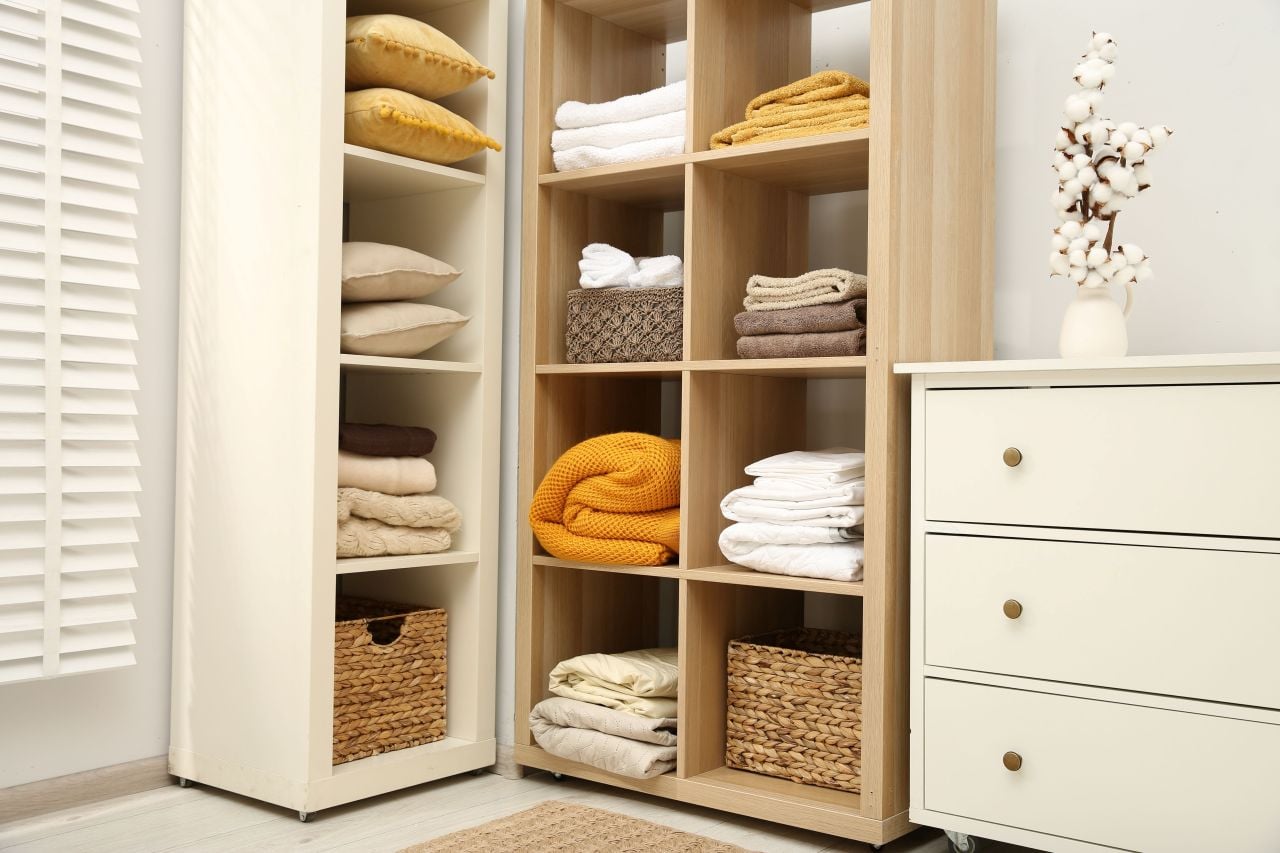
Blanket Storage: The Right Method for Every Space and Season
Blankets make our lives cozier, and storing them well is what keeps them soft and comfortable in the long run. Knowing how to store a blanket properly means your favorites come out of storage smelling fresh, feeling the same as when they went in, and lasting years longer than they otherwise would.

Board Game Storage Ideas That Keep Your Collection in Fighting Shape
Nobody warns you that getting into board games usually unlocks a second hobby, the much dreaded one that includes figuring out where on earth to put them. One game becomes a few, expansions start spawning beside their base boxes and before long, board game storage requires as much strategy as whatever is waiting on the other side of those lids.

Storage Locker vs. Storage Unit: What’s the Difference?
A locker and a unit may sound like two names for the same four walls and a lock, and depending on the storage facility, you may even see the terms used that way. However, once you start comparing available spaces, storage lockers tend to occupy the smaller end of the spectrum, while storage units(opens in new tab) give you considerably more room to work with.

Storage Ideas for Small Spaces: 9 Ways to Max Out Your Home
A messy home contains the seeds of its organization. Those seeds are everywhere: the space above doors, under beds, behind sofas and inside furniture can all become storage. Here are the best storage ideas for small spaces, so you can make the most of your cozy home.

Best U.S. Cities to Live Uncluttered: Plano, TX, Offers the Most Room to Breathe
Clutter is in our homes as much as in our heads. Both are shaped by where we live.
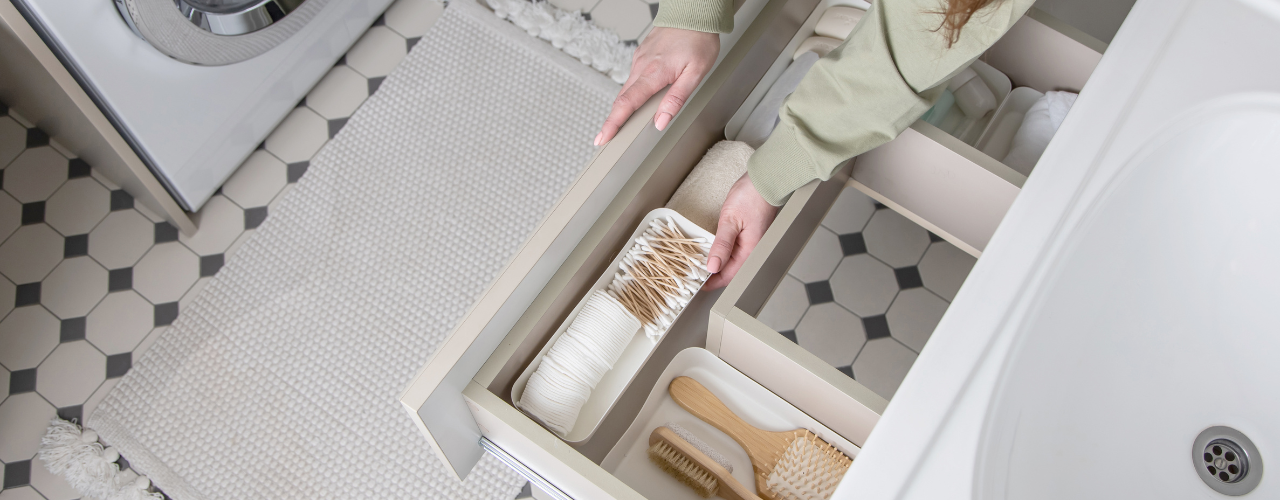
How to Organize Your Bathroom: 8 Ways to Stay Tidy
You already know why an organized bathroom is worth the effort, but let us remind you: it makes rushed mornings easier, keeps counters cleaner and just helps get you in the mood to go through your skincare routine like you should. Plus, in bigger households, it helps everyone find what they need. And you know how much a tidy bathroom counts for your self-esteem when a guest or a partner shows up. Luckily, you don’t need a degree to know how to organize your bathroom. The secret is keeping less, giving every item a home and making that home simple to use. Let’s go through some practical steps can help you create a bathroom that stays functional and nice to look at.

How to Use Silica Gel Packets for Storage
Moisture can cause significant damage to items in storage, leading to rust on tools, mold on clothing and warping in documents. Silica gel uses science to fix that. Often found in small packets inside product packaging, silica gel is a desiccant that absorbs moisture from the air, keeping your stored items dry and protected. This guide explains what silica gel is, how it works and how you can use it to preserve your belongings in self storage.