

Maintaining your lawn helps to increase your home’s curb appeal. This project comes with lots of different tools. In the winter, you may want to store them away, and keeping them organized can make landscaping easier. Here are some tips for sorting out your tools in time for summer.
1. Repurpose an old mailbox
If you have an old mailbox just lying around, this can be used to store your tools. It is an easily accessible space but still out of the way. Using a rundown mailbox is a great way to save money on storage accessories, you can even add a coat of paint to spruce it up.
When repurposing your mailbox, follow these steps:
- Clean it out
- Spray paint it
- Add decorations to the outside
- Place fabric on the inside
- Stick it into the ground
2. Use a makeshift tool bucket
You probably have old paint cans or large buckets around your house. These also come with lids to protect your tools from outside elements. Use multiple buckets to help organize your tools into specific categories. For example, you could separate your digging implements from your pruning tools.
Here are some of the other categories of tools you could consider:
- Edging
- Lawn care
- Planting
- Spraying
3. Build a shed
If you like home improvement projects, this one can be super useful. A shed can protect your gardening tools from the elements. It also allows you to conveniently store everything in one place, and it can keep unsafe equipment under lock and key. This is especially beneficial if you have young children running around the yard.
If you’re building the shed yourself, consider these building tips:
- If you have a sloped site, build on posts
- Use a concrete slab for the floor
- Be precise with shed wall and floor measurements
- Build shed roof trusses
- Install siding before raising shed walls
4. Use old wood pallets
Wooden pallets can help keep your tools organized, and in an upright position where this is important. While they are easy to grab, they won’t fall forward if someone passes by. The wooden material also requires little maintenance.
Here are some other benefits of using wooden pallets for storage to consider:
- They are strong
- They are reusable
- They are cost-efficient
- They are environmentally friendly
5. Hang some hooks
Hooks are a convenient way to store your landscaping implements and to keep them separate. Consider using hooks for wrapping your garden hose around and also for keeping your tools away from surface areas. This can make your space feel less cluttered.
Here are some of the different types of hooks you can use:
- S-shaped
- Peg style
- Utility
- Over-the-door
- Removable
6. Build racks into your fence
Tool racks help keep your shovels off the ground, and since your tools are now lined up they are easy to access. Tool racks also take up minimal space but can hold a lot, and so they are a good idea if you don’t have a shed. This way, your rakes and so on are out of the way of anyone walking around your backyard.
When building your tool rack, follow these five easy steps:
- Decide on the length of your rack
- Cut the rack to the appropriate size and layout the holes
- Drill the holes for each of your tools
- Install the brackets
- Attach the rack
7. Create a pegboard
A pegboard can hold a variety of items, from your rakes to your pruning shears. It can also be customized to match your storage needs, and it helps store more oversized items vertically. These boards also make it easier to see all your tools at one time, and you can play with the layout to make grabbing your supplies even more efficient. A pegboard can also allow you to take advantage of unused wall space.
When you go to hang it up, follow this procedure:
- Find and mark the studs.
- Measure wall space for your board.
- Pre-drill holes through the board and wall.
- Measure and then mark the space for the bottom frame board.
- Repeat the process for the middle panel.
- Mount the pegboards to the frame boards.
8. Clear out your garage
Your garage can be a great place to store tools. First, you want to make sure it is properly organized. Before getting started, consider doing a quick clean to get rid of any dirt or grime, and thoroughly wash the door and floor.
When organizing your garage, consider categorizing your items. Sports equipment could be one category. Think about how often you use certain items. To save space, you might even want to get rid of a few things. Also, consider adding built-in shelves for additional storage.
When deciding which type of shelves to use in your garage, consider these options:
- Boltless steel
- Hanging wall rack
- Sports storage
- Overhead storage
- Workbench storage
Once you are done organizing your garage, you can store your gardening tools inside. This can keep them protected from outside elements but still easily accessible. It can also keep sharper tools away from kids.
9. Grab scrap wood
If you have any scraps of wood hanging around, consider putting them to good use by turning them into shelves to store and organize your tools. This option saves you money, helps get rid of old wood, and is also a good way to take advantage of unused vertical space. These shelves can help hold your heavier items, like a lawnmower.
For those who like DIY home projects, this can be an excellent way to kill some time. Also, building your own storage space allows you to customize it to suit your own requirements.
Here are some tips when building wooden shelves:
- Use a sanding block
- Use a traditional wood screw over drywall
- Know your wood’s moisture content
- Prevent excess glue stains
- Measure using a drafting square
10. Get a garden storage bench
This is a perfect multipurpose piece of furniture, and you can easily store tools inside it while having an additional seating space. You can use it to hold a few large or many smaller items. Instead of having your gardening tools cluttering up indoor spaces, you can easily tuck them away.
You can also decide where you want the bench to go. Consider a place near your backyard, so you need to make fewer trips when carrying tools back and forth.
Along with your garden bench, consider these design ideas to spruce up your landscape:
- Create a cozy dining space
- Install a window ledge
- Decorate with potted plants
- Add a firepit
- Brighten up the area with lights
How to keep your tools organized
When it comes to lawn maintenance, your tools are essential. This is why you want to keep them easily accessible. These tips should help you organize your gardening tools in time for summer projects.



Living Room Storage Ideas: 28 Ways to Reclaim Your Hosting Space
If a living room is where most of a household’s living happens, good storage should be the top priority for setting up or revamping the place. After all, think of how easier it would be to have people over when tidying up the place is just a matter of putting things in their right place (in a time when fewer and fewer people are entertaining friends at home(opens in new tab)). The trick is making room for all those wayward clothes, blankets, chargers and other small things that end up on (or, inexplicably, in) the sofa. Here are 28 living room storage ideas to get you started and make tidying up a quick affair.
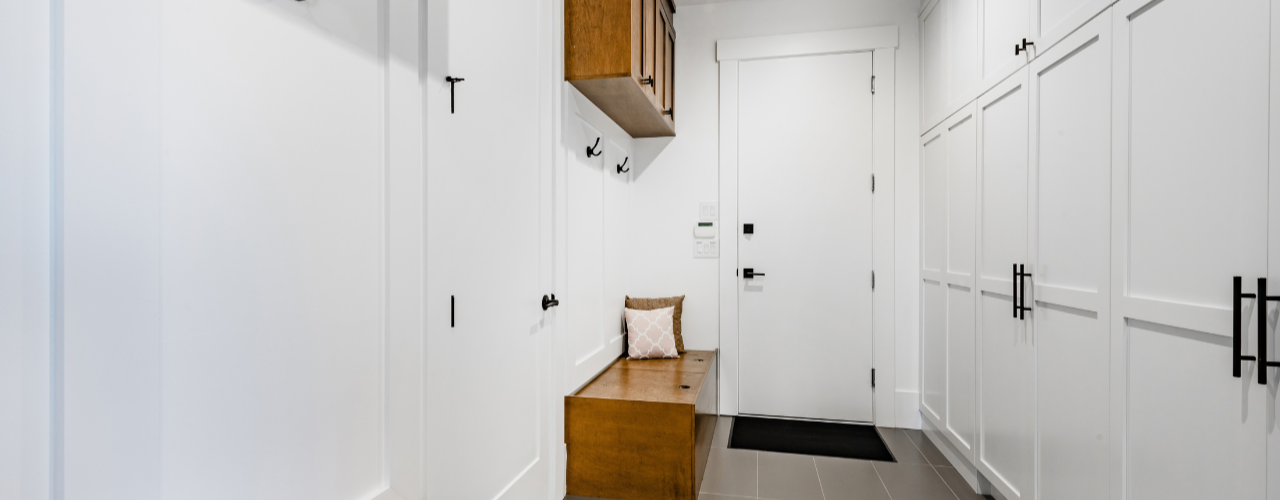
25 Mudroom Storage Ideas (And Mistakes to Avoid)
When you come home with muddy boots, an armful of bags and a coat you can’t wait to take off, it’s nice to have somewhere to put it all. With a mudroom, you can leave the outdoor mess at the door instead of carrying it through the house. Traditionally, you’d set aside a separate room, but you can just as easily use a hallway, an entryway closet, a laundry-room corner or a stretch of wall near the entrance.
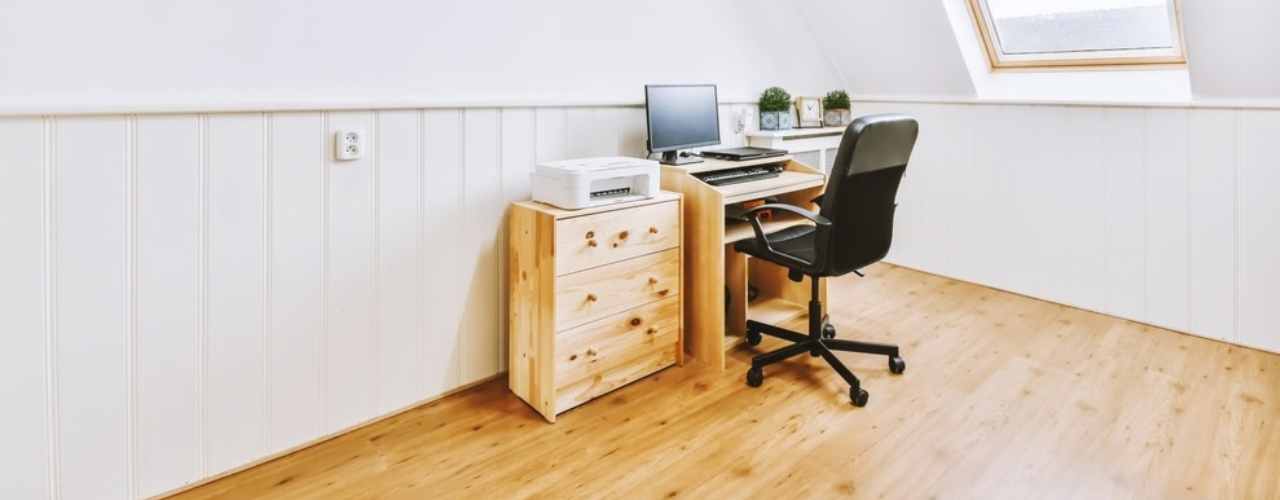
Is Your Home Office Worth the Rent? What Coworking and Self Storage Could Save You
Every square foot of your apartment comes with a price tag, and a home office claims more of them than most renters expect. It starts with a desk. Then come the second monitor, the printer, the filing cabinet and the overflow boxes. Before long, the corner you set aside for work has turned into a small room you are paying for every month.

Best U.S. Cities to Live Uncluttered: Plano, TX, Offers the Most Room to Breathe
Clutter is in our homes as much as in our heads. Both are shaped by where we live.

America’s Top Snowbird Destinations for 2026–2027: Florida Leads in Numbers, Texas Wins on Value
For Americans living in colder states, the approach of winter is reason enough to start looking south. Cold weather carries costs that go beyond the heating bill and shoveling snow. Seasonal affective disorder(opens in new tab) is far more prevalent in northern states, so a temporary move south isn’t simply an escape from the cold, but a chance to spend the hardest stretch of winter outdoors and in the sun.

How Much Does Halloween Really Cost in 2026? Plan Wisely to Avoid the Scare of Hidden Costs
Americans’ love for Halloween is almost frightening — this year alone, we are on our way to spending $13.5 billion, according to data from the National Retail Federation(opens in new tab). That breaks down to about $115 Halloween costs per person, a whopping 49% more than 10 years ago.
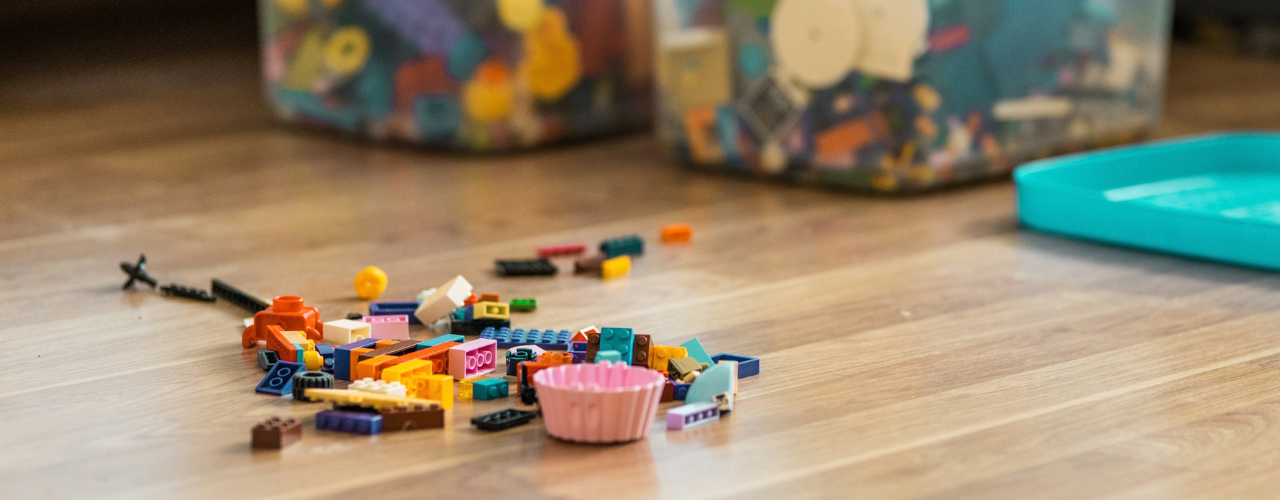
How to Store LEGOs: All the Fun, None of the Clutter
How to store LEGOs largely comes down to how your household uses them. If the bricks are part of everyday play, you need a setup that keeps them within easy reach and makes cleanup quick (for your feet’s sake, at least). Toy storage(opens in new tab) such as simple bins, playmats or containers that children can put away themselves may be enough. Larger or more serious collections usually need more organization, such as labelled drawers for loose pieces, trays for unfinished builds, shelves for completed models and separate storage for retired sets.

Cardboard Costume Guide: Tips and Ideas for a DIY Halloween
Whether for kids or adults, cardboard costume ideas often make the biggest splash once materialized, and that’s for a simple reason: doing a lot with a little is a universally impressive feat (especially in this economy). If you don’t have enough boxes you could temporarily repurpose, don’t worry! There are many places where you can find free moving boxes(opens in new tab), from stores and supermarkets to online groups and recycling drop-off spots. On the run? Try your luck at a self storage(opens in new tab) facility that sells moving supplies, often for cheap. This way, you can choose moving boxes of different shapes and sizes(opens in new tab), so you can make your costumes as complex as you want.

How to Celebrate Halloween: 9 Non-Spooky Ways To Enjoy It
As soon as October starts, it’s the official Halloween month. And while for many people it means it’s open season to get the scare of a lifetime, others, especially families with small children, might prefer to celebrate in a tamer way that’s both kid- and adult-friendly. While you’re likely to find more events where the spook factor is high, here’s how to celebrate Halloween in a not-so-scary way: