

Key Takeaways
- Several Phoenix nonprofits (including White Dove Thrift Shoppes and the Welcome to America Project) offer free furniture pickup, though each sets its own scheduling rules and item minimums.
- Nearly every charity declines the same items: mattresses, box springs, sleeper sofas, entertainment centers, armoires, pianos, and anything ripped, stained, water-damaged, or carrying pet or smoke odor.
- Furniture donations in Phoenix are tax-deductible when made to registered nonprofits, so always get and keep a receipt noting the fair market value of your items.
- For pieces too worn to donate, Phoenix’s bulk trash program will collect them, but you must schedule an appointment first and follow the city’s placement rules to avoid an ordinance violation.
Whether you’re downsizing, moving, redecorating, or clearing out an estate, giving your gently used furniture a second life is one of the most rewarding ways to declutter. Phoenix has a deep bench of nonprofits that will happily take your couch, dresser, or dining set, and many of them offering free pickup right from your driveway. This guide covers where to donate furniture in Phoenix, what each organization accepts, how pickups work, and when a storage unit(opens in new tab) can help with the items you would still like to keep.
The best places to donate furniture in Phoenix
1. White Dove Thrift Shoppes (Hospice of the Valley)
If you want your donation to go the furthest, White Dove(opens in new tab) is a standout. Every dollar raised through its thrift shops supports Hospice of the Valley, which provides compassionate end-of-life care to Arizonans of all ages, including children at Phoenix Children’s Hospital and Ryan House palliative care. This isn’t only elder care; it supports terminal cancer patients, accident victims, and people with Alzheimer’s, MS, and diabetes.
What they accept: Sofas, chairs, dressers, hutches, vanities, tables, lamps, bookcases, small area rugs, mirrors, chests, smaller desks, and small dining tables that seat four to six. They also take working appliances (under five years old), clothing, housewares, books, electronics, jewelry, art, sports and exercise equipment, and even vehicles and working medical equipment like wheelchairs and walkers.
What they don’t: Ripped, stained, water-damaged, or pet-hair-heavy furniture; large pieces like entertainment centers, armoires, China cabinets, and glass-top dining tables; bed frames, mattresses, and box springs; pianos and organs; and non-working electronics.
How to donate: Drop off at any location Monday–Saturday, 9 a.m.–5 p.m., where staff will help unload and provide a tax receipt. For furniture pickup, request one online or call (602) 274-DOVE (3683) Monday–Friday. You’ll get a two-hour arrival window and a receipt on the spot. Call ahead for large drop-offs so they have staff and space ready.
2. The Society of St. Vincent de Paul
St. Vincent de Paul (SVdP)(opens in new tab) runs one of the Valley’s most accessible pickup programs. Donated goods are sold in SVdP Thrift Stores to fund programs that feed, clothe, house, and heal Arizona families—and directly support people recovering from homelessness.
What they accept: Most gently used furniture, appliances, and household or clothing items. Small items should be boxed or bagged.
How pickup works: Pickups are curbside only, driveway, curb, or an open garage with someone home. Drivers don’t enter homes or go to second floors, so everything needs to be on the first floor. Schedule at least three days in advance (call 602-254-3338 to check for earlier availability). Pickups run Monday–Friday, 8 a.m.–4 p.m., with a 30-minute courtesy call before arrival. One note: they don’t disassemble items, and mattresses/box springs carry a $50-per-item fee (up to three).
3. Arizona Humane Society
Love animals? Your old sofa can help homeless pets. The Arizona Humane Society(opens in new tab) accepts gently used clothing, jewelry, furniture, and household items at its thrift store locations, and will pick up larger loads throughout most Valley locations.
Pickup minimum: Six large bags/boxes of clothes or items, or one large piece of furniture. To schedule, call Lisa Wagner at 602.870.8521, email [email protected], or use the online form.
What they don’t accept: Books, mattresses or box springs, futons, used linens, bed pillows, televisions (any age), entertainment centers and armoires, non-working electronics/appliances, appliances older than seven years, office furniture, desks, dishwashers, built-in microwaves, sleeper sofas, china cabinets, and beds/bed frames/headboards. You can also donate a car, truck, motorcycle, RV, or boat, and 100% of proceeds go to saving homeless pets, and you get a larger tax write-off.
Drop-off: Sunnyslope, Papago Park, and South Mountain campuses have donation bins, and the Cave Creek and Mesa thrift stores accept items inside.
4. The Welcome to America Project (WTAP)
WTAP(opens in new tab) furnishes the apartments of refugees newly resettled to Phoenix from war-torn and oppressed countries. This mostly volunteer organization collects high-quality furniture and household items and delivers them free of charge to arriving families on Saturdays year-round.
How to donate: Fill out the furniture pickup inquiry form on wtap.org to discuss a pickup, and check their “needed items” list first. One important note: they cannot pick up from households with pets or smokers, so items need to be free of pet hair and smoke odor.
5. Gathering Humanity
This 100% volunteer charity started by setting up apartments for newly arriving refugees and now provides whole-apartment setups for people exiting homelessness, plus additional items for refugees already in the area. Gathering Humanity(opens in new tab) also runs a holiday “adopt a refugee family” program.
What they accept: Clean, gently used items are welcome for most categories unless a specific item is marked “new.” Nothing ripped, dirty, or stained. Check their “top needs” and accepted items lists on gatheringhumanity.org before donating.
6. Sojourner Center
Sojourner Center(opens in new tab) is a shelter for people escaping domestic violence, and it sets up donations like a private store where residents can “shop” for free. Because most of their needs are new hygiene and baby items, their furniture needs are specific.
Furniture they need: Bed frames in twin, full, and queen sizes, and small-to-medium couches in new or like-new condition. Other items are considered case-by-case due to limited storage.
How to donate: Fill out their Appointment Request Form. Donation drop-off hours are Tuesday 9 a.m.–2 p.m. and Thursday/Friday 12–4 p.m. They cannot accept box springs, sleeper sofas, hide-a-bed couches, or heavily worn pieces.
7. Treasures 4 Teachers
If you have preschool furniture or bookshelves, Treasures 4 Teachers(opens in new tab) turns them into classroom resources for local educators. Their Treasure Box Thrift store funnels 100% of proceeds back into free and low-cost school supplies.
Drop-off: 3025 S 48th St, #101, Tempe, AZ 85282. Donation hours are Wednesday–Friday 9:30 a.m.–4:30 p.m. and Saturday 8:30 a.m.–3:30 p.m. Call 480-751-1122 ahead of large donations.
Free pickup is available only for extra-large donations of 25+ boxes (call 480-881-4654); otherwise you can schedule a paid third-party pickup through Resupply.
What most charities won’t take (and why)
Across nearly every Phoenix donation center, the same items get declined: mattresses and box springs, sleeper sofas, entertainment centers and armoires, glass-top and oversized dining tables, bed frames and headboards, pianos and organs, and any furniture that’s ripped, stained, water-damaged, or carries strong pet or smoke odor. Charities have limited storage and resale space, and they can only accept pieces they can actually place with the people they serve.
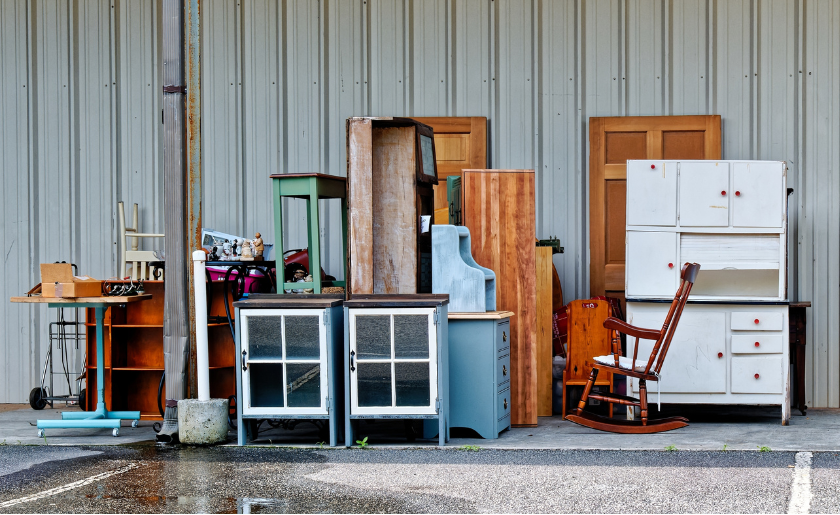
This is exactly where a lot of well-intentioned donors get stuck: you’ve got good furniture, but the timing or condition isn’t lining up with what a charity can take right now.
What to do with furniture too worn to donate
If a piece is broken, heavily stained, or otherwise beyond donation, Phoenix’s bulk trash program(opens in new tab) is your fallback. The city collects large items like furniture and small appliances, but you must schedule an appointment first, use the online portal or call 602-262-6251. A few key rules: don’t set items out more than seven days before your scheduled date (it’s a city ordinance violation), keep your pile under 10 cubic yards and within five feet of the curb, and have everything out by 5:30 a.m. on collection day. Each residence gets four collection opportunities per year, and appointments can be booked up to a year ahead.
Storage options for the furniture you want to keep
If your furniture load also contains items you’d rather keep but don’t have room for at home, a short-term self storage unit in Phoenix(opens in new tab) can be of help. For anything you’re planning to store for beyond a few weeks (or for vintage, leather, or upholstered pieces), choose a climate-controlled unit(opens in new tab), since Phoenix’s heat, humidity, and temperature swings can quickly damage wood and fabric.
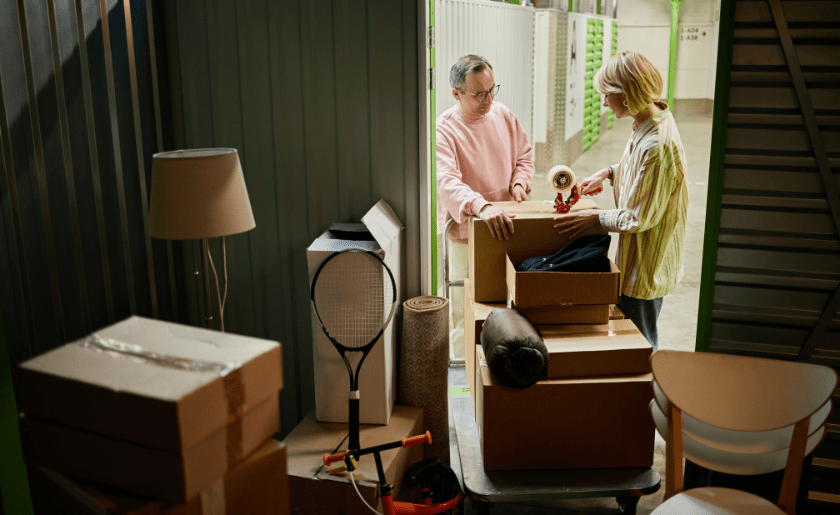
How big of a unit do you need? For a mattress plus a few small pieces like a desk and chairs, a 5×10 unit(opens in new tab) is plenty. A large living room or two bedrooms’ worth of furniture fits a 10×10 unit(opens in new tab), while a 3-bedroom home calls for a 10×20 unit(opens in new tab). Not sure? Our storage unit size guide(opens in new tab) walks through it.
Frequently Asked Questions
Where can I donate furniture in Phoenix with free pickup?
St. Vincent de Paul, the Arizona Humane Society, White Dove Thrift Shoppes, and the Welcome to America Project all offer free furniture pickup, though each has its own scheduling requirements and item minimums. St. Vincent de Paul offers the most straightforward curbside pickup for general household furniture.
Can I get a tax deduction for donating furniture in Phoenix?
Yes. Most of these organizations are registered nonprofits and will provide a donation receipt for tax purposes — White Dove and St. Vincent de Paul provide receipts at the point of pickup or drop-off. Keep your receipt and note the fair market value of donated items.
What furniture is hardest to donate in Phoenix?
Mattresses, box springs, sleeper sofas, entertainment centers, armoires, glass-top and oversized dining tables, bed frames, and pianos are declined by most charities. Pieces with rips, stains, water damage, or strong pet/smoke odor are also commonly refused.
What should I do if a charity can’t pick up my furniture right away?
Consider a short-term self storage rental to bridge the gap between your move-out date and the charity’s next available pickup. This protects your furniture’s condition (and its tax-deductible value) and lets you coordinate a single, efficient handoff.


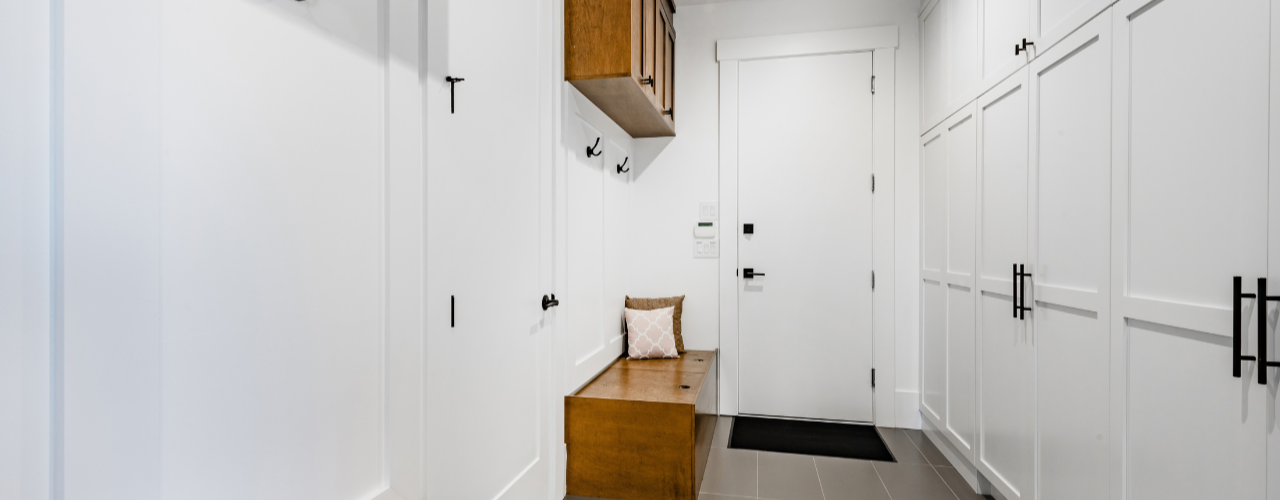
25 Mudroom Storage Ideas (And Mistakes to Avoid)
When you come home with muddy boots, an armful of bags and a coat you can’t wait to take off, it’s nice to have somewhere to put it all. With a mudroom, you can leave the outdoor mess at the door instead of carrying it through the house. Traditionally, you’d set aside a separate room, but you can just as easily use a hallway, an entryway closet, a laundry-room corner or a stretch of wall near the entrance.
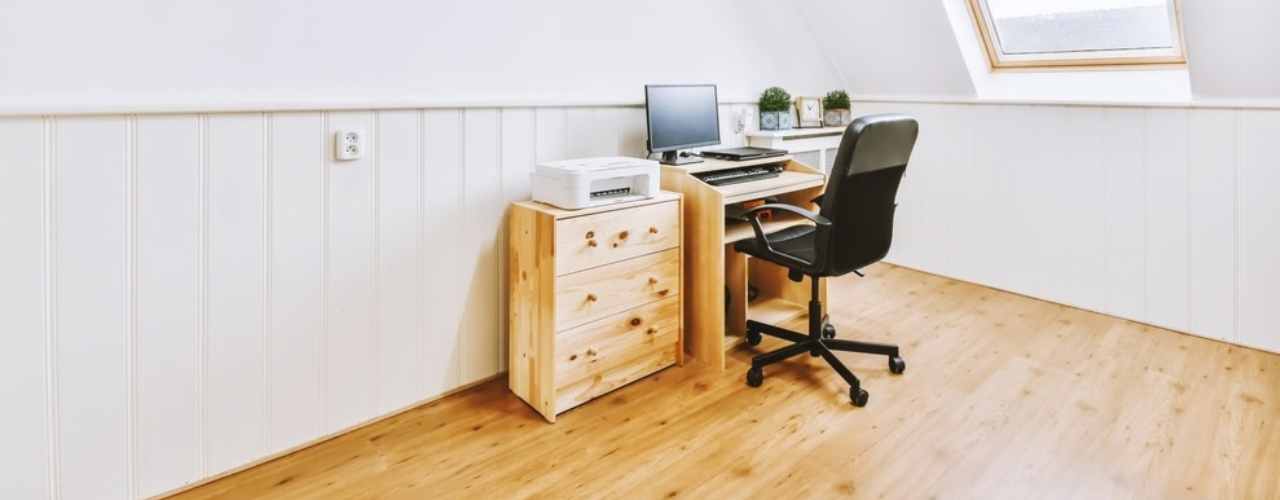
Is Your Home Office Worth the Rent? What Coworking and Self Storage Could Save You
Every square foot of your apartment comes with a price tag, and a home office claims more of them than most renters expect. It starts with a desk. Then come the second monitor, the printer, the filing cabinet and the overflow boxes. Before long, the corner you set aside for work has turned into a small room you are paying for every month.

Best U.S. Cities to Live Uncluttered: Plano, TX, Offers the Most Room to Breathe
Clutter is in our homes as much as in our heads. Both are shaped by where we live.

America’s Top Snowbird Destinations for 2026–2027: Florida Leads in Numbers, Texas Wins on Value
For Americans living in colder states, the approach of winter is reason enough to start looking south. Cold weather carries costs that go beyond the heating bill and shoveling snow. Seasonal affective disorder(opens in new tab) is far more prevalent in northern states, so a temporary move south isn’t simply an escape from the cold, but a chance to spend the hardest stretch of winter outdoors and in the sun.
How Much Does Halloween Really Cost in 2026? Plan Wisely to Avoid the Scare of Hidden Costs
Americans’ love for Halloween is almost frightening — this year alone, we are on our way to spending $13.5 billion, according to data from the National Retail Federation(opens in new tab). That breaks down to about $115 Halloween costs per person, a whopping 49% more than 10 years ago.
How to Store LEGOs: All the Fun, None of the Clutter
How to store LEGOs largely comes down to how your household uses them. If the bricks are part of everyday play, you need a setup that keeps them within easy reach and makes cleanup quick (for your feet’s sake, at least). Toy storage(opens in new tab) such as simple bins, playmats or containers that children can put away themselves may be enough. Larger or more serious collections usually need more organization, such as labelled drawers for loose pieces, trays for unfinished builds, shelves for completed models and separate storage for retired sets.

Cardboard Costume Guide: Tips and Ideas for a DIY Halloween
Whether for kids or adults, cardboard costume ideas often make the biggest splash once materialized, and that’s for a simple reason: doing a lot with a little is a universally impressive feat (especially in this economy). If you don’t have enough boxes you could temporarily repurpose, don’t worry! There are many places where you can find free moving boxes(opens in new tab), from stores and supermarkets to online groups and recycling drop-off spots. On the run? Try your luck at a self storage(opens in new tab) facility that sells moving supplies, often for cheap. This way, you can choose moving boxes of different shapes and sizes(opens in new tab), so you can make your costumes as complex as you want.

How to Celebrate Halloween: 9 Non-Spooky Ways To Enjoy It
As soon as October starts, it’s the official Halloween month. And while for many people it means it’s open season to get the scare of a lifetime, others, especially families with small children, might prefer to celebrate in a tamer way that’s both kid- and adult-friendly. While you’re likely to find more events where the spook factor is high, here’s how to celebrate Halloween in a not-so-scary way:

Motorcycle Storage Guide: How to Store Your Bike Safely
Motorcycles may be born to be wild, but eventually even the wild ones need somewhere to park. Whether riding season is winding down or your current living situation comes with plenty of square footage for you and less for your bike, motorcycle storage is one of those parts of ownership that doesn’t get as much airtime as the open road.