

Key Takeaways
- Clean, photograph and describe your furniture honestly to build trust and attract buyers.
- Price at 60-70% of retail, leave room for negotiation and respond quickly to messages.
- Use climate-controlled storage to protect your furniture and wait for the best offer.
Selling used furniture can be quick, profitable and even rewarding if you know where to list, how to present your pieces and what buyers are looking for. Just a tiny bit of patience and some good planning will take you a long way. This guide covers everything you need to sell your furniture efficiently and safely, for the best possible price.
Where to sell used furniture
Buyers range from first-time renters to designers, collectors and families furnishing new homes. Local neighbors, consignment stores and online shoppers all look for used furniture.
Online Marketplaces
Check which platforms are most popular in your area, as some cities have active local Facebook groups, while others rely more on Craigslist or Nextdoor. While you’re at it, ask friends or neighbors where they’ve had success selling furniture.
Facebook Marketplace is the most popular for local furniture sales. It is free, easy to use and lets you check buyer profiles for trust. Many sellers find items move faster here than elsewhere. Post clear photos, a detailed description and your location. There are no listing fees, though you can pay to boost visibility.
Craigslist still works for quick sales, especially in big cities. It attracts buyers specifically looking for furniture. Use caution and prioritize safety when meeting buyers. Craigslist also has a dedicated section for free items, making it a good option for giving furniture away.
eBay is good for vintage or collectible furniture. However, shipping can be tricky for large or fragile pieces. If you know how to pack and ship properly, eBay can connect you with buyers worldwide.
OfferUp, though less known, is user-friendly and lets buyers browse by location. They have an in-app messaging system keeps communication secure and simple. If you have time, use this app in parallel to Facebook Marketplace or Craigslist to speed up the process.
Nextdoor is perfect for reaching neighbors fast. Users verify their addresses, so buyers and sellers tend to be more reliable. This platform is ideal if you need to move items quickly.
Specialty sites work for high-end or designer furniture. Here, Chairish and 1stDibs are the best. These sites attract buyers willing to pay more for curated, vintage, or specialty pieces.
Be aware that some platforms charge selling fees (e.g., eBay, Chairish, or Facebook Marketplace’s optional boosts), so always check the fee structure before listing and factor these costs into your pricing.
In-person options
Consignment and antique stores handle pricing, display and sales for you, though they take a cut. This is a hands-off, simple option if you don’t want to manage the selling process.
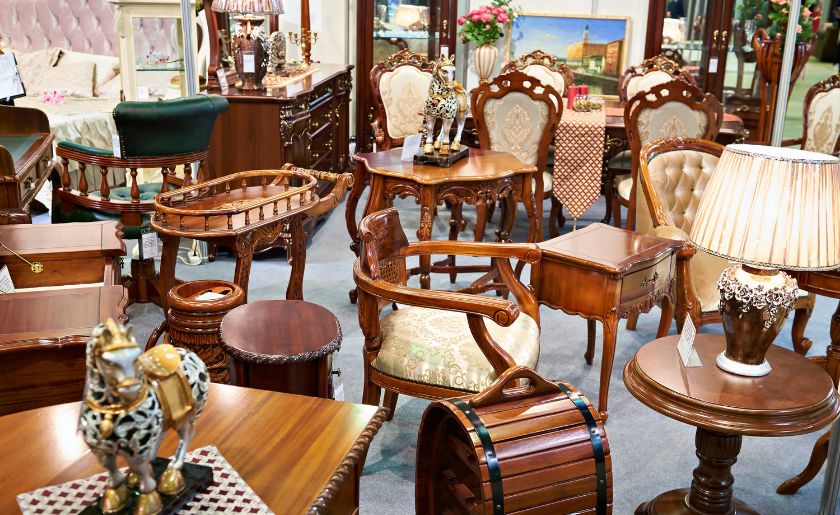
Flea markets are great for selling multiple pieces at once. You’ll need to transport your furniture and possibly pay for a booth, but flea markets attract serious buyers looking for deals.
Garage sales are ideal for selling multiple items quickly. They attract local buyers who can take furniture home immediately.
Local Facebook buy/sell/trade groups connect you with targeted buyers, especially for unique or vintage items. These groups are often more focused than Facebook Marketplace.
How to sell furniture for the best price
If you want to get the best price when selling your furniture, take these steps:
Prepare your pieces. Clean your furniture inside and out. Dust all surfaces, polish wood and glass, vacuum upholstery and spot-treat stains. Finally, repair minor issues like wobbly legs or scratches. Addressing these upfront avoids complaints and speeds up the sale.
Take high-quality photos. Use natural daylight and shoot from multiple angles and include close-ups of flaws, special details, or unique features. Show the full piece in a well-lit room to help buyers visualize it in their space. Good photos can triple the number of inquiries.
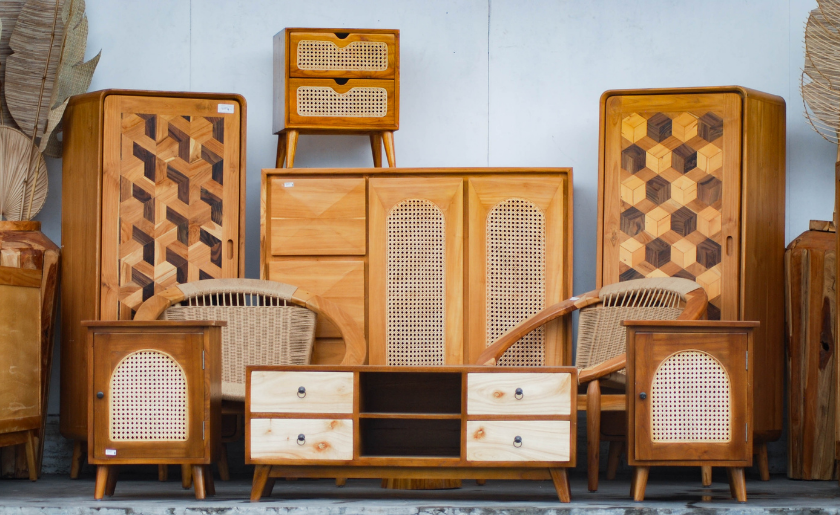
Write a detailed description. Be honest and specific. Include brand, dimensions, materials, age and condition, then mention any wear, pet exposure, or repairs. Use keywords like “mid-century modern,” “West Elm,” or “leather sofa” to improve search visibility.
Price competitively. Research similar items in your area and price at 60% to 70% of current retail value. Lower by 10% to 15% for visible wear. Also, always build in 10% to 15% negotiation room.
Respond promptly. Buyers move fast, so try to answer questions quickly and keep notifications on to avoid losing sales.
Safety tips for selling furniture
Meet buyers in public places when possible and never share your exact address upfront. Use daytime meetups and trust your instincts. If something feels off, walk away.
For large items, have a friend present during pickup.
What to do if your furniture isn’t selling
If your listing isn’t getting attention, lower the price or improve your photos and description.
Should you decide on donating instead, do a quick research of local spots that take donations. Many will pick up furniture for free. Alternatively, list it for free on Craigslist, Nextdoor, or local Buy Nothing groups.
Using storage while selling furniture
If selling furniture is your side hustle, using a storage unit(opens in new tab) can be a smart move. Storage gives you the time and space to wait for the right buyer and the best offer.
Self storage comes in a range of unit sizes(opens in new tab). For a few pieces, a small 5’x5’ storage unit(opens in new tab) may be enough. For a full household of furniture, a larger unit — a 5’x10’(opens in new tab) or a 10’x10’(opens in new tab) — will be necessary. Measure your items and compare with the unit dimensions to ensure everything fits comfortably. Our self storage calculator(opens in new tab) can be of great help here.
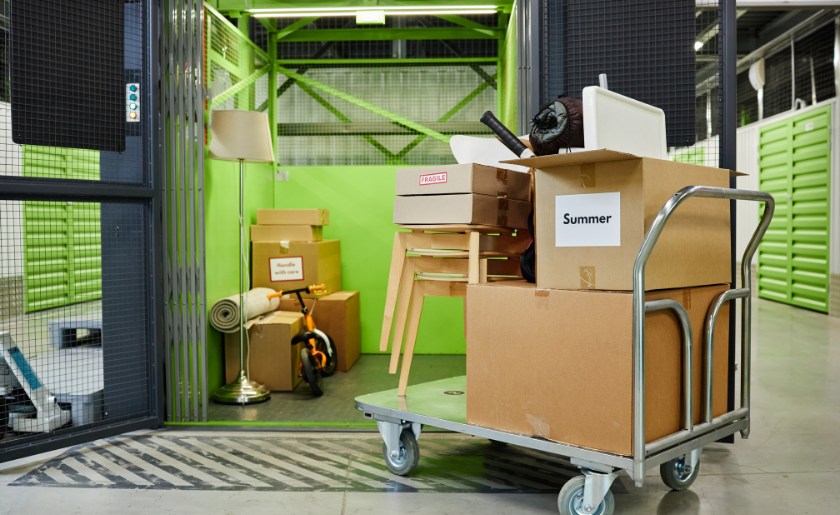
If you know you’ll probably store your furniture long-term, get a climate-controlled unit(opens in new tab). Since wood, upholstery and leather can be damaged by extreme temperatures or humidity, climate control is necessary to protect your furniture from warping, cracking, or mold, keeping it in top condition until it sells.
If using a storage unit, compare the monthly storage cost(opens in new tab) against the potential sale price of your furniture. Only use storage if the expected profit justifies the expense. Also, know that storage facilities often run promotions for first-time renters. Look for discounts(opens in new tab) and deals(opens in new tab) such as free first month offers, or lower rates for long-term rentals. Compare prices and features at several facilities to find the best value.
To sum up
With the right platform, presentation and pricing, selling your used furniture can be a smooth and successful process. For large or fragile items, research shipping options in advance. Consider using freight services, local delivery companies, or offering ‘local pickup only’ to avoid complications. If shipping, clearly state who covers the cost and how the item will be packed.
FAQ
Who buys used furniture?
Buyers include first-time renters, interior designers, collectors and families furnishing new homes. Local neighbors, consignment stores and online shoppers also actively seek out pre-owned furniture. High-end pieces attract serious collectors on Chairish and 1stDibs, while everyday items sell quickly on Facebook Marketplace, OfferUp, or Craigslist.
How can I safely accept payment when selling furniture?
Always use secure payment methods like cash (in person), digital payment apps (Venmo, PayPal Goods and Services, or Zelle), or platform-managed payments (such as those on Facebook Marketplace or Chairish). Avoid wire transfers or checks and never ship furniture before receiving payment.
If you’re selling furniture regularly as a side hustle, keep track of your income and expenses for tax purposes. Consult a tax professional to understand your obligations, especially if you’re making a significant profit.
What should I do if a buyer wants to negotiate the price?
Set your initial price 10–15% higher than your minimum acceptable offer to allow room for negotiation. Be polite but firm and consider bundling items (e.g., a table and chairs) for a discount if it helps move multiple pieces at once.


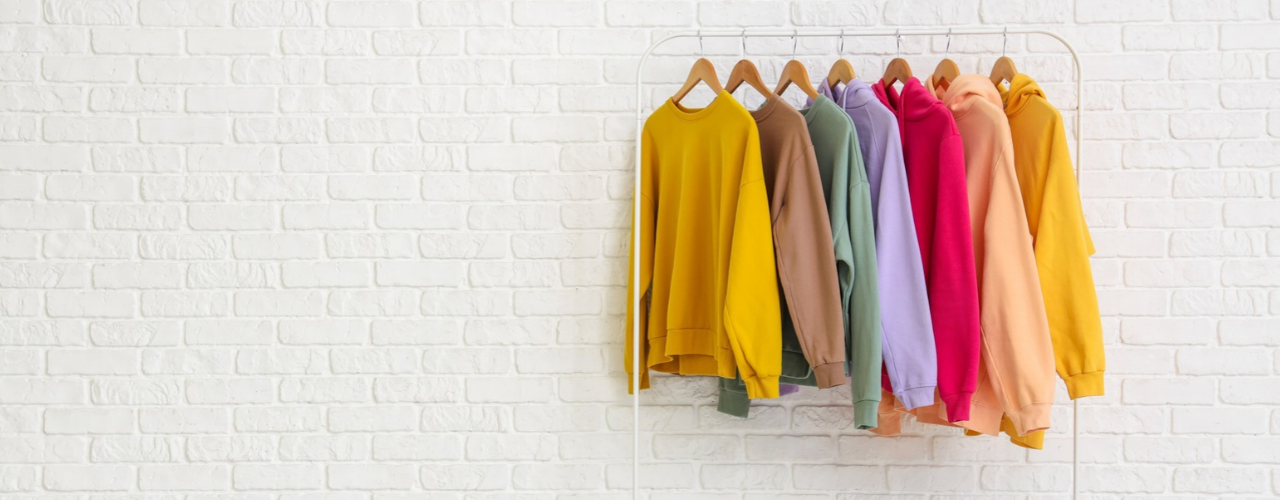
Sweatshirt Storage Ideas Worth Keeping Up Your Sleeve
Sweatshirts are great until you realize how much room they take up. A few thick hoodies can fill a drawer fast, with lighter crewnecks getting squashed underneath or pushed somewhere you forget about. Good sweatshirt storage can make that pile much easier to manage without requiring a bigger closet.
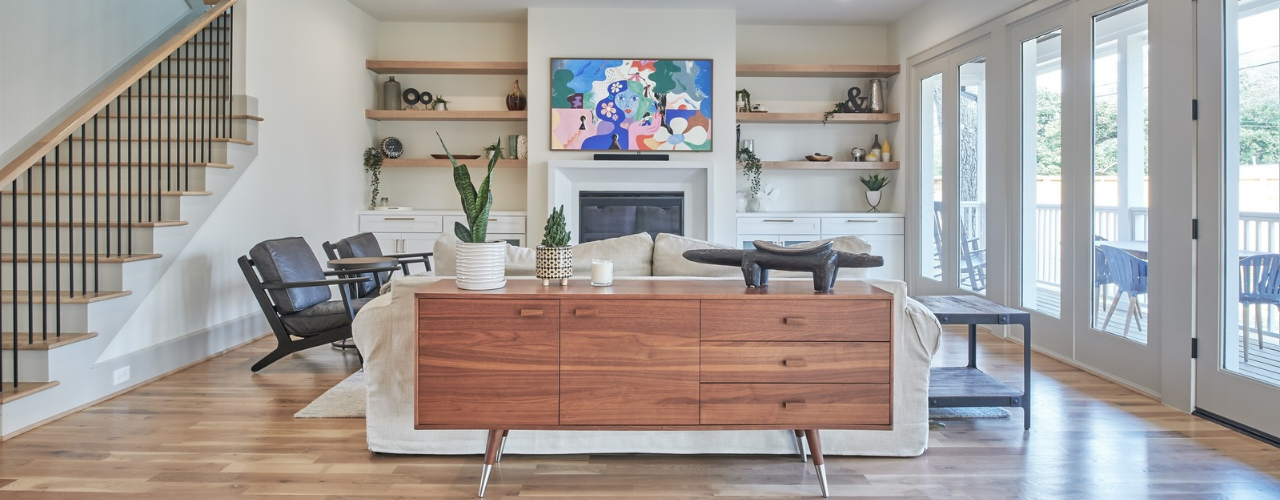
Living Room Storage Ideas: 28 Ways to Reclaim Your Hosting Space
If a living room is where most of a household’s living happens, good storage should be the top priority for setting up or revamping the place. After all, think of how easier it would be to have people over when tidying up the place is just a matter of putting things in their right place (in a time when fewer and fewer people are entertaining friends at home(opens in new tab)). The trick is making room for all those wayward clothes, blankets, chargers and other small things that end up on (or, inexplicably, in) the sofa. Here are 28 living room storage ideas to get you started and make tidying up a quick affair.
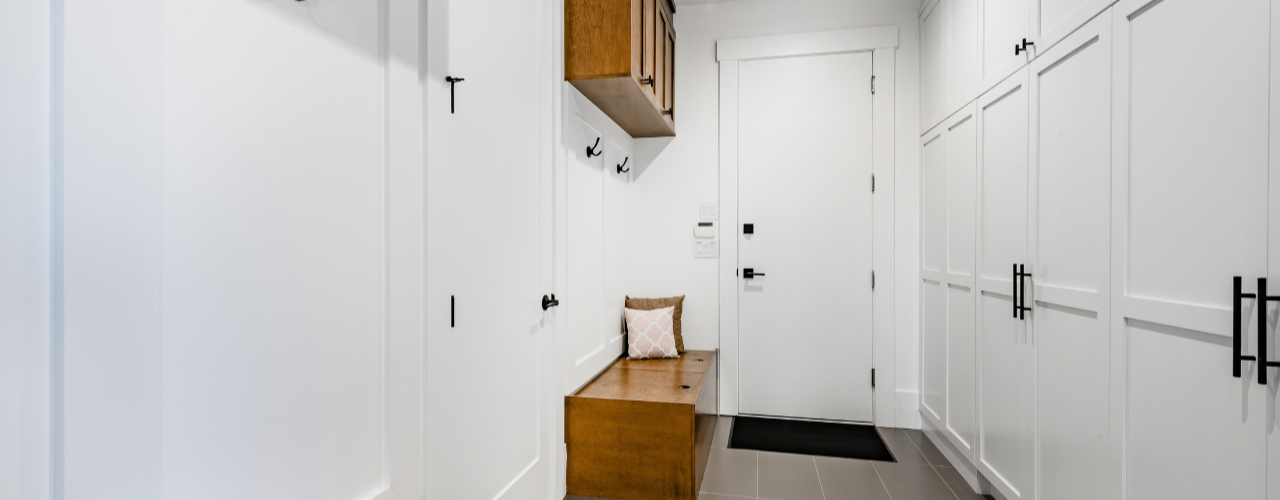
25 Mudroom Storage Ideas (And Mistakes to Avoid)
When you come home with muddy boots, an armful of bags and a coat you can’t wait to take off, it’s nice to have somewhere to put it all. With a mudroom, you can leave the outdoor mess at the door instead of carrying it through the house. Traditionally, you’d set aside a separate room, but you can just as easily use a hallway, an entryway closet, a laundry-room corner or a stretch of wall near the entrance.
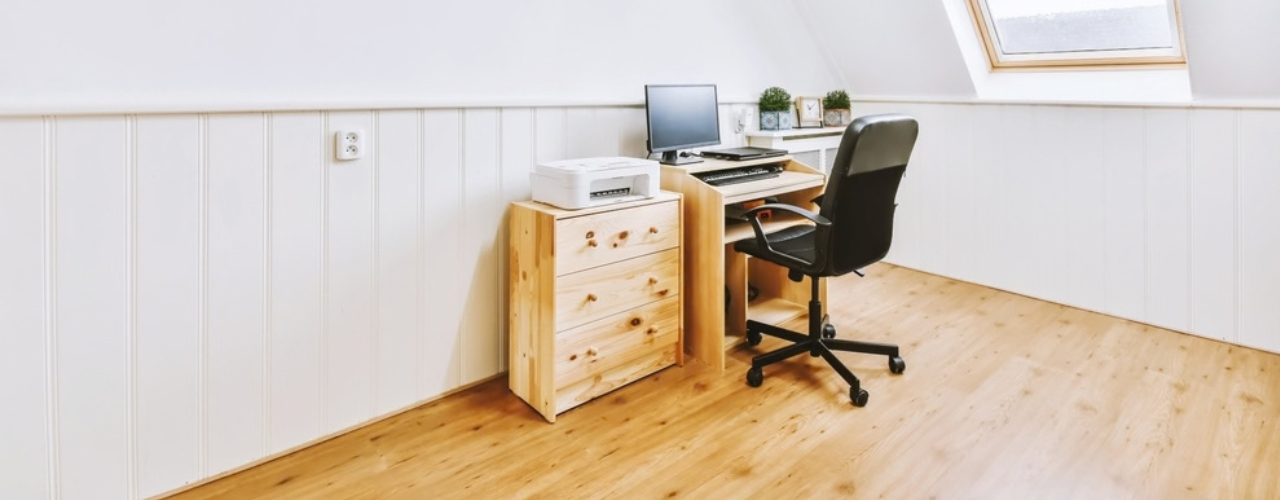
Is Your Home Office Worth the Rent? What Coworking and Self Storage Could Save You
Every square foot of your apartment comes with a price tag, and a home office claims more of them than most renters expect. It starts with a desk. Then come the second monitor, the printer, the filing cabinet and the overflow boxes. Before long, the corner you set aside for work has turned into a small room you are paying for every month.

Best U.S. Cities to Live Uncluttered: Plano, TX, Offers the Most Room to Breathe
Clutter is in our homes as much as in our heads. Both are shaped by where we live.

America’s Top Snowbird Destinations for 2026–2027: Florida Leads in Numbers, Texas Wins on Value
For Americans living in colder states, the approach of winter is reason enough to start looking south. Cold weather carries costs that go beyond the heating bill and shoveling snow. Seasonal affective disorder(opens in new tab) is far more prevalent in northern states, so a temporary move south isn’t simply an escape from the cold, but a chance to spend the hardest stretch of winter outdoors and in the sun.

How Much Does Halloween Really Cost in 2026? Plan Wisely to Avoid the Scare of Hidden Costs
Americans’ love for Halloween is almost frightening — this year alone, we are on our way to spending $13.5 billion, according to data from the National Retail Federation(opens in new tab). That breaks down to about $115 Halloween costs per person, a whopping 49% more than 10 years ago.
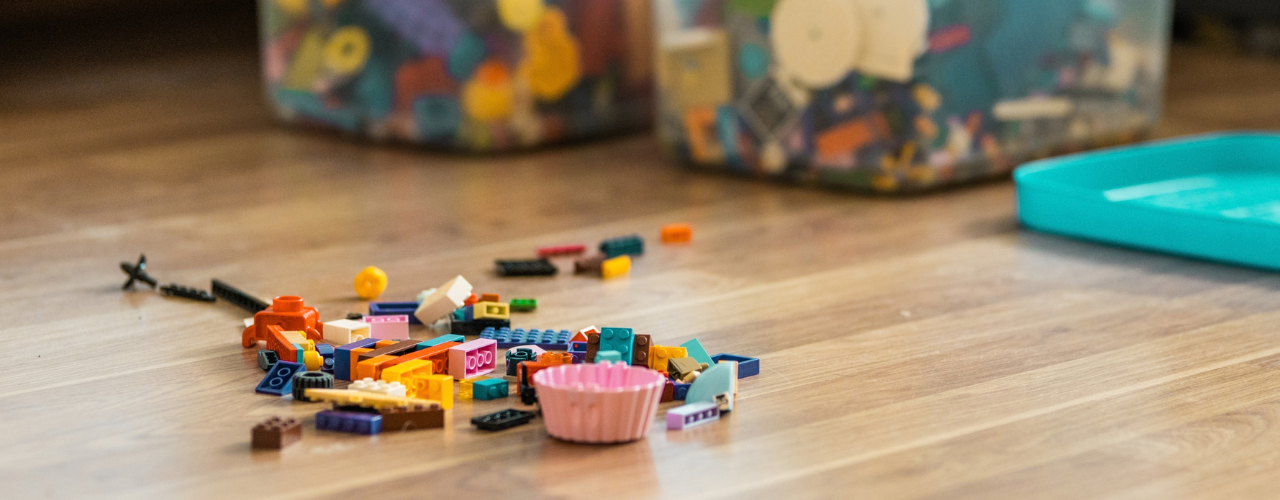
How to Store LEGOs: All the Fun, None of the Clutter
How to store LEGOs largely comes down to how your household uses them. If the bricks are part of everyday play, you need a setup that keeps them within easy reach and makes cleanup quick (for your feet’s sake, at least). Toy storage(opens in new tab) such as simple bins, playmats or containers that children can put away themselves may be enough. Larger or more serious collections usually need more organization, such as labelled drawers for loose pieces, trays for unfinished builds, shelves for completed models and separate storage for retired sets.

Cardboard Costume Guide: Tips and Ideas for a DIY Halloween
Whether for kids or adults, cardboard costume ideas often make the biggest splash once materialized, and that’s for a simple reason: doing a lot with a little is a universally impressive feat (especially in this economy). If you don’t have enough boxes you could temporarily repurpose, don’t worry! There are many places where you can find free moving boxes(opens in new tab), from stores and supermarkets to online groups and recycling drop-off spots. On the run? Try your luck at a self storage(opens in new tab) facility that sells moving supplies, often for cheap. This way, you can choose moving boxes of different shapes and sizes(opens in new tab), so you can make your costumes as complex as you want.