

The numbers are simply astonishing. One in five Oregon residents was born in California. Oregon received over 21,000 Californians every year between 2014 and 2018. Even in last year’s pandemic environment, almost 60% of those who moved to Oregon were from the Golden State. On a list of the 50 places Los Angeles residents move to the most, Portland came in at number 14, also being the sixth most preferred out-of-state moving destination.
So, what’s all the hype about? Why is Portland attracting so many people from the LA region? If you’re thinking about joining the trend and possibly making the move to Portland as well, here are a few things you should be aware of before hopping in your car.
Why are Californians moving to Portland?
Simply put, there are more than a few reasons to relocate: general affordability, thriving economy, active outdoor lifestyle, diverse climate, green urban living, quietness. Now let’s take a look at these one-by-one, so you know exactly what you get.
Costs
While the difference in cost of living between the two states is not necessarily substantial (Portland is $120 cheaper every month on average, excluding rent), there are major discrepancies with regard to the costs of home prices. You can buy a home in Portland for $427K on average, and that is more than 50% cheaper than LA. Differences in rents are also considerable: you can rent an apartment in Portland for $1,600 on average, while the average rent in LA exceeds $2,500, according to RentCafe.

Economy
Portland’s economy did well during the pandemic, and that shows just how strong it really is. That is mostly due to the high-tech companies and the top-performing manufacturing sector. The greater Portland area offers ample career opportunities and is a talent magnet for a diverse workforce, and enjoys year-over-year job growth that exceeds 2%. Over the next decade, there will be a predicted 42% growth in the job market, compared to the national average of 33.5%.
Healthcare and outdoor apparel firms dominate the job market, along with tech companies. Portland’s major employers include Intel, Nike, Adidas, Columbia Sportwear, Boeing, Cambia Health Solutions and Daimler Trucks. The thriving character of the local economy becomes apparent when looking at average salaries and incomes. The average hourly wage for Portland workers is $29.74, 10% above the national average, according to recent data from the US Bureau of Labor Statistics. Moreover, those working in education and healthcare earn around 20% more in Portland than the US average.

The Great Outdoors
Active families can enjoy fishing or kayaking on the Willamette River, hiking or biking through the Tyson Creek State Natural Area and exploring the scenic beauties of the Springwater Corridor. The Boardman State Park is home to secluded beaches and sand dunes, the entire Oregon coast is home to lighthouses, cliffs and stunning scenery, while the Cascade Mountains offer some of the best panoramic views in the US.
Climate
Unlike Los Angeles, Oregon truly has four different seasons and a diverse climate. This means that you can enjoy hot summers and snowy winters, as well as all kinds of outdoor activities in the Beaver State. Portland does get a lot of rain (43 inches of rainfall a year, on average), so you will often need a light jacket on you. However, depending on your preferences, you may find Oregon’s climate more pleasant and diversified.
Green city
It’s not just the sheer variety of green spaces that makes Portland a green city. Oregon has consistently ranked as a top eco-friendly state, while its biggest city is one of the greenest urban centers in the US. The Beaver State is a proud leader in a wide array of green initiatives including: recycling, energy efficiency, low carbon footprint, renewable energy and green buildings.
Around half of Portland’s power comes from renewable sources and residents are all about sustainable and low-impact living. Moreover, a quarter of the workforce commutes using alternative urban mobility options such as bikes, carpooling and public transportation.

Quiet urban life
Portland is not only significantly less populated than Los Angeles, but also more than three times less dense. The easy-going culture of Oregon and the casual and laid-back vibe of Portland make life here more relaxed and quieter than most US cities. Moreover, the city is incredibly walkable, and many neighborhoods were not built in mass clusters, meaning they have a unique identity and charm. If you’re really keen on living in quiet places, you can look for homes in Northwest Heights, Inner Southeast and Southwest Hills.
Moving from LA to Portland and using self storage
Feel free to make a week- or weekend-long trip out of the 15-hour drive up north. There’s plenty of things to see on the way to Portland (San Francisco, Lake Tahoe, Redwood National Park, to name just a few). Remember to set a specific date or a general timeline for your move. Hiring movers and using self storage can make your relocating experience easier and less stressful, so you can enjoy the move and make the most of it.
Renting self storage in Portland is generally affordable, as a 10×10 storage unit will set you back $170 per month on average (affordable, especially compared to LA’s average of $290). You can make use of Portland’s wide variety of storage options not only for the moving process but for your new life in Oregon as well. Until you get a feel for the city and make up your mind about whether you’re going to be living there long-term, you can rent a place and put some of your belongings in storage. StorageCafe will enable you to find the best option for your storage needs.
Finally, check out these tips on how to ensure a smooth relocating process and find out more about moving interstate on a budget.



Moving From a House to an Apartment: What to Expect, How to Downsize & How Self Storage Helps
For some, moving from a house to an apartment is a financial decision. For others, it’s about simplifying life. Maybe the kids have moved out and half the house sits empty, or you’re approaching retirement and no longer want to spend weekends on repairs. Or perhaps you’ve been weighing the cost of buying a home and wondering whether renting simply makes more sense right now.
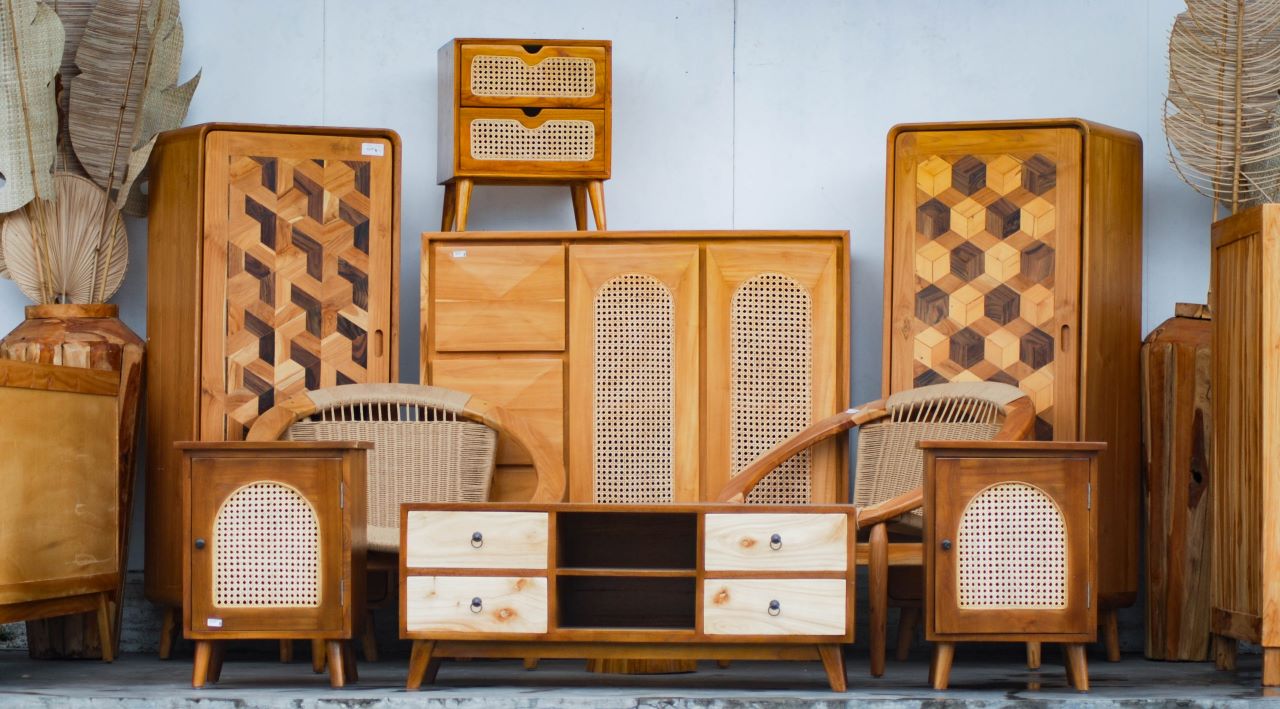
Family Heirlooms Overload: How to Handle Family Inheritance Without Regret
Handling family heirlooms after a loss requires managing legal authority, emotional pressure and practical logistics at the same time, and the order you take them on matters more than most people expect.
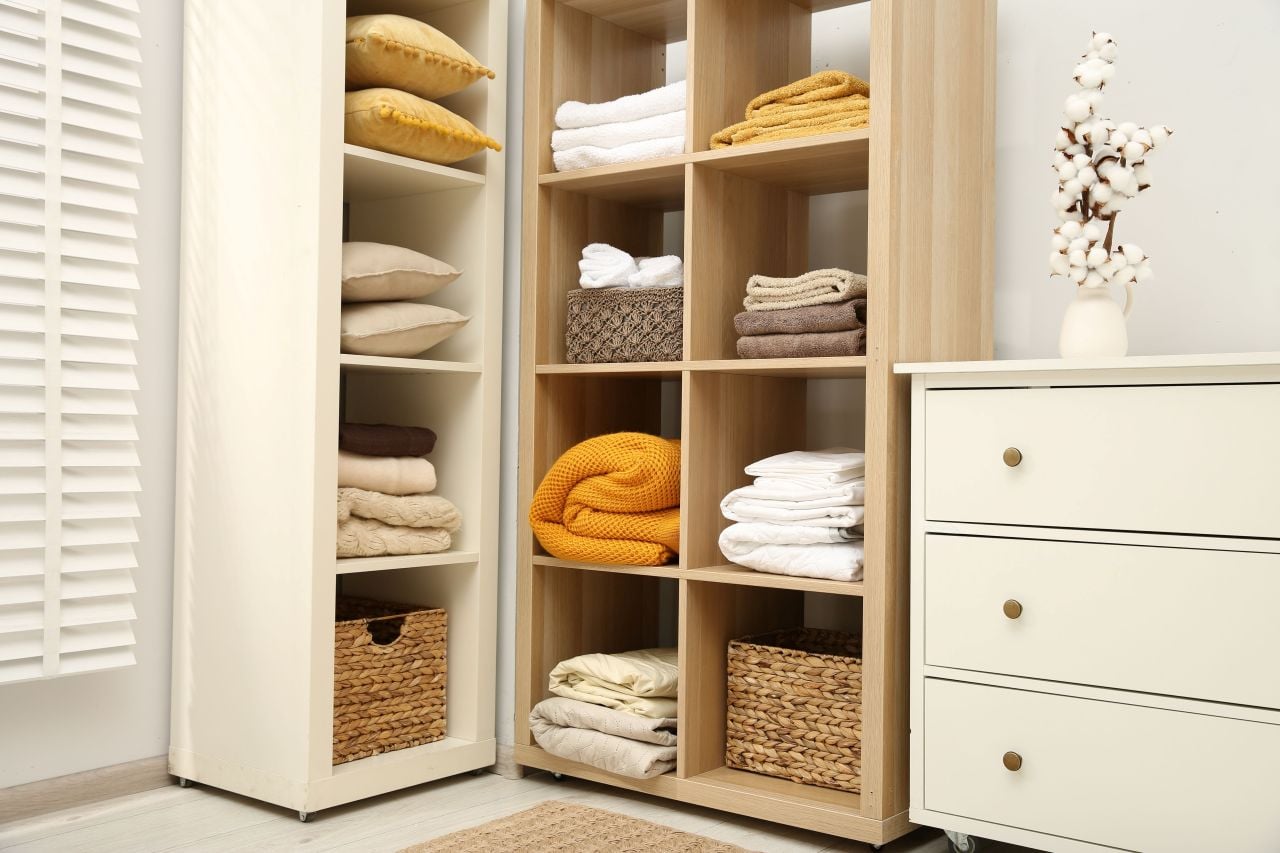
Blanket Storage: The Right Method for Every Space and Season
Blankets make our lives cozier, and storing them well is what keeps them soft and comfortable in the long run. Knowing how to store a blanket properly means your favorites come out of storage smelling fresh, feeling the same as when they went in, and lasting years longer than they otherwise would.

Board Game Storage Ideas That Keep Your Collection in Fighting Shape
Nobody warns you that getting into board games usually unlocks a second hobby, the much dreaded one that includes figuring out where on earth to put them. One game becomes a few, expansions start spawning beside their base boxes and before long, board game storage requires as much strategy as whatever is waiting on the other side of those lids.
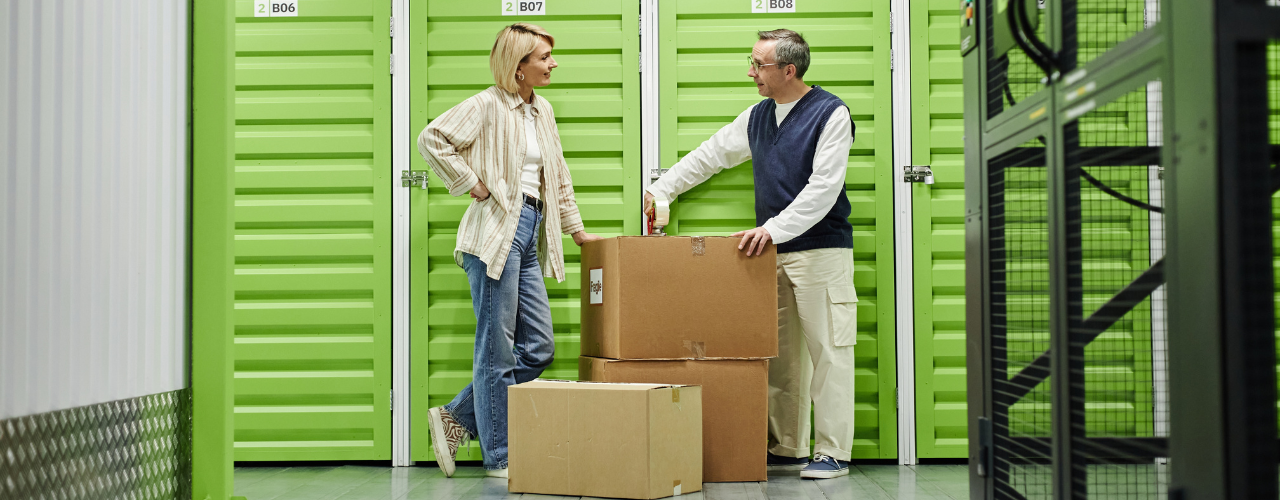
Storage Locker vs. Storage Unit: What’s the Difference?
A locker and a unit may sound like two names for the same four walls and a lock, and depending on the storage facility, you may even see the terms used that way. However, once you start comparing available spaces, storage lockers tend to occupy the smaller end of the spectrum, while storage units(opens in new tab) give you considerably more room to work with.
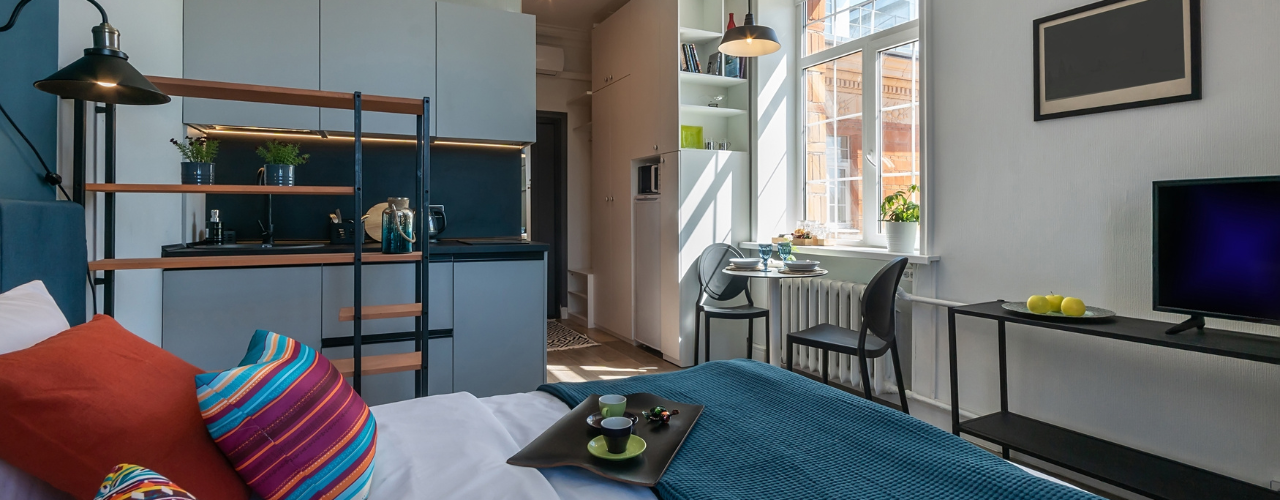
Storage Ideas for Small Spaces: 9 Ways to Max Out Your Home
A messy home contains the seeds of its organization. Those seeds are everywhere: the space above doors, under beds, behind sofas and inside furniture can all become storage. Here are the best storage ideas for small spaces, so you can make the most of your cozy home.

Best U.S. Cities to Live Uncluttered: Plano, TX, Offers the Most Room to Breathe
Clutter is in our homes as much as in our heads. Both are shaped by where we live.
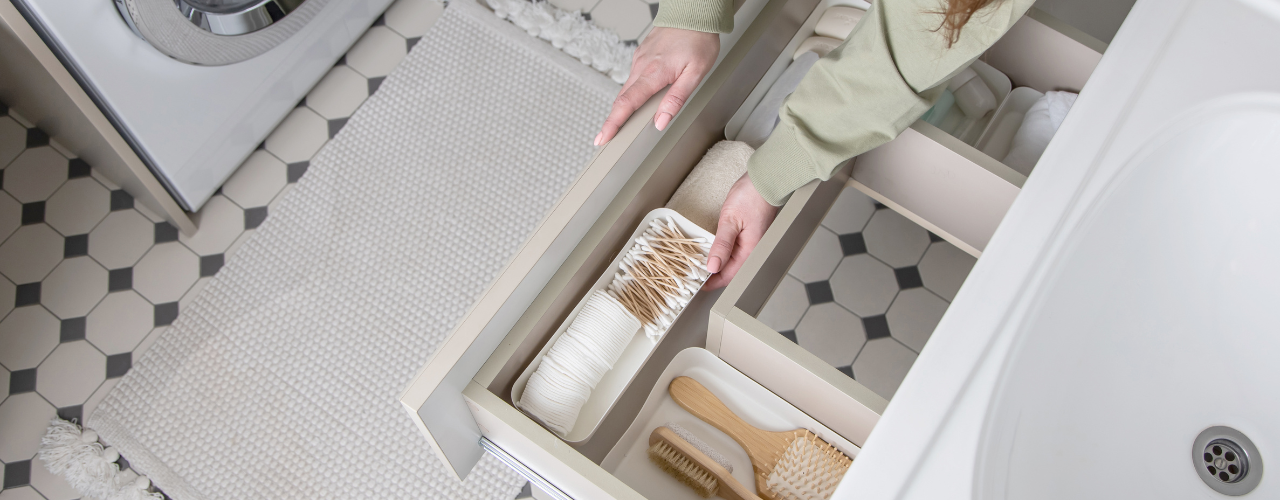
How to Organize Your Bathroom: 8 Ways to Stay Tidy
You already know why an organized bathroom is worth the effort, but let us remind you: it makes rushed mornings easier, keeps counters cleaner and just helps get you in the mood to go through your skincare routine like you should. Plus, in bigger households, it helps everyone find what they need. And you know how much a tidy bathroom counts for your self-esteem when a guest or a partner shows up. Luckily, you don’t need a degree to know how to organize your bathroom. The secret is keeping less, giving every item a home and making that home simple to use. Let’s go through some practical steps can help you create a bathroom that stays functional and nice to look at.

How to Use Silica Gel Packets for Storage
Moisture can cause significant damage to items in storage, leading to rust on tools, mold on clothing and warping in documents. Silica gel uses science to fix that. Often found in small packets inside product packaging, silica gel is a desiccant that absorbs moisture from the air, keeping your stored items dry and protected. This guide explains what silica gel is, how it works and how you can use it to preserve your belongings in self storage.