

Rushing to the airport without being sure of where you put your passport is a horrible experience. But so is filing your taxes, keeping track of your utility bills and finding your birth certificate right away when you need it. If you’re part of a company, you know retaining documents is essential, and misplacing or losing files can cause more than a few headaches. How can we avoid these stressful experiences? Easy. It’s called a smart filing system, and this is how you can create it.
Storing documents for individuals and families
Managing paper clutter is always a challenge. This guide will help you create a filing system that will save you time, money and effort when doing so. Depending on how much paperwork you need to sort through and store, your home filing system can be as small as a file folder or as large as a filing cabinet. Regardless of how many documents you have, the key is to gather all your paperwork in one spot and one spot only. When you’re done looking at a utility bill or need to keep a receipt, your first instinct should be to go to your special paperwork spot.
How to store your mountains of photos, certificates, contracts, warranties and manuals
If you have a lot of documents, consider separate categories for separate file types. You can keep documents you may need in the near future in one file box, and you can archive records, leases, warranties and contracts, which you will only need in the long run, in a separate binder. Likewise, you can have a special category for recycling paper – things you may want to keep around for a while but that you will most likely end up recycling or shredding.
Finally, dividing your paperwork into categories allows you to discard items you’re sure you won’t need. We all have credit card offers, junk mail and old bank statements around the house. Don’t be reluctant to throw them away if you know they are useless. Categorizing and decluttering is something you should do on a consistent basis. Take 10 minutes every month or so to review your recent documents and to decide what you should discard and what you should keep.
Top storage solutions for your home
Depending on the type and amount of paperwork you wish to hold onto, you can dedicate a shelf for documents or resort to a file box, a tray organizer or even a home safe. Other at-home storage solutions can include plastic page slips, which will protect your documents from wear and tear, as well as file holders, document cases and color-coded binders.

How should businesses store files?
In our highly information-centric world, businesses around the globe collect huge amounts of data. Besides the fact that retaining specific information in the form of files and documents is required by regulatory measures, data is a true and veritable resource that companies of all shapes and sizes should maintain. Thus, protecting and safely storing your files is vital for your company, no matter how small it may be.
For those needing to edit and save PDF files(opens in new tab) during their document organization process, an online tool can streamline these tasks considerably.
The key to keeping track of invoices, tax returns, accounting records and legal documents
If you have only a few invoices every month, keeping track of them may seem easy. But once that number goes up, and bills, tax documents and other sorts of files come into play, things can get messy quickly, resulting in sleepless nights, financial losses, audits and even lawsuits. That is precisely why a proper document storage system is crucial. Small businesses can simplify payroll record-keeping by using a tool to generate paystubs online(opens in new tab) and organizing these records alongside invoices, tax returns, and other essential financial documents.
When designing this system, first get to know your industry-related regulations: What documents do you need to hang on to and for how long? Secondly, categorize your documents. Whether at home or at the office, this is always the way to go. Depending on the type and size of business, you should consider storing your files according to their category and their age. It’s also important to consider whether you will need a document for day-to-day operations or for a future purpose, such as for filing taxes.
Safety first – best ways to store business files
Finally, while storing paperwork digitally is generally less risky than physically storing it, many businesses do need a physical location for their data. Thus, consider keeping sensitive or confidential information in a locked cabinet or a safe. If you’re dealing with sensitive information, however, or don’t have enough space within the office for physical files, experts argue that storing documents off site is the ideal option, both in terms of space and security. This is where self storage comes into play. Don’t worry – StorageCafe(opens in new tab) can help you find a safe environment for your files.

Self storage – the king of the paper jungle
Because a variety of files are important to individuals, as well as businesses, keeping your data in a secure setting is vital. Many important documents are difficult and expensive to replace if they are damaged by water, heat, pests or rodents, making climate control a central factor. While plastic bins, filing cabinets and lock boxes might sound like good ideas, nothing is safer and more reassuring than knowing all your important documents are in a secure storage unit nearby.
This is especially valid for businesses, as the risk of malicious actors looking to access and steal data is increasing. Furthermore, remember that data loss is simply a reality; it can occur due to infrastructure failures, physical damage and, more generally, incorrectly stored data. Ultimately, not worrying about your personal documents and data – because you have stored them in a safe place – can provide you with an often underestimated peace of mind.

Getting a 5’x5’ or a 5’x10’ storage unit(opens in new tab) should be enough for your documents, according to our size guide. However, depending on your specific needs, StorageCafe(opens in new tab) can surely help you find the perfect solution.



Scary Good DIY Halloween Decorations That Won’t Haunt Your Wallet
A few floating candles in the hallway, a family of ghosts by the front door and a suspicious number of bats climbing up the bedroom wall can make October feel a whole lot spookier. While Halloween stores are full of tempting finds, some of the best DIY Halloween decorations can come from things you already have tucked away in drawers, closets or the recycling bin.

Suburban Giants and Urban Risers: Where America’s 100 Largest Metros Fall on the Self Storage Map
Self storage has long been a suburban story. Across America largest 100 metros, 59% of the inventory built over the past decade sits outside city cores, largely preserving the ratio of the total existing inventory.
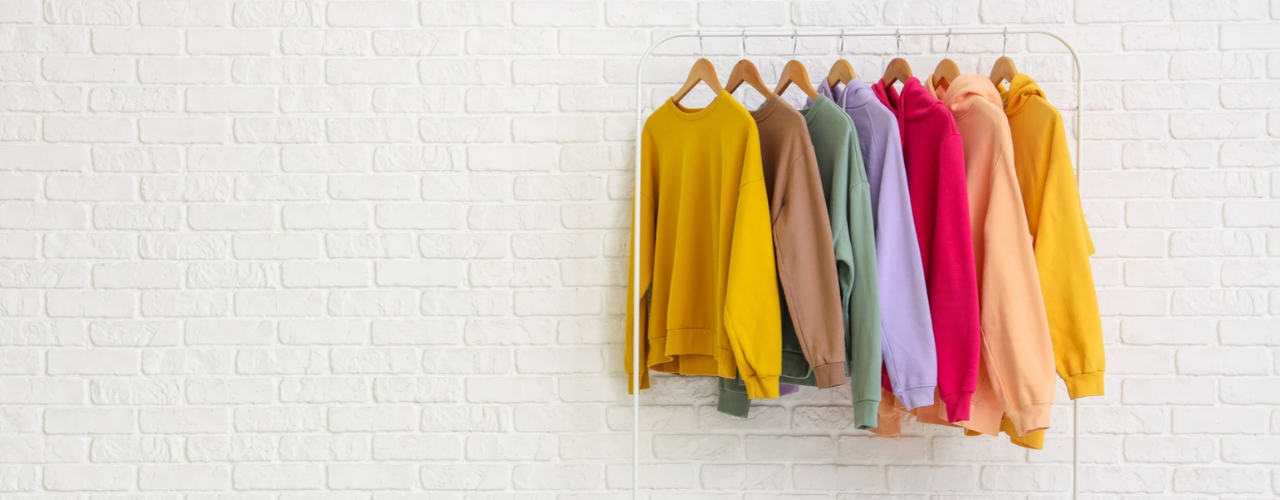
Sweatshirt Storage Ideas Worth Keeping Up Your Sleeve
Sweatshirts are great until you realize how much room they take up. A few thick hoodies can fill a drawer fast, with lighter crewnecks getting squashed underneath or pushed somewhere you forget about. Good sweatshirt storage can make that pile much easier to manage without requiring a bigger closet.

Living Room Storage Ideas: 28 Ways to Reclaim Your Hosting Space
If a living room is where most of a household’s living happens, good storage should be the top priority for setting up or revamping the place. After all, think of how easier it would be to have people over when tidying up the place is just a matter of putting things in their right place (in a time when fewer and fewer people are entertaining friends at home(opens in new tab)). The trick is making room for all those wayward clothes, blankets, chargers and other small things that end up on (or, inexplicably, in) the sofa. Here are 28 living room storage ideas to get you started and make tidying up a quick affair.
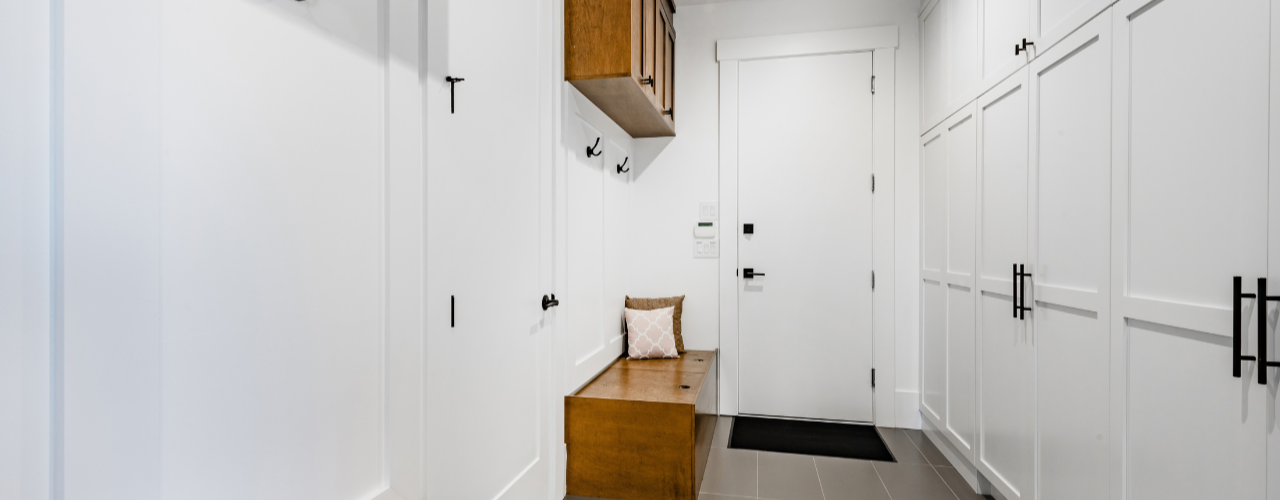
25 Mudroom Storage Ideas (And Mistakes to Avoid)
When you come home with muddy boots, an armful of bags and a coat you can’t wait to take off, it’s nice to have somewhere to put it all. With a mudroom, you can leave the outdoor mess at the door instead of carrying it through the house. Traditionally, you’d set aside a separate room, but you can just as easily use a hallway, an entryway closet, a laundry-room corner or a stretch of wall near the entrance.
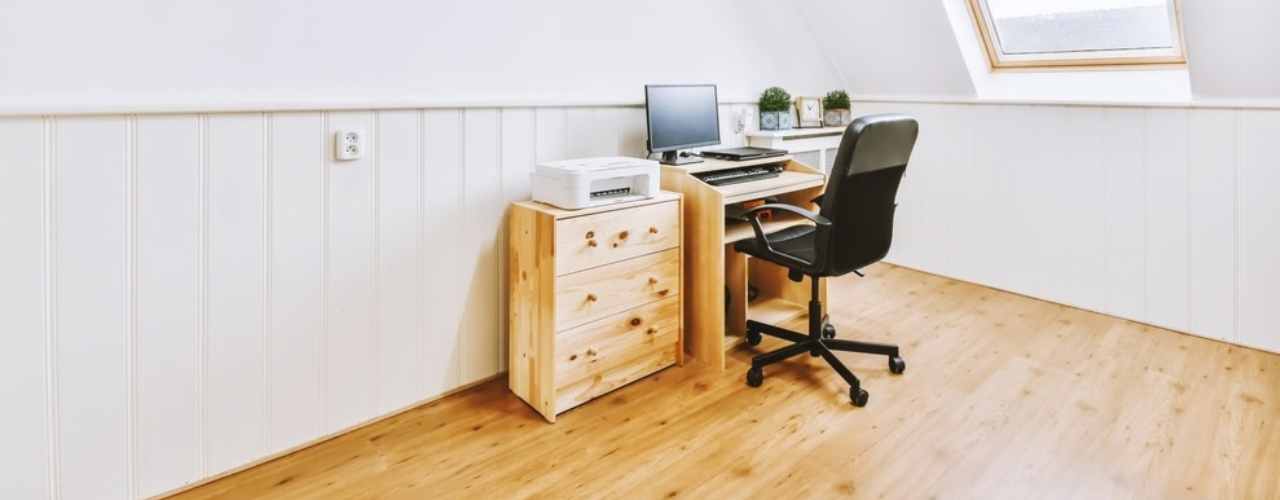
Is Your Home Office Worth the Rent? What Coworking and Self Storage Could Save You
Every square foot of your apartment comes with a price tag, and a home office claims more of them than most renters expect. It starts with a desk. Then come the second monitor, the printer, the filing cabinet and the overflow boxes. Before long, the corner you set aside for work has turned into a small room you are paying for every month.

Best U.S. Cities to Live Uncluttered: Plano, TX, Offers the Most Room to Breathe
Clutter is in our homes as much as in our heads. Both are shaped by where we live.

America’s Top Snowbird Destinations for 2026–2027: Florida Leads in Numbers, Texas Wins on Value
For Americans living in colder states, the approach of winter is reason enough to start looking south. Cold weather carries costs that go beyond the heating bill and shoveling snow. Seasonal affective disorder(opens in new tab) is far more prevalent in northern states, so a temporary move south isn’t simply an escape from the cold, but a chance to spend the hardest stretch of winter outdoors and in the sun.

How Much Does Halloween Really Cost in 2026? Plan Wisely to Avoid the Scare of Hidden Costs
Americans’ love for Halloween is almost frightening — this year alone, we are on our way to spending $13.5 billion, according to data from the National Retail Federation(opens in new tab). That breaks down to about $115 Halloween costs per person, a whopping 49% more than 10 years ago.