

Austin is expanding rapidly — and with it, so is the need for extra space. Over the past decade, the city’s self storage sector has been on a major growth spree, adding nearly a third of its total inventory in just 10 years. Today, Austin offers 10 million rentable square feet of self storage, or over seven square feet per person, aligning with the national benchmark.
This surge in supply is a direct response to consistent and evolving demand. While traditional self storage drivers – such as downsizing, moving, or running a business – remain key factors, housing-related needs are playing an increasingly prominent role. Home prices in Austin have climbed sharply in recent years, now topping $600,000 – a stark increase that has pushed more residents into the rental market. Over the past two decades, the city’s apartment sector has expanded 86%, making it the 8th largest in the U.S., with approximately 135,000 rental units.
At the same time, Austin’s population is booming. The city is now home to more than 980,000 people, up 7% from a decade ago – more than double the growth rate of Houston (3%) and Dallas (2%). With more residents and smaller living spaces, it’s no surprise that interest in self storage has surged 18% year-over-year in 2024, with over 8,900 monthly searches. Additionally, online searches for “downsizing” are among the highest in the nation.
Austin’s growing need for storage drove construction to new highs
Fueled by strong demand, self storage construction in Austin surged over the last decade, with more than 3 million square feet delivered between 2015 and 2024 — roughly a third of the city’s total inventory.
The peak year for self storage construction was 2017, when developers brought approximately 783,000 square feet of new storage space online. The momentum continued in 2018, with over 703,000 square feet delivered, mirroring national trends in commercial real estate expansion.
However, construction fluctuated toward the end of the decade due to high existing inventories and the economic downturn triggered by the pandemic. The slowdown was especially evident in 2022, when virtually no large-scale projects were completed. Activity picked up in 2023, adding 168,000 square feet of new storage space to the market.
Now, Austin’s self storage market is set for a strong comeback in 2025, as developers respond to rising demand and the city’s resilient economy. Approximately 317,000 square feet of new storage space is scheduled for delivery this year - a 264% increase from 2024’s 87,000 square feet.
Among the notable projects breaking ground, a 987-unit self storage facility is currently under construction in Austin, slated for completion in 2025. Led by Bakke Development, the project will add over 100,000 square feet of new storage space to the local market.
Meanwhile, in McKinney, a three-story facility is set to deliver over 75,000 square feet of new storage space in 2025, providing extra options in the greater metro area.
Healthy inventory levels keep storage rates renter-friendly in Austin
A strong decade of self storage development in Austin has kept street rates affordable, giving locals easy access to storage away from home.
Currently, a storage unit in Austin goes for $131 per month - a noticeable drop from the 2022 peak of $147, when demand surged due to the work-from-home boom. With prices now settling back to pre-pandemic levels, self storage remains an accessible solution for locals looking to declutter, move, or store seasonal items without breaking the bank.
As Austin’s population continues to grow, self storage remains a vital part of the city’s real estate landscape — providing essential space solutions for urban dwellers downsizing, businesses managing inventory, and new residents transitioning into the city. With demand rebounding and new projects on the horizon, Austin’s self storage sector is set to remain a key player in the city’s economic and real estate growth.


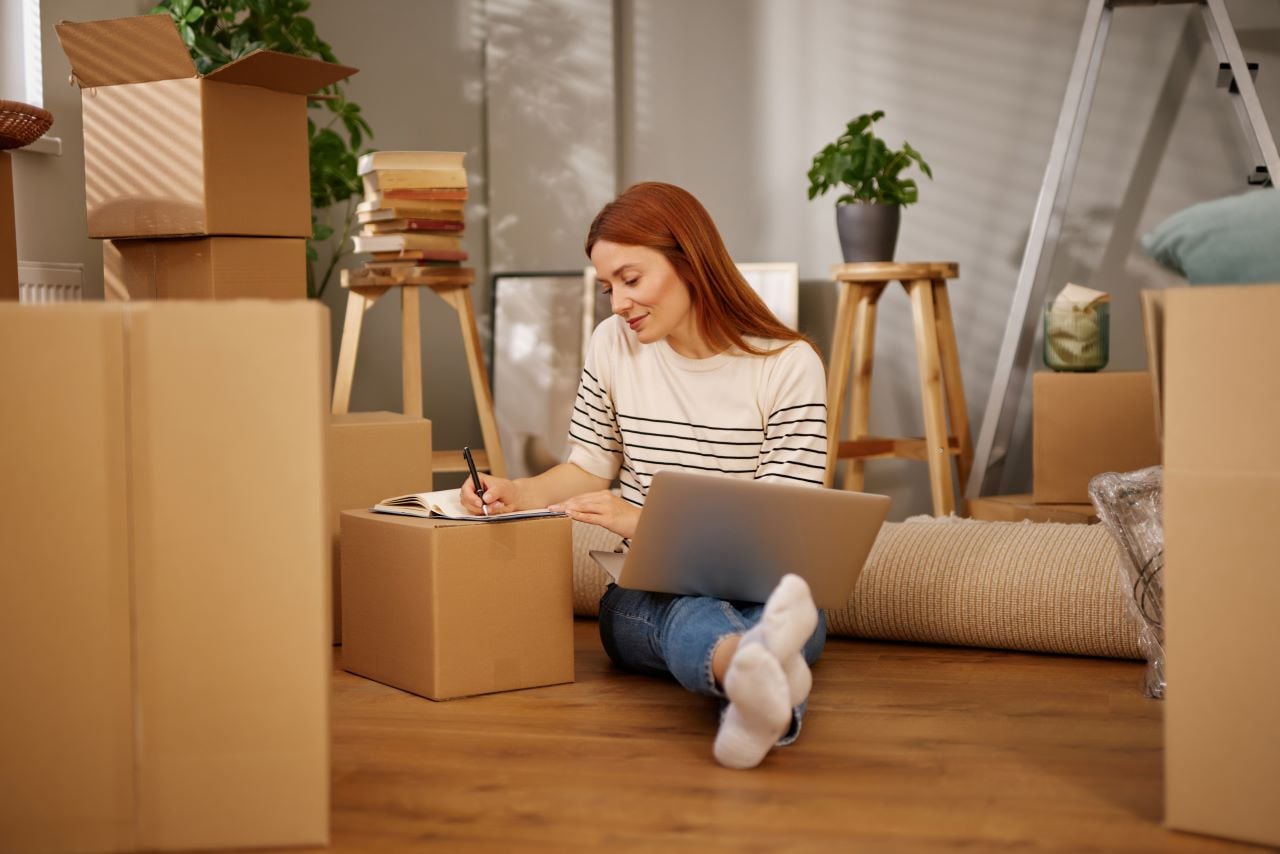
Moving From a House to an Apartment: What to Expect, How to Downsize & How Self Storage Helps
For some, moving from a house to an apartment is a financial decision. For others, it’s about simplifying life. Maybe the kids have moved out and half the house sits empty, or you’re approaching retirement and no longer want to spend weekends on repairs. Or perhaps you’ve been weighing the cost of buying a home and wondering whether renting simply makes more sense right now.
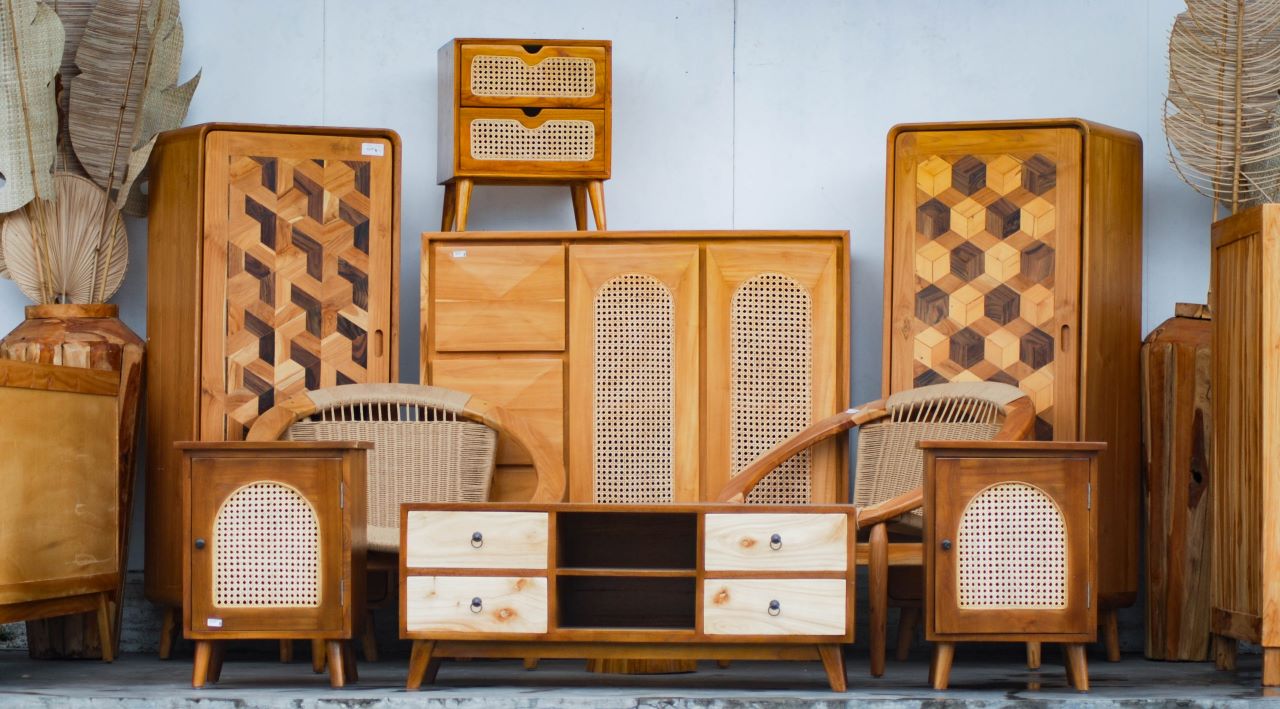
Family Heirlooms Overload: How to Handle Family Inheritance Without Regret
Handling family heirlooms after a loss requires managing legal authority, emotional pressure and practical logistics at the same time, and the order you take them on matters more than most people expect.
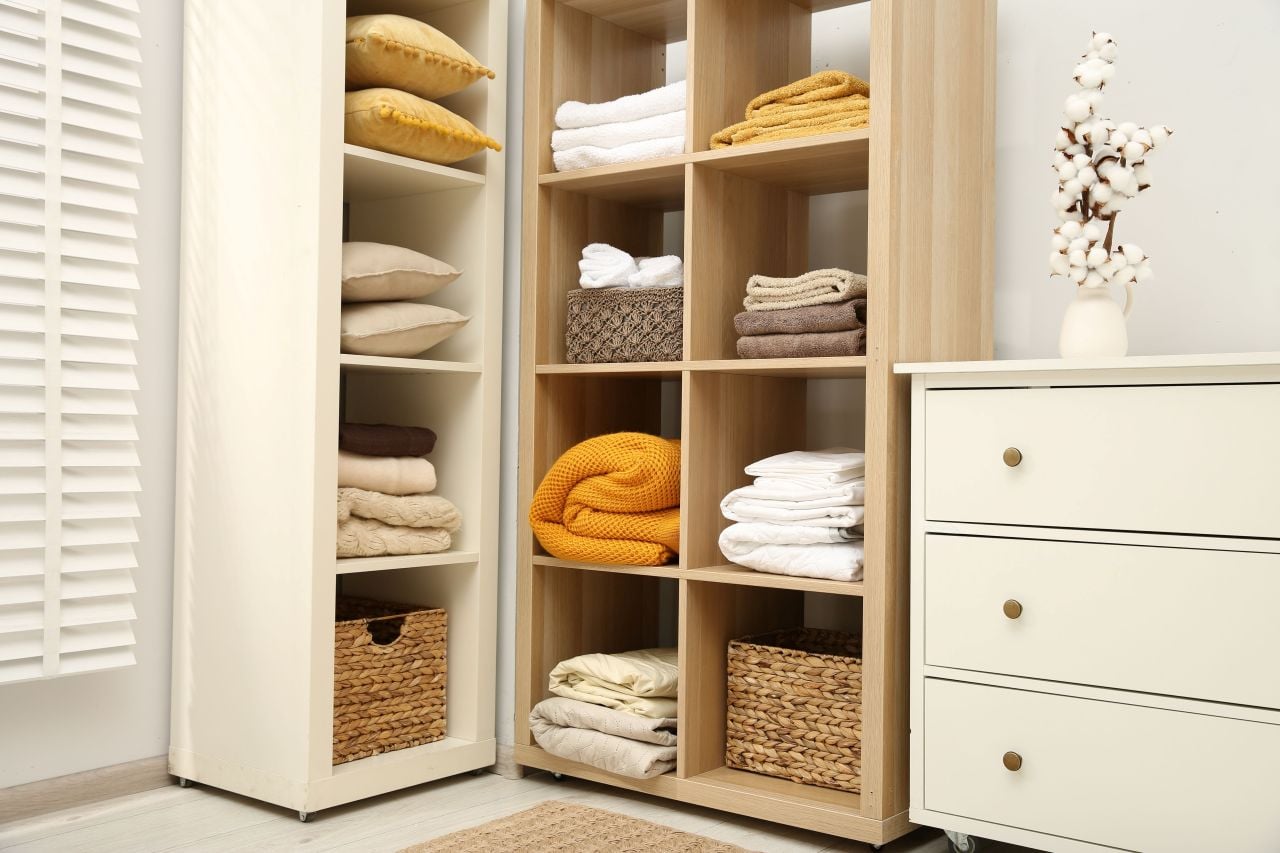
Blanket Storage: The Right Method for Every Space and Season
Blankets make our lives cozier, and storing them well is what keeps them soft and comfortable in the long run. Knowing how to store a blanket properly means your favorites come out of storage smelling fresh, feeling the same as when they went in, and lasting years longer than they otherwise would.

Board Game Storage Ideas That Keep Your Collection in Fighting Shape
Nobody warns you that getting into board games usually unlocks a second hobby, the much dreaded one that includes figuring out where on earth to put them. One game becomes a few, expansions start spawning beside their base boxes and before long, board game storage requires as much strategy as whatever is waiting on the other side of those lids.

Storage Locker vs. Storage Unit: What’s the Difference?
A locker and a unit may sound like two names for the same four walls and a lock, and depending on the storage facility, you may even see the terms used that way. However, once you start comparing available spaces, storage lockers tend to occupy the smaller end of the spectrum, while storage units(opens in new tab) give you considerably more room to work with.

Storage Ideas for Small Spaces: 9 Ways to Max Out Your Home
A messy home contains the seeds of its organization. Those seeds are everywhere: the space above doors, under beds, behind sofas and inside furniture can all become storage. Here are the best storage ideas for small spaces, so you can make the most of your cozy home.

Best U.S. Cities to Live Uncluttered: Plano, TX, Offers the Most Room to Breathe
Clutter is in our homes as much as in our heads. Both are shaped by where we live.
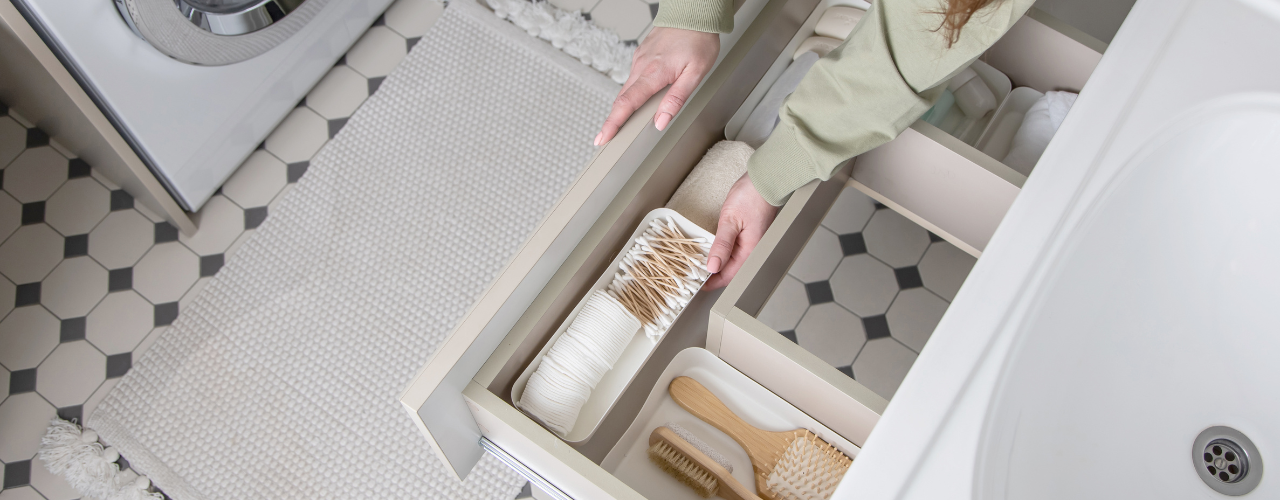
How to Organize Your Bathroom: 8 Ways to Stay Tidy
You already know why an organized bathroom is worth the effort, but let us remind you: it makes rushed mornings easier, keeps counters cleaner and just helps get you in the mood to go through your skincare routine like you should. Plus, in bigger households, it helps everyone find what they need. And you know how much a tidy bathroom counts for your self-esteem when a guest or a partner shows up. Luckily, you don’t need a degree to know how to organize your bathroom. The secret is keeping less, giving every item a home and making that home simple to use. Let’s go through some practical steps can help you create a bathroom that stays functional and nice to look at.

How to Use Silica Gel Packets for Storage
Moisture can cause significant damage to items in storage, leading to rust on tools, mold on clothing and warping in documents. Silica gel uses science to fix that. Often found in small packets inside product packaging, silica gel is a desiccant that absorbs moisture from the air, keeping your stored items dry and protected. This guide explains what silica gel is, how it works and how you can use it to preserve your belongings in self storage.