

Kitchen remodeling is a project with big implications – both financial and in terms of how efficiently you’ll be able to use the space once the remodeling is done. A mid-range kitchen remodel can cost, on average, between $29,000 and $64,000, or between $100 and $250 per square foot. That’s a lot of money, so it’s important that you take your time to plan accordingly and to ensure that you are making the best design choices for your kitchen.
Functionality should be your main concern when it comes to kitchen design – there’s a lot of work going on in the kitchen on a daily basis, so it’s essential to have everything on hand and all your cooking gear well organized. However, aesthetics is also important. You should love how your kitchen looks – otherwise, you won’t feel like spending time in there and trying out new and delicious recipes.
If you’re currently planning for a kitchen remodel, check out these modern kitchen design trends that combine both functionality and an appealing look:
1. Foregoing the open space concept
The open space concept, with the living and kitchen areas flowing seamlessly into one another, dominated design trends for a good while now – it became popular in the 90s. However, this trend might have reached its peak, and the increased popularity of remote working probably had something to do with it.
Spending more time at home, with every member of the family doing their own thing, made people see how important it is to be able to find quiet spaces and privacy. The open space concept makes things harder when, for example, one person is cooking in the kitchen, and another needs to use the living room for a work meeting.

Other disadvantages of open space floorplans are higher cooling and heating costs – in the summer, when you cook, the heat permeates the entire home and your AC has to work harder to maintain a comfortable temperature. Similarly, during winters, you might want to keep the area where you spend most of your time, generally the living room, warmer than the rest of the space, but with an open concept, you obviously can’t do that.
If you’re in the middle of a kitchen remodeling project right now, consider forgoing the open space plan. A closed kitchen means that all the clutter and noises of cooking and mealtime are confined to that space, and the other people in the household can do their own thing without being bothered. If you’re not ready to leave the idea of an open kitchen behind, you can find a compromise. Glass walls, for example, are an elegant way of separating the kitchen area from the living area, while also keeping that airy, open look about your home.
2. Custom organization systems
There’s no such thing as too much storage in a kitchen – and it definitely pays off to maximize every bit of space and nook and cranny in the kitchen. Built-in specialty organizers in your drawers and cabinets, designed to hold various types of cooking gear, such as bakeware, spices, pots and so on, are great for containing clutter and for keeping your utensils on hand, while pull-out cabinets offer easy access to your cooking ingredients. Custom-made shelving in your pantry will help you make the most of that space.

You can take things even further. A floor to ceiling storage cabinet lining a free wall in your kitchen, or located in one of the room’s corners, will probably double the available storage space. It’s important that you plan for these organizing systems ahead of time instead of trying to fit them in after you have already ordered all your kitchen cabinets, so the planning stages of a kitchen remodeling project is the right moment to decide on custom-made organization systems.
However, sometimes, even after integrating a variety of storage systems in the kitchen, it might not be enough. In order to contain the clutter, you have the option of renting a self storage unit for those items you don’t need on a daily basis, like the fine china that’s only for special occasions or the huge roasting tray you use for the Thanksgiving turkey. A 5’x5′ storage unit can hold all that stuff, carving you enough space for the everyday items.
3. Vintage furniture
Vintage furniture brings a bit of warmth and coziness in what could be otherwise perceived as an almost “clinical” space – a brand new, shiny, remodeled kitchen. A large, wooden farm table has a lot more character than a new one, while a set of vintage chairs painted in bold colors could be just the “cherry on top” your kitchen needs to become unique.

Your grandma’s old, massive china cabinet, that you thought it doesn’t have a place in your modern home, can be a very nice addition to your new kitchen. You can stain or paint it in a color that matches the rest of your cabinets, and use it to display your nicer plates, your mug collection, your cooking books and so on.
4. Natural elements and materials
The warm and cozy vibe can be enhanced by using natural materials – and other nature elements – in your kitchen design. From using wood and natural stone as much as possible to smaller touches, like wicker baskets for storage, or setting up a “green corner” where you grow your own potted herbs, there are many ways of bringing nature into your kitchen.

Another trick is to use accent colors that also suggest the idea of nature, such as earth or forest tones – green kitchens are having a moment right now.
5. State of the art appliances
Going back to functionality, it pays off to splurge on high-quality appliances. After all, your baking is only as good as your oven. These high-end fridges and stoves tend to last significantly longer than their budget counterparts, so it might also be the right financial decision.

If buying all new, state-of-the-art appliances is not in your budget, maybe you can pamper yourself with just one such item – for example, if you’re a coffee lover, you could get a fancy espresso machine. The main idea is to spend more on those appliances you use frequently and that are important to you.
Kitchen remodeling should focus on functionality and aesthetics, as well as your family’s habits and preferences. This is a big, expensive project, so take your time and make sure it includes all these elements.


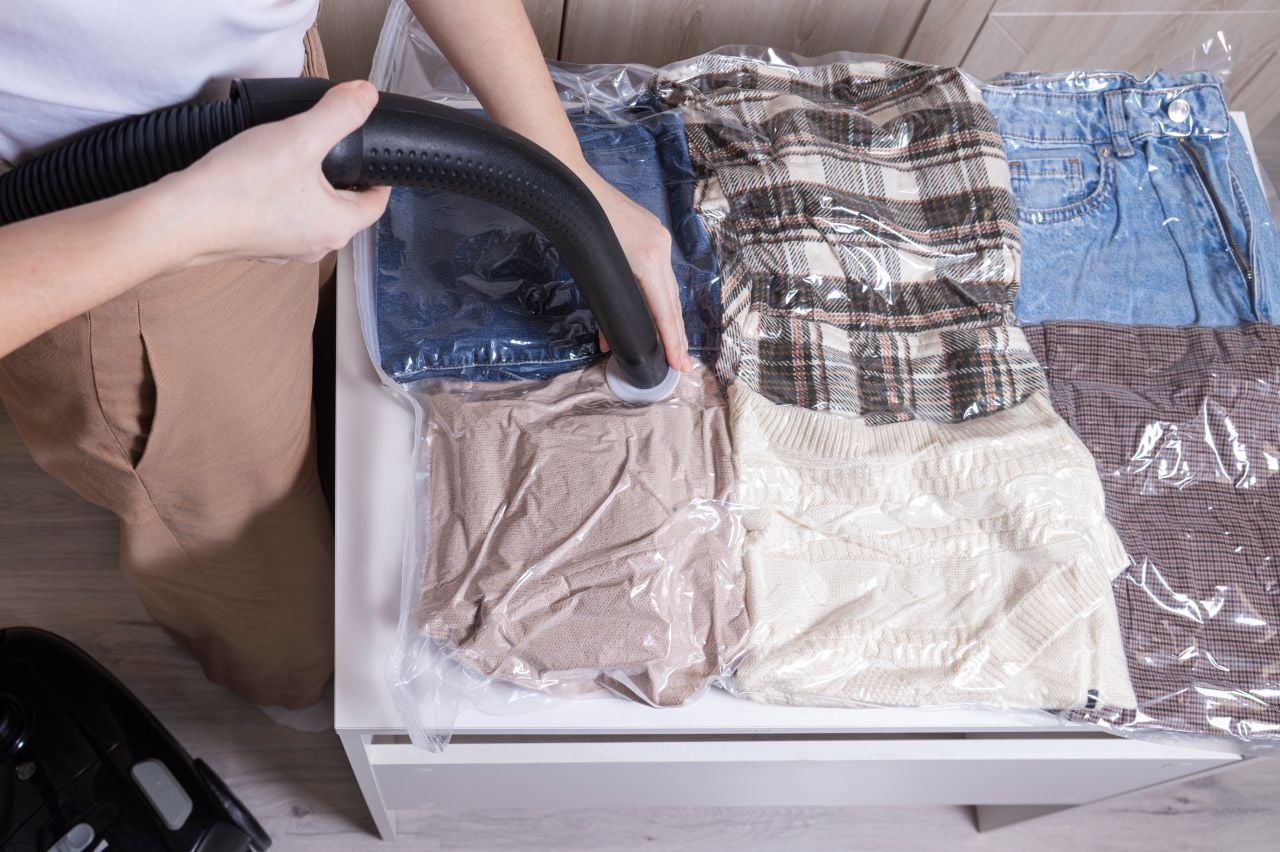
Should You Vacuum Seal Clothes? Everything You Actually Need to Know
Vacuum storage bags seem like the perfect solution when storage space is an issue: suck out the air, shrink that pile of winter sweaters into a fraction of the space and suddenly your closet is no longer overflowing. For the right types of clothes or other household linens, vacuum bags are actually quite handy and a great way to save closet space.

ATV Storage Guide: How To Store and Winterize Your ATV
The riding season is winding down, and that’s when most people start thinking about ATV storage. Keeping an ATV at home isn’t always easy. Garages fill up fast, sheds are rarely built for a four-wheeler and some apartment complexes and homeowners associations don’t allow one in the parking lot or driveway.
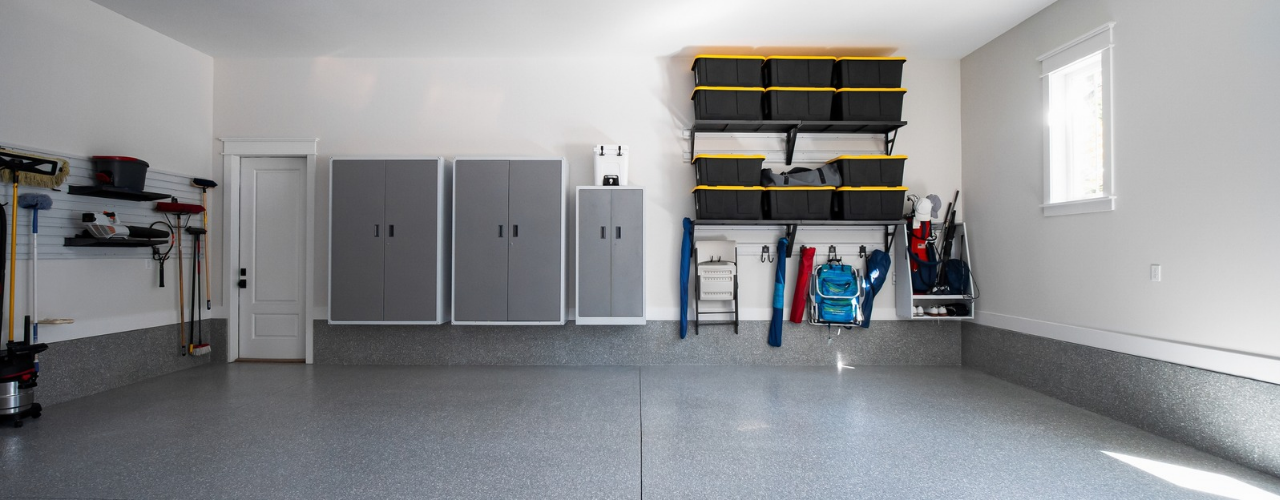
21 Garage Storage Ideas: Free Up Your Floor Space
Garage storage is more important than it sounds, because it helps you move things off the floor and onto walls, ceilings and rolling units. In time, this makes a big difference and saves you from awkwardly tiptoeing around stuff you’ve left on the ground. Use the garage storage ideas below and you’ll build a setup that fits what you own, how often you use it and how much space you have.

How to Move a Piano: Moving, Insurance & Storage Guide
Before we get into the nitty-gritty of the matter, let’s agree on the simple fact that, unlike other types of relocation conundrums, moving a piano is just a very cool thing to see, let alone accomplish. The labor that makes piano concerts possible and keeps legendary instruments alive, a piano relocation takes meticulous planning, special equipment and a crew that really knows their stuff. That is, unless you’re set on recreating the piano crash of a classic Looney Toons gag.
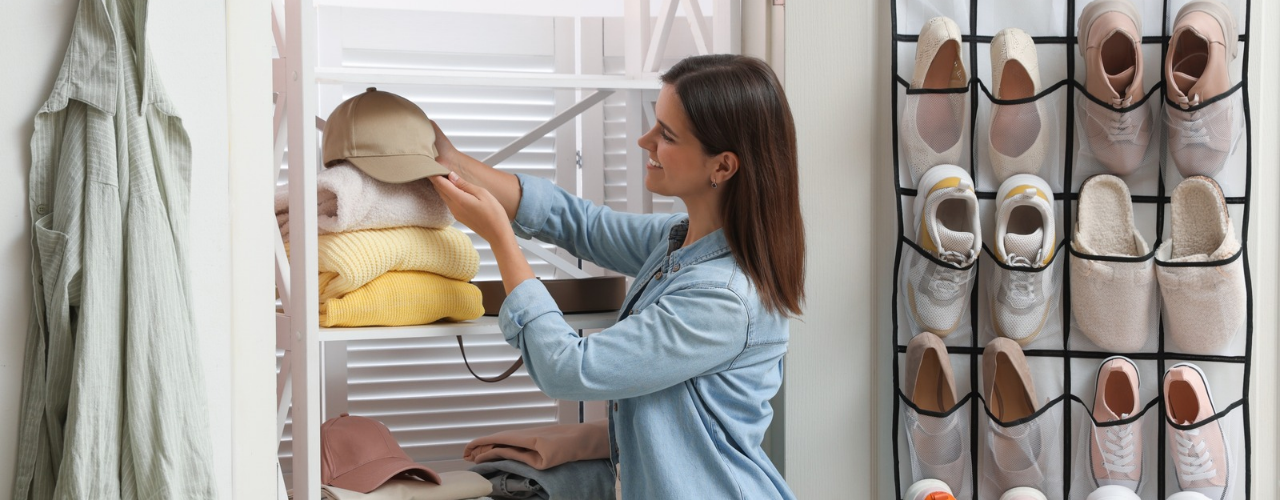
Hall Closet Organization: 30 Ideas for Simpler Storage
Be it built-in, freestanding, or wholly improvised, your hall closet works best when you can grab anything quickly and put it back just as fast. These 30 ideas for organizing your hall closet walk you through planning, deciding where things go, choosing the right containers and way more. By the end, you’ll even know what to do when your closet still runs out of room.

Holiday Decoration Storage: A Guide for Every Season
Taking down the holiday decorations is never as exciting as putting them up. One minute, your home is looking wonderfully festive, and the next, you’re trying to remember which box the Christmas ornaments came in while wrestling with a string of lights that managed to tie itself into a dozen knots. With every holiday bringing its own collection of decorations, a good holiday decoration storage system helps you keep a growing collection under control.

Where to Get Moving Boxes in Philadelphia
Philadelphia’s historic charm can put your patience to the test on moving day. Between cobblestone streets, narrow rowhouse entrances and the occasional pothole, you don’t want to worry about not having enough boxes on top of it all. Start gathering your moving boxes early and you’ll have one less box to check off on packing day. Luckily, you have plenty of places to get your boxes from.

Art Supply Storage from A to Easel
Paint tubes, brushes, sketchbooks, scraps of paper, beads, half-used rolls of tape and that one very specific pen you swear you just had in your hand. Building up an art supply collection is rarely a neat process, and each new material brings its own storage needs.

Scary Good DIY Halloween Decorations That Won’t Haunt Your Wallet
A few floating candles in the hallway, a family of ghosts by the front door and a suspicious number of bats climbing up the bedroom wall can make October feel a whole lot spookier. While Halloween stores are full of tempting finds, some of the best DIY Halloween decorations can come from things you already have tucked away in drawers, closets or the recycling bin.