

Who doesn’t love traveling? Most of us spend months planning the perfect vacation – and, of course, one of the greatest sources of inspiration for future travels are the gorgeous photos we see published by travel agencies or displayed on the perfectly manicured Instagram accounts of various travel influencers.
Finding inspiration for your travel is important, but you also need to be realistic and understand that most destinations won’t completely reflect the promotional images you generally see online. Those photos are usually taken by professional photographers (or, at least, very experienced social media influencers) who pick the best angles and the best moments of the day to get the shot. It’s not to say that the popular tourist destinations are not gorgeous and absolutely worth visiting – but a bit of expectation management will help avoid being underwhelmed while on holiday.
The phenomenon even has a name: the Paris syndrome, which is a sense of disappointment that some tourists visiting Paris experience because they feel that the city is not how they imagined or how they saw it in pictures and movies.
The more popular a destination is, the more you see it reflected in the media, and the higher the chances you’ll have unrealistic expectations about it. In order to combat this common phenomenon and help you start your holiday on the right foot, check out our list of some of the most popular tourist destinations worldwide and what to expect from each:
1. The Great Wall of China
The Great Wall of China is truly a wonder of engineering and what humans are capable of building. Since the wall is great indeed, with a total length of over 13,000 miles, you can access it in multiple locations. Most international tourists choose to visit the wall areas close to the capital city of Beijing. These areas are also well-restored, so it makes sense to visit here. However, don’t expect to stroll down romantic fortifications, enjoying the scenery with no one in sight. The wall, as you can imagine, is a very popular destination, and chances are you’ll share the privilege of seeing it with many, many other people.
-
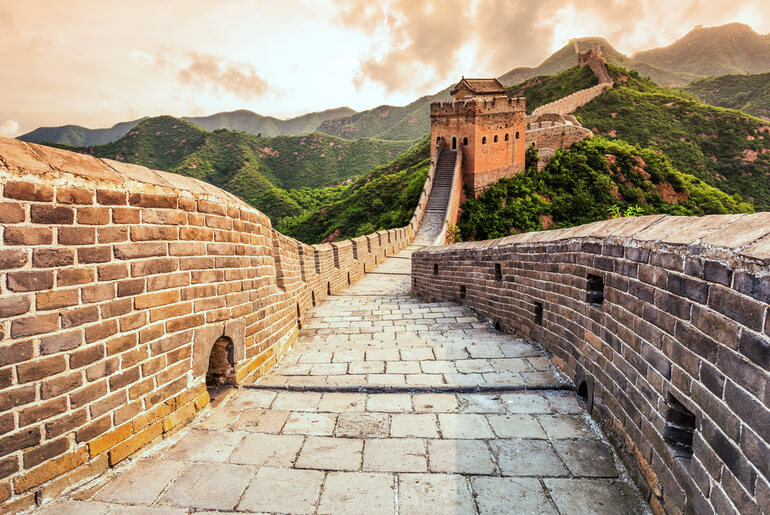
- Expectation
-

- Reality
2. Tour Eiffel, Paris
Speaking of Paris and the Paris syndrome, the Eiffel Tower is the city’s iconic landmark that everyone wants to see – and take a great photo with. However, there are not only droves of tourists around the Eiffel Tower but also a huge number of souvenirs and knick knack sellers trying to tempt you with everything from balloons to T-shirts and replicas of the tower. Still, it’s totally worth visiting. Just be advised that it might take a while to obtain that perfect Tour Eiffel pic (without other 10 to 20 people in the frame).
-
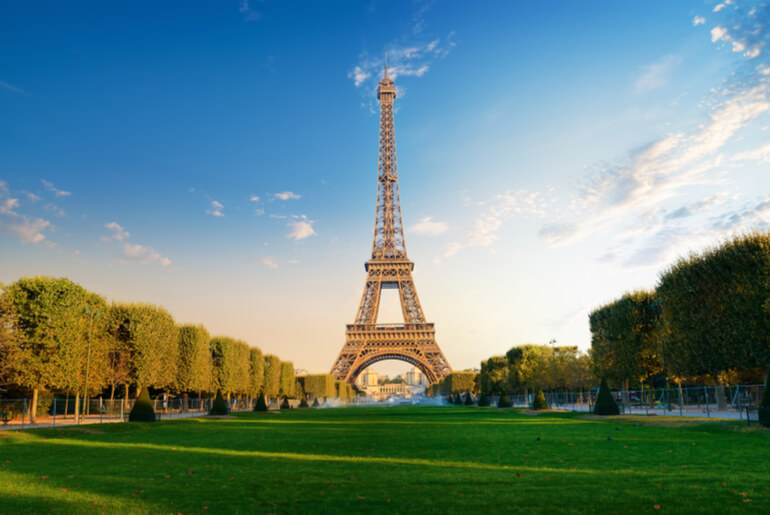
- Expectation
-
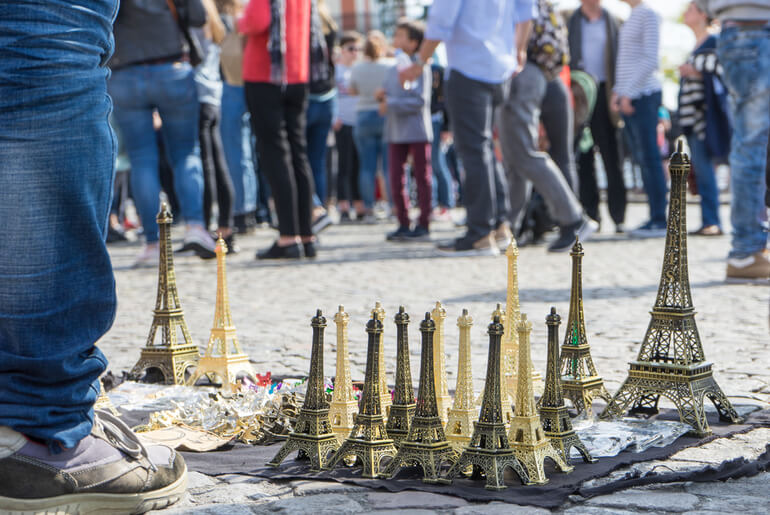
- Reality
3. Venice, Italy
One of the world’s most unique cities, Venice is also an incredibly popular destination for tourists from all over the world. Over five million people visit Venice every year, a city known for its canals, narrow alleys, and many bridges. As a result, Venice tends to be pretty crowded, particularly around its most famous landmarks, such as St. Mark’s Square, Doge’s Palace and Rialto Bridge.
-
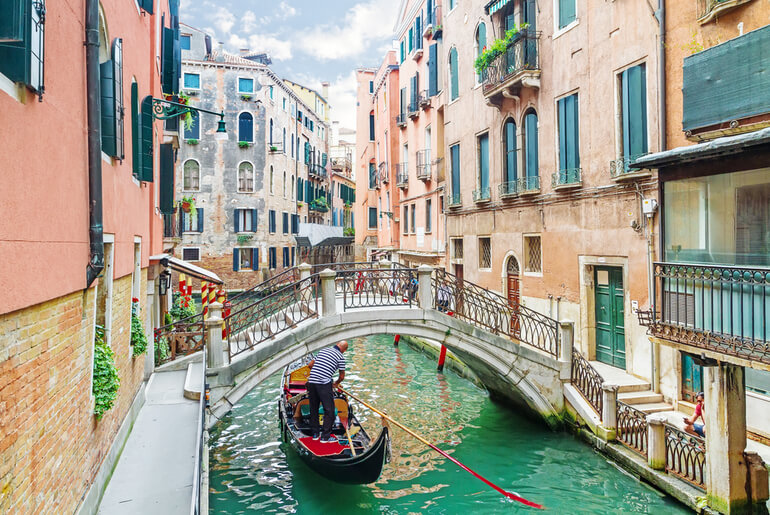
- Expectation
-
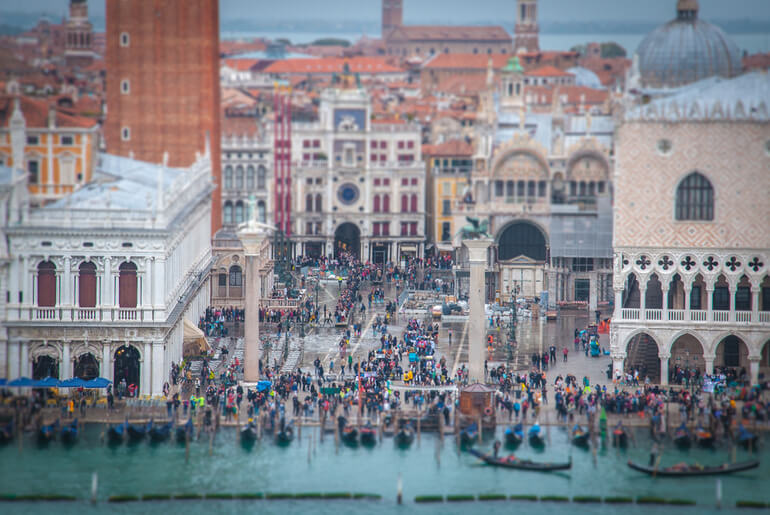
- Reality
4. Santorini, Greece
Santorini is a very Instagrammable place, a small Mediterranean island with traditional towns and villages featuring whitewashed houses, bright blue roofs, and cobblestone streets lined with colorful flowerpots. Of course, ideally, you would be walking along those streets at sunset, absorbing all its beauty and enjoying it in tranquility. In fact, crowds of people are massing on the streets of its popular Oia and Fira towns virtually every evening, waiting to take the perfect pic of said sunset.
-
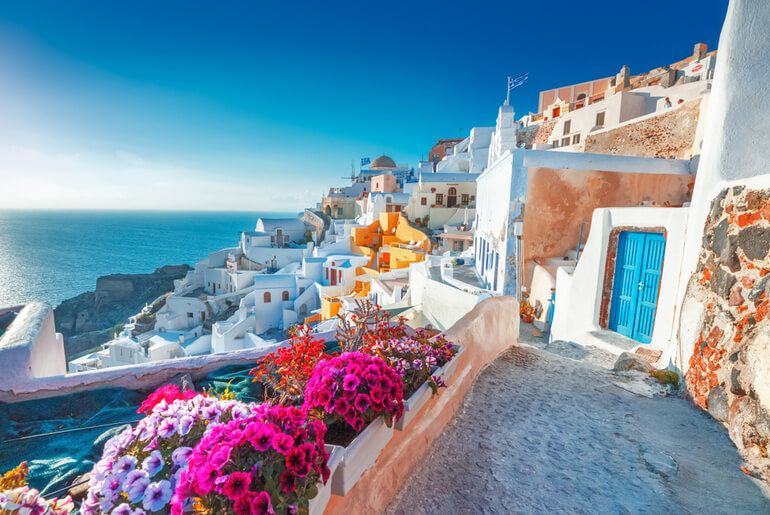
- Expectation
-
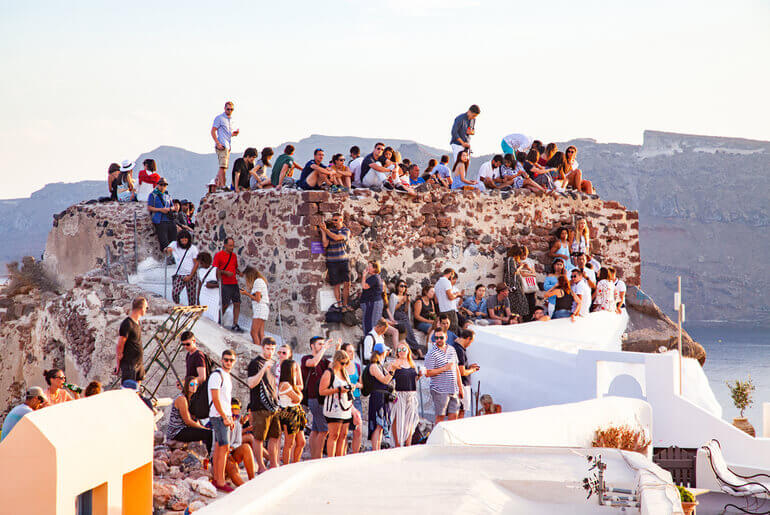
- Reality
5. The Taj Mahal
Located in the Indian city of Agra, the white marble Taj Mahal has a rather romantic backstory – the beautiful building was commissioned by emperor Shah Jahan I to house the tomb of his wife. The tomb is the centerpiece of a large complex that includes formal gardens, a mosque, and other buildings. It’s one of the world’s most famous and most visited places – so don’t expect unobstructed views.
-
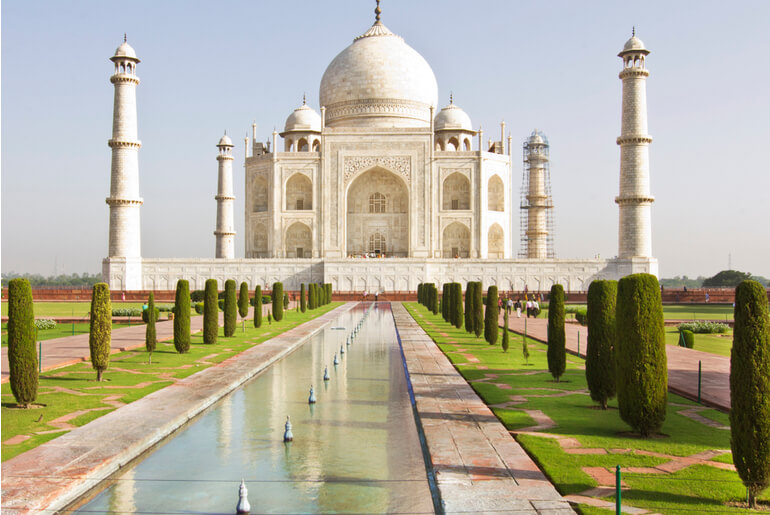
- Expectation
-
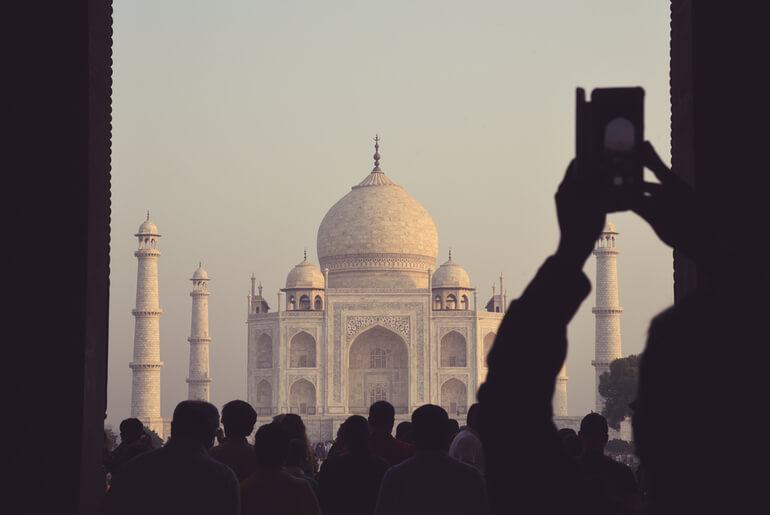
- Reality
6. Rome
Enjoying gelato in Rome, on its famous Spanish Steps – now that’s a scenario that many tourists planning to visit Rome play in their heads. It’s no wonder, then, that said steps are pretty crowded, and it will take a while until you find a spot to enjoy your ice cream.
-
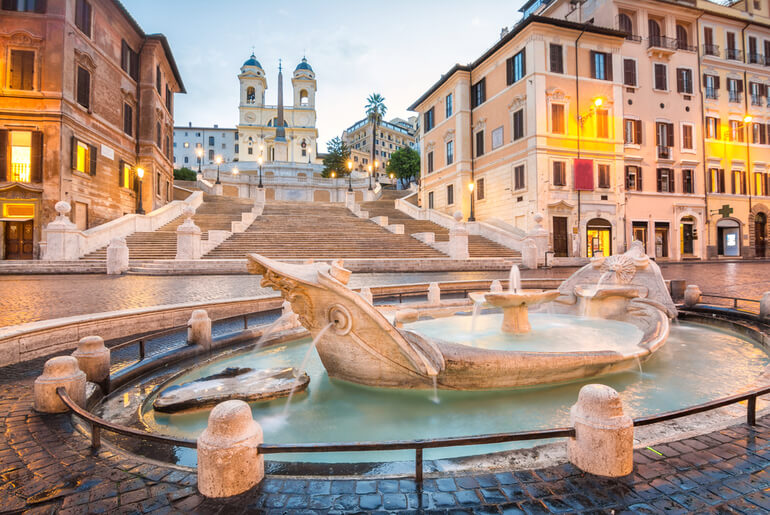
- Expectation
-
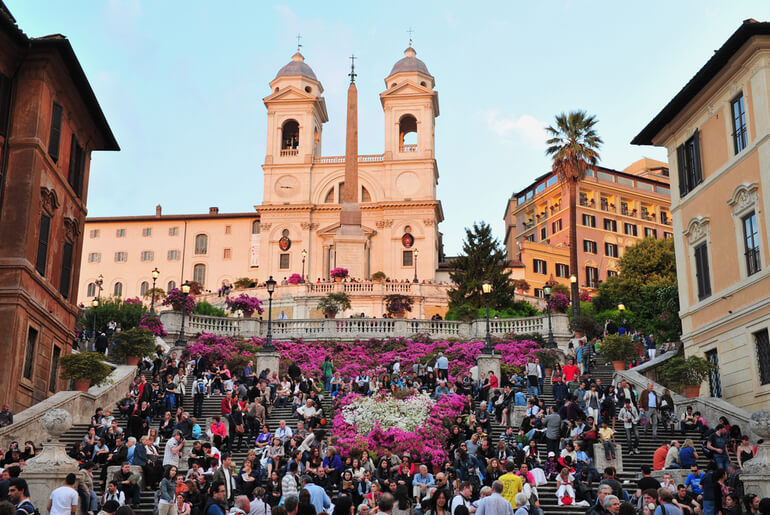
- Reality
7. Yellowstone
Moving on to domestic destinations, Yellowstone is one place where people generally expect peace and quiet. And you can absolutely get that, as Yellowstone is huge – all you need to do is get off the beaten path. However, the most famous national attractions in the park, such as the Old Faithful geyser, might be a bit more populated than you envisioned.
-
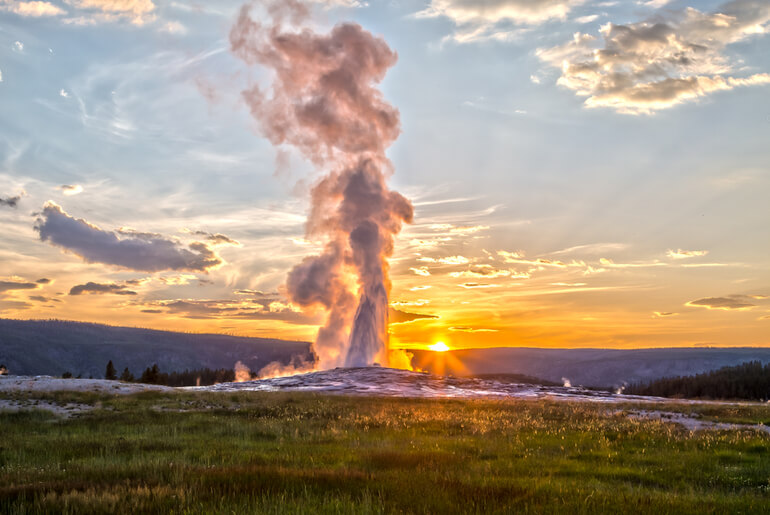
- Expectation
-
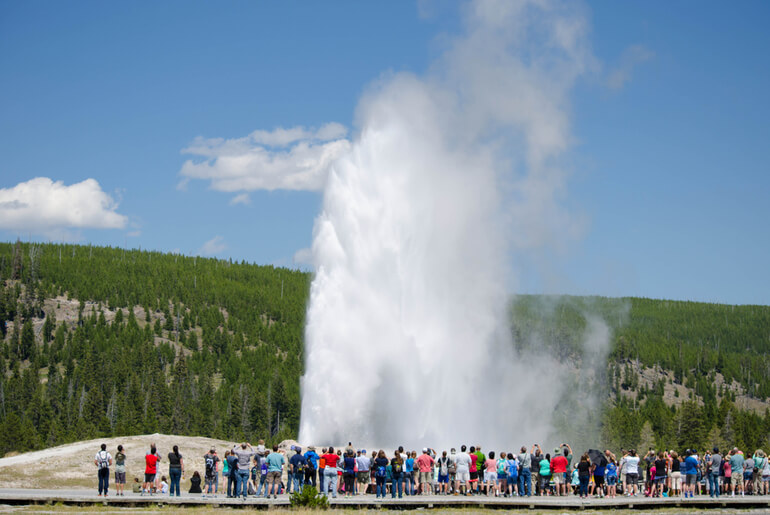
- Reality
8. Central Park in New York City
We all expect NYC to be crowded, so there are no unrealistic assumptions there. It’s part of the experience, in fact. Times Square would not be Time Square without all the animation. However, you might not realize that even Central Park is teeming with people all day, every day, so don’t expect solitary walks in its alleys
-
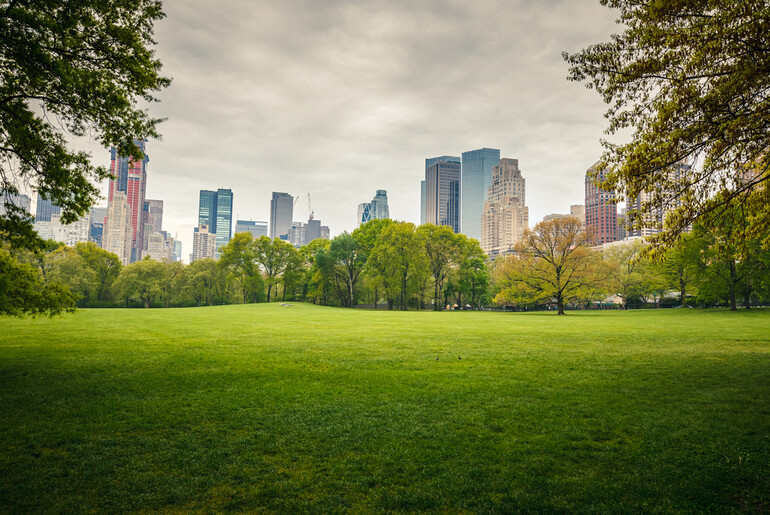
- Expectation
-
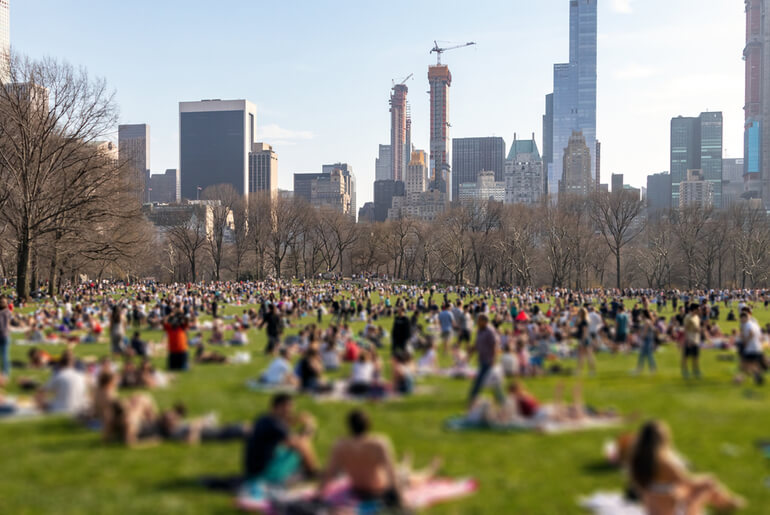
- Reality
9. Niagara Falls
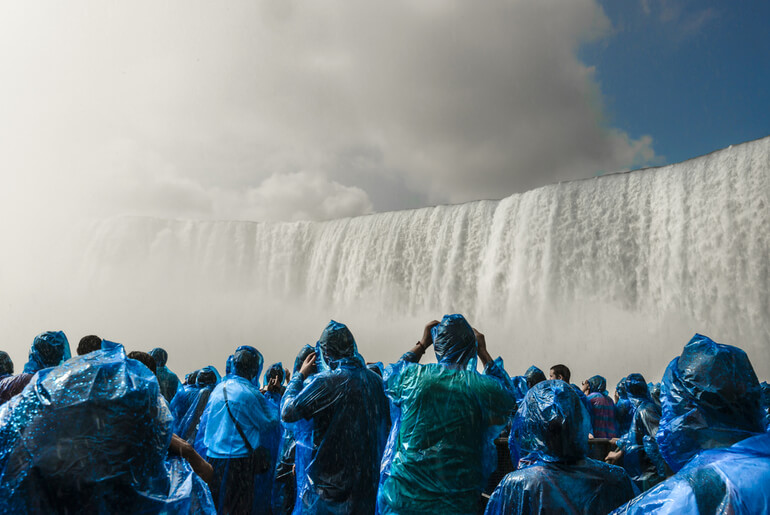
When planning to visit Niagara Falls, you probably think about all those panoramic views of the waterfall you so often admired in images and videos. However, you should know that visiting Niagara Falls also involves being splashed alongside dozens of other people.
-
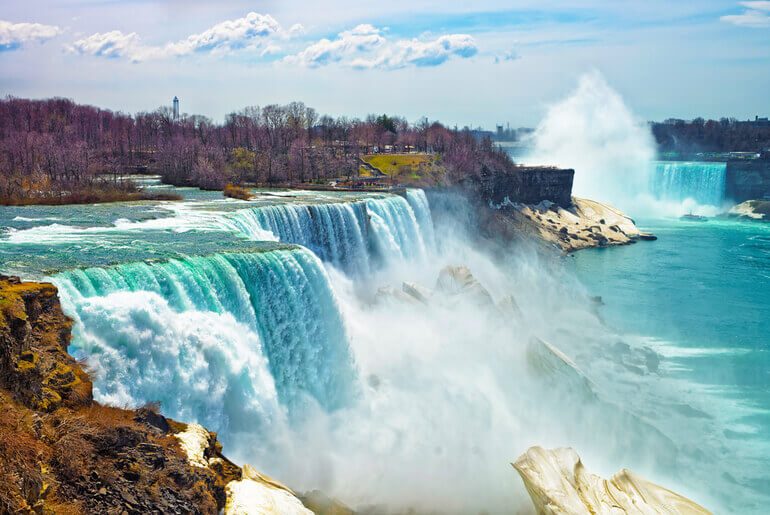
- Expectation
-
- Reality
10. The Grand Canyon
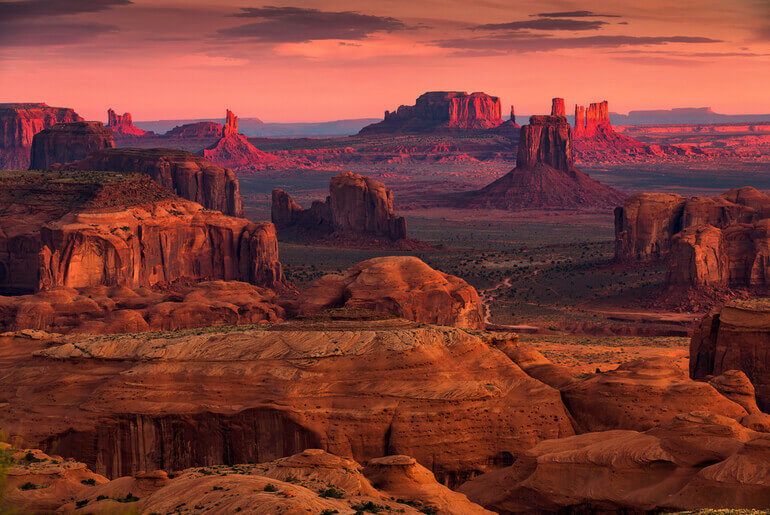
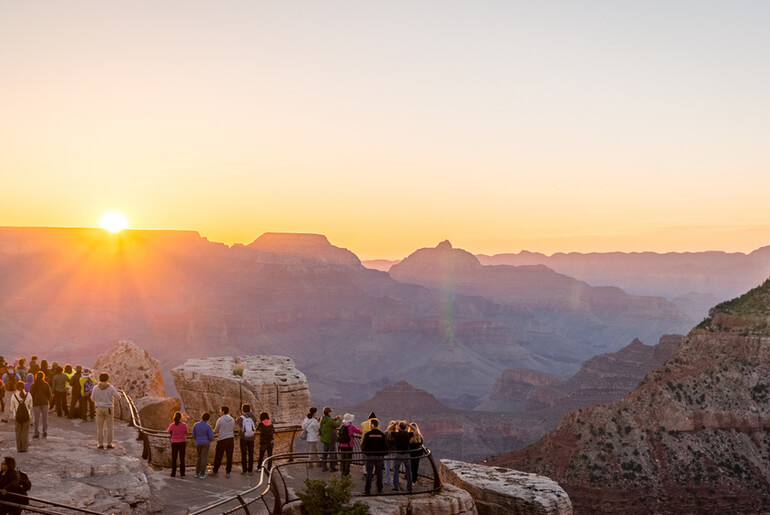
Sun rising on the Grand Canyon is truly a natural spectacle – and you should experience it if you have the chance. Of course, you’ll have to share the moment with many, many other tourists, but it will be an unforgettable view, nonetheless.
-
- Expectation
-
- Reality
Here’s how to avoid crowds while traveling
Adjusting your expectations while traveling is a very good way of ensuring you’ll have a nice vacation. However, if you want the picture-perfect holiday, there are ways of ensuring you get as close to that as possible. Here are some ideas on how to avoid crowds while traveling:
1. Take your time
Recent societal developments, such as the adoption of remote working policies for a good portion of the workforce, allow us to travel differently and more extensively. You could, for example, take the digital nomad route and work from abroad for several months or even longer. This way, you’ll be able to visit popular attractions off season, or during those times of day when they are less likely to be crowded.
Relocating abroad for a few months, or longer, can be an adjustment, but it allows you to leisurely visit multiple locations while paying for the long-distance flight only once. If you consider taking the plunge, you need to first organize things at home. Talk to your employer to ensure that you can indeed work from abroad, find accommodations at your new destination, and don’t forget to put your car and other belongings in self storage (this way, you won’t have to pay rent while you’re away).
Check out self storage availability and costs in some of the country’s major cities:
[vc_column width=”1/3″][vc_column_text]
[/vc_column_text][/vc_column]
[vc_column width=”1/3″][vc_column_text]
[/vc_column_text][/vc_column]
[vc_column width=”1/3″][vc_column_text]
[/vc_column_text][/vc_column]
2. RVing is an option
Speaking of working remotely, you can combine that with a long, cross-country, RV trip, that allows you to visit popular tourist attractions at your leisure. RVing is becoming increasingly popular, and you’ll easily find campsites along the way and other services catering to RV travelers.
3. Combine popular attractions with lesser-known ones
Do a bit of research before traveling and identify interesting, albeit not quite as famous, tourist attractions located close to the main ones you plan on visiting. This allows you to check out all the “must-see” places while saving time for quieter, off the beaten path locations that will offer just as much joy.
4. Check out crowd calendars
Many popular attractions publish crowd calendars online, or the estimated number of visitors based on previous seasons. If that’s not available, you can also tap into Google’s “popular times” feature (and, obviously, avoid those times).
5. Take into account local events, holidays, or festivals, before booking your tickets
Holidays, festivals, and other local events can make a city, or a particular attraction, a lot more crowded than usual or, on the contrary, inaccessible. If you were a foreign tourist in the US, you wouldn’t want to come during Thanksgiving, right? Traveling is madness, and almost everything is closed – definitely not a good time to be a tourist. Do proper research before traveling anywhere to avoid such an unpleasant scenario from happening to you.



Living Room Storage Ideas: 28 Ways to Reclaim Your Hosting Space
If a living room is where most of a household’s living happens, good storage should be the top priority for setting up or revamping the place. After all, think of how easier it would be to have people over when tidying up the place is just a matter of putting things in their right place (in a time when fewer and fewer people are entertaining friends at home(opens in new tab)). The trick is making room for all those wayward clothes, blankets, chargers and other small things that end up on (or, inexplicably, in) the sofa. Here are 28 living room storage ideas to get you started and make tidying up a quick affair.

25 Mudroom Storage Ideas (And Mistakes to Avoid)
When you come home with muddy boots, an armful of bags and a coat you can’t wait to take off, it’s nice to have somewhere to put it all. With a mudroom, you can leave the outdoor mess at the door instead of carrying it through the house. Traditionally, you’d set aside a separate room, but you can just as easily use a hallway, an entryway closet, a laundry-room corner or a stretch of wall near the entrance.

Is Your Home Office Worth the Rent? What Coworking and Self Storage Could Save You
Every square foot of your apartment comes with a price tag, and a home office claims more of them than most renters expect. It starts with a desk. Then come the second monitor, the printer, the filing cabinet and the overflow boxes. Before long, the corner you set aside for work has turned into a small room you are paying for every month.

Best U.S. Cities to Live Uncluttered: Plano, TX, Offers the Most Room to Breathe
Clutter is in our homes as much as in our heads. Both are shaped by where we live.

America’s Top Snowbird Destinations for 2026–2027: Florida Leads in Numbers, Texas Wins on Value
For Americans living in colder states, the approach of winter is reason enough to start looking south. Cold weather carries costs that go beyond the heating bill and shoveling snow. Seasonal affective disorder(opens in new tab) is far more prevalent in northern states, so a temporary move south isn’t simply an escape from the cold, but a chance to spend the hardest stretch of winter outdoors and in the sun.

How Much Does Halloween Really Cost in 2026? Plan Wisely to Avoid the Scare of Hidden Costs
Americans’ love for Halloween is almost frightening — this year alone, we are on our way to spending $13.5 billion, according to data from the National Retail Federation(opens in new tab). That breaks down to about $115 Halloween costs per person, a whopping 49% more than 10 years ago.

How to Store LEGOs: All the Fun, None of the Clutter
How to store LEGOs largely comes down to how your household uses them. If the bricks are part of everyday play, you need a setup that keeps them within easy reach and makes cleanup quick (for your feet’s sake, at least). Toy storage(opens in new tab) such as simple bins, playmats or containers that children can put away themselves may be enough. Larger or more serious collections usually need more organization, such as labelled drawers for loose pieces, trays for unfinished builds, shelves for completed models and separate storage for retired sets.

Cardboard Costume Guide: Tips and Ideas for a DIY Halloween
Whether for kids or adults, cardboard costume ideas often make the biggest splash once materialized, and that’s for a simple reason: doing a lot with a little is a universally impressive feat (especially in this economy). If you don’t have enough boxes you could temporarily repurpose, don’t worry! There are many places where you can find free moving boxes(opens in new tab), from stores and supermarkets to online groups and recycling drop-off spots. On the run? Try your luck at a self storage(opens in new tab) facility that sells moving supplies, often for cheap. This way, you can choose moving boxes of different shapes and sizes(opens in new tab), so you can make your costumes as complex as you want.

How to Celebrate Halloween: 9 Non-Spooky Ways To Enjoy It
As soon as October starts, it’s the official Halloween month. And while for many people it means it’s open season to get the scare of a lifetime, others, especially families with small children, might prefer to celebrate in a tamer way that’s both kid- and adult-friendly. While you’re likely to find more events where the spook factor is high, here’s how to celebrate Halloween in a not-so-scary way: