

Whether you are raising one child or several, whether they are toddlers, teenagers or anything in between, and whether you are living in a small apartment in a large house, there is one constant every parent has to deal with: the dreaded clutter.
Besides being really, really cute, kids are also a never-ending, perpetual source of clutter. Their bedrooms are full of a myriad of small toys, clothes, books, pieces of paper so precious that you’re forbidden from ever throwing away, rocks, leaves, and so much more. Before the madness takes your entire home over, you need to step up and reclaim your space.
Deal with the issue early on, when it’s easy to manage. Set up house rules that everyone must follow, and you’ll not only be enjoying a clean, neat home, but you’ll also be teaching your children valuable skills they’ll be using their entire lives.
Tackle the Clutter Head-on
There isn’t a short-cut around it. You need to summon the courage and the patience to tackle the mess. Do it together with your child – you’ll avoid endless discussions later about toys you decided to donate and clothes you got rid of.
Get bags for things to donate, things to recycle and things to throw away. Go through all the stuff and decide with your child which toys they really want to keep and which ones you can donate. Throw out useless papers and broken crayons and keep only the items that are in good condition.
Do the same things with clothes and shoes. Children grow fast, so there is always a big chance that their closet contains more than a few items they outgrew. Implement the rule that children can’t get any more toys until they agree to give up on an old one. This will keep the number of toys in your home under control, will save you money, and will teach your child to appreciate all that he or she owns.
It doesn’t matter where you’re living, whether it’s a small apartment in Los Angeles or a decent-sized home in Denver’s suburbs. There never seems to be enough storage space for all your children’s items, and you might need self-storage. Renting a self-storage unit in Los Angeles, for example, will cost you $183 per month for a 10×10 unit. However, you get to save your expensive baby items for the future, and you’ll suddenly have a lot more space at home, so it’s a good compromise.

A Place for Everything
One basic rule for keeping a neat home is to have a designated spot for everything. From the moment your children enter the house, they need to know where to put their shoes, coats, and school and sport bags.
The same principle needs to be followed throughout the entire house. Toys, books, clothes, sport equipment, school papers – find a place for each category of items. Use inexpensive, easy-to-move, everyday objects to create extra storage space, if needed: baskets, crates that you can stack one on top of the other, hanging nets for stuffed animals and so on.
Shelves mounted directly on the walls are a simple, yet effective way to help you organize your child’s bedroom. Make sure your children can reach all the shelves and storage spaces by themselves – otherwise, they won’t be able to practice what you’re preaching.
And Everything in Its Place
Now that you got rid of all the unnecessary bulk and created enough storage space at home, teach your kids to put their things away and turn this into a daily task. Be consistent and enforce the rules every day. Remind your children during their daily routine to clean up after themselves.
Simple gestures like putting their shoes where they belong as soon as coming inside, or picking up their toys every evening, can be taught from an early age, and the benefits are numerous. Your children will grow up with great habits that will make their lives a lot easier as a grown up and, at the same time, you’ll spend a lot less time tidying up your own home.


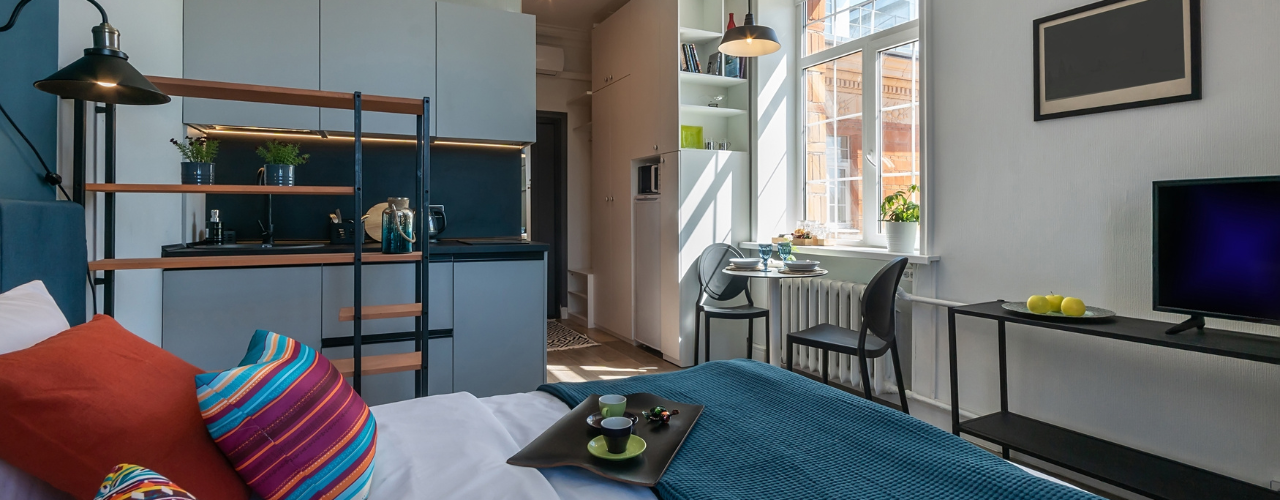
Storage Ideas for Small Spaces: 9 Ways to Max Out Your Home
A messy home contains the seeds of its organization. Those seeds are everywhere: the space above doors, under beds, behind sofas and inside furniture can all become storage. Here are the best storage ideas for small spaces, so you can make the most of your cozy home.
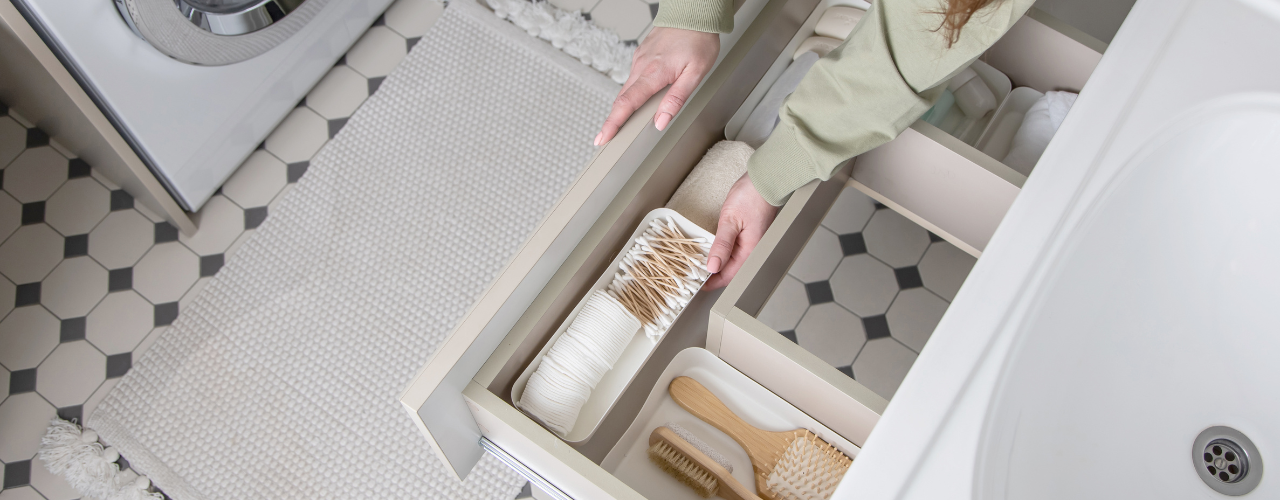
How to Organize Your Bathroom: 8 Ways to Stay Tidy
You already know why an organized bathroom is worth the effort, but let us remind you: it makes rushed mornings easier, keeps counters cleaner and just helps get you in the mood to go through your skincare routine like you should. Plus, in bigger households, it helps everyone find what they need. And you know how much a tidy bathroom counts for your self-esteem when a guest or a partner shows up. Luckily, you don’t need a degree to know how to organize your bathroom. The secret is keeping less, giving every item a home and making that home simple to use. Let’s go through some practical steps can help you create a bathroom that stays functional and nice to look at.
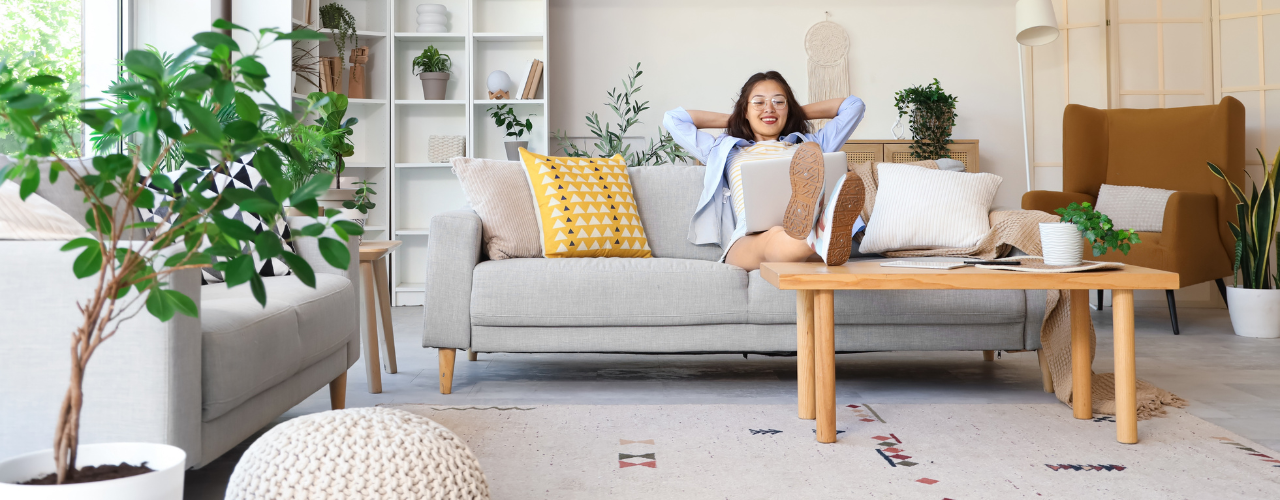
Best U.S. Cities to Live Uncluttered: Plano, TX, Offers the Most Room to Breathe
Clutter is in our homes as much as in our heads. Both are shaped by where we live.

How to Use Silica Gel Packets for Storage
Moisture can cause significant damage to items in storage, leading to rust on tools, mold on clothing and warping in documents. Silica gel uses science to fix that. Often found in small packets inside product packaging, silica gel is a desiccant that absorbs moisture from the air, keeping your stored items dry and protected. This guide explains what silica gel is, how it works and how you can use it to preserve your belongings in self storage.
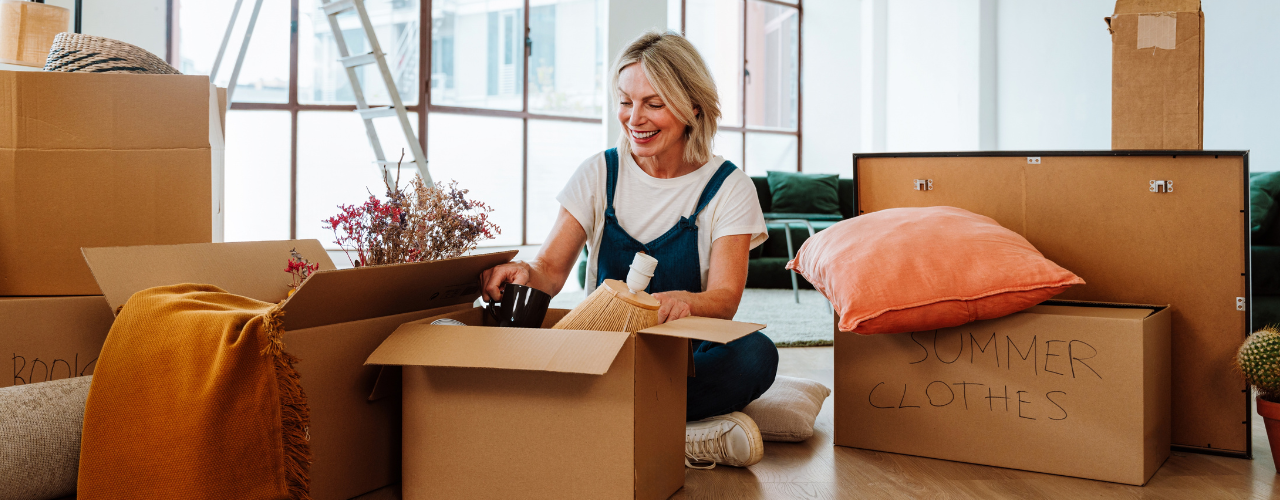
Where to Find Moving Boxes in Los Angeles
Moving in Los Angeles is its own thing, and figuring out where to get moving boxes sorted is just the start of everything you’ll need to organize before moving day.
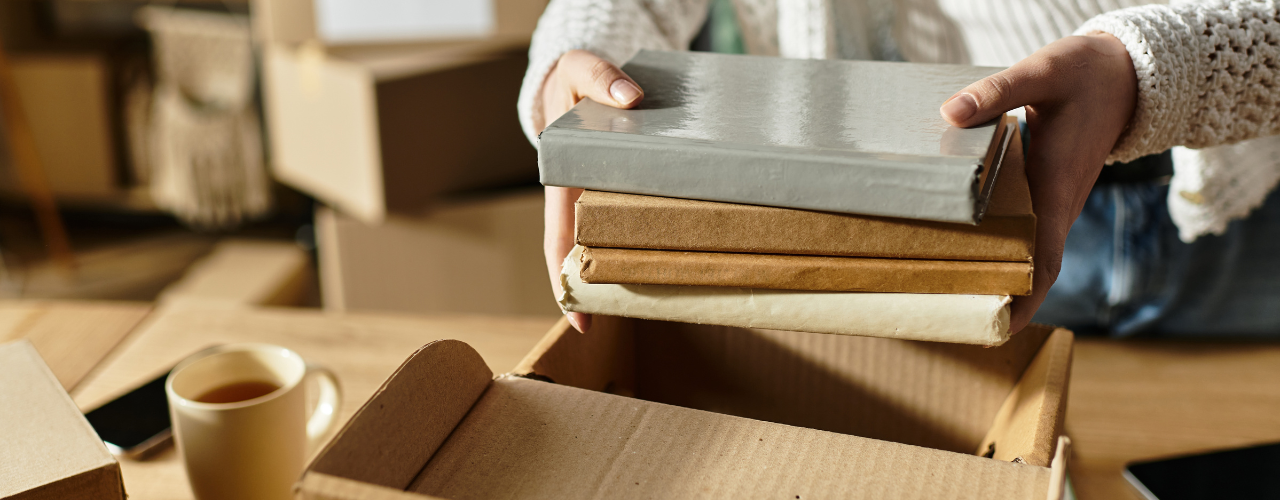
10 Best Places to Donate Books in Philadelphia
Did you know Philadelphia’s book-sharing roots go back to 1731? Benjamin Franklin and The Junto Club gathered their personal collections into a shared library, thus sparking a tradition of pooling knowledge for the common good. Today, you can carry on that spirit by donating books to local organizations and free libraries.
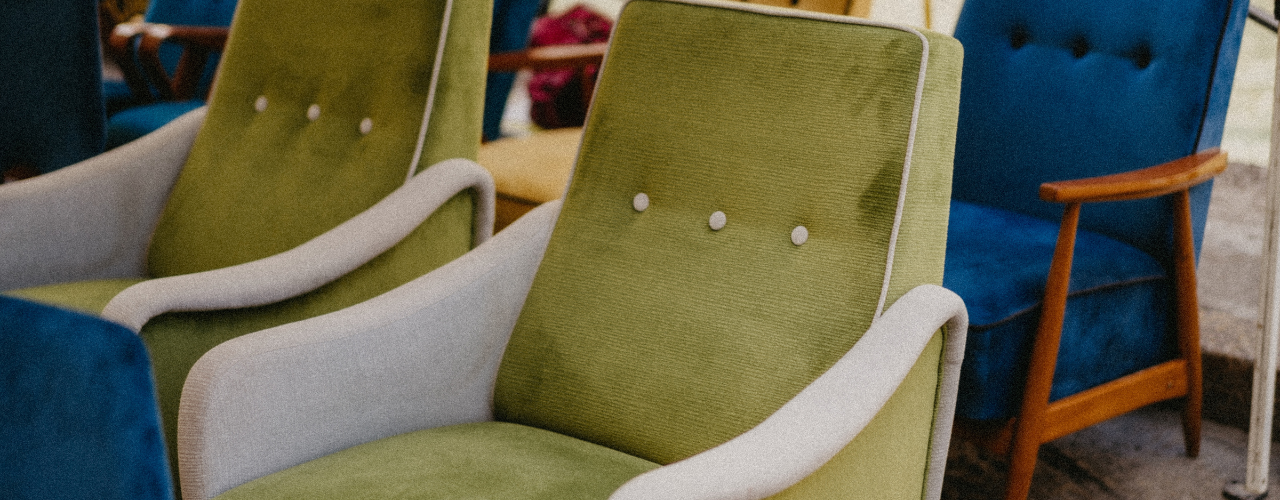
How to Sell Furniture (For Quick Deals and Side-Hustles)
Selling used furniture can be quick, profitable and even rewarding if you know where to list, how to present your pieces and what buyers are looking for. Just a tiny bit of patience and some good planning will take you a long way. This guide covers everything you need to sell your furniture efficiently and safely, for the best possible price.
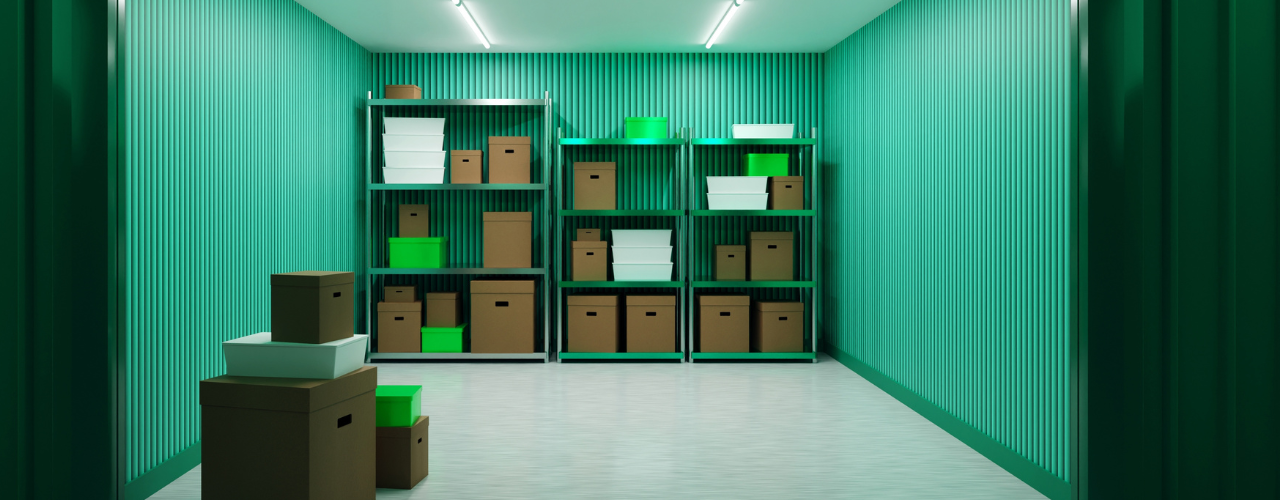
1 in 4 Americans Rent Self Storage — and the Next Wave Is Already Coming
About one in four Americans is already using self storage and just as many are actively searching for a unit online right now. Across the 150 largest U.S. cities, self storage searches rose 23% year-over-year in 2025 — nearly triple the growth recorded the previous year, up from around 8% in 2024.
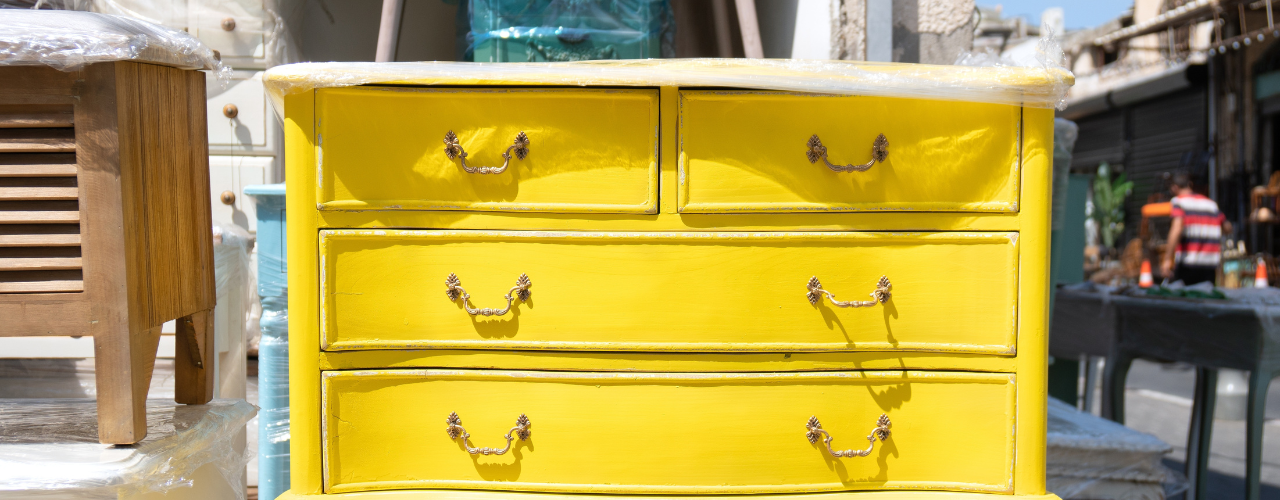
Where to Donate Furniture in Philadelphia
Philadelphia has a strong tradition of giving back, and donating furniture is a practical way to support local charities while freeing up space in your home. Whether you’re downsizing, moving, or just decluttering, there are plenty of organizations ready to take your gently used furniture. And if you’re not ready to part with certain pieces just yet, self-storage can buy you time to decide.