

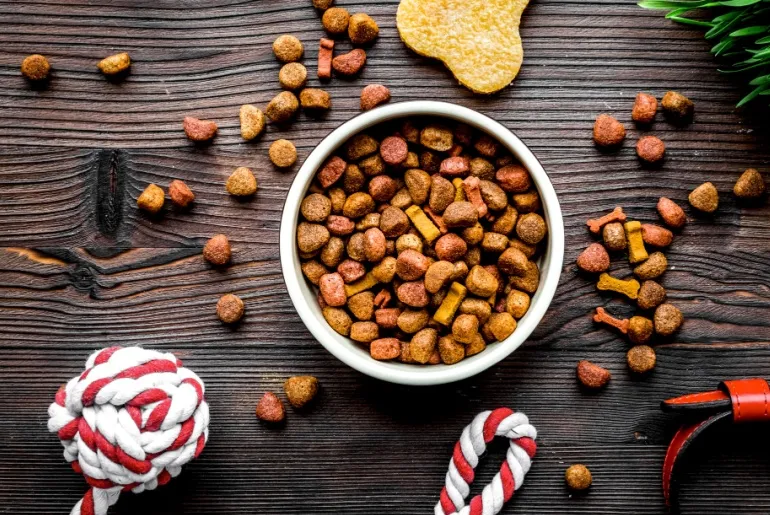
Being a pet owner comes with many joys, but with an all-too-common problem as well – how to store dog food, cat food or any kind of pet food in general, and where? These questions arise, particularly if you’re living in a smaller home or apartment, and if you have multiple pets. Dog owners confront this issue more frequently than owners of other pets, such as cats, hamsters, fish, reptiles, and so on. Dogs are generally larger and thus need more food – hence the need for storing said kibbles. And, as good quality dog food can be quite expensive, many of us tend to buy in bulk, to make the most of discounts or to have more than one bag delivered at once, in order to avoid multiple delivery fees. In other words, we definitely need storage solutions for dog food.
A self storage unit is not the right place for storing dog food
Before thinking about storing your dog food in a self storage unit, you should know that most storage facilities don’t allow storing any type of foods, including dog food. Food smells can attract rodents and insects, which could damage other belongings stored close by. Also, even in the rare instances when a storage facility allows it, it’s not very practical to store your dog food in a storage unit. Your furry friend won’t be happy if, at dinnertime, you realize you don’t have kibble at home and need to drop by the storage unit to pick up more.
Instead of putting dog food in self storage, use the unit for other unperishable items, thus carving up extra space at home for stuff you use on a daily basis. Things like seasonal clothing, holiday décor, tools, seldom used appliances and kitchenware or sport and hobby gear are the perfect candidates for self storage. Putting them in a unit will create more space around the home for the truly important items, such as your pooch’s food.
So, since self storage is not a solution when it comes to food items, here are some tips and tricks on how to store dog food, or any type of pet food, at home.
- Pick a cool, dry place
The best way to store dog food is in a cool, dry place, away from direct sunlight. In other words, spaces such as your pantry, garage or a finished basement are ideal.
- Keep the food in its original packaging
You might be tempted to pour the entire content of your bag of kibbles in a container that’s easier to maneuver. However, most experts don’t recommend it. If you pour the food inside a plastic container, the fats from the food leach into the plastic and they’re difficult to get rid of, even if you wash the container thoroughly. The new food will get a rancid taste from those fats. Instead, put the entire bag of kibble inside the sturdier container, to prevent cross contamination from one batch of food to the other. Also, it’s important to have the original bag that the food came in so that you have the necessary information for potential recalls or returns.
- Buy appropriately sized bags of food
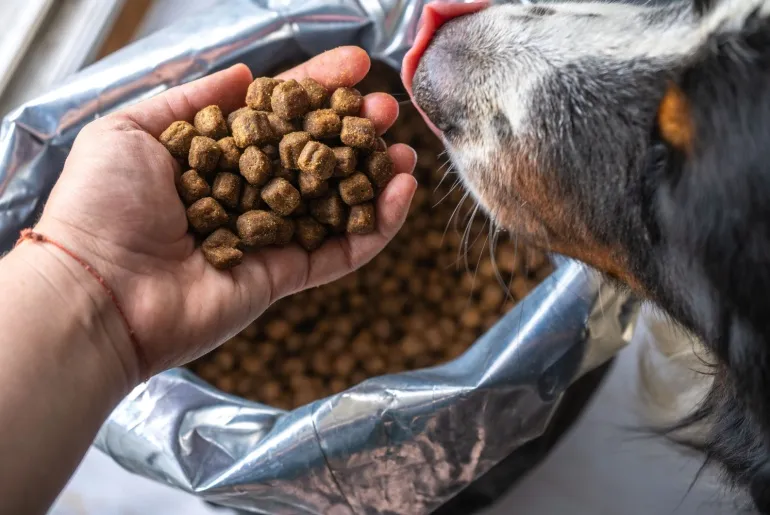
Dog kibble is generally recommended to be consumed within four to six weeks after opening the packaging. Buy quantities that allow you to do that. It’s generally better to buy several smaller bags instead of a large one, as this strategy ensures fresher food for your four-legged friends.
- Keep wet food in the fridge after opening it
Cans or pouches of wet dog food should be kept the same as the dry food, in a cool place, without exposure to sunlight. If you open the packaging but don’t offer the entire portion in one sitting to your pet, put the leftover in the fridge until it’s time for the next meal. However, don’t store it for longer than two to three days. If it makes sense financially to buy large cans of wet food, but it takes longer than a few days for your pet to finish one, you can portion it right after opening and freeze it for later.
- Throw away the leftovers in your pet bowl daily
If your dog or cat doesn’t finish their meal throughout the day, throw the remaining food the next morning and wash the bowl. Adjust the quantity of food for the future, but don’t pour fresh kibble or wet food on top of old one.
Properly storing your dog food ensures that it stays fresh, safe, and tasty for your pet. It protects them from food-borne illnesses, and it saves you from potentially debilitating vet bills – so pay extra attention to it!


How to Store LEGOs: All the Fun, None of the Clutter
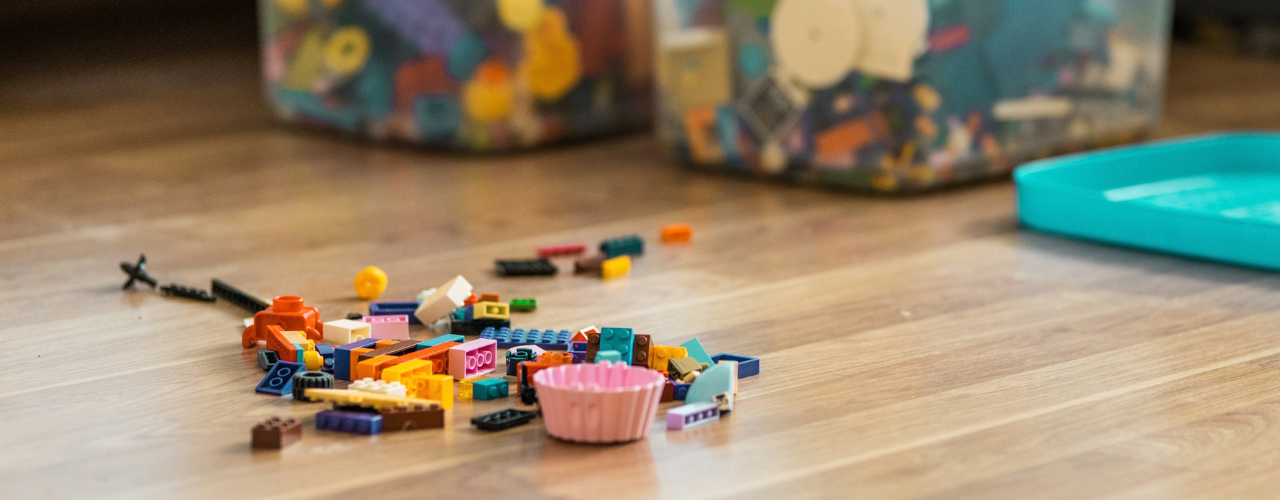
How to store LEGOs largely comes down to how your household uses them. If the bricks are part of everyday play, you need a setup that keeps them within easy reach and makes cleanup quick (for your feet’s sake, at least). Toy storage(opens in new tab) such as simple bins, playmats or containers that children can put away themselves may be enough. Larger or more serious collections usually need more organization, such as labelled drawers for loose pieces, trays for unfinished builds, shelves for completed models and separate storage for retired sets.

Cardboard Costume Guide: Tips and Ideas for a DIY Halloween
Whether for kids or adults, cardboard costume ideas often make the biggest splash once materialized, and that’s for a simple reason: doing a lot with a little is a universally impressive feat (especially in this economy). If you don’t have enough boxes you could temporarily repurpose, don’t worry! There are many places where you can find free moving boxes(opens in new tab), from stores and supermarkets to online groups and recycling drop-off spots. On the run? Try your luck at a self storage(opens in new tab) facility that sells moving supplies, often for cheap. This way, you can choose moving boxes of different shapes and sizes(opens in new tab), so you can make your costumes as complex as you want.

How to Celebrate Halloween: 9 Non-Spooky Ways To Enjoy It
As soon as October starts, it’s the official Halloween month. And while for many people it means it’s open season to get the scare of a lifetime, others, especially families with small children, might prefer to celebrate in a tamer way that’s both kid- and adult-friendly. While you’re likely to find more events where the spook factor is high, here’s how to celebrate Halloween in a not-so-scary way:

Motorcycle Storage Guide: How to Store Your Bike Safely
Motorcycles may be born to be wild, but eventually even the wild ones need somewhere to park. Whether riding season is winding down or your current living situation comes with plenty of square footage for you and less for your bike, motorcycle storage is one of those parts of ownership that doesn’t get as much airtime as the open road.

Halloween Decorating on a Budget (And Cheap Ideas for Everything Elsee)
Halloween has crept a long way from its eerie origins. While All Hallows’ Eve has transformed through the centuries, it wasn’t until the 1930s that trick-or-treating became a tradition in the U.S. and businesses began conjuring up mass-produced Halloween costumes. Now, Halloween is a monster-sized, billion-dollar industry, with a cauldron full of costumes and decorations ranging from the mainstream to the macabre. But is it all really worth your wallet? Maybe, but we’ll let you in on a little secret: You can keep your Halloween decorating on a budget and save on everything else, too. Take this plan and see it through!

Moving From a House to an Apartment: What to Expect, How to Downsize & How Self Storage Helps
For some, moving from a house to an apartment is a financial decision. For others, it’s about simplifying life. Maybe the kids have moved out and half the house sits empty, or you’re approaching retirement and no longer want to spend weekends on repairs. Or perhaps you’ve been weighing the cost of buying a home and wondering whether renting simply makes more sense right now.
Family Heirlooms Overload: How to Handle Family Inheritance Without Regret
Handling family heirlooms after a loss requires managing legal authority, emotional pressure and practical logistics at the same time, and the order you take them on matters more than most people expect.
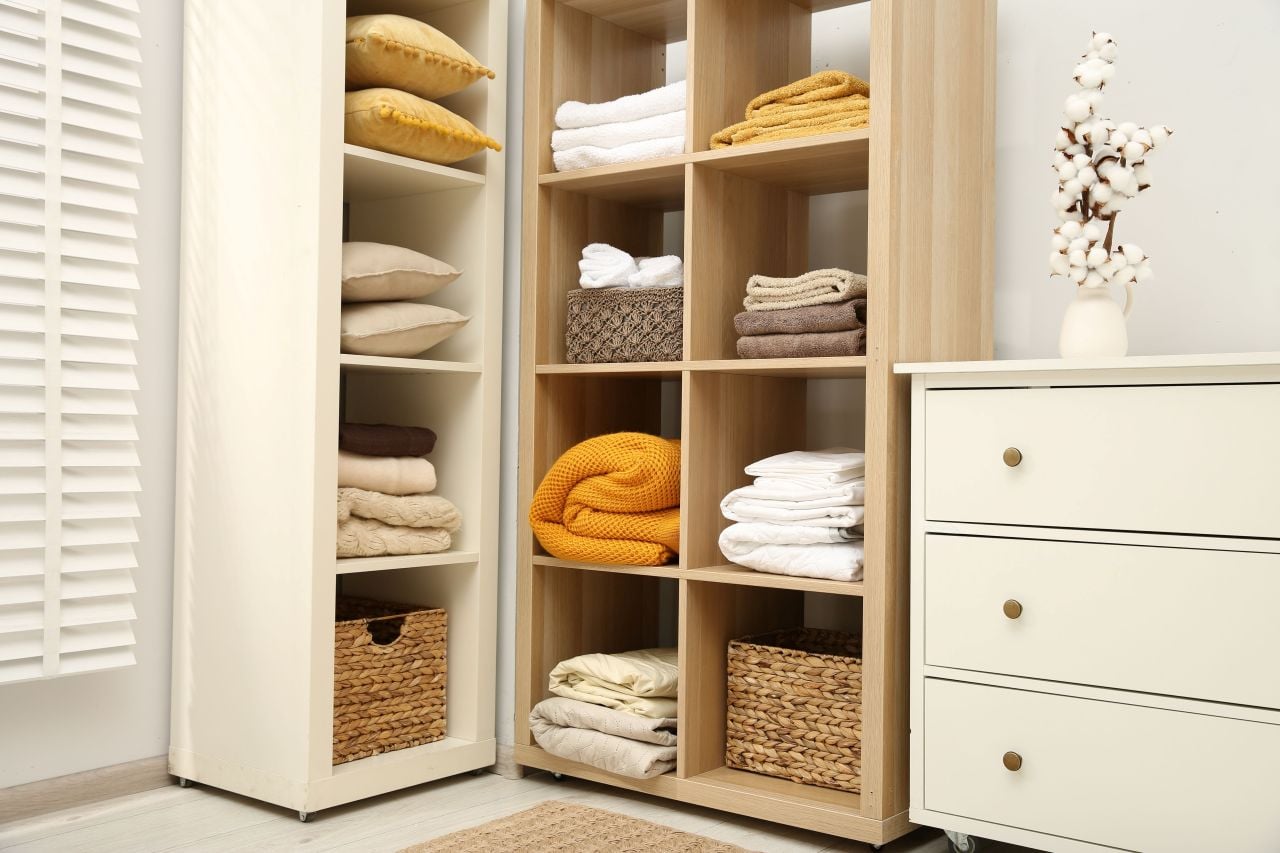
Blanket Storage: The Right Method for Every Space and Season
Blankets make our lives cozier, and storing them well is what keeps them soft and comfortable in the long run. Knowing how to store a blanket properly means your favorites come out of storage smelling fresh, feeling the same as when they went in, and lasting years longer than they otherwise would.
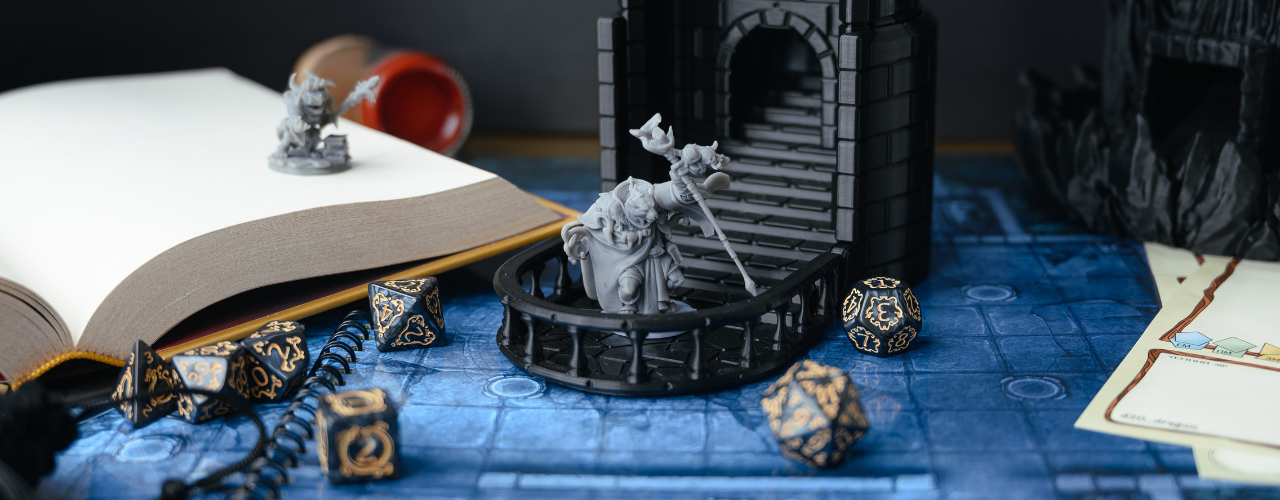
Board Game Storage Ideas That Keep Your Collection in Fighting Shape
Nobody warns you that getting into board games usually unlocks a second hobby, the much dreaded one that includes figuring out where on earth to put them. One game becomes a few, expansions start spawning beside their base boxes and before long, board game storage requires as much strategy as whatever is waiting on the other side of those lids.