

It was announced on March 14 that Recreational Realty has acquired eight self storage facilities in the Houston, Texas, area. This family-run company already has facilities located in the Dallas-Fort Worth metro in Texas, and Jacksonville, Florida, and is rapidly expanding. They have a goal to grow their presence in Houston to 15 facilities and to have a total of 75 locations in Texas and Florida by the year’s end. Their recent acquisitions follow several other storage deals in the Houston and Dallas markets, including those involving Simply Self Storage and Public Storage in the fall of last year.
Recreational Realty specializes in building, developing and managing storage facilities for recreational vehicles, including motorhomes and boats. This sub-sector of the storage industry is thriving, with many people having discovered the advantages of vacationing with close family during the pandemic. Houston is an advantageous place for expansion on account of its proximity to many outdoor recreational options. In addition, like much of Texas, its advantages currently include a growing population, generous housing options and a diversified employment market.
Recreational Realty chooses sites close to where clients need to pick up their vehicles, and some of their new facilities around Houston are well placed for boating locations such as Lake Houston and Lake Conroe. They will feature enclosed garages, 24-hour accessibility and entrance gates with electronic access. The advanced on-site security measures include video surveillance cameras. To assist customers further, easy access to electricity and water enables washing of vehicles and battery charging, and there will also be places on-site to dump waste.
Storage units in Houston are some of the most attractively priced of any large city in the nation, with a street rate of $95 per month for a standard non-climate-controlled 10’x10’ unit, as per Yardi Matrix data. The city’s provision of self storage space is also generous, with about 10 square feet for each resident, spread across more than 300 facilities. For Houstonians wishing to store recreational vehicles away from home, about half of these offer that possibility, and some offer indoor units that can be a large as 1,000 square feet.
There are currently more than 76M square feet of storage space in the Houston metropolitan area, according to Yardi Matrix.



Living Room Storage Ideas: 28 Ways to Reclaim Your Hosting Space
If a living room is where most of a household’s living happens, good storage should be the top priority for setting up or revamping the place. After all, think of how easier it would be to have people over when tidying up the place is just a matter of putting things in their right place (in a time when fewer and fewer people are entertaining friends at home(opens in new tab)). The trick is making room for all those wayward clothes, blankets, chargers and other small things that end up on (or, inexplicably, in) the sofa. Here are 28 living room storage ideas to get you started and make tidying up a quick affair.
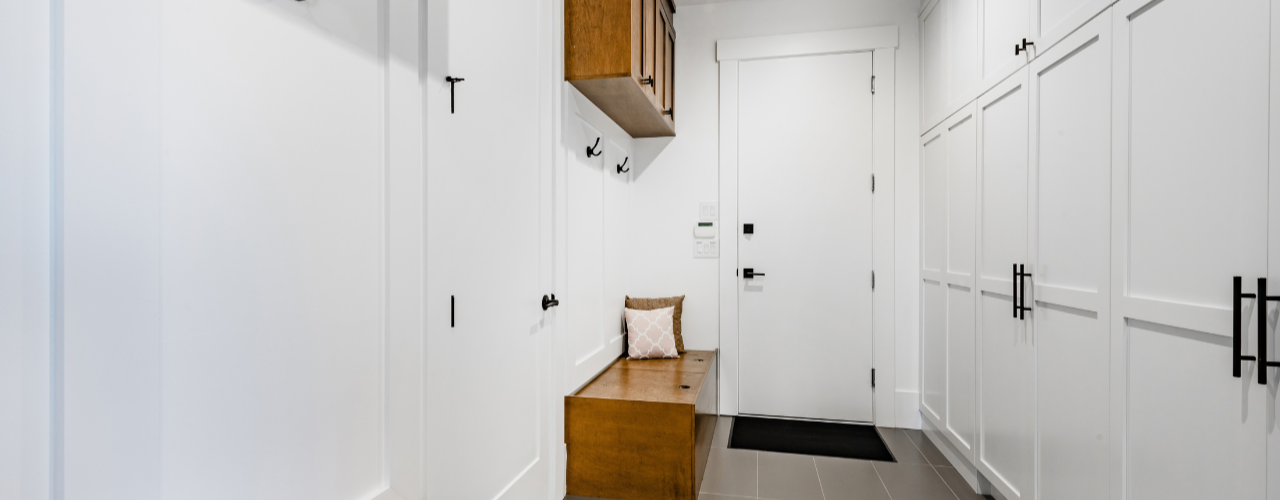
25 Mudroom Storage Ideas (And Mistakes to Avoid)
When you come home with muddy boots, an armful of bags and a coat you can’t wait to take off, it’s nice to have somewhere to put it all. With a mudroom, you can leave the outdoor mess at the door instead of carrying it through the house. Traditionally, you’d set aside a separate room, but you can just as easily use a hallway, an entryway closet, a laundry-room corner or a stretch of wall near the entrance.
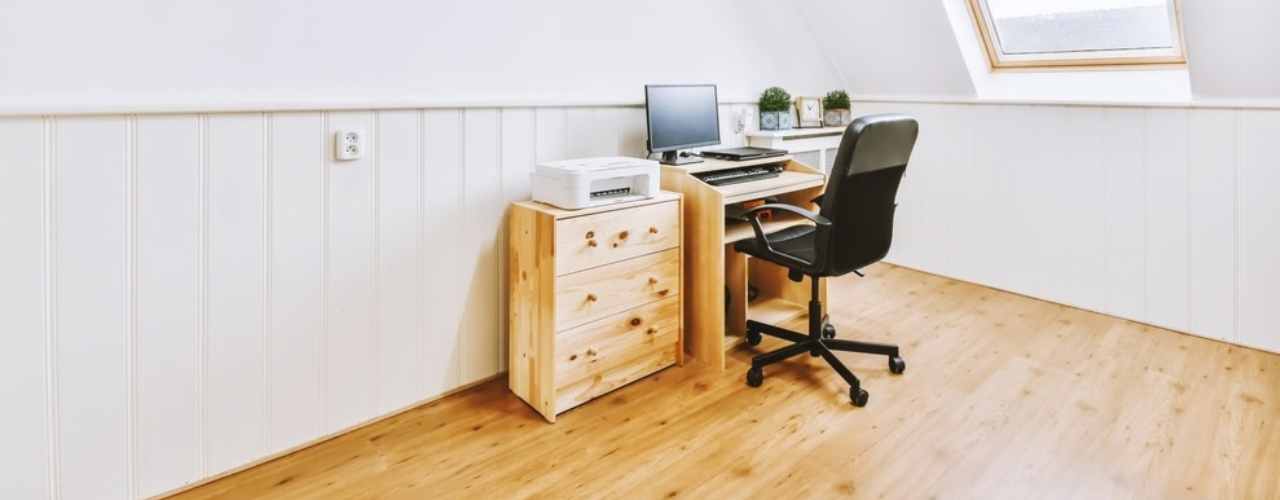
Is Your Home Office Worth the Rent? What Coworking and Self Storage Could Save You
Every square foot of your apartment comes with a price tag, and a home office claims more of them than most renters expect. It starts with a desk. Then come the second monitor, the printer, the filing cabinet and the overflow boxes. Before long, the corner you set aside for work has turned into a small room you are paying for every month.

Best U.S. Cities to Live Uncluttered: Plano, TX, Offers the Most Room to Breathe
Clutter is in our homes as much as in our heads. Both are shaped by where we live.

America’s Top Snowbird Destinations for 2026–2027: Florida Leads in Numbers, Texas Wins on Value
For Americans living in colder states, the approach of winter is reason enough to start looking south. Cold weather carries costs that go beyond the heating bill and shoveling snow. Seasonal affective disorder(opens in new tab) is far more prevalent in northern states, so a temporary move south isn’t simply an escape from the cold, but a chance to spend the hardest stretch of winter outdoors and in the sun.
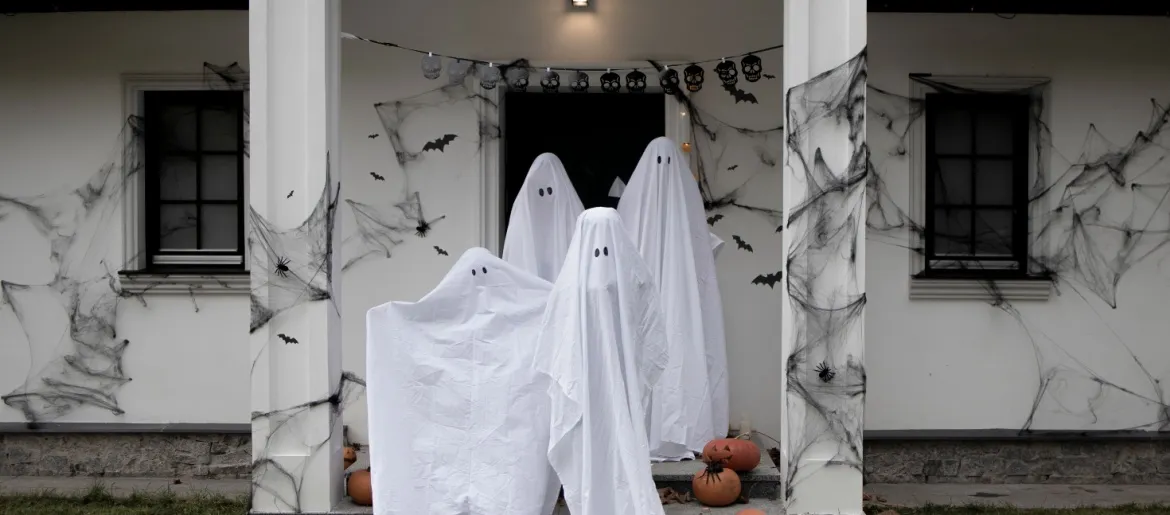
How Much Does Halloween Really Cost in 2026? Plan Wisely to Avoid the Scare of Hidden Costs
Americans’ love for Halloween is almost frightening — this year alone, we are on our way to spending $13.5 billion, according to data from the National Retail Federation(opens in new tab). That breaks down to about $115 Halloween costs per person, a whopping 49% more than 10 years ago.
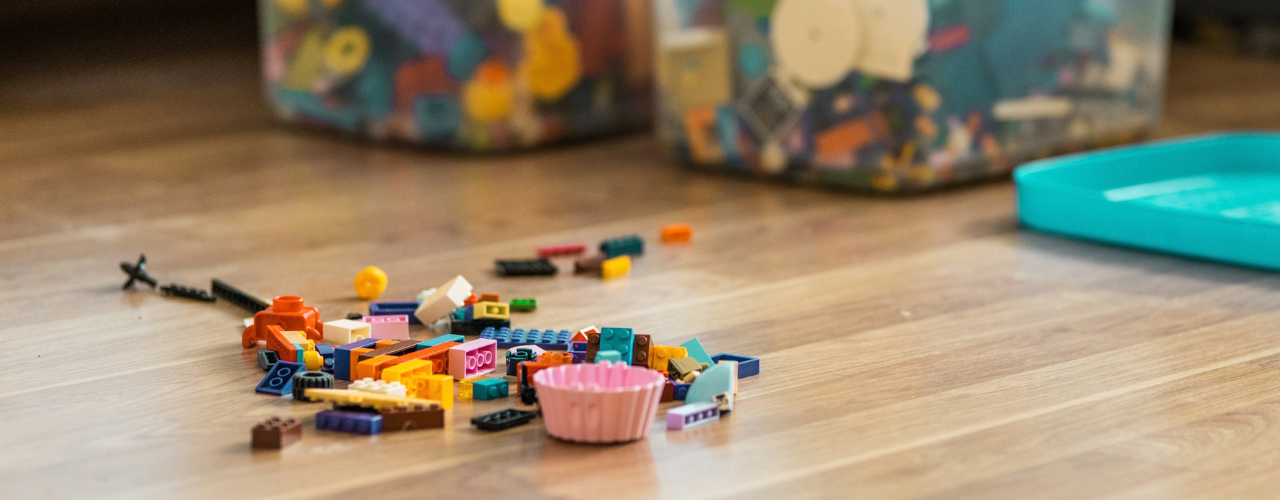
How to Store LEGOs: All the Fun, None of the Clutter
How to store LEGOs largely comes down to how your household uses them. If the bricks are part of everyday play, you need a setup that keeps them within easy reach and makes cleanup quick (for your feet’s sake, at least). Toy storage(opens in new tab) such as simple bins, playmats or containers that children can put away themselves may be enough. Larger or more serious collections usually need more organization, such as labelled drawers for loose pieces, trays for unfinished builds, shelves for completed models and separate storage for retired sets.

Cardboard Costume Guide: Tips and Ideas for a DIY Halloween
Whether for kids or adults, cardboard costume ideas often make the biggest splash once materialized, and that’s for a simple reason: doing a lot with a little is a universally impressive feat (especially in this economy). If you don’t have enough boxes you could temporarily repurpose, don’t worry! There are many places where you can find free moving boxes(opens in new tab), from stores and supermarkets to online groups and recycling drop-off spots. On the run? Try your luck at a self storage(opens in new tab) facility that sells moving supplies, often for cheap. This way, you can choose moving boxes of different shapes and sizes(opens in new tab), so you can make your costumes as complex as you want.

How to Celebrate Halloween: 9 Non-Spooky Ways To Enjoy It
As soon as October starts, it’s the official Halloween month. And while for many people it means it’s open season to get the scare of a lifetime, others, especially families with small children, might prefer to celebrate in a tamer way that’s both kid- and adult-friendly. While you’re likely to find more events where the spook factor is high, here’s how to celebrate Halloween in a not-so-scary way: