

Home décor is more than a shopping category in America — it’s part of how people shape their everyday lives. From small seasonal updates to full living room makeovers, Americans continue to invest in their homes, and the country’s biggest home décor brands have grown alongside that demand.
This article ranks the 10 largest U.S.-born home décor brands by number of physical locations nationwide as of 2026. From massive décor superstores carrying tens of thousands of products to immersive luxury galleries, these are the retailers that have helped define how Americans shop for their homes.
Anyone who has refreshed a space knows the process rarely stops at the checkout line. A new dining table means shifting furniture. A repaint turns one room into a temporary holding zone for another. Bigger home improvement projects can take over an entire house. As decorating projects expand, so does the need for extra space to keep things organized and protected — which is where self storage often enters the picture.
Top 10 largest U.S. home décor brands
Explore the 10 largest U.S.-born home décor brands and best décor stores shaping how Americans furnish and style their homes. From nationwide store counts to brand origin stories, here’s what sets these industry leaders apart.
1. Michaels: ~1,238 U.S. stores
U.S. Headquarters: Irving, TX
Michaels is the largest arts and crafts specialty retailer in North America, and a go-to stop for anyone who loves decorating by hand. Its stores carry an enormous range of products, from art supplies, floral arrangements, and picture framing to wall décor, seasonal decorations, and DIY home accessories, making it a natural fit for creative home decorators.
The company was founded in 1973 by Michael J. Dupey in Dallas, TX, when he converted a money-losing Ben Franklin five-and-dime store into an arts and crafts shop. It is currently headquartered in Irving, TX. As of early 2026, Michaels operates approximately 1,238 stores across 49 states, with additional locations in Canada.
2. Hobby Lobby: ~1,057 U.S. stores
U.S. Headquarters: Oklahoma City, OK
Hobby Lobby is a beloved destination for home decorators, offering an expansive mix of home décor, seasonal merchandise, floral, wall art, and DIY supplies across stores that average over 55,000 square feet. Its unique strength is the sheer breadth of what it carries, from holiday décor and wedding supplies to furniture, candles, and fabric.
The company’s origin is a quintessential American story: in 1970, David and Barbara Green took out a $600 loan to begin making miniature picture frames from their home. In 1972, the first Hobby Lobby store opened in Oklahoma City, and the chain grew steadily through the 1980s and beyond. Today it operates more than 1,057 stores in 48 states and is the largest privately owned arts-and-crafts retailer in the world, with approximately 50,000 employees. All stores are closed on Sundays, a reflection of the Green family’s faith-based values that have guided the business since day one.
3. HomeGoods : ~967 U.S. stores
U.S. Headquarters: Framingham, MA
HomeGoods is one of America’s favorite destinations for home furnishings, and it’s easy to see why. Its stores are stocked with an ever-changing selection of furniture, rugs, lighting, soft home goods, decorative accessories, tabletop, and cookware — all at off-price value. No two visits feel quite the same, which keeps shoppers coming back.
HomeGoods was launched in 1992 as a dedicated home fashions concept within TJX Companies, the Massachusetts-based off-price retail giant that also operates T.J. Maxx and Marshalls. From a small initial rollout, it grew steadily across the country. As of early 2026, HomeGoods operates approximately 967 stores in the US, with a long-term corporate goal of reaching 1,800 locations. Its sister brand Homesense offers a complementary mix with an emphasis on larger furniture, ceiling lighting, and rugs.
4. Ashley HomeStore: ~769 U.S. stores
U.S. Headquarters: Arcadia, WI
Ashley HomeStore is the retail face of Ashley Furniture Industries, the world’s largest furniture manufacturer. Its stores offer a wide selection of furniture and home accessories for every room — living room, bedroom, dining room, and home office — at accessible price points, making well-designed home furnishings available to a broad customer base.
The parent company traces its roots to 1945, when Carlyle Weinberger founded Ashley Furniture Corporation in Chicago, IL as a sales organization for wooden occasional furniture. In 1970, the company invested in Ron Wanek’s Arcadia Furniture in Arcadia, WI, and in 1976 Wanek and a group of investors bought out Weinberger and took full control, eventually merging the two businesses into Ashley Furniture Industries and relocating headquarters to Arcadia. The Ashley HomeStore retail concept launched in 1997, opening its very first location in Anchorage, Alaska. After, it grew rapidly to become the number one home furniture retailer in North America. Now, the chain counts approximately 769 US stores, with over 1,100 locations worldwide.
5. World Market: ~246 U.S. stores
U.S. Headquarters: Alameda, CA
World Market — also known as Cost Plus World Market — is a one-of-a-kind home décor and lifestyle retailer that blends furniture, rugs, curtains, and decorative accessories with an eclectic global mix of food, wine, craft beer, and gifts. Its stores feel unlike anything else on the American retail landscape: part home furnishings shop, part international bazaar, with merchandise sourced from more than 50 countries. That breadth is the brand’s defining strength, making it equally appealing to someone hunting for a new sofa or a bottle of obscure Italian bitters.
The company was founded in 1958 by William Amthor and Lincoln Bartlett, who opened the first Cost Plus Imports store at Fisherman’s Wharf in San Francisco after Amthor’s family import business sold through a shipment of wicker furniture within days. The name came from an original pricing model — selling imported goods at cost plus ten percent — though that concept was long since abandoned as the brand evolved. The franchise operation it spawned in the early 1960s eventually broke away and rebranded as Pier 1 Imports in 1966, leaving Cost Plus to rebuild on its own. From those San Francisco roots, the chain expanded steadily across the country. Acquired by Bed Bath & Beyond in 2012, it was later sold to Los Angeles-based private equity firm Kingswood Capital Management in 2021 and now operates as an independent company. Today, World Market has approximately 246 stores across 38 states.
6. At Home: ~220 U.S. stores
U.S. Headquarters: Plano, TX
At Home bills itself as the home décor superstore, and the name fits: its stores average over 100,000 square feet and stock more than 50,000 products, from furniture, rugs, wall art, and mirrors to tabletop, patio furniture, and holiday décor. For shoppers who want maximum variety under one roof, At Home delivers.
The brand traces its roots back to 1979, when Eric White opened a store called Garden Ridge Pottery in Schertz, TX. The chain grew steadily over the decades and was rebranded as At Home in 2014, with its headquarters moved to Plano, TX. Under new leadership, it expanded aggressively across the country. In June 2025, At Home filed for Chapter 11 bankruptcy but the company has since emerged from it after closing around 31 underperforming stores and continues to operate approximately 220 locations nationwide.
7. Pottery Barn: ~173 U.S. stores
U.S. Headquarters: San Francisco, CA
Pottery Barn is one of America’s most recognized home furnishing brands, known for its warm, classic aesthetic and strong focus on quality. Its stores offer furniture, bedding, lighting, rugs, and decorative accessories for every room in the house, along with free in-store design services that help customers bring their vision to life.
The Pottery Barn name dates back to 1949, when brothers Paul and Morris Secon founded the brand in a small rented storefront in Chelsea, Manhattan, named after the barns of a pottery supplier in upstate New York. It was acquired by Williams-Sonoma, Inc. in 1986, which transformed it from a small housewares chain into the polished home lifestyle brand it is today. Since then, the brand has expanded into Pottery Barn Kids and Pottery Barn Teen, extending its aesthetic across generations. As of 2025, Pottery Barn operates approximately 173 stores across the US.
8. West Elm: ~109 U.S. stores
U.S. Headquarters: Brooklyn, NY
West Elm has carved out a distinct identity in the home décor space with its modern, design-forward aesthetic and commitment to sustainable and ethically sourced products. Its stores feature furniture, bedding, lighting, rugs, and décor for customers who want their home to feel contemporary — with a strong emphasis on Fair Trade certified items and locally made goods.
Launched in 2002 by Williams-Sonoma, Inc. with a direct-mail catalog, West Elm opened its first physical store the following year in Brooklyn, NY, which remains the brand’s creative home. It has since grown into a nationally recognized brand with approximately 109 US stores. West Elm also partners regularly with independent artists and designers, bringing one-of-a-kind pieces into its collections.
9. Homesense: ~77 U.S. stores
U.S. Headquarters: Framingham, MA
Homesense is the newest and most distinct member of the TJX home family, offering a curated off-price selection that goes beyond what shoppers typically find at HomeGoods. Where HomeGoods leans toward accessible everyday finds, Homesense specializes in larger furniture, statement lighting, oversized rugs, and an entertaining marketplace — making it a destination for shoppers looking to make bigger, bolder home investments at a great value.
The Homesense brand originated in Canada as part of TJX’s Canadian operations, where it has been operating for years. The US version launched more recently, growing from a handful of pilot locations to approximately 77 stores today, with further expansion planned. Like HomeGoods, Homesense operates under the TJX Companies umbrella — making TJX, in total, the undisputed leader in off-price home décor in the United States.
10. RH: ~75 U.S. stores
U.S. Headquarters: Corte Madera, CA
RH — formerly known as Restoration Hardware — occupies a unique position in the American home décor landscape: it has effectively reinvented what a retail store can be. Its “galleries” are immersive, multi-story spaces averaging 40,000 to 80,000 square feet (with some, like the Newport Beach location, reaching 97,000 square feet), featuring curated collections of luxury furniture, lighting, textiles, outdoor furnishings, and décor presented in fully realized room settings. Many locations include rooftop terraces, wine bars, and restaurant spaces, blurring the line between retail and lifestyle destination.
The company was founded in 1979 by Stephen Gordon in Eureka, California, while he was restoring a Victorian home and couldn’t find affordable, high-quality hardware and fixtures anywhere. From those hardware-store beginnings, RH evolved steadily upmarket, eventually rebranding away from “Restoration Hardware” to signal its transformation into a full luxury home brand. It went public in 2012. Today, RH operates approximately 75 full-line galleries across the US, alongside outlets and specialty showrooms. Its expansion now extends to Europe, with galleries open in London, Paris, Brussels, Madrid, and England’s Cotswolds, with Milan planned for 2026.
From décor stores to renovation: How self storage fits into the picture
Every home décor brand on this list exists to inspire. Whether you’re browsing Pottery Barn’s seasonal lookbooks, losing yourself in the aisles of HomeGoods, or standing inside an RH gallery, the goal is the same: help you imagine a better version of your home, and give you the tools to make it real.
What the catalog photos don’t show is what comes in between. Remodeling and redecorating are, at their core, disruptive. Furniture gets pushed into hallways. Rooms get emptied out for painters. Floors get ripped up. The “after” you envisioned is separated from reality by weeks — sometimes months — of displaced belongings and active work zones.
That’s where self storage comes in.
A practical tool for home renovation
Storage facilities have become a standard part of the American home renovation toolkit. When you’re replacing flooring throughout an entire floor of your home, your furniture has to go somewhere. When a kitchen remodel means contractors are working in and out for three weeks, you don’t want dishes and appliances adding to the mess. When you’re repainting before moving into a new house, a storage unit gives you a clean, protected staging area.
The benefits go beyond simply getting things out of the way:
- Protection from damage. Construction work generates dust, debris, paint splatter, and the occasional dropped tool. A storage unit removes your belongings from the equation entirely.
- More room for contractors to work. Professionals (or yourself) work faster in clear, uncluttered spaces, which can shorten the overall project timeline.
- A blank canvas to redecorate from scratch. Moving everything out lets you decide what stays, what goes, and what gets replaced without working around existing clutter.
- Less household stress. A storage unit contains the disruption to the work zone, keeping the rest of your home livable.
Most facilities offer month-to-month rentals, units come in a wide range of sizes, and climate-controlled options protect sensitive items like wooden furniture, artwork, and electronics. If you’re not sure what size unit you need, StorageCafe’s unit size calculator can help you figure it out before you book — and you can search facilities by ZIP code, neighborhood, or city to find options close to your project.
The home décor brands and décor stores on this list provide the vision and the products. Self storage provides the breathing room to get there.


How to Store LEGOs: All the Fun, None of the Clutter
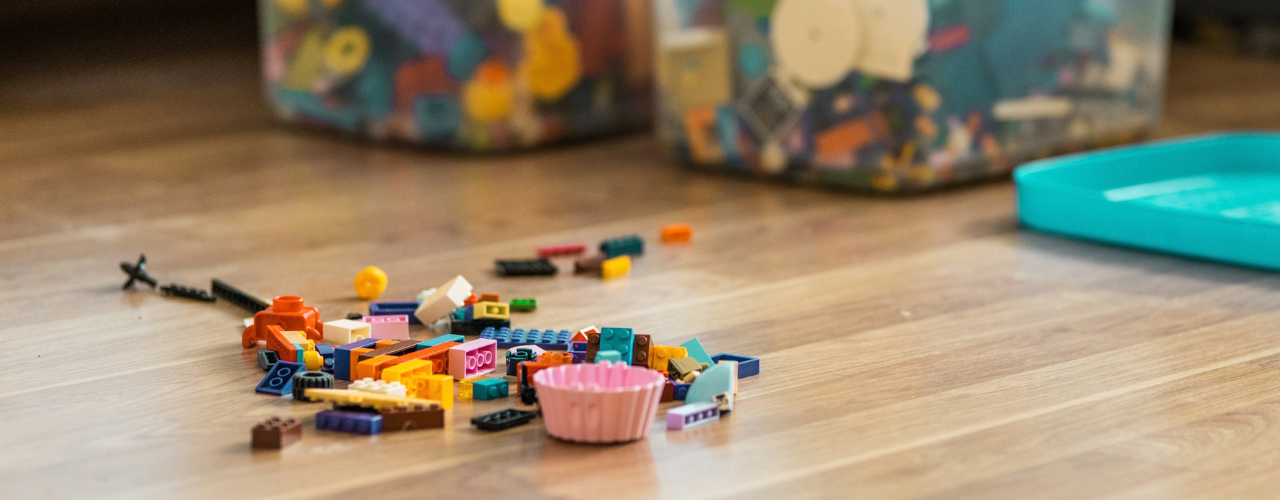
How to store LEGOs largely comes down to how your household uses them. If the bricks are part of everyday play, you need a setup that keeps them within easy reach and makes cleanup quick (for your feet’s sake, at least). Toy storage(opens in new tab) such as simple bins, playmats or containers that children can put away themselves may be enough. Larger or more serious collections usually need more organization, such as labelled drawers for loose pieces, trays for unfinished builds, shelves for completed models and separate storage for retired sets.

Cardboard Costume Guide: Tips and Ideas for a DIY Halloween
Whether for kids or adults, cardboard costume ideas often make the biggest splash once materialized, and that’s for a simple reason: doing a lot with a little is a universally impressive feat (especially in this economy). If you don’t have enough boxes you could temporarily repurpose, don’t worry! There are many places where you can find free moving boxes(opens in new tab), from stores and supermarkets to online groups and recycling drop-off spots. On the run? Try your luck at a self storage(opens in new tab) facility that sells moving supplies, often for cheap. This way, you can choose moving boxes of different shapes and sizes(opens in new tab), so you can make your costumes as complex as you want.

How to Celebrate Halloween: 9 Non-Spooky Ways To Enjoy It
As soon as October starts, it’s the official Halloween month. And while for many people it means it’s open season to get the scare of a lifetime, others, especially families with small children, might prefer to celebrate in a tamer way that’s both kid- and adult-friendly. While you’re likely to find more events where the spook factor is high, here’s how to celebrate Halloween in a not-so-scary way:

Motorcycle Storage Guide: How to Store Your Bike Safely
Motorcycles may be born to be wild, but eventually even the wild ones need somewhere to park. Whether riding season is winding down or your current living situation comes with plenty of square footage for you and less for your bike, motorcycle storage is one of those parts of ownership that doesn’t get as much airtime as the open road.

Halloween Decorating on a Budget (And Cheap Ideas for Everything Elsee)
Halloween has crept a long way from its eerie origins. While All Hallows’ Eve has transformed through the centuries, it wasn’t until the 1930s that trick-or-treating became a tradition in the U.S. and businesses began conjuring up mass-produced Halloween costumes. Now, Halloween is a monster-sized, billion-dollar industry, with a cauldron full of costumes and decorations ranging from the mainstream to the macabre. But is it all really worth your wallet? Maybe, but we’ll let you in on a little secret: You can keep your Halloween decorating on a budget and save on everything else, too. Take this plan and see it through!

Moving From a House to an Apartment: What to Expect, How to Downsize & How Self Storage Helps
For some, moving from a house to an apartment is a financial decision. For others, it’s about simplifying life. Maybe the kids have moved out and half the house sits empty, or you’re approaching retirement and no longer want to spend weekends on repairs. Or perhaps you’ve been weighing the cost of buying a home and wondering whether renting simply makes more sense right now.
Family Heirlooms Overload: How to Handle Family Inheritance Without Regret
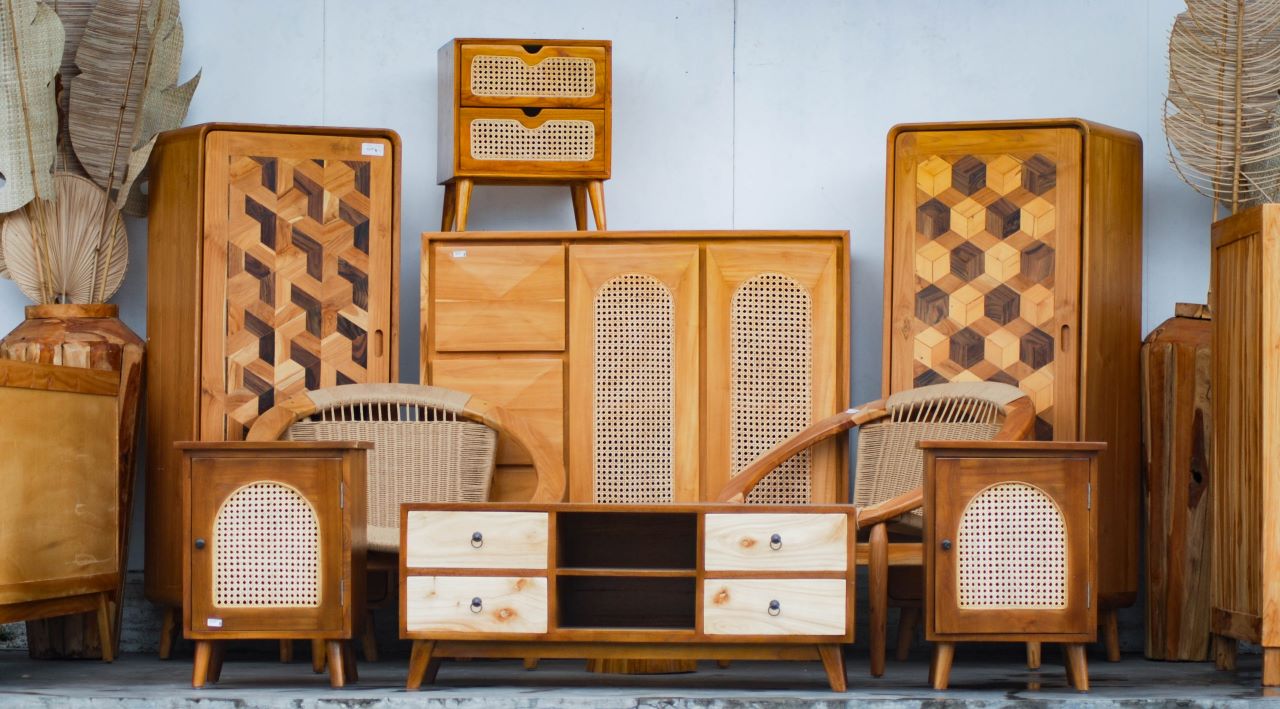
Handling family heirlooms after a loss requires managing legal authority, emotional pressure and practical logistics at the same time, and the order you take them on matters more than most people expect.
Blanket Storage: The Right Method for Every Space and Season
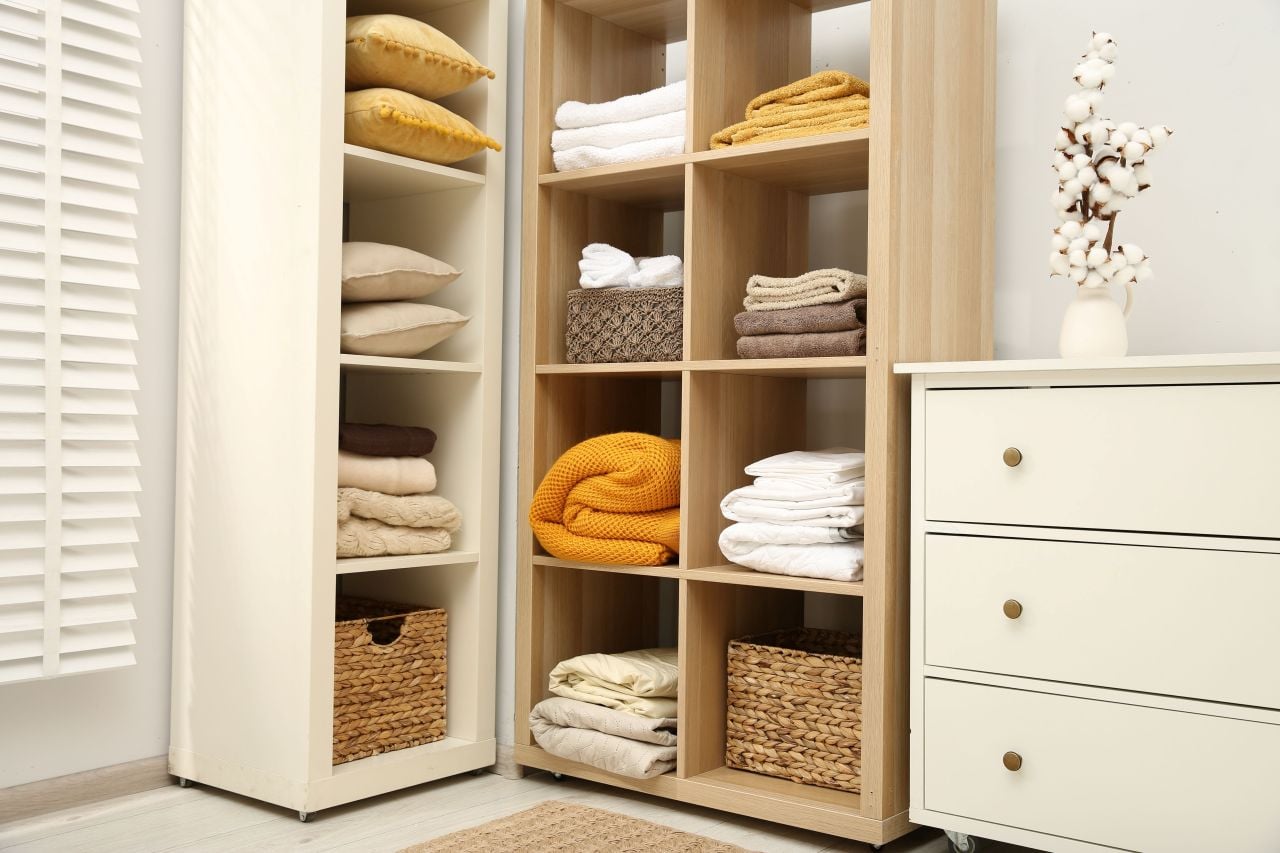
Blankets make our lives cozier, and storing them well is what keeps them soft and comfortable in the long run. Knowing how to store a blanket properly means your favorites come out of storage smelling fresh, feeling the same as when they went in, and lasting years longer than they otherwise would.

Board Game Storage Ideas That Keep Your Collection in Fighting Shape
Nobody warns you that getting into board games usually unlocks a second hobby, the much dreaded one that includes figuring out where on earth to put them. One game becomes a few, expansions start spawning beside their base boxes and before long, board game storage requires as much strategy as whatever is waiting on the other side of those lids.