

Key Takeaways
- Gather all notebooks in one place to assess volume.
- Separate them into clear keepers, discards and maybes.
- Keep only notebooks with practical or sentimental value and limit them to one shelf or box.
- Reuse blank pages for lists, sketches, or low-stakes notes, or recycle notebooks with sensitive information.
- Digitize important notebooks to preserve content while reducing physical clutter.
If you’ve ever opened a closet or pulled a box from under the bed and found stacks of old notebooks, you’re not alone. College notes, half-used planners, journals and project notebooks are one of the most common sources of paper clutter, largely because it’s hard to know what to do with old notebooks once they stop being useful. They don’t feel disposable, but they don’t earn space in daily life either, so they linger and often end up boxed away or moved into self storage.
The challenge is that notebooks sit at the crossroads of practicality and emotion. They represent effort, learning and past versions of ourselves, which makes quick decisions difficult. The goal is to make intentional choices so you can make the most of the notebooks you’ve amassed. Let’s take it step by step.
A simple framework for deciding what to keep and what to let go
Start by gathering every notebook you own into one place. Seeing the full volume matters. It makes it easier to recognize duplicates, outdated material and notebooks you forgot you even had. Do a fast first pass and separate clear discards, clear keepers and maybes. Old to-do lists, outdated notes and random scribbles usually reveal themselves quickly, while journals, major projects and creative work tend to rise to the top.
Next, slow down and apply two simple tests. Does this notebook still serve a real purpose or does it hold unique sentimental value? Strong keepers usually fall into a few categories: journals tied to meaningful life stages, irreplaceable creative or professional work and notebooks you still reference. Everything else becomes a candidate for digitizing, reusing or recycling, which prevents decision fatigue and keeps the process moving.
Reusing, donating and recycling old notebooks responsibly
If throwing paper away feels wasteful, reuse is often the best middle ground. Blank pages can be torn out and used for grocery lists, meal planning, budgeting or quick notes. Partially used notebooks work well for kids’ drawing and schoolwork or for low-stakes uses like brainstorming and meeting notes where perfection doesn’t matter.
When reuse isn’t practical, recycling is usually the right next step. Most written-on paper and cardboard covers can go into mixed paper recycling, while plastic covers and metal spirals may need to be removed depending on local rules. For notebooks with sensitive information, shredding specific pages or using a scanning service that digitizes and then securely destroys the originals can help protect your privacy while reclaiming space.
When keeping old notebooks makes sense
Not everything needs to go. Some notebooks genuinely deserve to be kept, especially those with long-term reference value or deep personal meaning. The key is to curate a small, intentional archive rather than letting paper spread throughout your home. Limiting yourself to one shelf or one box creates a natural boundary that prevents clutter from returning.
How self storage fits into notebook curation
Self storage can be useful when space at home is limited, especially during moves, downsizing or life transitions. Used intentionally, it works well for curated notebook collections that don’t need frequent access, such as professional reference notes or family archives.
Labeled boxes and a simple digital inventory help ensure storage supports organization instead of becoming a dumping ground. Three labeled banker’s boxes of law school notes or a child’s artwork portfolio can fit in a small 5×5 storage unit alongside other important documents.
A simple action plan
To move forward, start by gathering all your notebooks and estimating how much space they take up. Sort them into four categories: keep, digitize, reuse and recycle. Create a small, clearly defined archive at home for the notebooks that matter most and set limits so it doesn’t quietly expand.
Finally, decide whether any remaining notebooks belong in a self storage unit based on how often you need them and how much space you have at home. With a clear system and a few firm boundaries, old notebooks stop being a source of stress and become exactly what they should be: useful tools for a season, then thoughtfully managed once that season ends.



Scary Good DIY Halloween Decorations That Won’t Haunt Your Wallet
A few floating candles in the hallway, a family of ghosts by the front door and a suspicious number of bats climbing up the bedroom wall can make October feel a whole lot spookier. While Halloween stores are full of tempting finds, some of the best DIY Halloween decorations can come from things you already have tucked away in drawers, closets or the recycling bin.

Suburban Giants and Urban Risers: Where America’s 100 Largest Metros Fall on the Self Storage Map
Self storage has long been a suburban story. Across America largest 100 metros, 59% of the inventory built over the past decade sits outside city cores, largely preserving the ratio of the total existing inventory.
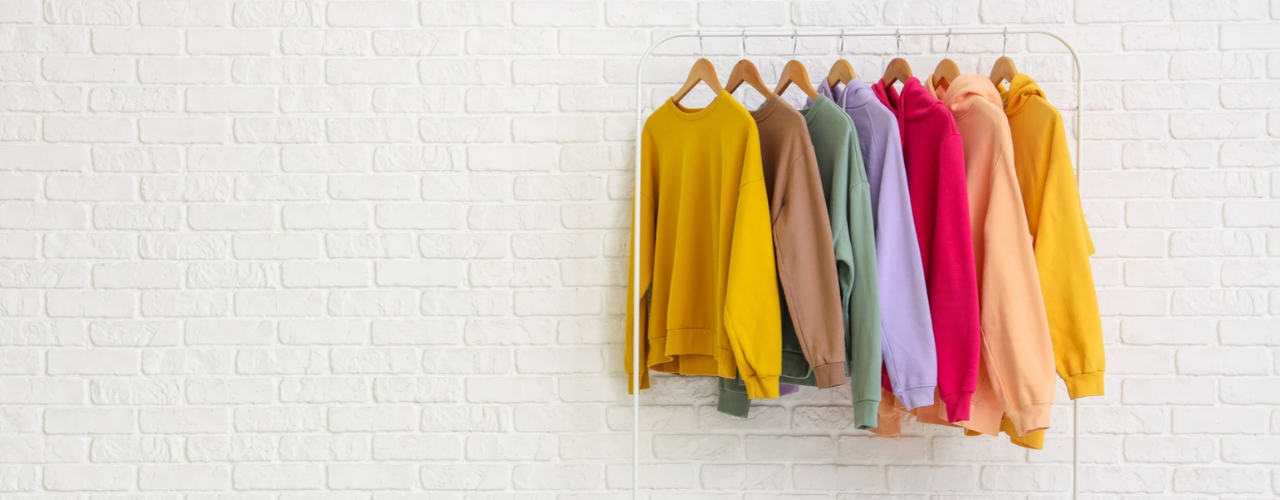
Sweatshirt Storage Ideas Worth Keeping Up Your Sleeve
Sweatshirts are great until you realize how much room they take up. A few thick hoodies can fill a drawer fast, with lighter crewnecks getting squashed underneath or pushed somewhere you forget about. Good sweatshirt storage can make that pile much easier to manage without requiring a bigger closet.

Living Room Storage Ideas: 28 Ways to Reclaim Your Hosting Space
If a living room is where most of a household’s living happens, good storage should be the top priority for setting up or revamping the place. After all, think of how easier it would be to have people over when tidying up the place is just a matter of putting things in their right place (in a time when fewer and fewer people are entertaining friends at home(opens in new tab)). The trick is making room for all those wayward clothes, blankets, chargers and other small things that end up on (or, inexplicably, in) the sofa. Here are 28 living room storage ideas to get you started and make tidying up a quick affair.
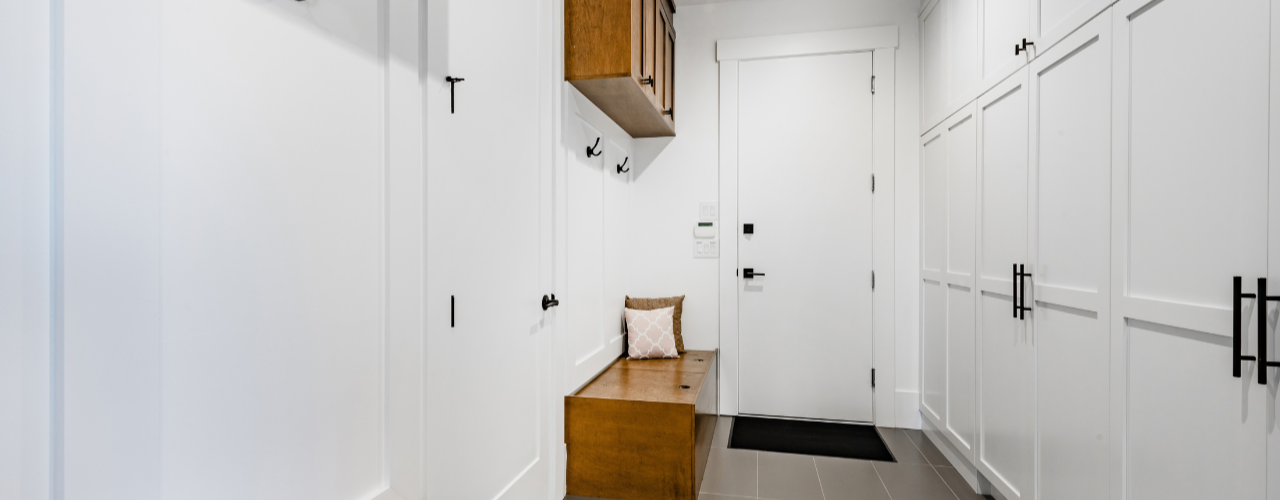
25 Mudroom Storage Ideas (And Mistakes to Avoid)
When you come home with muddy boots, an armful of bags and a coat you can’t wait to take off, it’s nice to have somewhere to put it all. With a mudroom, you can leave the outdoor mess at the door instead of carrying it through the house. Traditionally, you’d set aside a separate room, but you can just as easily use a hallway, an entryway closet, a laundry-room corner or a stretch of wall near the entrance.

Is Your Home Office Worth the Rent? What Coworking and Self Storage Could Save You
Every square foot of your apartment comes with a price tag, and a home office claims more of them than most renters expect. It starts with a desk. Then come the second monitor, the printer, the filing cabinet and the overflow boxes. Before long, the corner you set aside for work has turned into a small room you are paying for every month.

Best U.S. Cities to Live Uncluttered: Plano, TX, Offers the Most Room to Breathe
Clutter is in our homes as much as in our heads. Both are shaped by where we live.

America’s Top Snowbird Destinations for 2026–2027: Florida Leads in Numbers, Texas Wins on Value
For Americans living in colder states, the approach of winter is reason enough to start looking south. Cold weather carries costs that go beyond the heating bill and shoveling snow. Seasonal affective disorder(opens in new tab) is far more prevalent in northern states, so a temporary move south isn’t simply an escape from the cold, but a chance to spend the hardest stretch of winter outdoors and in the sun.

How Much Does Halloween Really Cost in 2026? Plan Wisely to Avoid the Scare of Hidden Costs
Americans’ love for Halloween is almost frightening — this year alone, we are on our way to spending $13.5 billion, according to data from the National Retail Federation(opens in new tab). That breaks down to about $115 Halloween costs per person, a whopping 49% more than 10 years ago.