

Decluttering strategies are simply the different methods people use to decide what stays and what goes. Some focus on categories, like the KonMari method; others focus on rules or time limits. This article walks you through a simple 4‑box decluttering strategy that works especially well if you are busy, overwhelmed, and not sure what to sell, donate, store, or toss.
Make a little money
Decluttering is inherently a money-losing proposition; chances are you already paid for what you have, so selling, donating, or tossing it is most probably going to bring in less money than you spent in the first place. However, you can make some money back by selling things that you no longer want but someone else could put to good use.
Books you’ve already read, clothes you no longer wear, and furniture your kids have outgrown can all be turned into cash. You can sell those old GI Joe toys and your old Barbie dolls to gain space and cash.
Help somebody else
When it’s time to declutter, you’ll need some containers. But first, if you’re working through clothes, for example, you’re going to put quite a bit back in the closet. Then, a black trash bag will work for what you need to discard, a white trash bag can be used for things to be donated, and a box will serve for whatever you want to sell. Another container can be used for any items you don’t want to lost but don’t need in the house — these can be put into a self storage unit.
Lay a blanket or sheet in the middle of the floor. This is for the stuff you want to keep. Open up the closets and all the drawers and start pulling things out. If something is basically in good shape but it no longer fits, put it in the white bag. If it’s stained or worn, it goes in the black bag. If it’s a high-end or labeled piece but it’s no longer something you want, put it in the box. When you fill up one container, get a fresh one and act on selling the items in the full one so you don’t end up revisiting it and wasting time.
You can sell clothing in good shape on Poshmark or ThredUp. If you’re selling on Poshmark, be aware that you’ll make more, but you have to maintain the inventory. ThredUp will send you a cleanout kit, but you end up making less on each item. Your schedule will determine the best method. There are many other sales platforms out there as well.
Safely discard of the unnecessary
Don’t put worn or stained items in the donation bag. Additionally, check with your local thrift stores to see if bigger items can also be safely donated. A couch can be a great thing to pass on to somebody who can’t afford to buy new, but if you leave it behind your local Goodwill branch before a rainstorm, you’ve just added to their cost and labor.
If the cushions are shot but the frame is in good shape, consider donating it locally. Put it on Craigslist as “free for the hauling” and when you have a contact, set it out for them to pick up within a certain time window. Try to avoid personal contact at this time.
Gain full value from what’s left
Once you have gotten everything that you don’t want out of your space, you’ll have the peace of mind to make good use of what’s left. For example, you could build a capsule wardrobe that features a black pair of leggings, slacks, or a skirt. With black on the bottom, you can start to swap out different tops and jackets that will be great for work or play.
The trick with a decluttered or minimalist wardrobe doesn’t have to be to get down to just a few possessions. The goal is to make sure that every new piece you rediscover in your closet goes with at least two other things. For example, you might keep a black skirt and black leggings. Your newly unearthed pink sweater could then make two new outfits, and if you have jeans, it makes for casual weekend clothes as well. Add a scarf and you’ve got six outfits out of just four pieces.
It’s entirely possible to live better with less, make a bit of cash, help out someone who’s really struggling, and get rid of excess baggage and rubbish. Freeing yourself from your load of accumulated stuff won’t be easy. But get focused, play some great tunes in the background, and time yourself, and you can put in a couple of hard hours of decluttering and free up a lot of space in both your mind and your home.


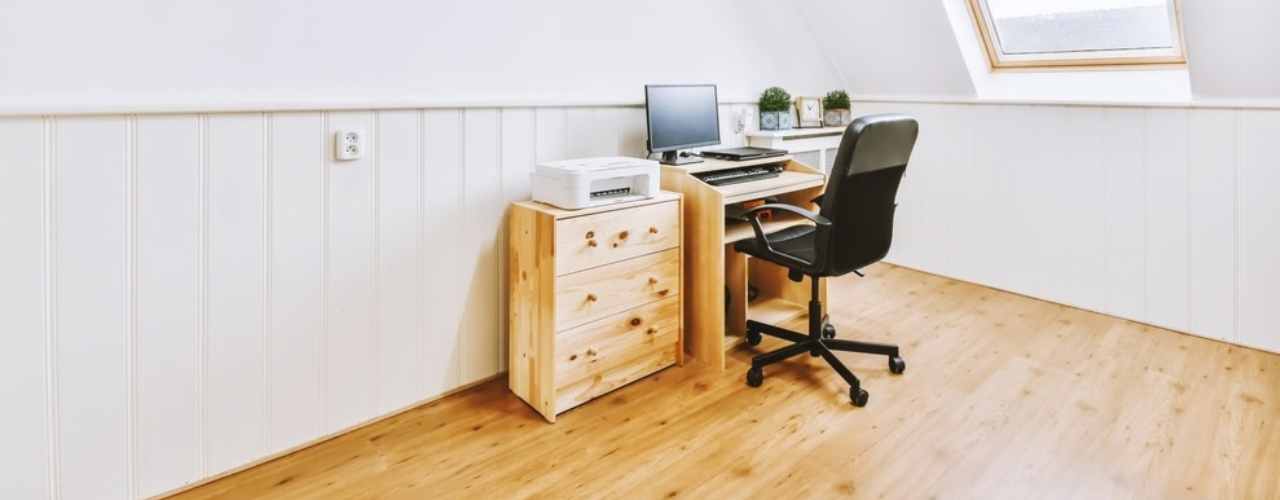
Is Your Home Office Worth the Rent? What Coworking and Self Storage Could Save You
Every square foot of your apartment comes with a price tag, and a home office claims more of them than most renters expect. It starts with a desk. Then come the second monitor, the printer, the filing cabinet and the overflow boxes. Before long, the corner you set aside for work has turned into a small room you are paying for every month.

America’s Top Snowbird Destinations for 2026–2027: Florida Leads in Numbers, Texas Wins on Value
For Americans living in colder states, the approach of winter is reason enough to start looking south. Cold weather carries costs that go beyond the heating bill and shoveling snow. Seasonal affective disorder(opens in new tab) is far more prevalent in northern states, so a temporary move south isn’t simply an escape from the cold, but a chance to spend the hardest stretch of winter outdoors and in the sun.
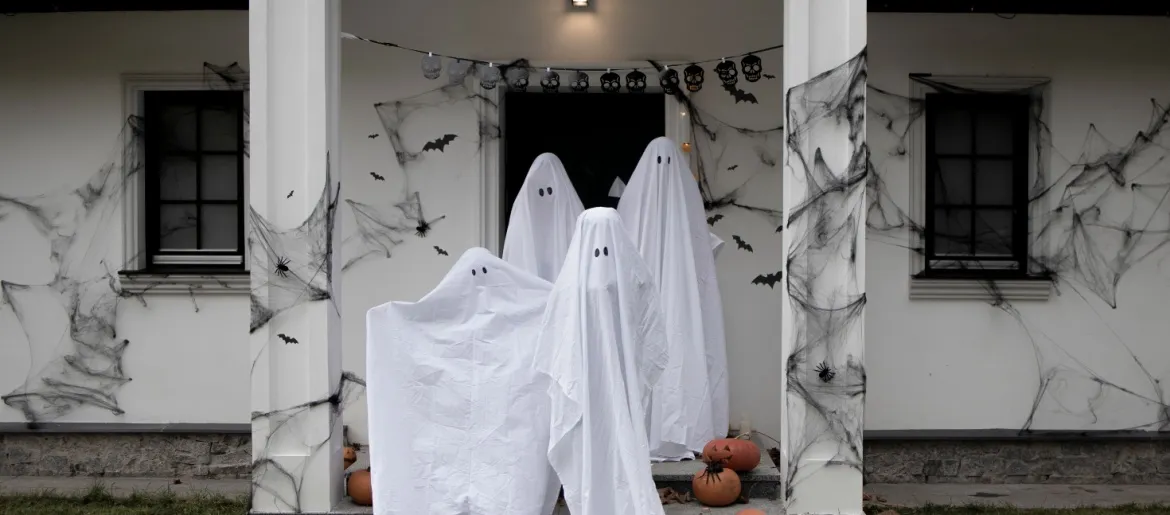
How Much Does Halloween Really Cost in 2026? Plan Wisely to Avoid the Scare of Hidden Costs
Americans’ love for Halloween is almost frightening — this year alone, we are on our way to spending $13.5 billion, according to data from the National Retail Federation(opens in new tab). That breaks down to about $115 Halloween costs per person, a whopping 49% more than 10 years ago.
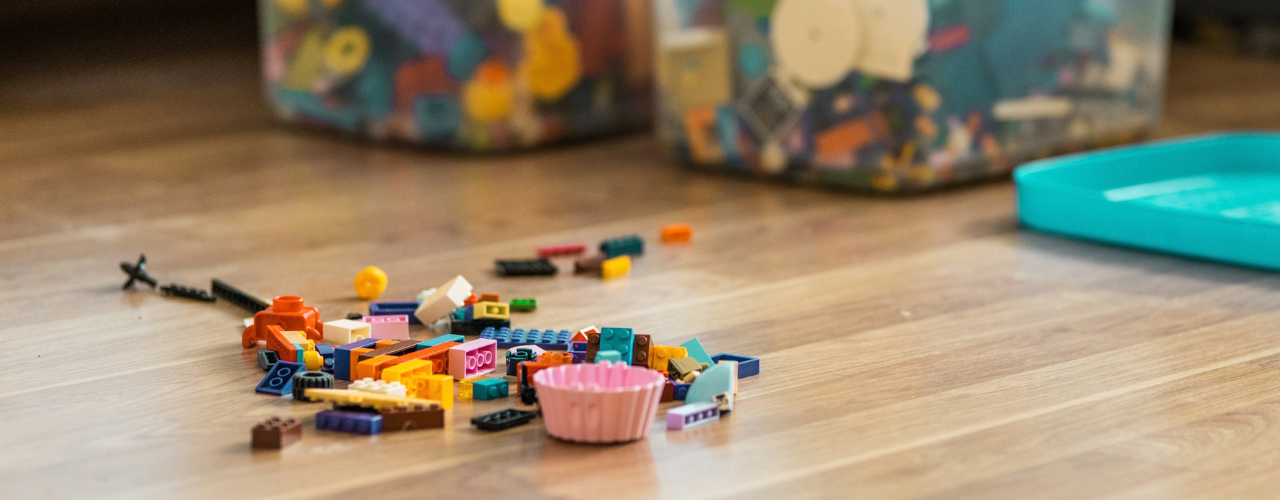
How to Store LEGOs: All the Fun, None of the Clutter
How to store LEGOs largely comes down to how your household uses them. If the bricks are part of everyday play, you need a setup that keeps them within easy reach and makes cleanup quick (for your feet’s sake, at least). Toy storage(opens in new tab) such as simple bins, playmats or containers that children can put away themselves may be enough. Larger or more serious collections usually need more organization, such as labelled drawers for loose pieces, trays for unfinished builds, shelves for completed models and separate storage for retired sets.

Cardboard Costume Guide: Tips and Ideas for a DIY Halloween
Whether for kids or adults, cardboard costume ideas often make the biggest splash once materialized, and that’s for a simple reason: doing a lot with a little is a universally impressive feat (especially in this economy). If you don’t have enough boxes you could temporarily repurpose, don’t worry! There are many places where you can find free moving boxes(opens in new tab), from stores and supermarkets to online groups and recycling drop-off spots. On the run? Try your luck at a self storage(opens in new tab) facility that sells moving supplies, often for cheap. This way, you can choose moving boxes of different shapes and sizes(opens in new tab), so you can make your costumes as complex as you want.

How to Celebrate Halloween: 9 Non-Spooky Ways To Enjoy It
As soon as October starts, it’s the official Halloween month. And while for many people it means it’s open season to get the scare of a lifetime, others, especially families with small children, might prefer to celebrate in a tamer way that’s both kid- and adult-friendly. While you’re likely to find more events where the spook factor is high, here’s how to celebrate Halloween in a not-so-scary way:

Motorcycle Storage Guide: How to Store Your Bike Safely
Motorcycles may be born to be wild, but eventually even the wild ones need somewhere to park. Whether riding season is winding down or your current living situation comes with plenty of square footage for you and less for your bike, motorcycle storage is one of those parts of ownership that doesn’t get as much airtime as the open road.

Halloween Decorating on a Budget (And Cheap Ideas for Everything Elsee)
Halloween has crept a long way from its eerie origins. While All Hallows’ Eve has transformed through the centuries, it wasn’t until the 1930s that trick-or-treating became a tradition in the U.S. and businesses began conjuring up mass-produced Halloween costumes. Now, Halloween is a monster-sized, billion-dollar industry, with a cauldron full of costumes and decorations ranging from the mainstream to the macabre. But is it all really worth your wallet? Maybe, but we’ll let you in on a little secret: You can keep your Halloween decorating on a budget and save on everything else, too. Take this plan and see it through!

Moving From a House to an Apartment: What to Expect, How to Downsize & How Self Storage Helps
For some, moving from a house to an apartment is a financial decision. For others, it’s about simplifying life. Maybe the kids have moved out and half the house sits empty, or you’re approaching retirement and no longer want to spend weekends on repairs. Or perhaps you’ve been weighing the cost of buying a home and wondering whether renting simply makes more sense right now.