

Reasons for downsizing vary, from empty nesters deciding to move into smaller, easier to maintain homes, to young people pursuing job opportunities in cities where housing is a hot commodity. Whatever your motives, downsizing is definitely a handful.
Tackle the issue as early as possible – ideally, you should have about three months to deal with all your possessions. Go strategically, starting with the largest items, like furniture and appliances, then moving to the smaller things such as clothes, books, and trinkets. Here are the steps you should follow for a smooth downsizing:
1. Downsize the big stuff first
Most people focus on sorting through clothes, books and kitchenware when downsizing, but are having trouble giving up on furniture for various reasons: they’re sentimentally attached to it, or they own good quality, expensive items. However, large pieces of furniture and big kitchen appliances are less than ideal in a smaller home.
Use tape on the floor and/or big boxes to visualize exactly how your existent furniture fits inside the new house. If it fills the rooms to the brim, you’re better off selling the massive pieces. Keep only the pieces that go with the new space, that you love and that are truly useful. It is a brutal process, but, once this part of the downsizing is completed, you’re halfway there.
2. Start the purge from the outside in
The old “out of sight, out of mind” saying applies pretty well to most homes. You probably have, in your attic, basement or garage, stuff you haven’t touch in years, or even decades. You weren’t bothered by them because they were out of sight. Unless, of course, you’re a particularly tidy and well-organized individual, in which case your auxiliary spaces are in perfect order.
The rest of us, however, have dozens of “mystery” boxes in our garages, the attic filled with old pieces of furniture, and let’s not even discuss the shed. Start with those spaces and dispose of all the junk before moving to the actual living areas.
3. Plan your storage
Sometimes, no matter how drastically you sort through your possessions, there simply isn’t enough room at the new house for the items you do need to keep. That’s why downsizing goes hand in hand with self-storage. Estimate how much extra space you need and rent a storage unit near you.

4. Digitize Everything You Can
You probably own boxes upon boxes of memories: your kids’ school projects and drawings, hundreds of family photos, newspapers clips that have a special meaning for you, and so on. Instead of keeping the physical items, you can scan everything and store them on a memory unit or online. You’ll have access to your special memories anytime, anywhere, and you can print them out, should you want to. It’s also a safer way to hold on to these items – paper deteriorates over time, but scans will always have the same quality.
5. Use the things that you love
It’s in the human nature to delay gratification, to “save” the things that we love until an undetermined moment sometimes in the future. You probably have a nice set of sheets, or towels, or maybe pots and pans that you love but you didn’t bring yourself to use. Well, stop doing that and start using and enjoying the things that you love – otherwise, you’ll just have more stuff to pack and store.
6. Follow the one-year rule
It’s a very simple, yet effective rule – ditch the items you didn’t use in the past 12 months! One year coves all the seasons, so, if you didn’t need a jacket, or a pair if shoes, or any other object, for that matter, during all the time, chances are you’re probably done with it.
There are some exceptions, of course: sporting equipment that you didn’t get the chance to use for different reasons, but you’ll be using in the future, or an outfit you wear only at very special occasions. But, apart from that, it’s safe to say you won’t miss any item you haven’t used in a while.
7. Give now the things you want to give
You want to give something to your children, grandchildren, other family members or friends? Do it now, don’t delay the moment! They will certainly appreciate it, and you’ll have less stuff to pack and to worry about.
Downsizing involves a lot of work, so do it smartly and strategically. Keep in mind that, at the end of the process, good things are in store for you: a house that’s easier to maintain, lower bills, thus more opportunities to travel, or a new and exciting job.



Best Storage Facilities in NYC, Based on Customer Reviews
Most storage listings in New York City look the same. Reviews are where you find out what you’re getting into: whether the staff will help you, whether the building stays clean and whether your rent stays put once you’ve moved in. So we went through renters’ reviews and picked the three best storage facilities in each NYC borough. Each one gets a score out of 100, and each brand shows up only once per borough. If you’re curious how we scored them, that’s at the end.

Packing Services: Costs, Pros, Cons & Alternatives
Professional packers save time and reduce breakage, but they add a real cost to your move. Whether they’re worth it depends on how much you own, how much protection it needs and how much time you have. This guide covers what packing services cost, when they pay off, when they don’t and the cheaper alternatives worth considering.
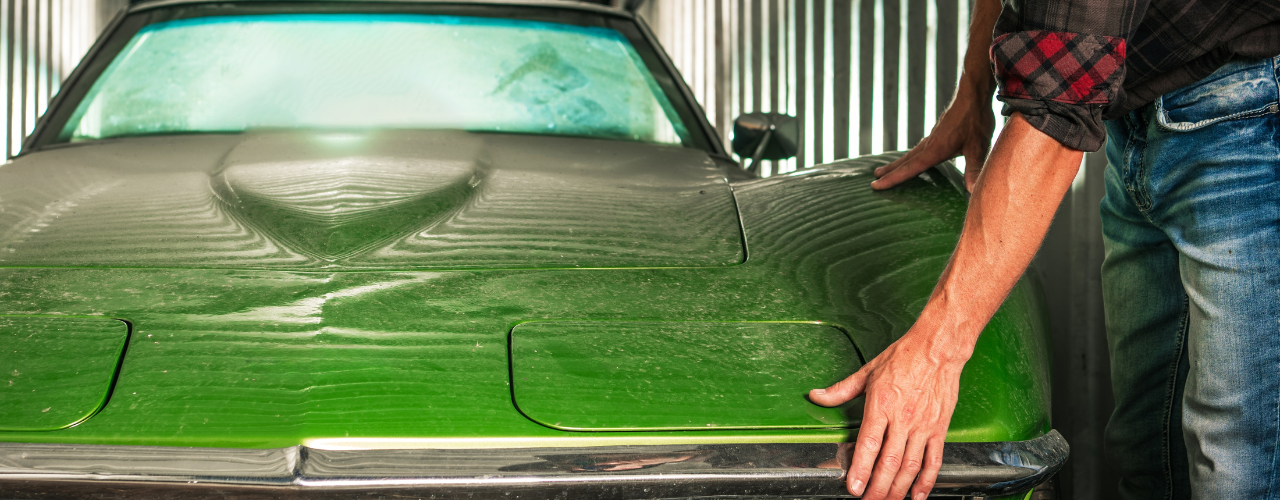
Classic Car Storage: A Guide to Protecting Your Collector Car
Any classic car you see is still there and looking great because people throughout the years knew how to store it well. Those smart decisions kept it from being damaged by moisture, frost and other issues that lead other cars to the auto-graveyard. Now, it’s up to you to carry on the legacy by choosing the right kind of classic car storage(opens in new tab). This guide compares indoor and outdoor options, explains why climate control storage(opens in new tab) is important and shows you how to prepare your car before you store it.(opens in new tab)

Second Acts With Roll-Up Doors: The Most Unexpected Self Storage Conversions In The U.S.
You probably don’t expect to stash your holiday decorations in a former armory. Or tuck away old photo albums where moviegoers once lined up for popcorn. But across the country, some of the most unexpected buildings are getting a second act — as self storage facilities.

Storage Unit Insurance: Your Coverage Options Compared
Your homeowners or renters policy may already cover your stored belongings, but likely not for their full value or against every risk. This guide explains where coverage comes from, what each option leaves out and how to decide whether you need more from your storage unit insurance.

I’m Gen Z: What’s in My Storage Unit?
Trading Facebook posts for TikTok dances and Beanie Babies for Labubus, Gen Z has given growing up online a whole new meaning. Defined by everything concerning reusing, recycling and cycling through trends that previous generations would rather forget (looking at you, Millennials and capri jeans), it’s no wonder this is also a generation that can spot an authentic vintage find from a fast-fashion knockoff in under three seconds. And when your wardrobe can go from Depop find to next season’s comeback without warning, a little extra space starts making sense.
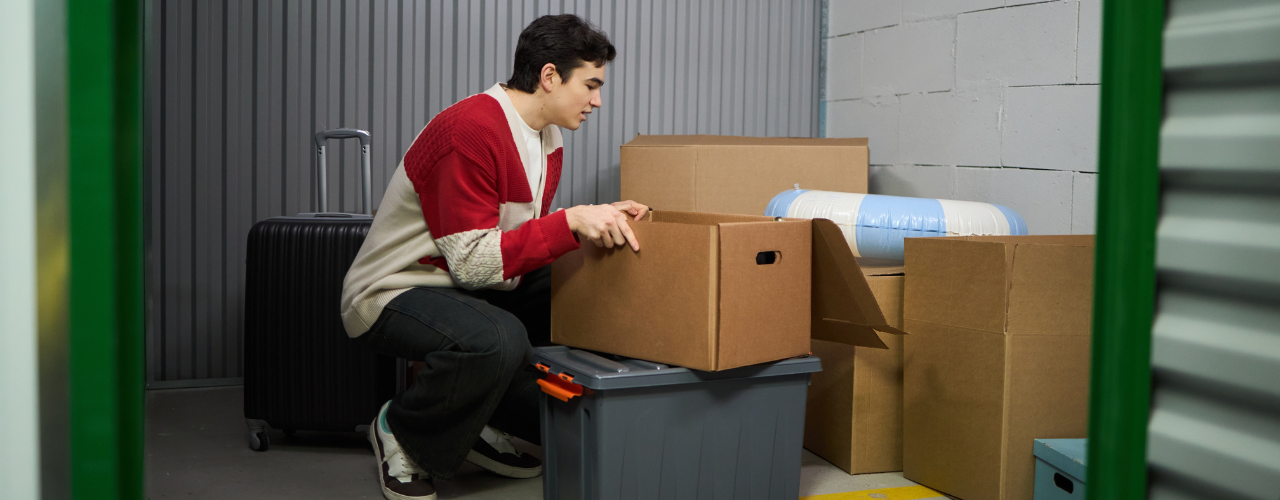
I’m a Millennial: What’s in My Storage Unit?
So, you’re a Millennial. You probably know all the lyrics to Phoebe Buffay’s Smelly Cat. Hannah Montana’s The Best of Both Worlds has become more like a life philosophy rather than a fun tune. And if you rent a self storage unit, you’re in good company. You’ve officially joined the 31% of Millennials who rent storage space, most often because there simply isn’t enough room at home, according to StorageCafe’s 2026 Self Storage Demand and Trends survey(opens in new tab).

Attic Storage Done Right: What’s Worth Keeping Up Top?
The attic is one of those places where holiday decorations end up next to a forgotten suitcase, a broken lamp and boxes nobody’s opened since moving day. Out of sight, out of mind works well enough until you need something from the back or realize you’ve been adding weight to a floor you know little about.

What to Know Before Starting a Self Storage Business in 2027
If you’re wondering how to start a self storage business, two questions come first: Does your area need more storage, and what would it take to run the business? Before you commit to a property, it helps to understand local demand, the costs involved and the day-to-day work of serving renters.