

An RV, short for recreational vehicle, is actually more than just that. To some, it’s more or less a permanent home, often fixed in place for years. To others, it’s the opposite – it represents freedom to roam and explore. As the world winds down from travel restrictions and people begin to look toward the outdoors with a thirst for rediscovery, you too might be considering how to spend more time in nature while still having the comforts of home along for the ride.
There are many types of RVs out there that cater to different styles and environments, so it’s important to know which one fits your needs. This is a guide to all the major RV types, along with information regarding their size and capacity. It must be said, though, that there is a great deal of variety even within single categories, and capacity often depends on how crammed in you can stand to be.
RVs, or campers, come in two major varieties – towed and motorized. Which RV is best for you? Read on and find out!
Towed RVs
Towed RVs, also called trailers, are separate units that must be attached to an existing vehicle, usually by a hitch or a fifth wheel. It’s very important to check your vehicle’s towing capacity – a trailer won’t do much for you if you can’t take it out of the driveway.
Pop-up camper
Length: from 8 to 20 ft
Capacity: up to 8 people
The smallest and lightest of all towed campers, the pop-up is great for short term trips and beginner RV enthusiasts who want to get the hang of a towed trailer. They’re made of a solid vehicle base with a collapsible canvas section on top. This means they require a little more care and maintenance, as well as more time to set up and take down. They should never be folded down when wet and never be transported while expanded. The amenities are minimal – they almost never include a bathroom or running water but may include a small food preparation area. Think of them as a luxury tent on wheels.

Their small size also makes them easy to store. The canvas material is made to withstand the elements, but for long periods it is much safer to have them away from rain, wind and debris. If you don’t have the option of a garage, an enclosed self storage unit is just as great. Pop-up campers don’t need specialized RV storage.
Truck Camper
Length: from 6 to 12 ft
Capacity: up to 4 people
Truck campers are basically a tiny RV mounted directly onto the bed of a pickup truck. Depending on the truck, this can make them the most adventurous form of RV, being able to traverse rough roads and uneven terrain. When it’s time to make camp, these trailers can be detached from the truck and left resting on their own extendable legs. Space inside is limited, but some do have slide-out sections. You can also tow something else behind your truck, be it another small trailer or a boat.
Mounted truck trailers are too tall to fit most garages, so your best option is dedicated RV storage. A roof over it will provide basic protection, but a full enclosure is safer.
Travel Trailer
Length: from 10 to 40 ft
Capacity: up to 4 people
This is by far the most popular and the most varied category of them all. What sets them apart is the fact that they have solid sides and hitch behind your vehicle. Some can have slide-out sections or pop-out canvas sections (the latter are sometimes referred to as hybrid trailers), and most have enough room for a bathroom, a kitchen, living area and sleeping quarters. Generators are common on larger models.
You’ll also hear about a type called a teardrop trailer. Their distinguishing feature is their aerodynamic shape, which has a retro appeal that many explorers enjoy. Their amenities are minimal, but they are easy to move, store and set up. An all-around great RV for beginners and travelers with fewer demands.

With regular maintenance visits, a travel trailer can rest safely outside in covered storage. However, higher-end models might benefit from climate control.
Toy Hauler
Length: from 10 to 40 ft
Capacity: up to 4 people
Toy haulers vary greatly in size, but the one thing that sets them apart is the special garage space at the back. This can be used to transport “toys” such as motorbikes, kayaks and ATVs. This makes them great for those who take a more active approach to camping – you can just drop your trailer down as a basecamp and then explore further on a bike or boat. Due to this specialized use, toy haulers need to be built more sturdily and can be quite heavy. The good news is that many are designed in such a way that the garage section, once emptied, can be converted into extra living space.
The great thing about storing a toy hauler is that you get double the protection for your toys. Not only are they kept safe inside the hauler, but the hauler itself is also kept safe in its own enclosure.
Fifth Wheel Trailer
Length: from 22 to 40 ft
Capacity: up to 8 people
Fifth wheel campers are some of the biggest towable RVs out there and get their name from the fifth wheel hitching system they use. They are easily recognizable for the overhang at the front, sometimes called a gooseneck, which usually houses a sleeping area or a storage space. The fifth wheel linkage makes them easier to tow, but you’ll need a powerful truck to move them.

Most have slide-out sections, which significantly increase interior space and are usually equipped with a generator as well as full-scale appliances, full sleeping quarters, kitchen and bathroom, which makes them great for full-time living.
Fifth wheel trailers can be outside for very long periods of time, which is why it’s important to keep them in tip-top condition while they’re stored. An enclosed RV storage unit is the best option, and a climate-controlled one will ensure your generator, battery and fixtures have a long life ahead.
Destination Trailer
Length: approximately 40 ft or more
Capacity: up to 8 people
Destination trailers go against the idea of most RVs. They are designed to be set up in one place for several years, if not longer, and thus can be quite large. People will often install and build on them in such a way that they might not even look like RVs anymore, with patios, awnings, wooden sidings and even little gardens!
Destination trailers are made to withstand all seasons, so storing them isn’t as much of an issue as with other RVs. Still, if you have an older model, it might be best to keep it in an enclosed storage unit when not in use, even if it’s not a climate-controlled one.
Motorized RVs
Motorized RVs, or motorhomes, have the advantage of being self-contained, easier to set up, and usable while moving. They come in three major classes – A, B and C.
Class A
Length: from 26 to 45 ft
Capacity: up to 10 people
These behemoths are the largest motorized RVs out there. They look like luxury busses and come with a bevy of amenities, some even having a special storage space for sports cars underneath! They come in two varieties: gas and diesel. The latter can be bigger and more powerful but more expensive to maintain. The most powerful models can easily tow another small trailer, car or boat behind them.

Their size means that they can accommodate just about every conceivable amenity, but this limits their options when it comes to destinations – anything other than a smooth flat road can be a challenge. Their gas mileage isn’t great either, but when it comes to comfort on the move, these campers are hard to beat.
Storing them is much the same as with previous large campers in this guide. Class A motorhomes are a big investment that needs to be protected. Keeping them in climate-controlled storage units will ensure a lifetime of faithful service.
Class B
Length: from 17 to 26 ft
Capacity: up to 6 people
These RVs strongly resemble vans and are nimbler, more flexible, and fit into a standard parking space. They may include a bathroom (sometimes combined with a shower) but do not feature slide-out sections, and most of the furnishings are going to be foldouts. However, there are usually no restrictions on where you can camp with them, and they can usually pull another small boat behind them or a pop-up trailer.

Storing them is much easier too! They can fit inside a garage or an appropriately sized storage unit. The fact that they don’t have complicated slide-out mechanisms, generators or special batteries means you have more leeway when it comes to temperature and humidity.
Class C
Length: from 17 to 26 ft
Capacity: up to 6 people
Confusingly, Class C motorhomes are larger than Class B. These are some of the most rented types of motorhomes out there. They strike a good balance between size and agility and include a kitchen, a bathroom and a living area, with sleeping quarters often found in the cab-over section. Models with slide-outs are common, and they can include a generator. Towing something behind them can be an option if you want to go all out on your camping trip.

While Class Cs don’t take up nearly as much space as a fifth wheel or a Class A, these motorhomes are nevertheless big and will not fit into a regular garage. Storing them away from the elements is your safest bet when not traveling. A covered RV parking area is good, but fully enclosed units are better.
Where To Park Your RV When Not On The Road?
When you’re ready to find your RV a temporary home, check out StorageCafe’s RV storage search section. By selecting the area or city you prefer, you’ll be able to see your options, compare prices and amenities which naturally do differ depending on location.

Alright, you’re all set up! Your RV is idling merrily next to you, and you’re itching to get going. So… where to? No need to worry; we’ve dug around and found the best RV destinations for you and your camper. These spots have great amenities, stunning views and friendly prices. Have a safe trip and take lots of photos!


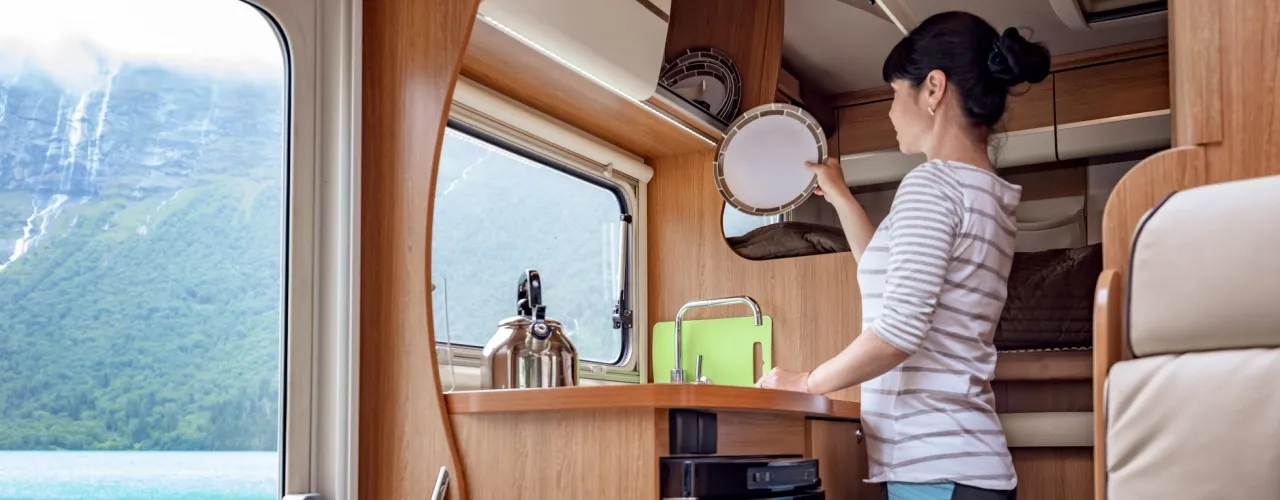
RV Storage Ideas: Smart Solutions for Every Space
The best RV storage ideas work by finding space you already have but aren’t using — under beds, inside cabinet doors, on walls, above entry steps and in the overhead bunk. Most RV owners run out of obvious places quickly, but the real storage capacity in a typical trailer or motorhome comes from vertical surfaces, divided compartments and rethinking what each space was designed for.

Kitchen Cabinet Organization Ideas for Less Chaos
The best way to organize kitchen cabinets is to store items where you actually use them: mugs near the coffee maker, plates close to the dishwasher, spices next to the stove. Small placement decisions like these turn crowded cabinets into functional ones, and they cost nothing to implement.

Where to Donate Clothes in NYC: From Pickup to Mutual Aid
Every year, 200,000 tons of clothing end up in NYC landfills — but yours doesn’t have to. Your unwanted clothes have a real second life waiting. Whether it’s a low-income family needing affordable basics, a woman reentering the workforce looking for interview wear, or an undocumented resident accessing free community support, the donation method you choose matters. Plus, there are plenty of convenient ways to go about it. Local mutual aid groups, free pickup services, mail-in programs, workforce nonprofits, and textile recycling — each one routes your clothes to neighbors and causes that need them most. Here’s where to donate clothes in NYC, according to your plans.

The Best U.S. Metros To Own A Boat
Boating is one of America’s favorite pastimes. According to the National Marine Manufacturers Association, nearly 100 million Americans go boating each year, and recreational boating contributes over $230 billion annually to the U.S. economy. It’s a lifestyle deeply shaped by geography, climate, and local culture.

Packing Tips for Moving in a Hurry: 5 Ways to Speed Things Up
Sometimes a move sneaks up on you and you wind up having to move in a hurry. A job starts sooner than expected, a lease ends abruptly, a sale closes fast, or life simply throws a curveball and suddenly you’re staring at a full house with only days or weeks to empty it. That short timeline can feel overwhelming, but it doesn’t have to mean chaos. With a focused plan and a few smart shortcuts, you can pack up quickly, protect your belongings, and land in your new home without losing your mind.
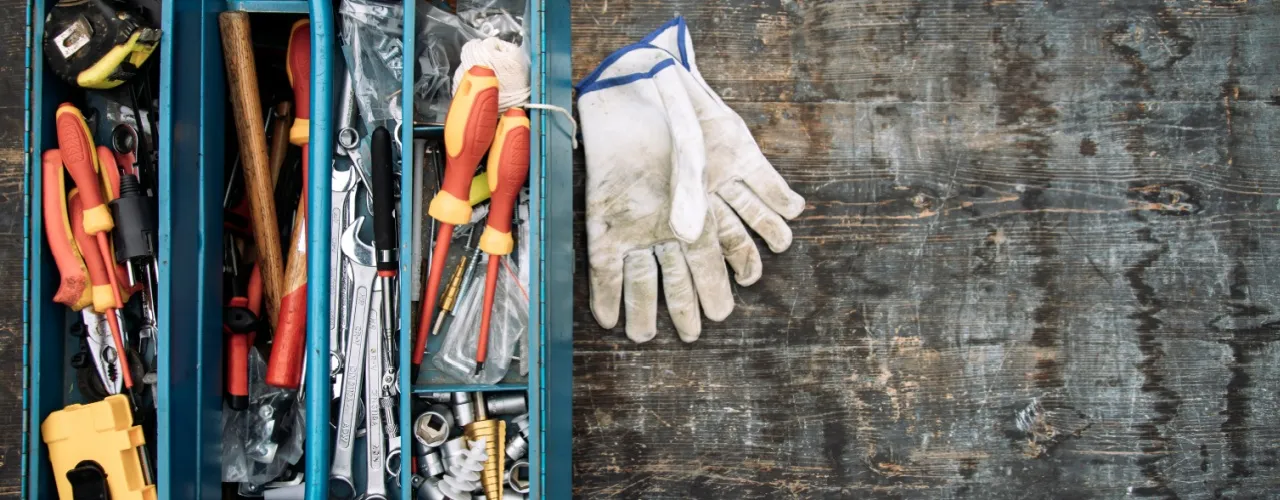
How to Store Tools Properly: Keep Equipment Rust-Free and Tidy
Good tool storage saves you time, money and the very specific rage of finding a rusted drill you paid good money for. Cleaning, drying and organizing your tools properly keeps them rust-free and findable — and it takes less effort than most people assume. True, nobody wakes up thrilled to organize their tools; it ranks somewhere between cleaning the gutters and reading the terms of service. But here’s how to do it right without the hassle.
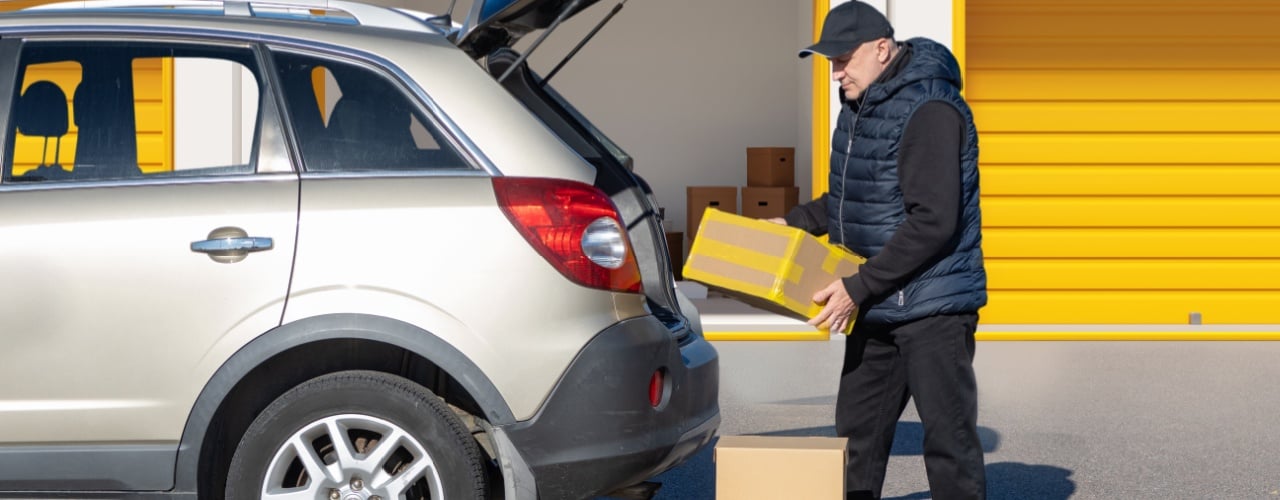
Drive-Up Storage Units: Pros, Cons and When They’re Worth It
A drive-up storage unit is a ground-level space with an exterior roll-up door, a lot like a detached garage. Units are usually arranged in rows with wide, paved aisles between them, so you can pull a car, van, or moving truck directly up to your door during access hours. The key feature is the access, and it comes in a few forms:

2026’s Best Cities for Roommates: Irvine, CA And Atlanta, GA, Lead In Shared Living Gains
Americans sharing a two-bedroom apartment instead of renting a one-bedroom alone can save, on average, about $6,700 per year. In some of the country’s most expensive cities, including Irvine, California, or Jersey City, New Jersey, the savings gap widens to around $13,000. For a growing share of renters, living with roommates is less of a lifestyle arrangement and more a conscious financial strategy.
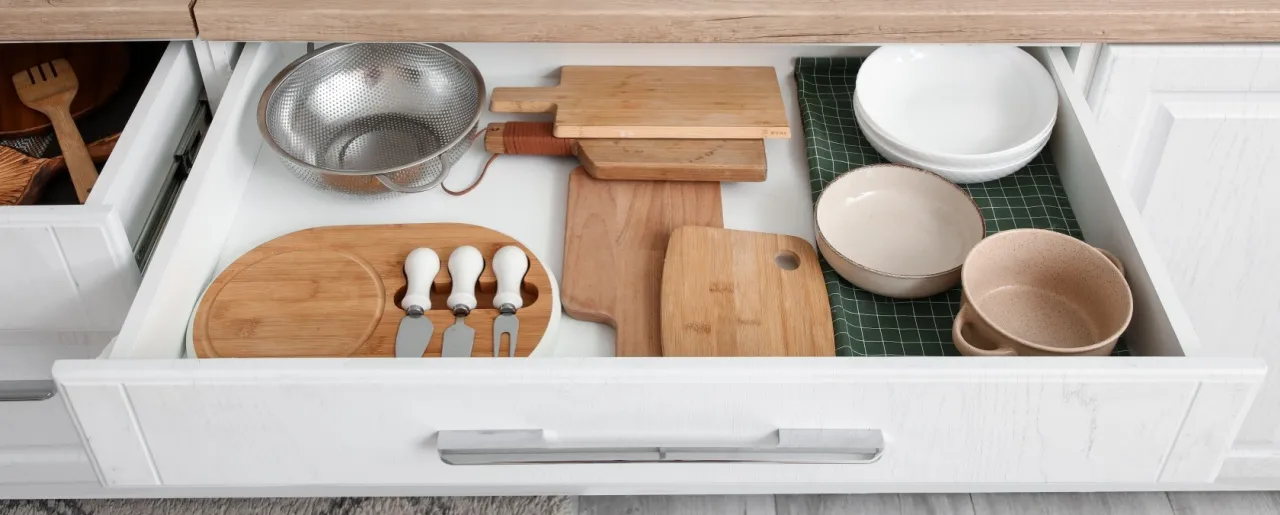
How to Organize Your Kitchen Drawers: Smart, Practical Ideas That Make a Real Difference
The best way to organize your kitchen drawers boils down to a few core principles: give each drawer a specific role, store items close to where you use them, and choose organizers only after you’ve decluttered. Most kitchen drawers aren’t cluttered because of a genuine lack of space but because no one decided what belongs where. Fix that first, and the rest becomes much easier.