

A self storage unit serves you well as a place for everyday items. But say you want to keep special, more valuable items in there? You will need to be sure they are fully protected. Fortunately, the insurance options on offer help you keep your peace of mind while valuables such as antiques, collectables and even cars and jewelry are kept in storage.
If you don’t rent storage yet, determine the storage unit size and type you need for your possessions, find a local storage facility and start thinking about storage insurance. If some of your items are valuable, think about getting experts to appraise them. Then, while they are away from home, insure them for their worth. We explain which valuable items you can put in self storage and how you can insure them there, including using the policy you have on your home, one offered by the storage facility, or a specialist one from a third-party provider.
The valuable items you can (and cannot) put in storage
A self storage unit is a great place for collectables such as comic books, themed toys, vinyl recordings, antique clocks and stamp collections, and these can be worth big — and increasing — sums of money. Artworks, furniture and vintage clothes are also valuable items which may not fit in at home, especially after downsizing. Getting a storage unit with climate control is recommended for all such prized items that can be damaged by extreme temperatures or humidity.
A car — which might be a luxury or vintage vehicle and so worth a lot of money — can be kept in a 10’x20’ storage unit, preferably with climate control to preserve all the chrome, leatherwork and tires in perfect condition. The same is true for expensive RVs and motorhomes, which are often parked outside at storage facilities and so are exposed to additional hazards. There are even self storage options for boats — definitely worth considering insurance for these.
Some self storage operators allow the storage of valuable jewelry in their units but others expressly forbid it, and money and precious metals are usually not allowed in a unit — a safe deposit box or a strong home safe are recommended alternative solutions. Many facilities also do not allow furs to be stored, though some allow them in climate-controlled units. Guns, including valuable and collectable models, are often not allowed in storage units except by special arrangement and always without their ammunition.

Jewelry box with valuable items
Homeowners’ or tenants’ insurance may not have enough coverage
Whether you own your home or are renting, you will have an insurance policy on it, or you may even have small business insurance. Some of these policies also extend their coverage to your possessions outside the home. However, the rate of coverage may be reduced, perhaps to 10%, so for example a regular coverage of $50,000 in the home drops to $5,000 outside it, including in a storage facility, and that might not be enough for your most valuable items.
In-house storage insurance may not protect against all liabilities
When you sign a contract to rent a storage unit, they often suggest you take their in-house insurance as well — many providers require that you have storage insurance of some sort. While this can be convenient and relatively inexpensive, the coverage and protection you get may not be ideal for very valuable items. For example, the policy may not cover smoke damage and potential events such as floods and earthquakes — you might need more peace of mind for your precious collectables.
Third-party insurance can give you exactly what you need
There are several companies that offer insurance explicitly for storage. Their policies frequently cover a wider range of potential hazards, including natural disasters, falling objects, riots and the effects of vermin. In addition, their coverage levels are often higher, for example up to $75,000 — as payments and deductible amounts vary with the coverage, get a policy that matches the worth of your stored items. Even better, as with other forms of insurance, for a little more money you may be able to get an ‘endorsement’ to cover that diamond necklace, for example, to a value higher than the policy’s base coverage level.

Vintage old pocket watch collection
Insuring valuable vehicles in storage — aim for reduced premiums
Any vehicle kept at a storage facility needs to be in working condition — though a non-functioning vintage car, for example, could possibly be kept there on a trailer — so you could continue with its regular insurance policy. This is useful so you can take it out for a run around now and then, but it would be costly over time. As homeowners’ or tenants’ insurance probably won’t cover it, consider a third-party provider.
For a large, expensive RV, some insurers may offer reduced premiums during off-season months. Always check the small print, however, to be sure you are content with the policy, especially if your rig will be parked outdoors at the facility and therefore affected by the weather. As regular cars are usually stored in fully enclosed units, weather conditions won’t be a threat and you might not be so concerned about a wide of range of potential hazards, letting you choose a policy with lower premiums.

Covered storage for recreational vehicles
Valuable items can sit in a self storage unit very safely, and you will have even less worries if you insure them properly. Make sure you get the right unit, with consideration given to the climate and potential hazards in the local area, and find out what your possessions are actually worth. Then get the insurance policy you need — always check the small print — and don’t necessarily accept what you are offered but be smart instead. Your precious possessions will thank you!



How to Use Silica Gel Packets for Storage
Moisture can cause significant damage to items in storage, leading to rust on tools, mold on clothing and warping in documents. Silica gel offers a simple yet powerful solution. Often found in small packets inside product packaging, silica gel is a desiccant that absorbs moisture from the air, keeping your stored items dry and protected. This guide explains what silica gel is, how it works and how you can use it to preserve your belongings in self storage.

Where to Find Moving Boxes in Los Angeles
Moving in Los Angeles is its own thing, and figuring out where to get moving boxes sorted is just the start of everything you’ll need to organize before moving day.

10 Best Places to Donate Books in Philadelphia
Did you know Philadelphia’s book-sharing roots go back to 1731? Benjamin Franklin and The Junto Club gathered their personal collections into a shared library, thus sparking a tradition of pooling knowledge for the common good. Today, you can carry on that spirit by donating books to local organizations and free libraries.

How to Sell Furniture (For Quick Deals and Side-Hustles)
Selling used furniture can be quick, profitable and even rewarding if you know where to list, how to present your pieces and what buyers are looking for. Just a tiny bit of patience and some good planning will take you a long way. This guide covers everything you need to sell your furniture efficiently and safely, for the best possible price.

1 in 4 Americans Rent Self Storage — and the Next Wave Is Already Coming
About one in four Americans is already using self storage and just as many are actively searching for a unit online right now. Across the 150 largest U.S. cities, self storage searches rose 23% year-over-year in 2025 — nearly triple the growth recorded the previous year, up from around 8% in 2024.
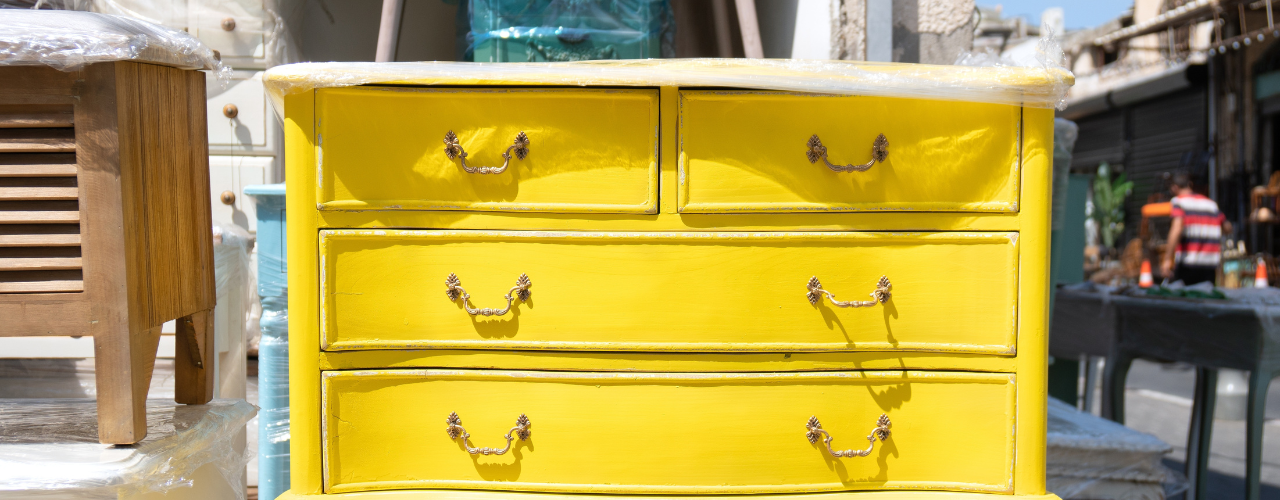
Where to Donate Furniture in Philadelphia
Philadelphia has a strong tradition of giving back, and donating furniture is a practical way to support local charities while freeing up space in your home. Whether you’re downsizing, moving, or just decluttering, there are plenty of organizations ready to take your gently used furniture. And if you’re not ready to part with certain pieces just yet, self-storage can buy you time to decide.

Jet Ski Storage: How to Winterize & Where to Keep Your Watercraft
If you want your jet ski to deliver the fun times for years on end, then proper storage is in order. Leaving it exposed to weather, UV rays, or theft can lead to costly damage, mold, or vandalism. Here’s everything you need to know to store your jet ski safely.
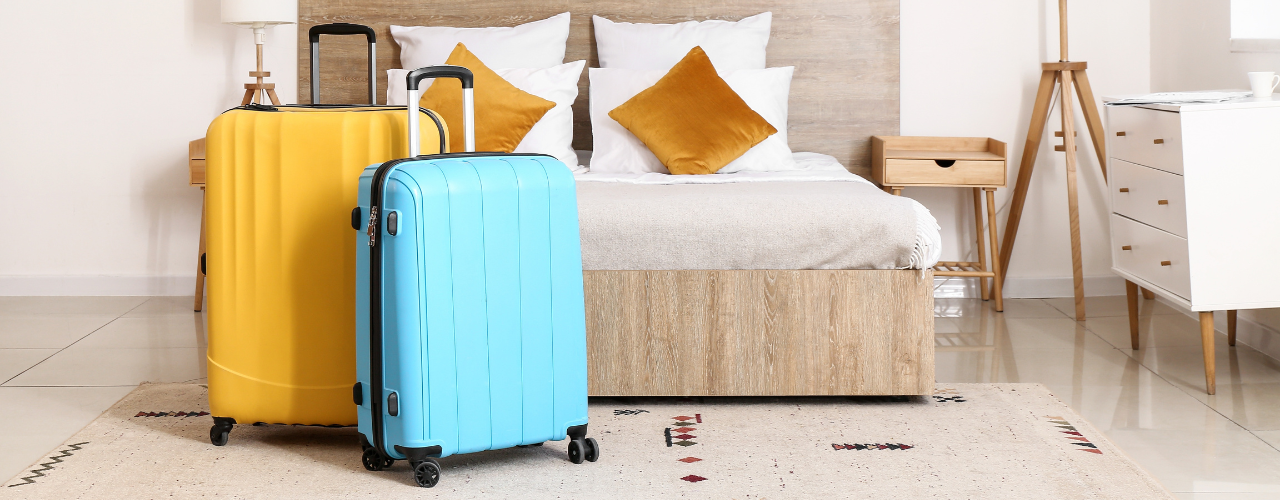
How to Organize a Guest Room: From Decluttering to Storage
A guest room often becomes a holding zone for spare furniture, seasonal bins and unfinished decisions. To reclaim it, start with three basics: a comfortable place to sleep, room for a guest to unpack and the everyday essentials that make the space easy to use.
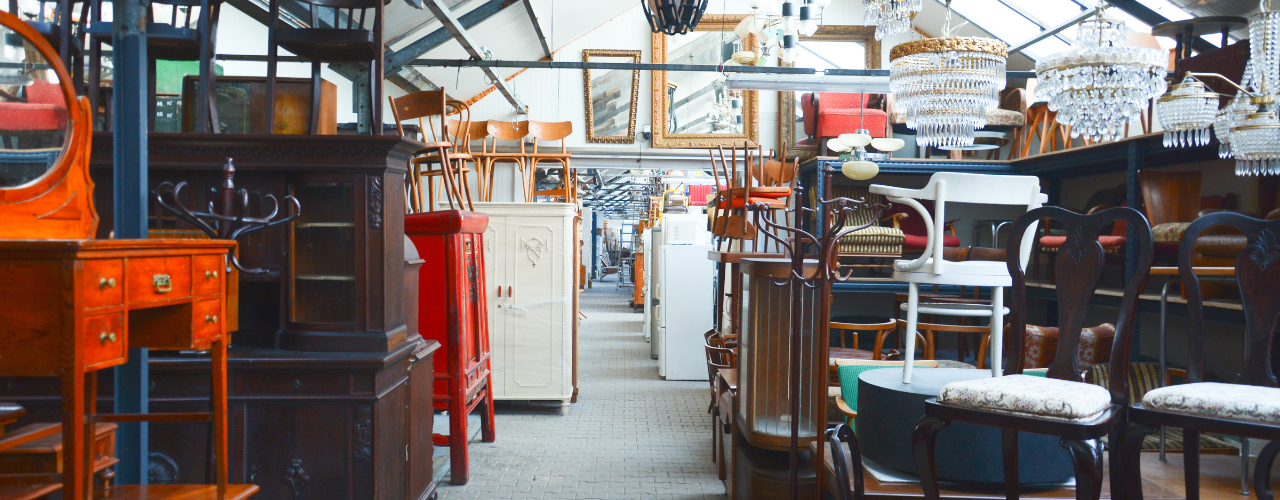
Where to Donate Furniture in Phoenix (And Some Back-Up Plans)
Whether you’re downsizing, moving, redecorating, or clearing out an estate, giving your gently used furniture a second life is one of the most rewarding ways to declutter. Phoenix has a deep bench of nonprofits that will happily take your couch, dresser, or dining set, and many of them offering free pickup right from your driveway. This guide covers where to donate furniture in Phoenix, what each organization accepts, how pickups work, and when a storage unit(opens in new tab) can help with the items you would still like to keep.