

Garage storage is more important than it sounds, because it helps you move things off the floor and onto walls, ceilings and rolling units. In time, this makes a big difference and saves you from awkwardly tiptoeing around stuff you’ve left on the ground. Use the garage storage ideas below and you’ll build a setup that fits what you own, how often you use it and how much space you have.
Plan before you buy
Ten minutes of planning prevents most storage mistakes:
- Measure everything: the length, width and ceiling height of the garage, your car with its doors open and the path the garage door takes when it opens.
- Mark the obstacles: wall studs, outlets, windows, doors and the electrical panel. You’ll always need clear access to the panel, so plan your storage around it, never in front of it.
- Sort by how often you use things: daily, weekly, seasonally or rarely. This is how you’ll know what to store at arm’s height, what to put overhead and what you shouldn’t keep in the garage at all.
- Pick one bin size and stick with it. Matching totes stack neatly, fit shelves predictably and work with the tote racks described below.
Wall storage
1. Freestanding shelving units
Heavy-duty shelving is the most flexible starting point and you can move it later if your plans change. Units with wire shelves are a smart choice, since they let air circulate and thus help prevent mildew in humid climates (plus, coated wire resists rust).
Choose units with locking casters if you want to roll them around or adjustable feet if your floor is uneven (that is, if your garage floor slopes toward the door for drainage).
Best for: bins, bulk supplies and anyone not ready to commit to a fixed layout.
2. Wall-mounted shelving and cabinets
Fixed shelves keep the floor completely clear, so you can sweep underneath and park closer to the wall. The tradeoff is permanence: if you want to move them later, you’ll have to reinstall them.
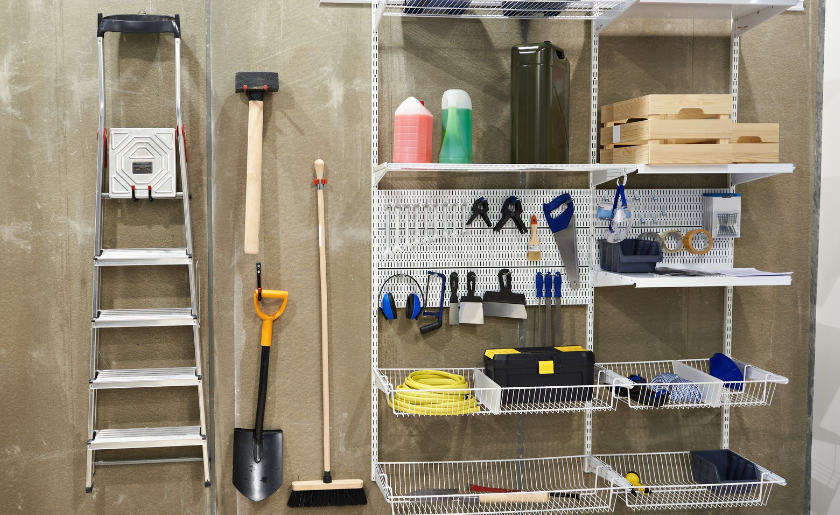
Best for: narrow garages and layouts you’re confident about.
3. Slatwall panels and track systems
Hooks, baskets and shelves clip into the panels or rails, so you can rearrange your garage at any time. Track systems are the budget-friendly entry point, but slatwall panels cover more wall and give a finished look.
Best for: ladders, hoses, extension cords and mixed gear.
4. Pegboard
Pegboard is inexpensive and keeps every tool visible. Plus, you can just trace an outline around each tool to remind yourself when something hasn’t been put back.
Best for: hand tools above a workbench.
5. French cleat wall
This DIY favorite has beveled strips screwed into the wall studs, with custom wooden hangers that lock onto them. You can build shelves, bins and tool holders that hang anywhere on the wall and move in seconds.

The best part is that it’s cheaper than slatwall and holds heavier loads than pegboard.
Best for: DIYers who want a fully customizable tool wall.
6. Magnetic tool strips
A good magnetic tool strip should keep wrenches, screwdrivers and bits within reach without using drawer space.
Best for: small metal tools you use constantly.
Ceiling storage
7. Overhead storage racks
Ceiling platforms turn the dead space above your car into storage. They must be bolted into ceiling joists and they need full clearance from the garage door and opener in every position.
Best for: seasonal bins and anything you access a few times a year.
8. Ceiling pulley hoist
Anchor a pulley hoist(opens in new tab) into ceiling joists, following the manufacturer’s instructions, to raise bulky items overhead and lower them without a ladder.

Best for: kayaks, roof boxes and bikes.
9. A shelf above the hood
The wall space above where your car’s hood sits usually goes unused. Mount a deep shelf mounted high enough, and you’ve got an extra bit of storage without costing parking space.
Best for: single-car garages short on wall space.
Bins and containers
10. Tote storage racks
Stacked totes have one problem: what you need is always in the bottom bin. A tote rack solves it, with each tote sliding into the frame on its own, like a drawer. You can buy one or build one from lumber, sized to your chosen bin.
Best for: anyone with more than a handful of storage bins.
11. Small-parts drawer organizers
Screws, nails, fuses and fittings disappear in toolboxes. Labeled drawer units keep them sorted and visible.

Best for: hardware and spare parts.
12. Clear zippered storage bags
Soft, bulky items like cushions, sleeping bags and outdoor pillows compress well in clear bags. Make sure items are completely dry before sealing them to prevent mildew.
Best for: fabric items that don’t fit bins.
13. Sealed containers for pet food and birdseed
Open bags of food in the garage are an open invitation for pests looking for a free meal. Use airtight hard-sided containers to keep them out.
Best for: any household that stores animal feed in the garage.
Cabinets and tool storage
14. Garage cabinets
Cabinets hide visual clutter, keep dust off and lock away chemicals and sharp tools. Ready-to-assemble steel is sturdy and practical and welded steel arrives preassembled and is the most durable. Wood composite offers more styles and finishes, while plastic won’t rust or dent, which makes it a smart pick for damp garages. Matching cabinet sets give the whole garage a finished, built-in look.
Best for: chemicals, paint and anything you’d rather not see.
15. Rolling tool chest and workbench
One of the neatest garage inventions, a workbench (opens in new tab) with storage underneath gives you a work surface and storage in one footprint. Pair it with a rolling tool chest(opens in new tab) that moves to wherever you’re working.
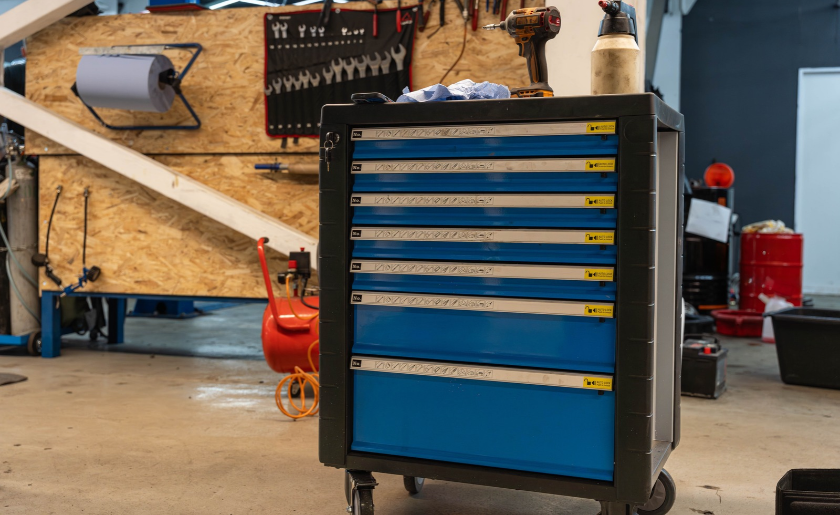
Many chests accept add-on side lockers as your collection grows.
Best for: DIYers and home mechanics.
16. Modular stackable toolboxes
Modular tool storage systems(opens in new tab) are interlocking cases stack into a rolling tower and come apart when you need to carry one to a job.
Best for: power tools and kits that leave the garage.
Gear-specific storage
17. Bike hooks and racks
Wall hooks, vertical racks or ceiling hooks get bikes off the floor, where they take up a surprising amount of space.

Best for: households with more than one bike.
18. Sports equipment organizers
Ball bins, bungee-cord racks and wall baskets keep loose gear contained. Place them near the garage door so kids can grab and return things without crossing the whole garage.
Best for: families with active kids.
19. Garden tool racks and hose reels
When it comes to garden tool storage(opens in new tab), you’ve got plenty of options. Racks keep rakes and shovels upright and separate, while a wall-mounted reel keeps hose from tangling (still, for smaller hoses, you can use a rack).
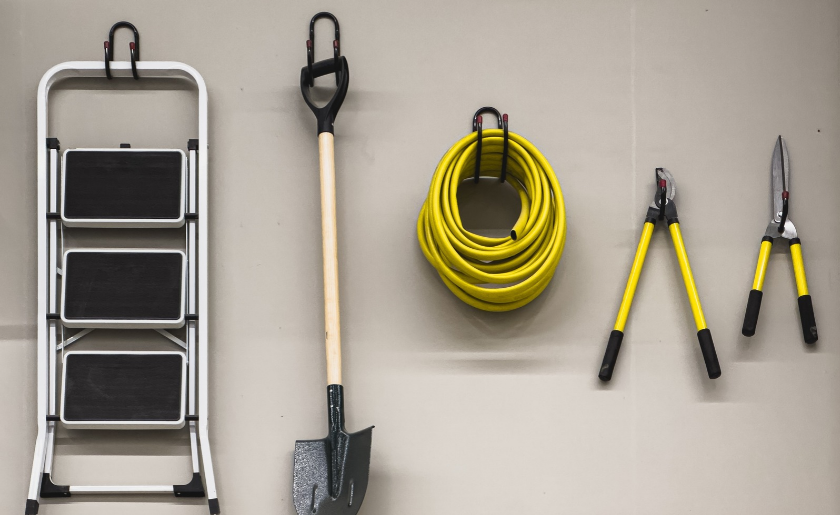
Whatever you choose, keep it near the garage exist, since you will be using what they hold outdoors.
Best for: long-handled tools and garden hoses.
Set zones to make daily life easier
20. An entry drop zone
If your family comes and goes through the garage, set up lockers, hooks and a shoe rack next to the door into the house. Shoes, backpacks and leashes stop migrating into the house or across the floor.
Best for: busy households that use the garage as the main entrance.
21. A recycling and trash station
Give bins a fixed spot with sorting containers for recyclables, ideally near the door so taking them to the curb is easy.
Best for: every garage.
Three rules for safe storage
- Respect weight ratings, per shelf as well as per unit.
- Anchor anything tall or heavy into studs or joists, never into drywall alone.
- Store heavy items low and seasonal, lightweight items high.
What doesn’t belong in your garage
Garages swing between summer heat and winter cold and they let in humidity, dust and pests. That’s fine for tools and bikes, but it’s hard on anything delicate, which you should never store in your garage(opens in new tab), basement or attic. Photos, important papers, electronics, wood furniture and collectibles are among the items most at risk.
When your garage still can’t hold it all
If you’ve organized and still can’t park inside, the cause is usually belongings you keep but rarely use, such as holiday decorations, spare tires or furniture you’re saving for later. Off-site storage can make sense for those, especially for the items your garage can damage.
Match the unit to what you’re storing and how often you’ll need it. Drive-up units make loading easy but tend to be outdoors, while indoor climate-controlled units(opens in new tab) are designed to limit temperature and humidity swings. Conditions vary by facility, so ask what range a facility maintains before you rent. Our storage unit size calculator(opens in new tab) estimates the size you need, and you can compare storage facilities near you(opens in new tab) to get the best deal when you’re ready.

Start with the ideas that solve your biggest problem: shelving or a tote rack if bins cover your floor, overhead racks if seasonal gear is taking up parking space or a drop zone if shoes and backpacks pile up by the door. Then add more as your needs change. Keep what you use often within easy reach, move what you rarely use up high, and give delicate or seldom-used belongings a safer home elsewhere. If your garage still can’t hold it all, a small storage unit can help you get your parking space back.
FAQ
What’s the cheapest way to add garage storage?
Start with what you can build or mount yourself. Pegboard, wall track systems and DIY projects like a French cleat wall or a lumber tote rack give you the most storage for the least money. Hooks screwed into wall studs handle bikes, ladders and garden tools for very little.
How do I protect things stored in a humid garage?
Keep everything off the concrete floor, since concrete can wick moisture into whatever sits on it. Use plastic bins instead of cardboard boxes, which absorb moisture and attract pests. Choose wire or plastic shelving, and consider a dehumidifier if your garage stays damp.
How much weight can overhead garage storage hold?
That depends on the rack’s rating and on your ceiling’s framing. Never exceed the manufacturer’s weight limit, and always bolt racks into joists. If your garage ceiling uses engineered trusses, check whether they’re designed to carry added weight before you install a rack, and consult a professional if you’re unsure.
Should I use wall storage or ceiling storage?
Use both, for different things. Walls are best for items you use often, since everything stays within reach. Ceilings are best for seasonal and rarely used items, because you’ll need a ladder or hoist to get to them.
Do I need a climate-controlled storage unit?
You need one if you’re storing anything sensitive to heat, cold or humidity, such as photos, documents, electronics, wood furniture, artwork or collectibles. For tools, sports gear and outdoor equipment, a standard unit is usually enough.
What size storage unit do I need for garage overflow?
That depends on what you’re moving out. Seasonal bins and smaller gear often fit in a 5×5 unit, while furniture or bulky equipment needs more room. StorageCafe’s storage unit size calculator(opens in new tab) gives you a recommendation based on the items you select.



Packing Services: Costs, Pros, Cons & Alternatives
Professional packers save time and reduce breakage, but they add a real cost to your move. Whether they’re worth it depends on how much you own, how much protection it needs and how much time you have. This guide covers what packing services cost, when they pay off, when they don’t and the cheaper alternatives worth considering.

Classic Car Storage: A Guide to Protecting Your Collector Car
Any classic car you see is still there and looking great because people throughout the years knew how to store it well. Those smart decisions kept it from being damaged by moisture, frost and other issues that lead other cars to the auto-graveyard. Now, it’s up to you to carry on the legacy by choosing the right kind of classic car storage(opens in new tab). This guide compares indoor and outdoor options, explains why climate control storage(opens in new tab) is important and shows you how to prepare your car before you store it.(opens in new tab)

Second Acts With Roll-Up Doors: The Most Unexpected Self Storage Conversions In The U.S.
You probably don’t expect to stash your holiday decorations in a former armory. Or tuck away old photo albums where moviegoers once lined up for popcorn. But across the country, some of the most unexpected buildings are getting a second act — as self storage facilities.

Storage Unit Insurance: Your Coverage Options Compared
Your homeowners or renters policy may already cover your stored belongings, but likely not for their full value or against every risk. This guide explains where coverage comes from, what each option leaves out and how to decide whether you need more from your storage unit insurance.

I’m Gen Z: What’s in My Storage Unit?
Trading Facebook posts for TikTok dances and Beanie Babies for Labubus, Gen Z has given growing up online a whole new meaning. Defined by everything concerning reusing, recycling and cycling through trends that previous generations would rather forget (looking at you, Millennials and capri jeans), it’s no wonder this is also a generation that can spot an authentic vintage find from a fast-fashion knockoff in under three seconds. And when your wardrobe can go from Depop find to next season’s comeback without warning, a little extra space starts making sense.

I’m a Millennial: What’s in My Storage Unit?
So, you’re a Millennial. You probably know all the lyrics to Phoebe Buffay’s Smelly Cat. Hannah Montana’s The Best of Both Worlds has become more like a life philosophy rather than a fun tune. And if you rent a self storage unit, you’re in good company. You’ve officially joined the 31% of Millennials who rent storage space, most often because there simply isn’t enough room at home, according to StorageCafe’s 2026 Self Storage Demand and Trends survey(opens in new tab).

Attic Storage Done Right: What’s Worth Keeping Up Top?
The attic is one of those places where holiday decorations end up next to a forgotten suitcase, a broken lamp and boxes nobody’s opened since moving day. Out of sight, out of mind works well enough until you need something from the back or realize you’ve been adding weight to a floor you know little about.

What to Know Before Starting a Self Storage Business in 2027
If you’re wondering how to start a self storage business, two questions come first: Does your area need more storage, and what would it take to run the business? Before you commit to a property, it helps to understand local demand, the costs involved and the day-to-day work of serving renters.
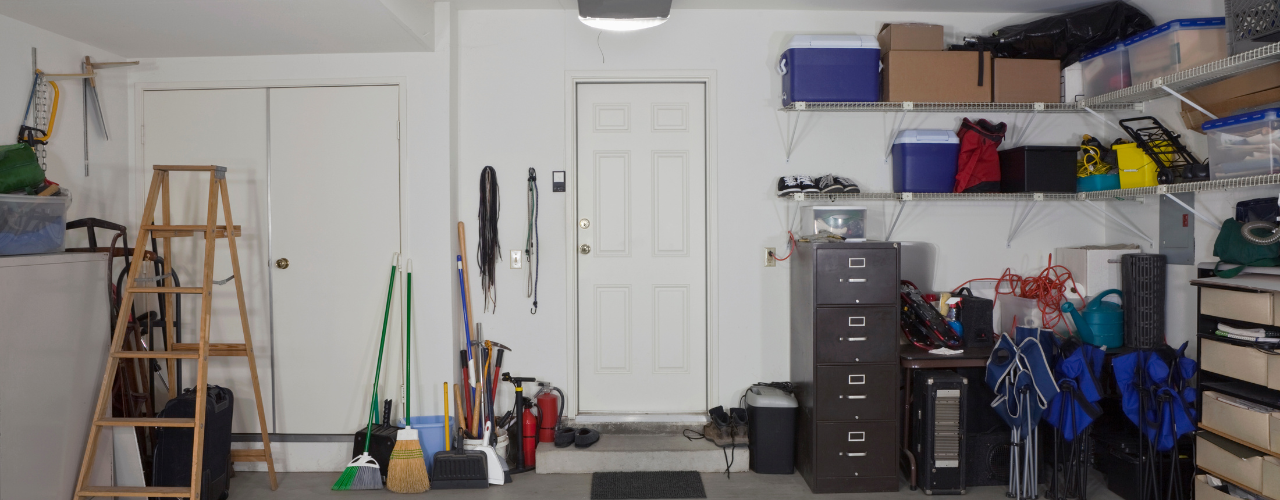
How to Organize Your Garage: A Step-by-Step Guide
A messy garage is often the product of plain, human indecision. And no, buying more bins isn’t the end-all decision to fix a cluttered garage. Luckily, the steps you need to take are not that complicated. Decide what your garage is for, empty it, sort and measure and buy storage last. Here’s how to make informed decisions along the way, so your garage stays organized for the long term.