

Key Takeaways
- Decide exactly what you’ll be using garage space for, aside from your car.
- Empty the garage, sort everything into five piles and clean the bare space.
- Measure, map out zones and choose storage for each zone, then put your things back.
- Do a 15-minute reset once a month to keep it organized.
A messy garage is often the product of plain, human indecision. And no, buying more bins isn’t the end-all decision to fix a cluttered garage. Luckily, the steps you need to take are not that complicated. Decide what your garage is for, empty it, sort and measure and buy storage last. Here’s how to make informed decisions along the way, so your garage stays organized for the long term.
Before you start
Take some time to do a clean-up. An average two-car garage takes at least a full day, plus a few hours later for drop-offs and installing storage. If your garage is packed to the door, plan for two weekends. Trust us, it’s worth it in the long run.
Pick a day when it’s not likely to rain, as you’ll be using your driveway as the sorting area.
Then, get the supplies you feel you’ll need to for the job. Depending on what you’re handling, that can be work gloves, closed-toe shoes, a dust mask, contractor bags, painter’s tape, a tape measure, a marker and labels.
Finally, recruit a helper, especially if you’ll need to pick up very heavy things. That second pair of hands will make lifting safer and help you make decisions instead of second-guessing everything.
1. Decide what you’ll use your garage for
Every later choice depends on this one, so answer these questions first:
- Do you park inside? If so, how many vehicles? Everything else works around them. If you’ve got second car, a project car or a seasonal convertible eating up space you’d rather use for a workshop or storage, you could consider using remote car storage(opens in new tab) to free up space without selling the vehicle. Also, if you expect to buy a taller vehicle in the next few years, plan around that vehicle, not your current one.
- Do you need a workshop? A workbench needs wall space, good lighting and nearby outlets. If you plan to work on cars, your garage has to function as a workshop first and storage second. Even routine repairs go faster in a space built around the vehicle, with room to open doors, roll a jack and reach your tools. And while reselling cars can be a profitable side hustle(opens in new tab), it’s always good to be thrifty with your space by giving your workshop a good decluttering.
- Is it mainly storage? Then you can use the full height and depth of every wall.
- Does it serve several purposes? Most garages do, so rank them by importance.
Write your top priority on a sheet of paper and tape it to the wall. Three hours in, when you’re debating where the stuff goes, look up at the paper and remember what you want out of this in the first place.
2. Empty the garage
Take everything out if you can. When you leave one item in place, you’re likely to leave it there despite how little sense that spot makes. With an empty garage in front of you, you’re forced to make a decision on every item before it earns its way back in.
If the garage seems too full to empty at once, it’s smarter to work in sections. Clear one wall or corner, finish it completely and move to the next. You’ll see progress sooner and your driveway won’t become a second mess you have to take care of.
3. Sort everything into five piles
Mark five areas on the driveway with tape or signs:
- Keep items you’ve used in the past year, plus seasonal gear you’ll use this year.
- Move stuff that belongs in the house, attic, shed, back at the neighbor’s or a small storage unit(opens in new tab) (especially if you already rent one).
- Sell valuable things you no longer use, such as a working mower or an outgrown bike.
- Donate usable stuff not worth the effort of selling.
- Toss anything broken, incomplete or expired.
Decide quickly. If you can’t remember the last time you used something and it isn’t seasonal, let it go. Keep the best of any duplicates. It’s just better to make a fast, mostly right decision instead of stalling the whole project by mulling over your third box of old tools.
Still, let’s say there are some items you can’t decide on despite your best efforts. Great! Use a “maybe” box for them. Seal it, date it and set a six-month reminder. If you haven’t opened it by then, donate it unopened; it’s time to move on.
As for the “sell” and “donate” piles, move them out within a few days. Schedule the pickup or drop-off before you start, because boxes left in the driveway tend to seduce you into letting them back into the garage. If your toss pile grows past a few bags, book a junk-removal pickup or rent a small dumpster before you run out of room.
Safety first: Handle hazardous waste and protect your garage from damage
Clearing out a garage almost always turns up items that can’t go in the trash and an empty garage is also the best time to guard against risks like flooding before your car and belongings go back in. Here’s how to handle both.
Oil-based paint, solvents, pesticides, pool chemicals and old gasoline can’t go in household trash. Be responsible and take them to your local household hazardous waste site. Schedule a day for it and check your city or county’s rules. Many auto parts stores accept used motor oil and car batteries. Some areas let you dry out small amounts of latex paint and throw the can away; others require a drop-off.
Once you’ve effectively decluttered your garage, take steps to prevent extreme weather events from damaging cars on your property. You can prepare your garage for a flood(opens in new tab) by adding flood barriers around your garage and installing anti-flood brick vents where appropriate. If a storm is rolling in, act quickly with sandbags and find alternate storage for cars(opens in new tab) in your garage.
4. Clean and inspect
With clutter out of the way, you’ll probably be feeling extra-motivated for this next step. Sweep the empty floor, degrease oil stains and wipe down any shelving you’ll be keeping. Then look for problems that would damage your things later: leaks around the door or walls, cracks, damp patches, pest droppings and rusty door hardware. Fix them now; you’ll thank yourself later.
Also, think ahead. Your floor and walls will never be this bare again, so if a floor coating or fresh paint is on your list, do it now.
5. Measure and map your space
Measure before you buy a single hook or shelf, as in the table below:
6. Plan your garage zones
Life just gets easier when you’ve got designated zones for your belongings. The garage is no exception. Group similar stuff together, then place each group by how often you use it and who needs to reach it, as in the following table.
Within each zone, you want to store everyday items between waist and shoulder height, heavy items low and light seasonal items high. If you have young kids, give them a zone with low hooks and open bins they can reach on their own when you’re driving out (be it for sports, hiking, school).
7. Choose storage for each zone
Now you can shop, because you know what you’re keeping and where it goes. Match storage to the zone, according to your needs and without overspending:
- Walls (track systems, pegboard and hooks) for things you grab often.
- Overhead racks for seasonal bins.
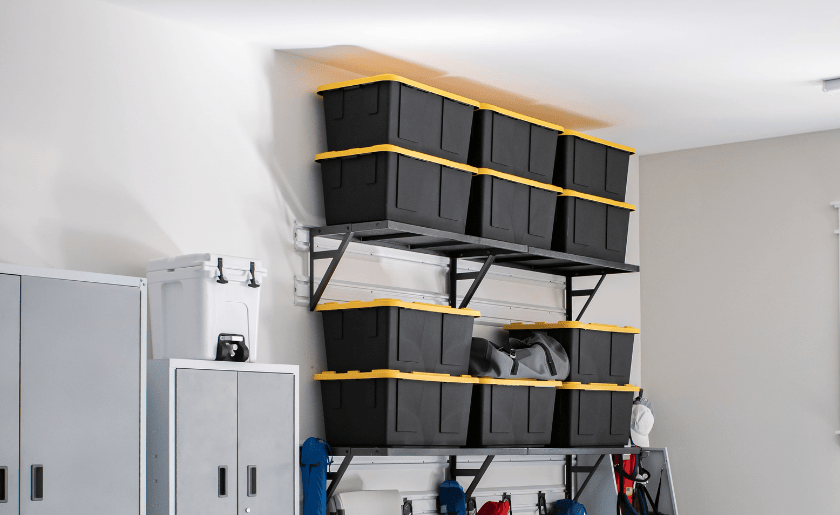
- Cabinets for chemicals and anything you’d rather hide.
- Shelving with bins for bulk supplies.
- A workbench and tool chest for the workshop.
- A secured shed(opens in new tab) for extra equipment.
If you work on cars, you know your requirements better than anyone. Still, most home setups start with the same essential garage equipment(opens in new tab), so plan wall space, outlets and lighting for it before you fill the walls with storage.
For storage options compared by installation and flexibility, see our guide to garage storage ideas(opens in new tab).
Still, you don’t need to — and shouldn’t — buy everything at once. Start with your busiest zone, live with it for a few weeks and add storage once you see what still lacks a proper container.
Buy bins in one size so they stack and fit your shelves and look for lids that seal out dust and pests, sturdy handles and walls thick enough to stack without crushing. Skip thin plastic bins, which can crack in cold garages and cardboard boxes, which absorb moisture and attract pests.
If you go for built-in cabinets, fasten anything you mount into studs or joists.
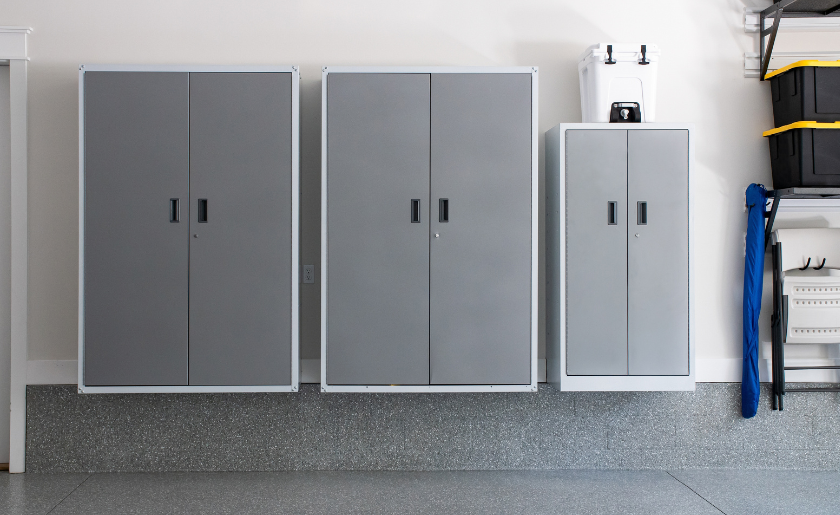
Drywall anchors may hold an empty rack but can pull out once it’s loaded (and that’s a lesson you don’t want to learn on your own).
8. Put everything back
This is the victory lap of your garage organization.
Take it zone by zone so you don’t end up with new piles in the middle of the floor. Put the heaviest bins on the lowest shelves and leave a few inches above each bin so it slides out without scraping. It’s also smart to label every bin and shelf, even clear ones, so everyone in your household knows where things go (and just in case you forget where you put what).
Then test the layout. Park the car, open every door, walk around it carrying a bin and run the garage door through a full cycle. If there are no hiccups, congrats! You now have an organized garage. If some hiccups do occur, you’re still very close to one, so keep trying.
9. Keep your garage organized for the long term
To keep your garage tidy past the honeymoon phase of organizing, there’s things you can do ahead of time. The most obvious and helpful thing is to keep cleanup supplies handy. A broom, all-purpose cleaner and a bag of cat litter for oil drips stop spills before they stain.
Also, just make it easy to put stuff away. If returning an item takes more than a few seconds, it’ll land on the floor. Store it closer to where you use it. Then, set up a landing bin by the door for items in transit: returns, borrowed items and project leftovers. Empty it weekly.
Still, an organized life comes with a personal code. Here are some rules you can apply to yourself (though we recommend printing them out and gluing them somewhere in the garage, too).
- Do a 15-minute reset monthly. Return strays to their zones.
- Swap seasonal gear twice a year. Bring in-season items forward, move the rest up or back and do a quick donation pass.
- Follow the one-in, one-out rule. When something new comes in, something old goes.
Know what doesn’t belong in your garage
Garages swing between heat and cold and let in humidity, dust and pests, so some things shouldn’t go back in. Propane tanks belong outdoors. Photos, important papers, electronics, wood furniture and fabrics can warp, fade, mildew or attract pests and freezing temperatures can ruin latex paint. Our guide to things you should not store in your garage, basement or attic(opens in new tab) covers the full list.
If you want to keep those items but lack room in the house, a climate-controlled storage unit(opens in new tab) is designed to limit temperature and humidity swings. Conditions vary by facility, so ask what range it maintains. Our storage unit size calculator(opens in new tab) estimates the size you need and our websites lets you compare storage facilities near you.(opens in new tab)
When to call a professional
Most garage organization is a weekend DIY project, but some jobs are safer and faster with an expert:
- Mounting heavy storage into concrete block.
- Installing overhead racks on trusses or very high ceilings.
- Applying an epoxy or polyaspartic floor coating.
- Hauling away large amounts of junk or hazardous waste.
Conclusion
An organized garage comes from doing the steps in order, not from buying the most storage. Decide what the space is for, let go of what you don’t use and give everything you keep a zone that matches how often you reach for it. Once your plan is set, browse our garage storage ideas(opens in new tab) to find the right storage for each zone.
FAQ
How do I organize my garage on a budget?
Declutter first; it’s free and shrinks how much storage you need. Selling unused items can fund the storage you buy. Wall hooks and track systems free more floor space per dollar than stacks of bins. Old bookcases or kitchen cabinets also make good garage storage.
Can I keep a refrigerator in the garage?
Only one designed for it. Standard refrigerators are built for indoor temperatures, so in a garage that freezes or gets very hot, they may struggle to keep food safe. Check the manufacturer’s rated operating range or choose a model labeled garage-ready. If you unplug a fridge for any length of time, empty it and prop the door open to prevent mold.
How do I organize a garage with kids?
Give kids their own zone with low hooks, open bins and picture labels so they can put things away themselves. Lock away or store out of reach any chemicals, sharp tools and heavy items and anchor tall shelving so it can’t tip if a child climbs it.
How often should I reorganize my garage?
Do a full clear-out and deep clean once a year. Between those, a monthly reset and twice-yearly seasonal swap should be enough to keep the job small.



Storage Unit Insurance: Your Coverage Options Compared
Your homeowners or renters policy may already cover your stored belongings, but likely not for their full value or against every risk. This guide explains where coverage comes from, what each option leaves out and how to decide whether you need more from your storage unit insurance.

What to Know Before Starting a Self Storage Business in 2027
If you’re wondering how to start a self storage business, two questions come first: Does your area need more storage, and what would it take to run the business? Before you commit to a property, it helps to understand local demand, the costs involved and the day-to-day work of serving renters.
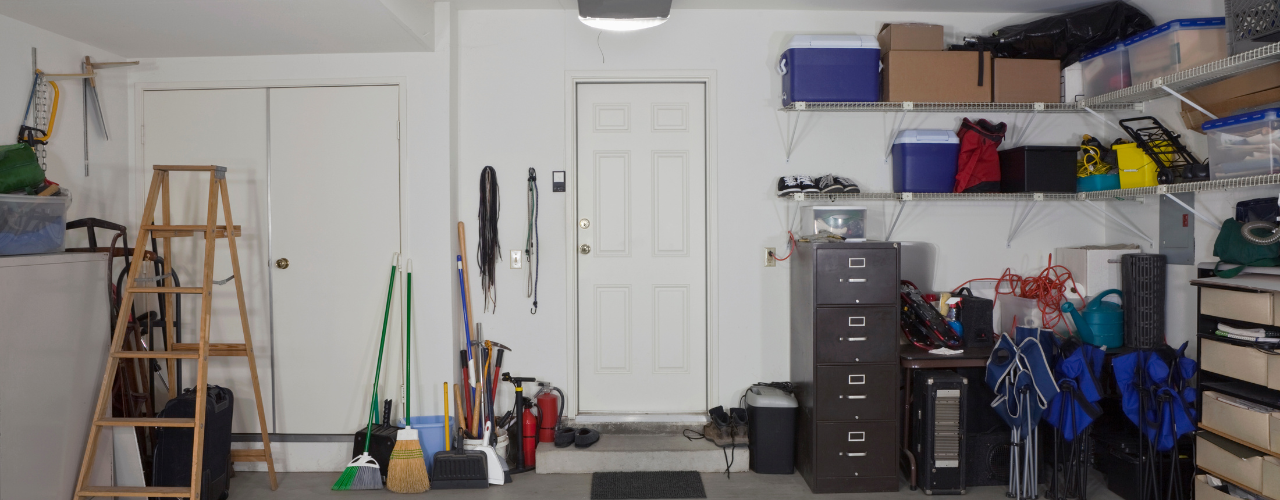
How to Organize Your Garage: A Step-by-Step Guide
A messy garage is often the product of plain, human indecision. And no, buying more bins isn’t the end-all decision to fix a cluttered garage. Luckily, the steps you need to take are not that complicated. Decide what your garage is for, empty it, sort and measure and buy storage last. Here’s how to make informed decisions along the way, so your garage stays organized for the long term.
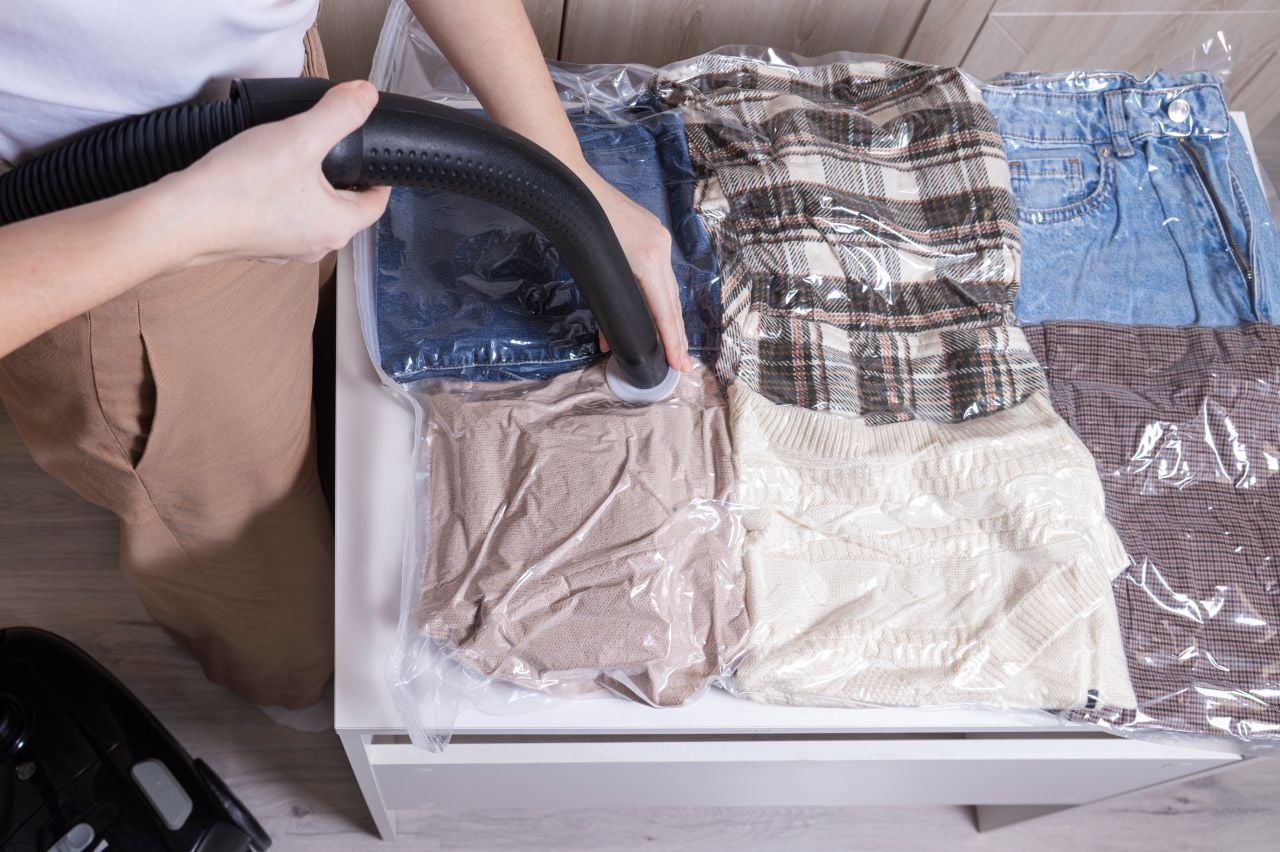
Should You Vacuum Seal Clothes? Everything You Actually Need to Know
Vacuum storage bags seem like the perfect solution when storage space is an issue: suck out the air, shrink that pile of winter sweaters into a fraction of the space and suddenly your closet is no longer overflowing. For the right types of clothes or other household linens, vacuum bags are actually quite handy and a great way to save closet space.

ATV Storage Guide: How To Store and Winterize Your ATV
The riding season is winding down, and that’s when most people start thinking about ATV storage. Keeping an ATV at home isn’t always easy. Garages fill up fast, sheds are rarely built for a four-wheeler and some apartment complexes and homeowners associations don’t allow one in the parking lot or driveway.
21 Garage Storage Ideas: Free Up Your Floor Space
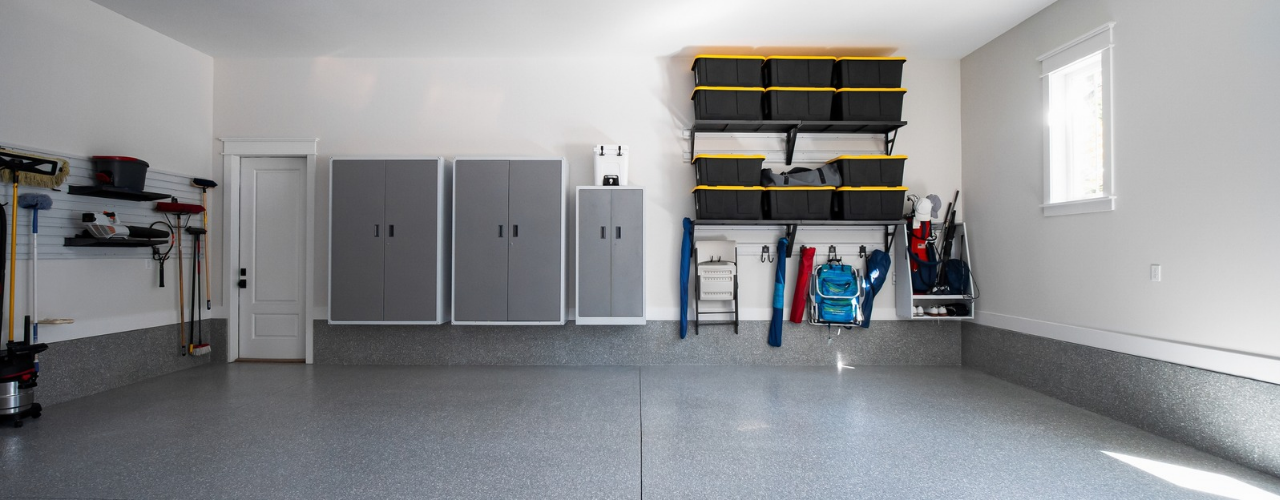
Garage storage is more important than it sounds, because it helps you move things off the floor and onto walls, ceilings and rolling units. In time, this makes a big difference and saves you from awkwardly tiptoeing around stuff you’ve left on the ground. Use the garage storage ideas below and you’ll build a setup that fits what you own, how often you use it and how much space you have.
How to Move a Piano: Moving, Insurance & Storage Guide
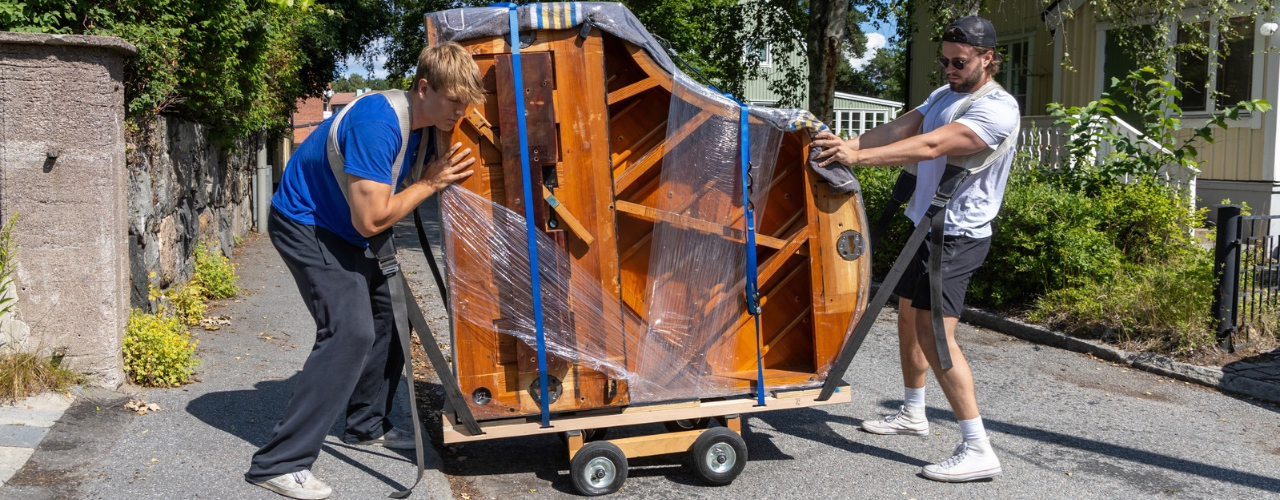
Before we get into the nitty-gritty of the matter, let’s agree on the simple fact that, unlike other types of relocation conundrums, moving a piano is just a very cool thing to see, let alone accomplish. The labor that makes piano concerts possible and keeps legendary instruments alive, a piano relocation takes meticulous planning, special equipment and a crew that really knows their stuff. That is, unless you’re set on recreating the piano crash of a classic Looney Toons gag.
Hall Closet Organization: 30 Ideas for Simpler Storage
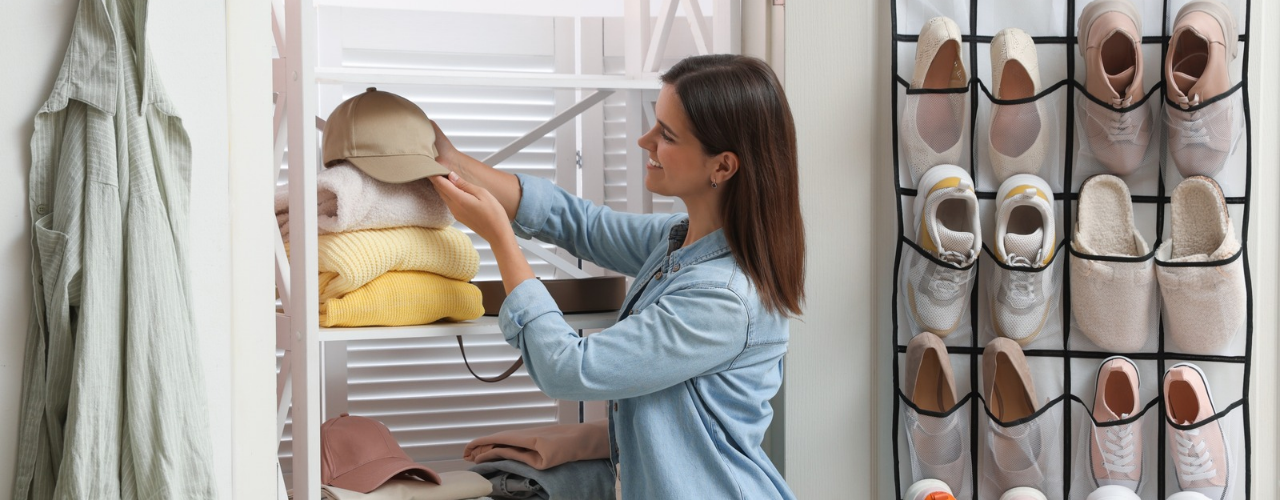
Be it built-in, freestanding, or wholly improvised, your hall closet works best when you can grab anything quickly and put it back just as fast. These 30 ideas for organizing your hall closet walk you through planning, deciding where things go, choosing the right containers and way more. By the end, you’ll even know what to do when your closet still runs out of room.

Holiday Decoration Storage: A Guide for Every Season
Taking down the holiday decorations is never as exciting as putting them up. One minute, your home is looking wonderfully festive, and the next, you’re trying to remember which box the Christmas ornaments came in while wrestling with a string of lights that managed to tie itself into a dozen knots. With every holiday bringing its own collection of decorations, a good holiday decoration storage system helps you keep a growing collection under control.