

Moving with no money is a less than ideal situation and something that will need careful consideration. As there are in fact many legitimate reasons that can put you in that delicate position, we’ve come up with some tips that might help point you in the right direction, even if your pockets don’t overflow with cash.
Maybe you lost your job and need to move somewhere less expensive, or, on the contrary, you unexpectedly got a great job in a different city, but you have no savings to fall back on. Moving out after a divorce or the end of another type of relationship, due to foreclosure or a natural disaster, or because you’re leaving your college town after graduation are other life situations where moving becomes rather mandatory, whether you budgeted for it or not. Here’s how to deal with an unexpected move that caught you in a bad state financially.
1. Assess Your Situation Carefully
Relocating with zero savings under your belt and with very little cash to cover the actual move and other expenses, such as future rent and bills, should not be done lightly. Assess your situation carefully to determine whether moving is mandatory, or maybe postpone it for at least a few months. Every extra week you can squeeze in before actually moving is important, as you’ll be able to save money and draw plans that will make the entire process a little easier to manage.
2. Explore the Possibility of Getting a Loan
A small personal loan or taking on some credit card debt – if those financial tools are available to you – can get you through this difficult period. If you’re a young person, that can also be a smart way to build your credit score. However, you need to make sure you’re paying the loans off in a timely manner, without any delays. Otherwise, you’ll end up in a bigger conundrum than the one you started with.
3. Sell Your Clutter to Get Cash
You can make a quick buck by selling stuff you no longer need or want. Old clothes, electronics, books, games, home appliances – you can turn that into hard, cold cash pretty easily. It might take a little more time to sell large items like furniture, but it’s still worth it. Packing and transporting it is going to cost money you don’t really have.
4. However, Keep Your Essentials
On the other hand, selling important stuff that you need and use every day is not a wise long-term strategy. So, refrain from turning your mattress or your winter jackets into easy cash. The same goes for your car or computer – most likely you need those to get to your job, or to search for a job if you don’t have one.
You might be tempted to get rid of your things especially if you need to move out fast and you don’t have yet a new place. Even if you’re crashing on a friend’s couch for a few weeks, you can still rent a self-storage unit and store your essentials. Self-storage units are affordable, and many facilities will give deals such as the first month free to new customers.
5. Ask for Help from Family and Friends
If you’re wondering how to move out of your parents’ home with no money, maybe you’re asking yourself the wrong question. Depending on your circumstances, you could negotiate with your parents to stay home a few months longer and to save money in the meantime. But, regardless of whether you still live with your parents or not, you should still appeal to family and friends for help. Things like transportation and packing supplies can be quite expensive, so try to enlist people from your circle to help you with all that.
6. Search for House-Sitting and Pet-Sitting Opportunities
You’re dreaming about moving to a big city, or to another state, but you have no money. One possibility is to look for house-sitting and pet-sitting opportunities. There are plenty of websites and apps that are matching homeowners and pet owners who travel for extended periods of times with people willing to take care of their houses and pets.
This type of service is in demand particularly in large metros, where people with demanding careers who travel a lot are located. This means you have a chance to live rent-free for weeks in otherwise very expensive places.
The average rent in a place like Manhattan, for example, is more than $4,200 per month, according to Yardi Matrix, so it’s safe to say it’s normally not up for discussion when moving with no money. However, a house- or pet-sitting gig might allow you to live there rent-free for different periods of time, from days to weeks or even months. You can use that time to hunt for jobs and affordable apartments, thus making the transition a lot easier. As for your stuff, no need to worry: a self-storage unit in New York City rents for only about $170 per month.
7. Consider Taking Some Quick Odd Jobs
Performing small tasks for other people is another great way to make some cash fast. Install some apps that are designed for such services and start marketing your skills. Everything from simple house maintenance and improvement work to dog walking or grocery shopping is on demand. You can also enlist with a car-sharing company and do a little bit of driving here and there, when you have time.
8. Negotiate Everything
Compensate for the lack of cash by developing your negotiation skills. You can ask businesses for discounts for different services you might need during this period, or if you can pay in installments. It might be a good idea to ask for a raise at your job. The main point is to not be embarrassed or afraid to start the negotiating process – there’s nothing to lose, only to gain.
9. Have a Back-up Plan
You’re taking a pretty big leap of faith when deciding to move with no money. Things might not work out well, and you don’t have any savings to fall back on. You need a contingency plan. Talk to your family and friends and ask whether they would be able to take you in for a few weeks, should you need it, or apply for a credit card to use only in case of emergencies. Obviously, another type of back-up plan might be appropriate for your situation – the important thing is to have one.

10. Start saving
Having to move with no money doesn’t mean you can’t improve your personal finance managing skills for the future. Draw up a budget based on your monthly income and see how much you can afford to save. Don’t postpone saving – you can always find pretexts why it’s not the moment, but you must start somewhere. You certainly don’t want to be penniless the next time you’ll have to relocate.
Moving with no savings is not recommendable. However, sometimes that’s just how things are, and you can make the entire situation easier to manage by asking for help from family and friends, negotiating with services providers and finding ways to make some extra-cash.



Moving From a House to an Apartment: What to Expect, How to Downsize & How Self Storage Helps
For some, moving from a house to an apartment is a financial decision. For others, it’s about simplifying life. Maybe the kids have moved out and half the house sits empty, or you’re approaching retirement and no longer want to spend weekends on repairs. Or perhaps you’ve been weighing the cost of buying a home and wondering whether renting simply makes more sense right now.

Family Heirlooms Overload: How to Handle Family Inheritance Without Regret
Handling family heirlooms after a loss requires managing legal authority, emotional pressure and practical logistics at the same time, and the order you take them on matters more than most people expect.
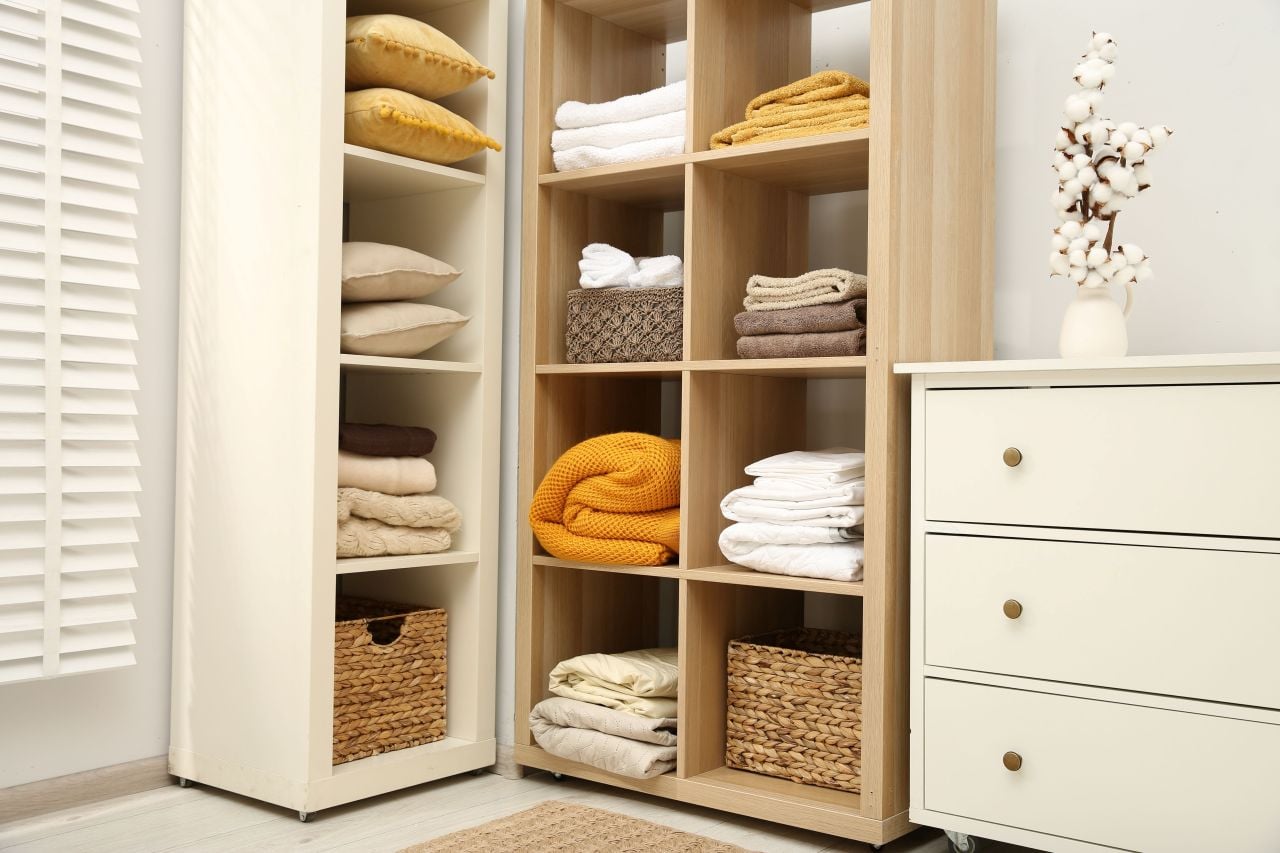
Blanket Storage: The Right Method for Every Space and Season
Blankets make our lives cozier, and storing them well is what keeps them soft and comfortable in the long run. Knowing how to store a blanket properly means your favorites come out of storage smelling fresh, feeling the same as when they went in, and lasting years longer than they otherwise would.

Board Game Storage Ideas That Keep Your Collection in Fighting Shape
Nobody warns you that getting into board games usually unlocks a second hobby, the much dreaded one that includes figuring out where on earth to put them. One game becomes a few, expansions start spawning beside their base boxes and before long, board game storage requires as much strategy as whatever is waiting on the other side of those lids.

Storage Locker vs. Storage Unit: What’s the Difference?
A locker and a unit may sound like two names for the same four walls and a lock, and depending on the storage facility, you may even see the terms used that way. However, once you start comparing available spaces, storage lockers tend to occupy the smaller end of the spectrum, while storage units(opens in new tab) give you considerably more room to work with.

Storage Ideas for Small Spaces: 9 Ways to Max Out Your Home
A messy home contains the seeds of its organization. Those seeds are everywhere: the space above doors, under beds, behind sofas and inside furniture can all become storage. Here are the best storage ideas for small spaces, so you can make the most of your cozy home.

Best U.S. Cities to Live Uncluttered: Plano, TX, Offers the Most Room to Breathe
Clutter is in our homes as much as in our heads. Both are shaped by where we live.
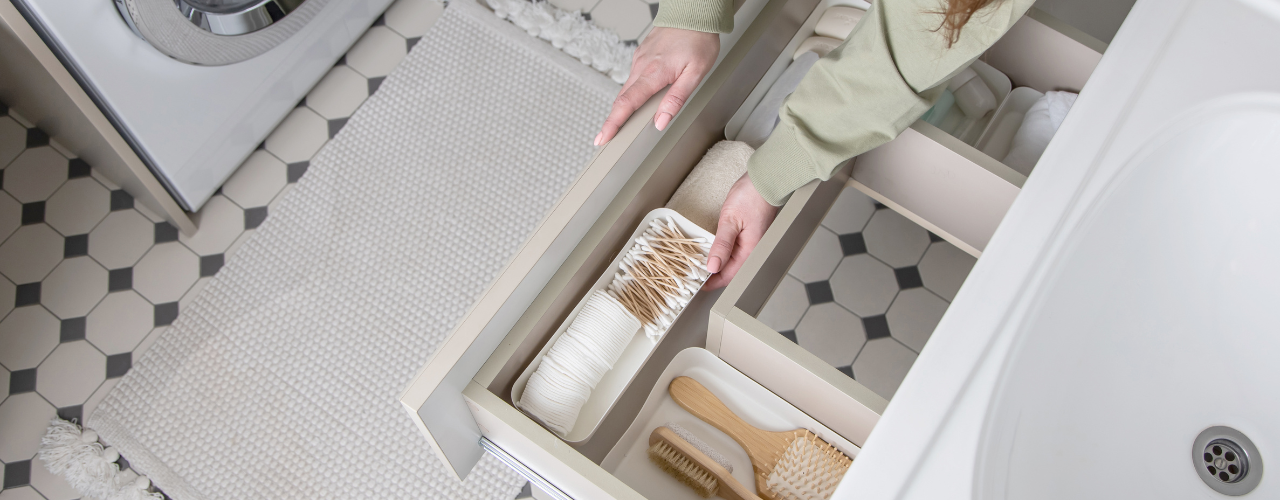
How to Organize Your Bathroom: 8 Ways to Stay Tidy
You already know why an organized bathroom is worth the effort, but let us remind you: it makes rushed mornings easier, keeps counters cleaner and just helps get you in the mood to go through your skincare routine like you should. Plus, in bigger households, it helps everyone find what they need. And you know how much a tidy bathroom counts for your self-esteem when a guest or a partner shows up. Luckily, you don’t need a degree to know how to organize your bathroom. The secret is keeping less, giving every item a home and making that home simple to use. Let’s go through some practical steps can help you create a bathroom that stays functional and nice to look at.

How to Use Silica Gel Packets for Storage
Moisture can cause significant damage to items in storage, leading to rust on tools, mold on clothing and warping in documents. Silica gel uses science to fix that. Often found in small packets inside product packaging, silica gel is a desiccant that absorbs moisture from the air, keeping your stored items dry and protected. This guide explains what silica gel is, how it works and how you can use it to preserve your belongings in self storage.