

A home is a big investment and you naturally want to make decisions that are smart financially, practically, and emotionally. It’s not unusual to feel overwhelmed by the enormity of the situation or the logistics. So, let’s take a look at a few ways you can make things a little easier along your journey to find your new place. Here are the essentials on how to choose a new home.
1. Find the right characteristics
One of the reasons that choosing a new home can be quite overwhelming is that people put a lot of pressure on themselves to find the “perfect” space. Not only is this a lot of pressure, but it also tends to be a bit vague. A more practical approach is to work with your family on breaking down this ideal home concept into what characteristics you would like to prioritize. You can then use these to guide your search.
Some of the characteristics to discuss might include the following.
Location
Discuss what’s important to your family in terms of location. Is it more important to be close to work in the city or have access to nature? If you want the best of both worlds, you could look for homes that balance city and outdoor environments. This involves considering what outdoor activities you love and finding cities that are close to relevant amenities. For instance, skiers could choose cities near mountains, such as Denver. Another approach is to explore areas that incorporate natural amenities into the city. A good example of this is Washington, D.C., due to its range of parks.

Features
Beyond the location, another aspect to break down is the types of features your family would like the home to have. If you have kids and pets, a large yard could be one of the priorities you look for. For those working from home or starting a business, having a spare room as a home office might be a key feature. Or, you could put health-related considerations first and foremost, such as the factors that affect a home’s water quality, including pH level and the presence of chemicals.
Once you have a list of these characteristics, you can further condense them into categories of “must-haves” and “nice-to-haves.” This reflects your needs and preferences with room to be flexible.
2. Create your budget
Part of the weight of choosing a new home is often financial in nature. This may come from not being entirely certain whether you’re able to afford a home both in terms of an initial down payment and paying the mortgage in the future. It’s important to take an informed approach to your budget.
Start by taking an honest look at your household income. Generally speaking, it’s not advisable to pay more than 28% of your monthly household income on a mortgage payment. If you haven’t been doing so already, take stock of your typical utility bills, loan or credit card repayments and food expenses. You should also take into account the moving related expenses. This gives you more nuanced insights into what regular repayments you’ll be able to afford and still have a little breathing room.
With a good idea of what you can realistically buy, you can choose a home that fits your means. This can give you peace of mind that you’re not putting yourself at risk of missing payments on leaner months. Having more financial wiggle room also means you are likely to have some funds to enjoy being in your new home, making occasional upgrades and enhancing your lifestyle rather than just owning an expensive property.
3. Reduce the mental load
Choosing a new home is a huge step with a lot of considerations and concerns. This can put a huge cognitive load on buyers, making the prospect of moving among the top stressors a person can experience. These daytime pressures can even manifest as sleep disruption due to stress dreams, which can have a negative impact on your mental and physical wellness.
Falling and being chased in dreams are common with feelings of being overwhelmed. There are direct ways to cope with stress dreams, such as creating a relaxing bedtime routine or deep breathing. Yet, it’s also wise to tackle the root cause by reducing your mental load during your homebuying process.
Some steps here can include:
- Keep communicating: Share the anxieties or concerns you have about buying a home with people you trust. Even if they can’t offer practical solutions to the challenges you face, talking about your feelings can release a lot of tension.
- Make lists: There’s a lot of information and tasks to juggle when buying a new home. Trying to just keep these in your head is a recipe for stress and confusion. Making lists of tasks for each week and spreading them across each day with what you can realistically manage is key here. It gets the tasks out of your head and a roadmap for you to move forward.
- Commit to self-care: Amidst the chaos of viewing homes and arranging mortgages, take time for yourself. Keep a regular hygiene routine, enjoy your hobbies, and spend time relaxing with friends. These simple measures are valuable breaks from the pressures of home buying.
Reducing the mental load is really about being kind to yourself. As a family, you may have to nudge one another to remember to do this occasionally. This helps you maintain the cognitive bandwidth to make the right decisions and also enjoy the process of finding an exciting new space to live in.
4. Use self storage to stay flexible
A storage unit can ease both financial and emotional pressure during a move. Instead of feeling forced to buy a larger, more expensive home just to fit every single possession, you can prioritize the property’s core characteristics (location, layout, school district) and temporarily keep surplus items in a nearby storage unit. Just make sure you compare storage rents in your area before you close or sign a lease and ask facilities if they offer storage deals. Doing this will help you factor the storage option realistically into your budget instead of making a rushed choice later.
Storage works as a buffer when you are downsizing, coming from a larger home, or planning renovations, giving you time to see how you actually use the new space before deciding what to keep, sell, or donate. To avoid overpaying, use our storage unit size guide and calculator , which show you, for example, how much fits in a 5×10 versus a 10×10, so you are not overpaying for empty space or cramming everything into a unit that is too small. If you are storing furniture, electronics, or anything sensitive to temperature and humidity, it is also worth considering a climate-controlled unit to reduce the risk of warping, mold, or other damage over time.
Conclusion
Finding a new home should be a balance of careful planning and excitement, rather than just overwhelmingly stressful. This requires a mindful approach, ensuring your needs to drive your search while taking time for self-care. Remember, too, that the perfect home isn’t necessarily just the property you move into, but what you do to put your stamp on it in the years you spend there.



Moving From a House to an Apartment: What to Expect, How to Downsize & How Self Storage Helps
For some, moving from a house to an apartment is a financial decision. For others, it’s about simplifying life. Maybe the kids have moved out and half the house sits empty, or you’re approaching retirement and no longer want to spend weekends on repairs. Or perhaps you’ve been weighing the cost of buying a home and wondering whether renting simply makes more sense right now.

Family Heirlooms Overload: How to Handle Family Inheritance Without Regret
Handling family heirlooms after a loss requires managing legal authority, emotional pressure and practical logistics at the same time, and the order you take them on matters more than most people expect.
Blanket Storage: The Right Method for Every Space and Season
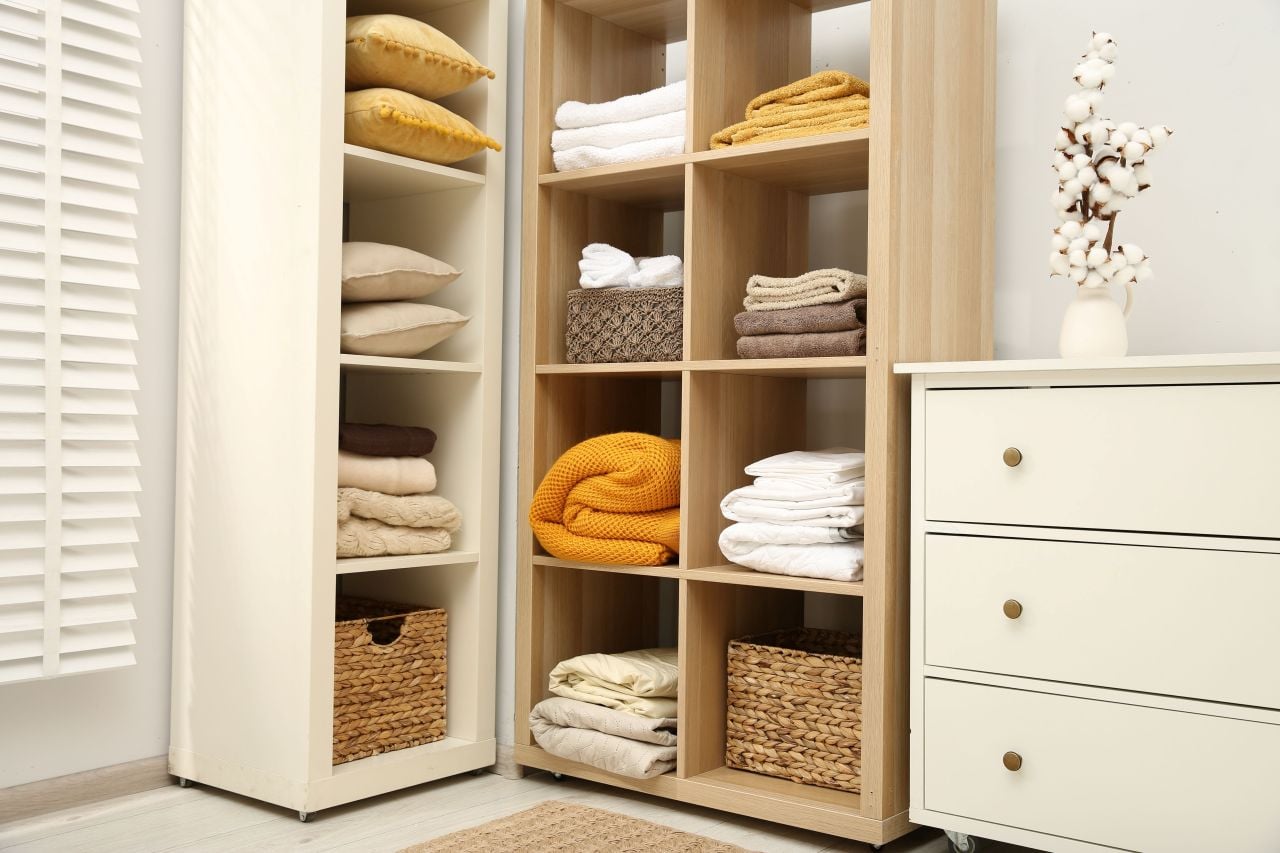
Blankets make our lives cozier, and storing them well is what keeps them soft and comfortable in the long run. Knowing how to store a blanket properly means your favorites come out of storage smelling fresh, feeling the same as when they went in, and lasting years longer than they otherwise would.

Board Game Storage Ideas That Keep Your Collection in Fighting Shape
Nobody warns you that getting into board games usually unlocks a second hobby, the much dreaded one that includes figuring out where on earth to put them. One game becomes a few, expansions start spawning beside their base boxes and before long, board game storage requires as much strategy as whatever is waiting on the other side of those lids.

Storage Locker vs. Storage Unit: What’s the Difference?
A locker and a unit may sound like two names for the same four walls and a lock, and depending on the storage facility, you may even see the terms used that way. However, once you start comparing available spaces, storage lockers tend to occupy the smaller end of the spectrum, while storage units(opens in new tab) give you considerably more room to work with.

Storage Ideas for Small Spaces: 9 Ways to Max Out Your Home
A messy home contains the seeds of its organization. Those seeds are everywhere: the space above doors, under beds, behind sofas and inside furniture can all become storage. Here are the best storage ideas for small spaces, so you can make the most of your cozy home.

Best U.S. Cities to Live Uncluttered: Plano, TX, Offers the Most Room to Breathe
Clutter is in our homes as much as in our heads. Both are shaped by where we live.
How to Organize Your Bathroom: 8 Ways to Stay Tidy
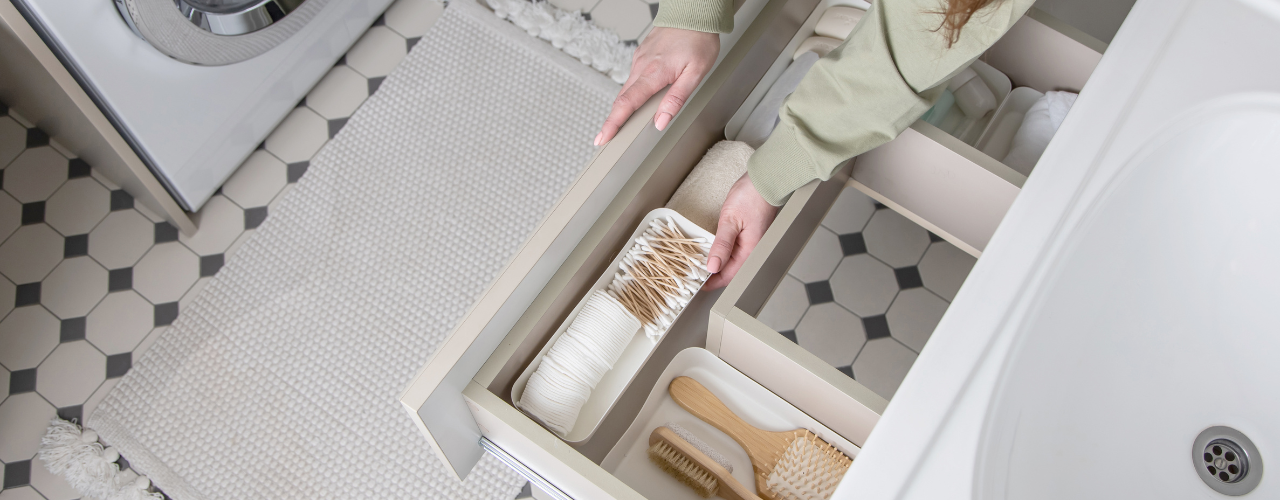
You already know why an organized bathroom is worth the effort, but let us remind you: it makes rushed mornings easier, keeps counters cleaner and just helps get you in the mood to go through your skincare routine like you should. Plus, in bigger households, it helps everyone find what they need. And you know how much a tidy bathroom counts for your self-esteem when a guest or a partner shows up. Luckily, you don’t need a degree to know how to organize your bathroom. The secret is keeping less, giving every item a home and making that home simple to use. Let’s go through some practical steps can help you create a bathroom that stays functional and nice to look at.

How to Use Silica Gel Packets for Storage
Moisture can cause significant damage to items in storage, leading to rust on tools, mold on clothing and warping in documents. Silica gel uses science to fix that. Often found in small packets inside product packaging, silica gel is a desiccant that absorbs moisture from the air, keeping your stored items dry and protected. This guide explains what silica gel is, how it works and how you can use it to preserve your belongings in self storage.